
India boosts diesel exports amid global supply constraints
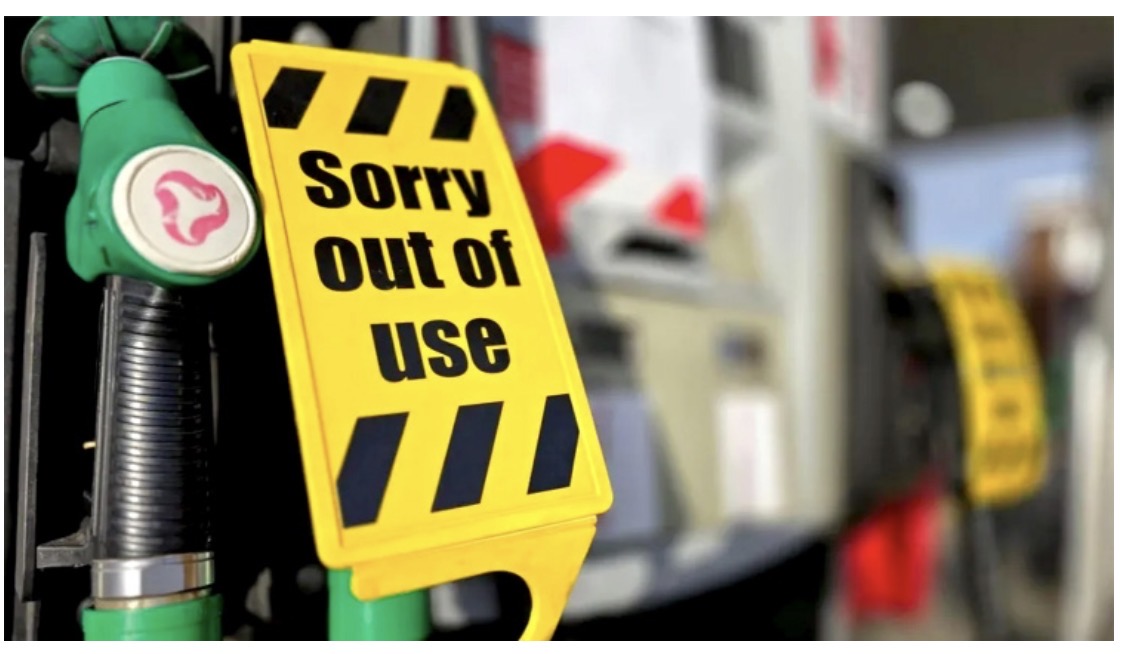 |
As the world struggles with a tightening diesel market, India is emerging as an important source of refined fuel for international buyers. Disruptions to oil supplies, combined with attacks on refineries and restrictions on fuel exports, have reduced the availability of diesel in global markets. Against this difficult backdrop, Indian refineries are helping to supply some of the missing volumes.
Diesel is vital to the global economy. It powers trucks, buses, agricultural machinery, ships, construction equipment and many industries. A shortage therefore has consequences far beyond petrol stations. Higher diesel prices can increase transportation and production costs, eventually putting pressure on food prices and inflation.
The International Energy Agency (IEA) reported that global seaborne gasoil and diesel exports averaged 4.7 million barrels per day during the first eight months of 2026, about 10 per cent lower than a year earlier. Combined diesel exports from these two regions fell to only 520,000 barrels per day in August, 75 per cent below the level recorded a year earlier.
Several factors have contributed to the shortage. Continuing geopolitical tensions have disrupted crude supplies and shipping routes, while attacks on Russian refineries have reduced refining capacity. The IEA says global refinery output in August remained 4.2 million barrels per day below the previous year's level. Refining margins have risen sharply as diesel supplies have tightened.
India's large and modern refining industry gives it an important role in this situation. Indian refiners have the capacity to process substantial quantities of crude oil and produce diesel and other petroleum products for export. With refineries operating strongly, India can redirect part of its production toward international markets when global supply becomes tight.
The Indian government's recent policy decisions are also relevant. On September 30, India announced a reduction in windfall taxes on exports of diesel and aviation turbine fuel, effective from October 1. The move is expected to reduce the tax burden on exporters and could encourage greater overseas sales of refined products.
However, India's contribution cannot completely solve the global diesel problem. The IEA notes that increased shipments from the United States and a rebound in Asian exports have provided only a partial offset to declining supplies from Russia and the Middle East. It also warns that global refining systems are operating close to their practical limits for producing middle distillates such as diesel.
For India, the situation presents both an opportunity and a challenge. Higher international demand for refined petroleum products can support refinery utilization and export earnings. At the same time, Indian authorities must balance export opportunities with domestic fuel requirements and price stability.
The current diesel crunch demonstrates the importance of diversified refining capacity and reliable international supply chains. India's ability to send refined fuel abroad is providing some relief at a time when global markets are under considerable pressure. Yet the crisis also shows that no single country can replace the supplies lost from major producing and refining regions.
As geopolitical tensions continue, the global diesel market is likely to remain closely watched. India, with its substantial refining capacity and growing role in international fuel trade, is expected to remain an important part of the effort to keep diesel flowing to markets facing shortages.


Most read


Recommended
 Economy
Oxfam and VCCI-HCM Help Businesses Improve Management and Connect with Markets
 Economy
Tay Ninh and Thanh Hoa Seek Investment Partners and Market Expansion Opportunities in Bulgaria
 Economy
India converts gas-fuelled plant for green ammonia
 Economy
India’s Startups Are Srengthening the Country’s Space Tech Boom
Popular article
 Economy
ZTE Launches M8000 Intelligent Computing Micro-Module Data Center, New-Gen AIDC IT POD Solution for Global Deployment
 Economy
Mountains and Seas Unite for a New Chapter: "Sojourn in Guizhou" International Promotion Conference Held in Macao
 Economy
Vietnamese And Bulgarian Businesses Seek Further Cooperation Opportunities
 Economy