
Innovating Approaches to HIV/AIDS Prevention and Control
 | Vietnam to Share PrEP Treatment Experience at International AIDS Conference |
| US Helps Vietnam Maintain HIV/AIDS Community Infection Rate Below 0.3% |
Bringing services closer to those in need of support
In many highland communes of Dien Bien Province, there was a time when people receiving Methadone treatment had to travel dozens of kilometers along mountainous roads every day to reach medication dispensing facilities. Long travel distances made maintaining daily treatment a significant burden for many HIV/AIDS patients.
The mountainous terrain and dispersed population are also among the reasons why the health sector introduced and continues to maintain the multi-day Methadone dispensing model in Dien Bien. According to the Vietnam Administration of HIV/AIDS Control (now the Department of Disease Prevention under the Ministry of Health), reducing the number of visits to treatment facilities makes it more convenient for patients to maintain treatment, especially in remote and isolated areas.
From these practical challenges, HIV/AIDS prevention and control efforts today have undergone many changes compared to the past. While earlier stages mainly focused on communication campaigns and treatment at medical facilities, many activities are now implemented with direct outreach to at-risk groups, reducing hesitation and encouraging patients to remain in long-term treatment.
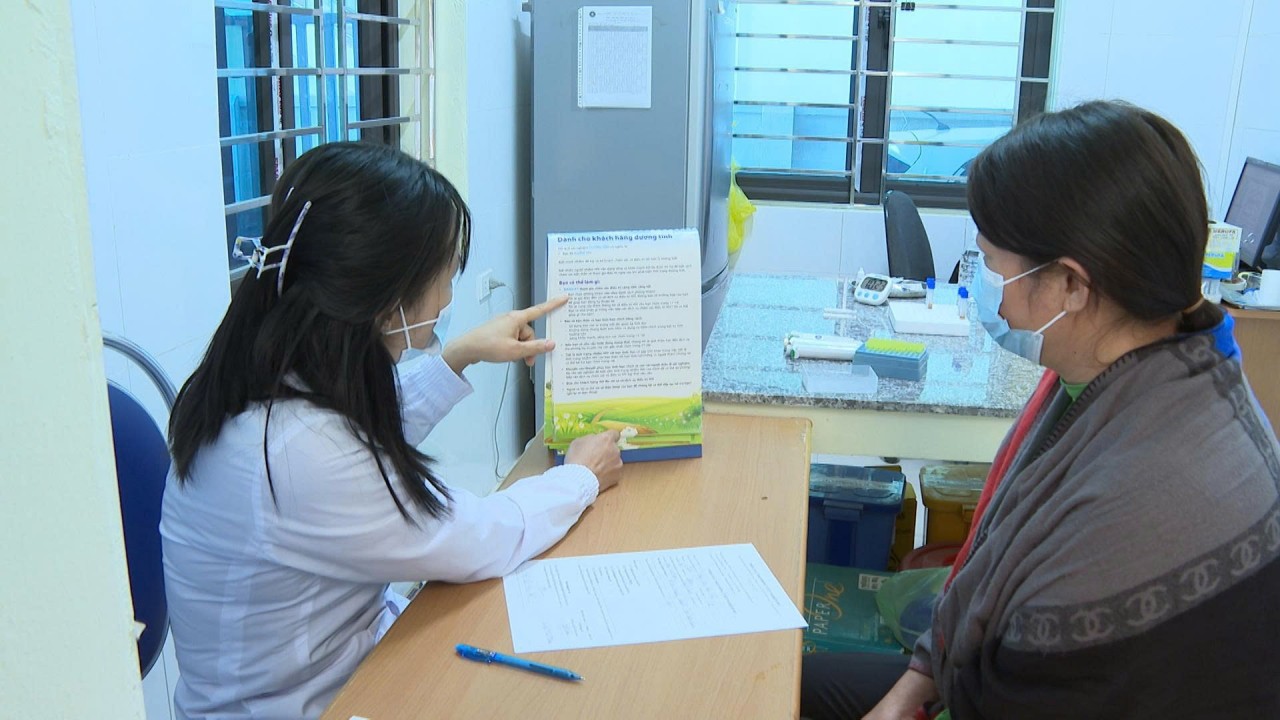 |
| HIV testing consultation at the Dien Bien Provincial Center for Disease Control. (Photo: Dien Bien Provincial Center for Disease Control) |
According to the Ministry of Health, Vietnam conducts HIV counseling and testing for approximately 3.4-3.5 million people each year, detecting around 13,000 HIV-positive cases. More than 96% of people receiving antiretroviral (ARV) treatment have viral loads suppressed below detectable levels. The PrEP program has now reached more than 129,000 high-risk individuals, amid a context in which HIV/AIDS is no longer concentrated mainly among a few groups as before, but is increasingly appearing among diverse at-risk populations, particularly young people, men who have sex with men, people who use drugs, and partners of people living with HIV.
Currently, many localities have expanded community-based HIV testing activities. Instead of waiting for people to come to medical facilities, many local authorities and community organizations have implemented online counseling, mobile testing services, support for HIV self-testing, and connections through peer support groups. These approaches help reduce hesitation in accessing services, especially among those concerned about stigma or the disclosure of personal information.
Alongside community-based testing, PrEP is also being expanded in many localities. According to the Ministry of Health’s professional agencies, when used as directed, PrEP can reduce the risk of sexually transmitted HIV infection by up to 96-99%. PrEP enables high-risk individuals to take a more proactive role in disease prevention, rather than only seeking medical services after potential exposure.
Several models of remote PrEP counseling and support through digital platforms are also being maintained, helping expand access to services for young people and those living in areas where direct access remains limited.
HIV treatment is also now viewed differently from before. According to the health sector, people living with HIV who receive effective ARV treatment and maintain viral loads below detectable levels virtually do not transmit HIV through sexual contact. The message “U=U” (Undetectable = Untransmittable) is helping reduce stigma and encourage early treatment.
Greater flexibility for mountainous areas
In mountainous provinces such as Dien Bien, maintaining continuous treatment remains one of the major challenges in HIV/AIDS prevention and control efforts.
According to reports from the health sector since 2023, HIV/AIDS cases have been recorded in most districts, towns, and cities across Dien Bien Province. Many highland communes are located far from urban centers, making it difficult for patients to travel and maintain long-term treatment.
In this context, the multi-day Methadone dispensing model has continued to be implemented to reduce travel burdens for patients. The Ministry of Health stated that allowing patients to take medication home for use helps reduce travel time, lower treatment costs, and improve treatment adherence.
For many patients in highland areas, having to visit treatment facilities every day was previously one of the reasons for discontinuing treatment midway or struggling to maintain stable employment.
Community organizations are also becoming increasingly involved in HIV/AIDS prevention and control efforts. In many localities, community groups support connections to testing services, treatment counseling, and patient follow-up after treatment.
According to health experts, these groups have an advantage in reaching at-risk populations thanks to their close ties to and understanding of local communities.
In Dien Bien, a pilot model mobilizing social organizations to participate in providing HIV/AIDS prevention and control services had previously been implemented. This approach reflects a growing trend toward greater community participation in HIV/AIDS prevention and control activities, rather than relying solely on the public healthcare system.
Practical experience from many localities shows that current changes in HIV/AIDS prevention and control efforts mainly focus on reducing barriers to accessing services, maintaining stable treatment, and making daily life more convenient for patients. As Vietnam aims to end the AIDS epidemic by 2030, implementing approaches suited to the characteristics of each locality will determine the effectiveness of HIV/AIDS prevention and control efforts in the coming period.
 | Vietnam, US Celebrate 20 years of Cooperation for HIV/AIDS Prevention and Control For 20 years, the cooperation program between the United and Vietnam on HIV/AIDS prevention and control helped more than 144,000 Vietnamese people living with HIV ... |
 | Vietnam Leads Asia-Pacific in HIV Pre-exposure Prophylaxis Pre-exposure prophylaxis (PrEP) in Vietnam officially started in 2020, and just after three years, the cumulative number of PrEP clients has already reached 67,000, with ... |
Related Stories
 Friendship
UN Women Reaffirms Cooperation with Dien Bien Province
 Viet's Home
Continuing "Journey of Sowing Green Seeds of Hope" for Children with Disabilities in Dien Bien
Recommended
 Viet's Home
Vietnam Allocates VND 50 Billion to Lai Chau for Post-Flood Recovery
 Viet's Home
Da Nang Contributes VND 1 Billion to Quang Tri's Gratitude Fund
 Viet's Home
Vietnamese Intellect Showcased at International Economics Olympiad 2026
 Viet's Home
Hanoi Steps Up Care for People with Meritorious Service
 Viet's Home
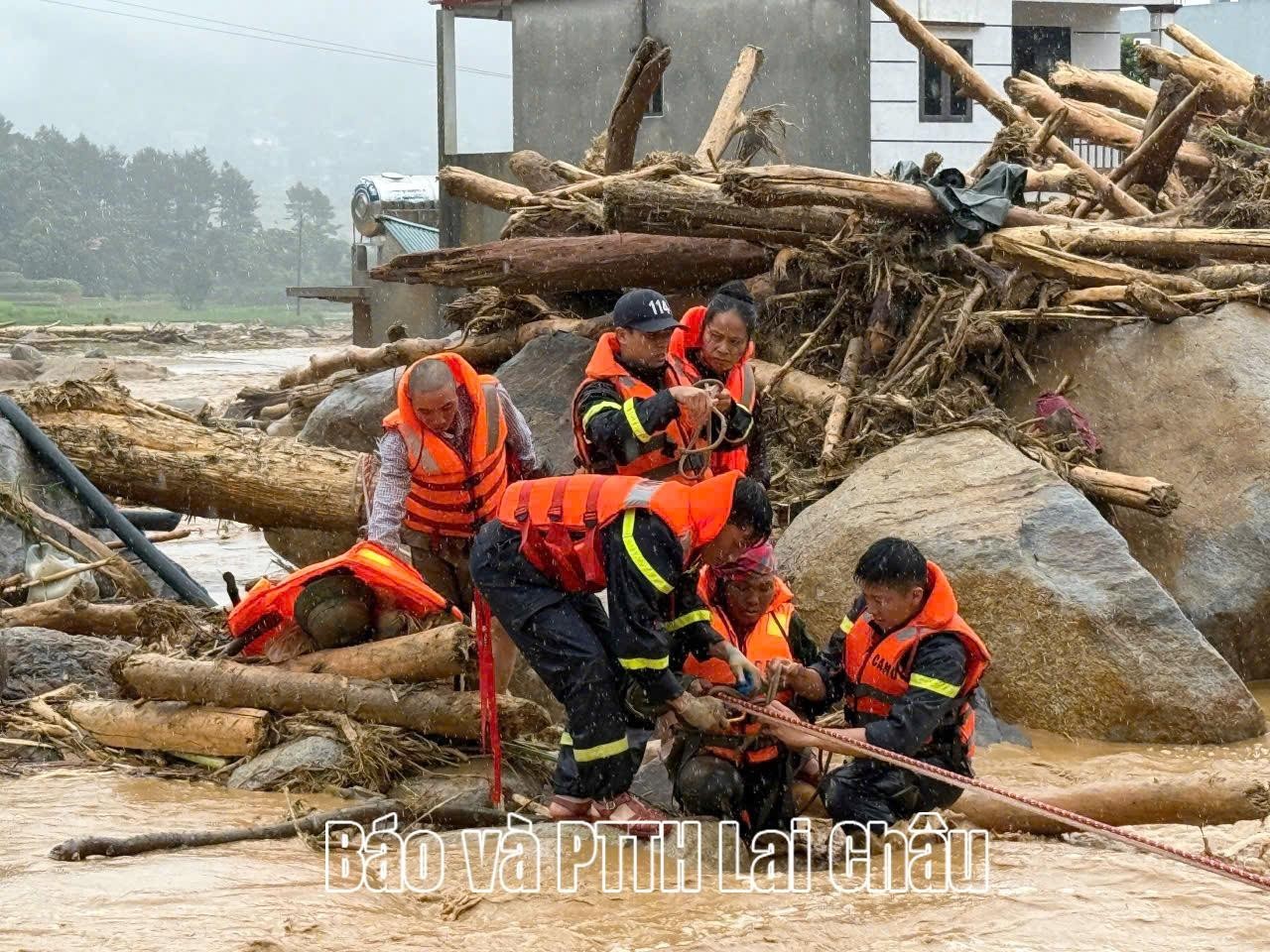
Lai Chau Calls for Support to Help Residents Recover from Flood Damage
 Viet's Home
Vietnam to Host Its First International Olympiad in AI
 Viet's Home
Dak Lak, Mondulkiri Sign Memorandum of Understanding for Cooperation
 Viet's Home