
Ninth Asia-Oceania Esperanto Congress: More than just words


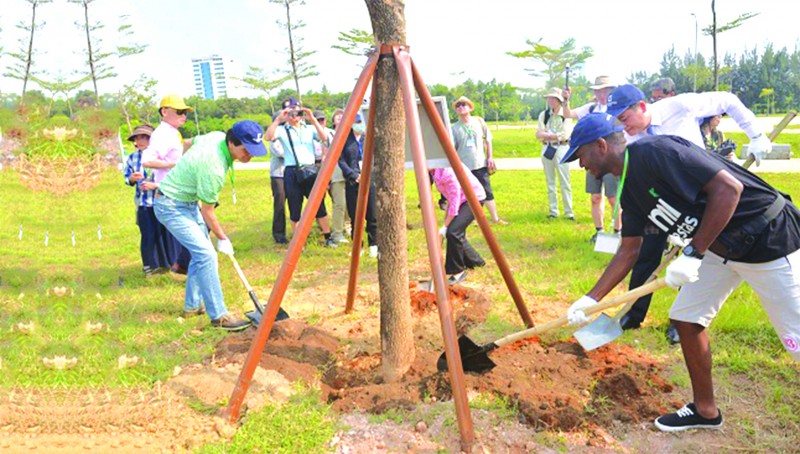 |
| Delegates plating trees at Youth Park, Da Nang city. |
The ninth Asia-Oceania Esperanto Congress (AK9), organized by the Asian Esperanto Movement and the Vietnam Esperanto Association (member organization of the Vietnam Union of Friendship Organizations - VUFO), officially opened in central city of Da Nang on April 26, attracting the participation of nearly 300 delegates from 20 countries. In particular, many delegates have never been to Vietnam.
During the AK9, the Vietnam Esperanto Association has planted 5 trees, representing 5 continents in the world. At the same time, the delegates were very surprised and excited when visiting the famous tourist destinations of Da Nang such as Non Nuoc Stone Carving Village, Museum of Cham Sculpture, and Linh Ung Pagoda. Many of them had never been to Vietnam and still only know Vietnam through photos of the American war.
Successfully hosting the AK9 and having representatives participating in the Executive Committee of the Universal Esperanto Association are one of the outstanding external activities of the Vietnam Esperanto Association in previous term.
VUFO President Nguyen Phuong Nga, also said that, with more than 100 years of history, the Esperanto movement has developed worldwide. Since becoming an official member of VUFO in 1998, the Vietnam Esperanto Association has been very active in spreading Esperanto to the younger generations of Vietnam, as well as mobilizing the members of the Esperanto movement to support Vietnam and actively participate in promoting and introducing Vietnam's culture and history to the Esperanto community in particular and international friends in general.
| Esperanto was created by a Polish scholar, Dr. Ludwik Lejzer Zamenhof between 1872 and 1885 in Warszawa. It is an artificial or constructed language as opposed to natural human languages whose vocabulary and grammars developed randomly over time through custom and usage, rather than a plan. The word esperanto translates into English as "one who hopes". Dr. Zamenhof's goal was to create an easy and flexible language that would serve as a universal second language to foster world peace and international understanding, and to build a community of speakers. After more than 100 years of establishment and development, by 1996, there were about 2 million people in 115 countries and territories used this language as their second language. |



Most read
Related Stories
 Friendship
People-to-People Diplomacy Must Align with Capital Development Goals
 Focus
Focus
People-to-people Diplomacy Must Directly Nurture Viet Nam-Lao Strategic Connectivity
 Friendship
Vietnam-Singapore Friendship Association Prioritizes Business Networking and Innovation in 2026
 Focus
Focus
Vietnam Affirms Its Consistent Stance in Supporting Palestinian People for Peace and Freedom
In topics
 Friendship
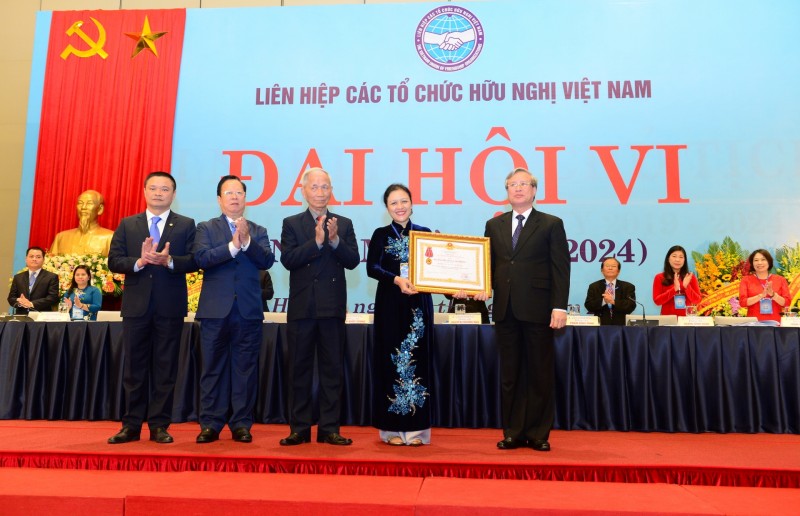
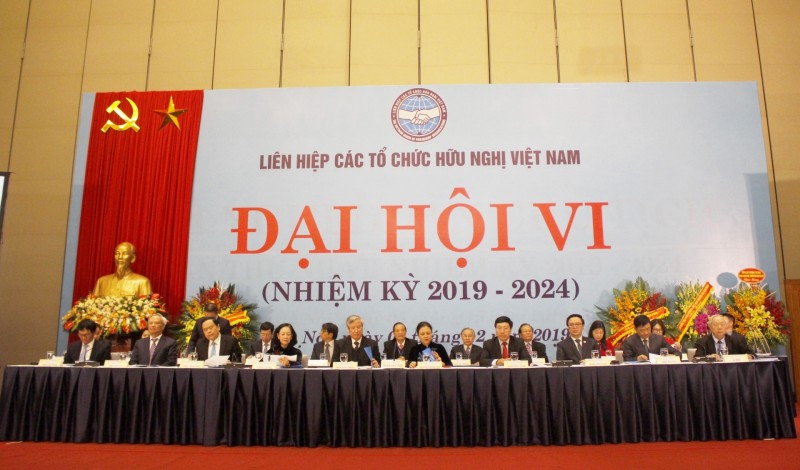
Sixth National Congress of Vietnam Union of Friendship Organizations kicks off
Recommended
 Friendship
Thanh Hoa and Saint Petersburg (Russia) Strengthen Cooperation
 Friendship
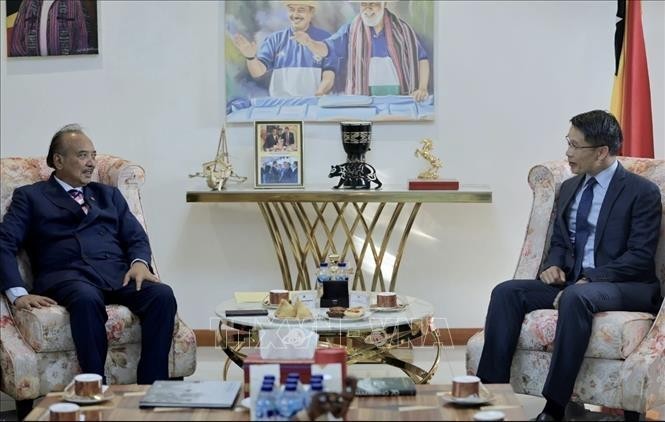
Vietnam and Timor-Leste Promote Cooperation
 Focus
Focus
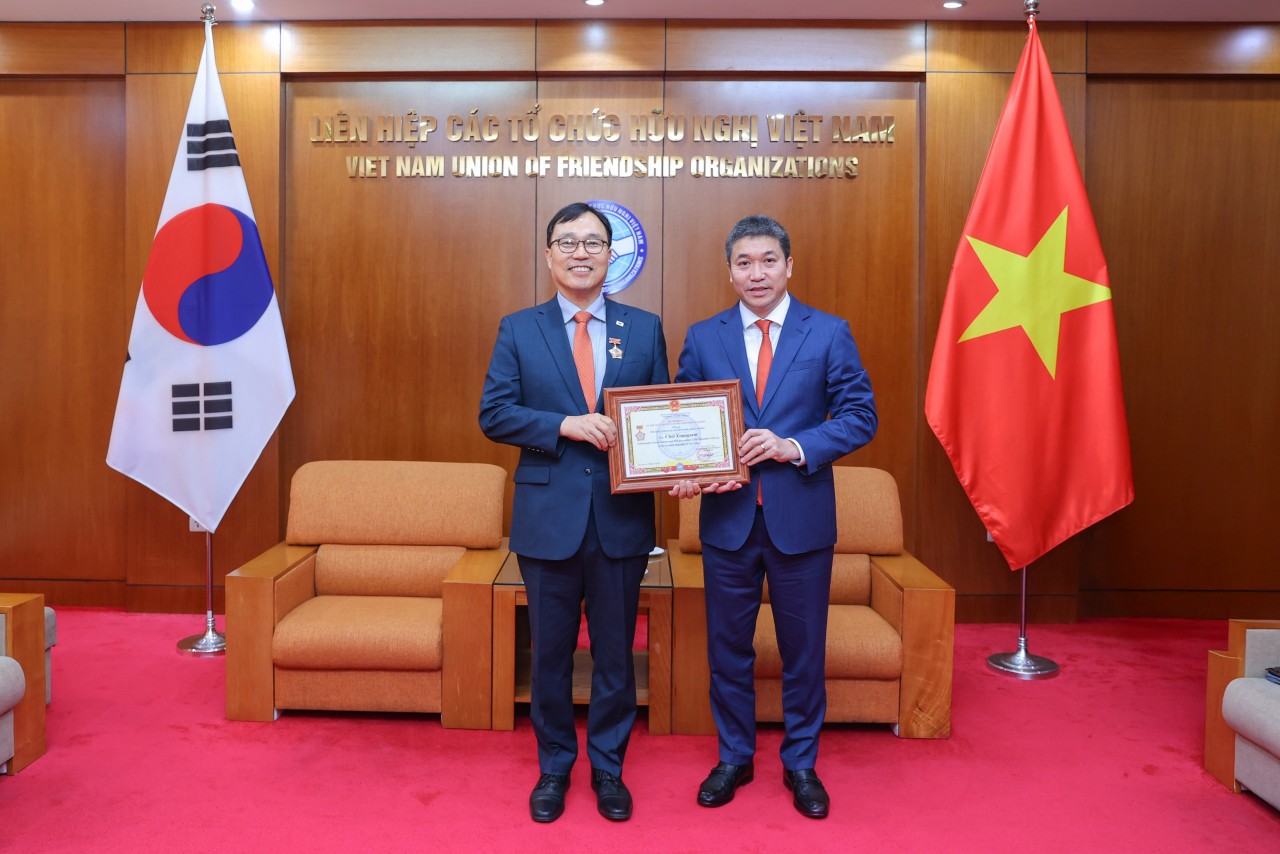
Ambassador Choi Young Sam Awarded “For Peace and Friendship Among Nations” Medal
 Friendship
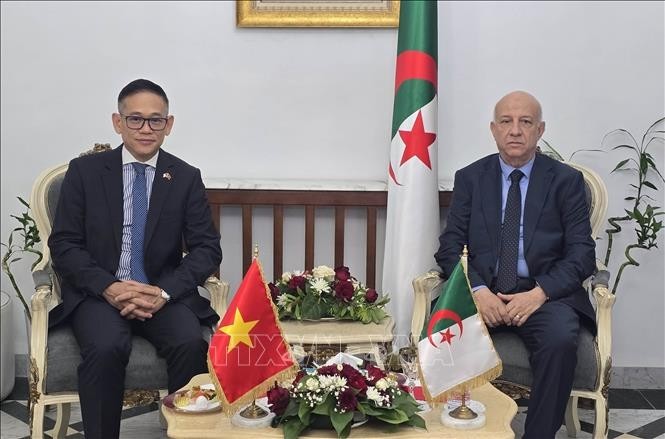
Vietnam, Algeria Strengthen Traditional Ties
Popular article
 Friendship
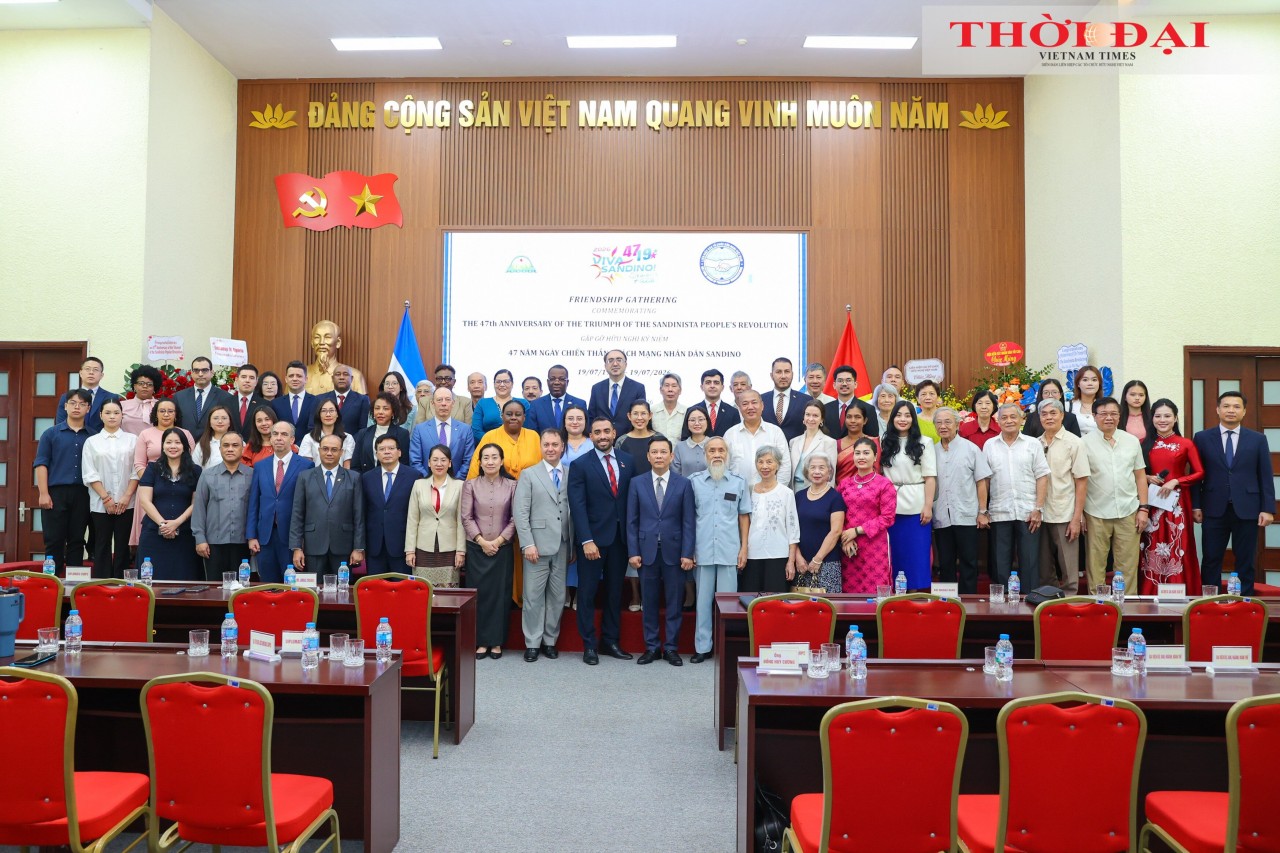
Commemorating 47th Anniversary of Triumph of Sandinista People's Revolution: Expanding Vietnam-Nicaragua People-to-People Exchanges
 Friendship
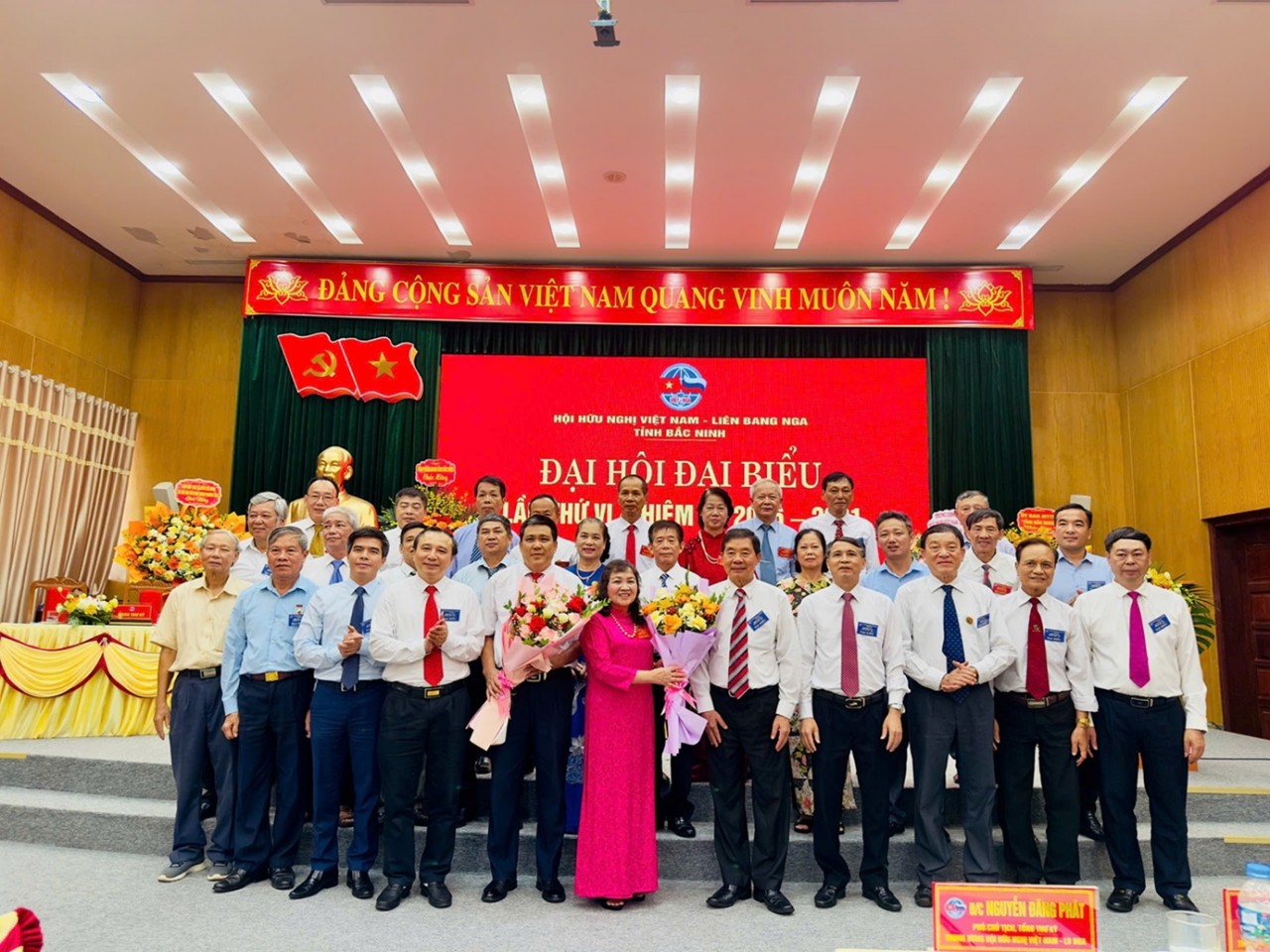
Vietnam-Russia Friendship Association of Bac Ninh Expands Network Following Reorganization
 Friendship
Vietnam-Japan Festival 2026 Launched
 Friendship