
Secretary-General of the Brazil-Vietnam Friendship Association: The 16th National Assembly Will Continue to Drive Vietnam’s Development
 | Dr. Michael Parsons (Australia): Election Day in Vietnam Has Festival-like Atmosphere |
| Digital Transformation Supports Efficient and Transparent Elections |
Vietnam is preparing to hold elections for the 16th National Assembly and People’s Councils at all levels for the 2026-2031 term. As a friend of Vietnam, how have you followed or taken interest in this important political event?
As I wrote in the book about Ho Chi Minh, about his life and works, since the founding of the Communist Party of Vietnam in 1930, the Communist Party of Vietnam (CPV) has firmly and consistently asserted its role as a genuine political force, endowed with prestige and leadership capacity, remaining faithful to the revolutionary goals and ideals of the Party and the entire Vietnamese nation: National independence coupled with socialism.
Throughout these 96 years, the Party has walked side by side with the nation. Under the leadership of the Central Committee and President Ho Chi Minh - and, directly and continuously, the Politburo, the Secretariat, and the General Secretaries of different periods - the Vietnamese people have achieved great accomplishments, despite facing some of the most severe challenges in history: from the struggle for independence (1945) and national reunification (1975), to the construction of socialism and the implementation of the cause of Doi Moi (Renewal) (1986).
During these festive days of the New Year of 2026, while all our comrades in Vietnam enthusiastically celebrated the traditional Lunar New Year (Tet) of the year of the horse (Binh Ngo) and saluted the successful completion of the 14th National Congress of the CPV, they are preparing to elect the nation's main political leaders.
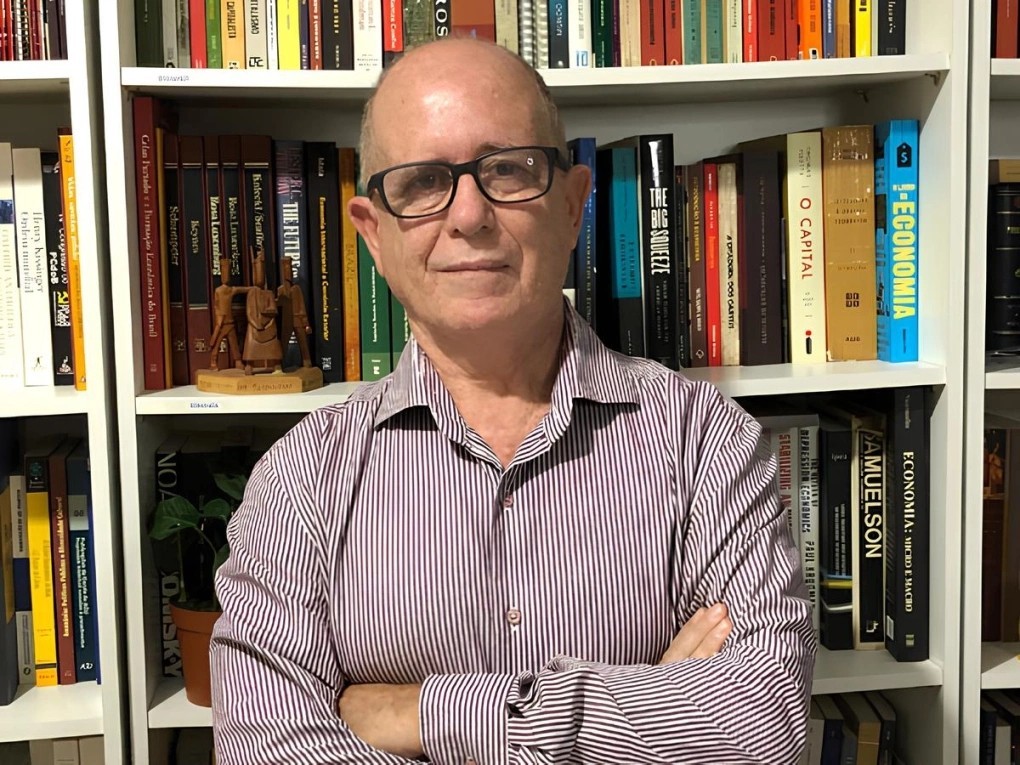 |
| Journalist and historian Pedro de Oliveira, Secretary-General of the Brazil-Vietnam Friendship Association. (Photo: KT) |
How do you assess the significance of this election for Vietnam’s political life and its national development?
The election of the new leaders of the government will continue the work of building and rectifying the Party that has achieved results of an innovative nature. Party discipline has been rigorously applied; the fight against corruption, waste, and negative practices has been intensified with a very strong political determination, with the principle of "no forbidden zones, no exceptions".
The Party's leadership and governance methods continue to be renewed, becoming increasingly scientific, democratic, effective, and efficient. These achievements have reaffirmed the unity, consensus, and high level of determination of the entire Party, the people, and the political system in building an integral and strong CPV, winning broad support and high appreciation from cadres, Party members, and society.
It is noteworthy that, for the first time, Vietnam implemented a two-tier administrative model, both at the central and local (provincial and communal) levels. This important administrative rationalization reform reduced provincial-level administrative units and communal-level units, eliminated the district-level administrative structure, and reorganized the local structures of the Army, Public Security, inspection bodies, courts, prosecutor's offices, and vertical management bodies.
Could you share your views on the differences between elections in Brazil and those in Vietnam?
The differences in methods and practices adopted in Brazil for elections at various levels of government may be profoundly characteristic of Brazilian culture and political system and are related to issues concerning political power in each of our countries. Vietnam is a Socialist Republic, in which the Communist Party holds the leading role.
Brazil's political-party system is characterized by a federal presidential model, with a bicameral legislature and a fragmented multi-party system that requires the formation of coalitions to govern.
Brazil is a Federal Republic with separation of powers: executive, legislative, and judicial. The President of the Republic is head of state and head of government, elected by popular vote for a four-year term.
The national legislature is the National Congress, a bicameral body composed of the Chamber of Deputies (representing the population) and the Federal Senate (representing the 26 states and the Federal District).
Brazil is a Federal Republic with separation of powers: Executive, Legislative, and Judicial. The President of the Republic is head of state and head of government, elected by popular vote for a four-year term. The national legislature is the National Congress, a bicameral body composed of the Chamber of Deputies (representing the population) and the Federal Senate (representing the 26 states and the Federal District).
The country has a multi-party system with a high number of registered parties. In 2025, there were 35 officially registered parties. This party fragmentation is a striking and chronic characteristic of the system, having increased significantly since redemocratization.
The proportional electoral system with open lists for the legislature is one of the factors that encourages this fragmentation and strengthens individual political careers at the expense of parties.
Due to the high fragmentation, the party of the elected president rarely achieves a majority in Congress. To govern, the president needs to build and maintain a broad coalition of parties in the Legislature, in an institutional arrangement known as "coalition presidentialism." This model, based on negotiation and the distribution of power among the parties of the allied base, guarantees governability, but also presents weaknesses such as instability, patronage practices, and the risk of corruption.
The system is also marked by other phenomena, such as electoral volatility (frequent changes in party preference by voters), weak ties between parties and society (with a tradition of personalistic leadership), and frequent party switching by parliamentarians (party disloyalty), despite legal efforts to curb it.
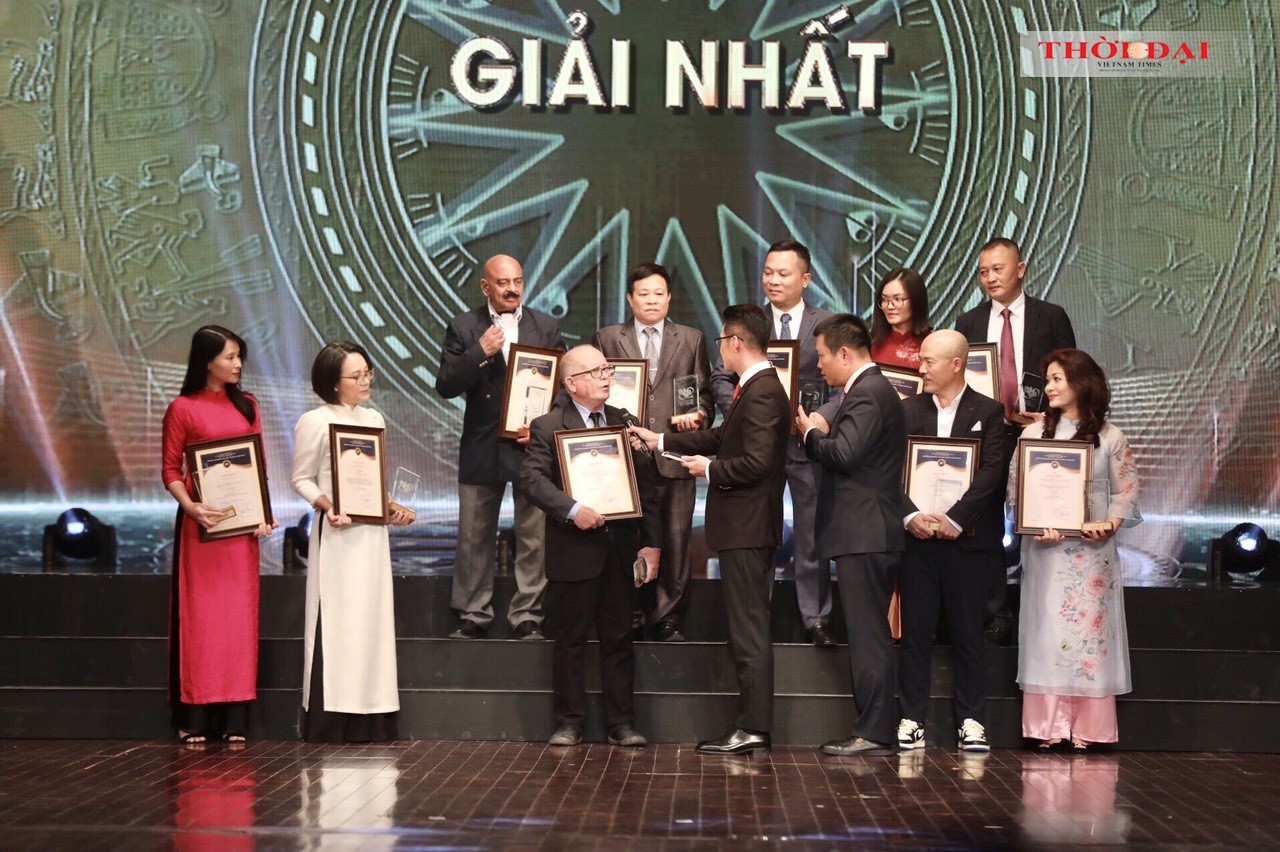 |
| Pedro de Oliveira received the First Prize in the Book category, Portuguese language, at the 8th National External Information Service Awards on November 5, 2022. (Photo: Minh Quyet) |
What are your expectations for the 16th National Assembly of Vietnam in continuing to promote the country’s development and strengthening cooperation between Vietnam and other countries, including Brazil?
In my opinion, and taking into account the seminars held here at the Vietnamese Embassy in Brazil, I believe that the new parliament and the new leaders who will be elected will continue the important achievements of the Vietnamese people.
Macroeconomic stability has been maintained, with inflation, public debt, and the budget deficit effectively controlled. The trade balance has consistently registered high surpluses. Average GDP growth in the period 2021–2025 reached approximately 6.3% per year, among the highest in the world.
In 2025, GDP exceeded US $510 billion (1.47 times the 2020 level), and per capita income surpassed US $5,000, placing Vietnam among upper-middle-income countries. The quality of growth has improved, and the economic structure has evolved positively towards modernization, with an increase in the participation of industry and services.
Many historically weak projects and inefficient organizations were resolved; infrastructure was expanded in a synchronized manner, with the commissioning of numerous large-scale and strategically important national projects.
The private sector was stimulated to develop further, becoming an important engine of the economy, with the emergence of several large private groups that achieved international competitiveness.
Cultural, human, and social development have seen significant advances, with notable progress in various fields; social security and the population's living standards have improved significantly. Policies for comprehensive human development have been implemented substantially; Vietnam's Human Development Index (HDI) has increased significantly (reaching 0.766, advancing 14 positions and joining the "high" development group), while the country's ranking in the Global Happiness Index rose 33 positions, reaching 46th place among 143 countries. Education and training have undergone fundamental reforms; science, technology, innovation, and digital transformation have been vigorously promoted.
As Vietnam is approaching election day, would you like to send any message to the Vietnamese people?
I believe that the newly elected National Assembly will continue to implement Vietnam's national sustainable development goals, setting yet another example for the world of how a united country can defend itself against all types of intervention, maintain its sovereignty, and build socialism.
Thank you very much!
 | More Opportunities to Strengthen Traditional Friendship Between Vietnam and Uzbekistan The election of deputies to the National Assembly and People’s Councils at all levels will take place on March 15, 2026. On this occasion, Alisher ... |
 | The Election in Vietnam Through Eyes of International Friends: Foundation for Stability and Cooperation According to ambassadors, experts, and foreign nationals working in Vietnam, the upcoming elections for the 16th National Assembly and People’s Councils at all levels for ... |
Related Stories
 National
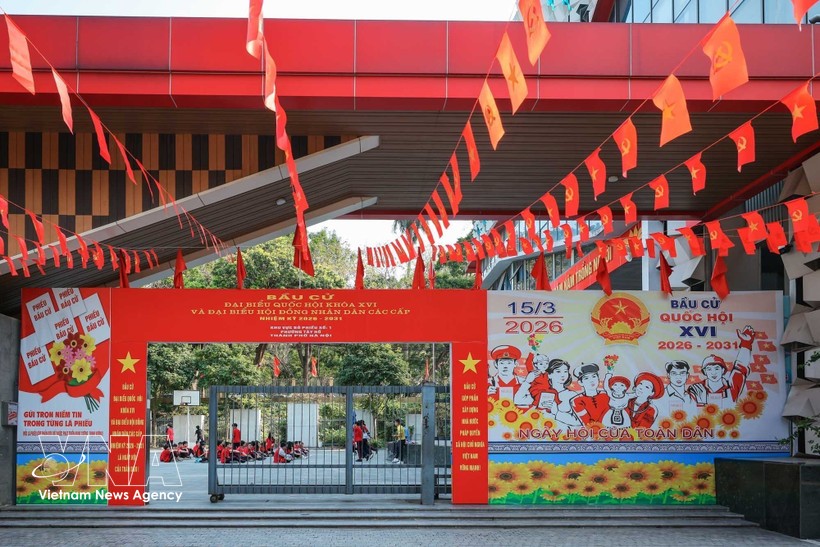
Hanoi Announces 125 Elected Members of 17th Municipal People’s Council
 National
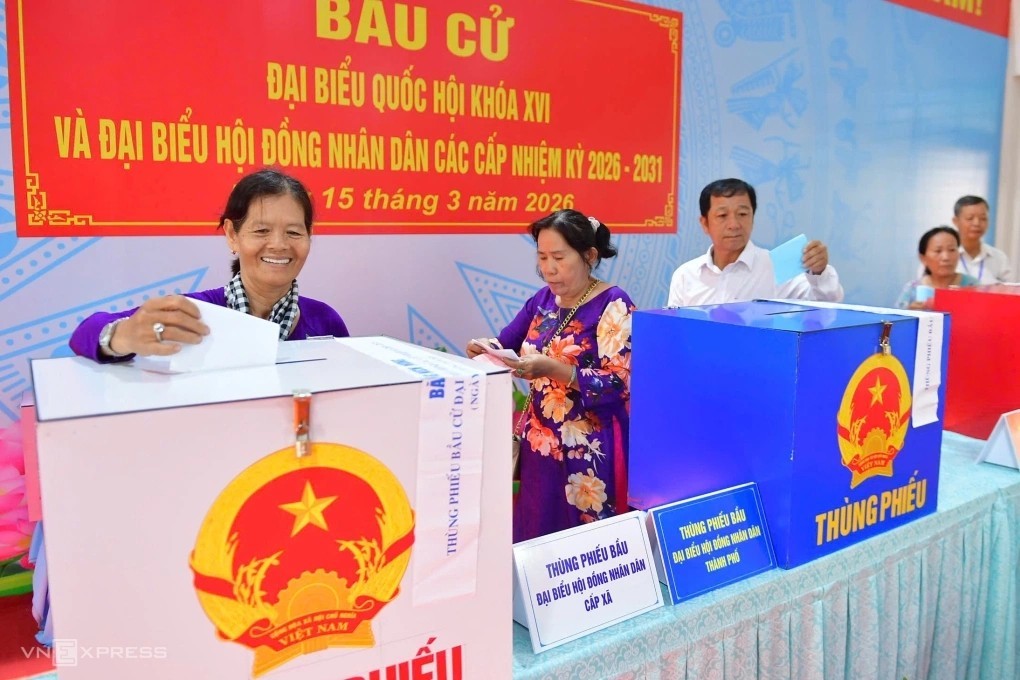
99.68% Voter Turnout Reflects Strength of National Unity
Recommended
 Friendship
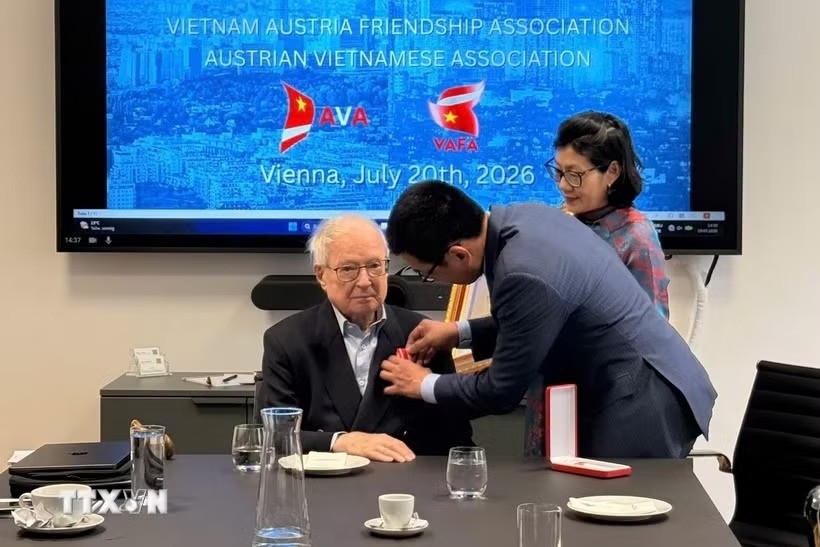
Friendship Order Conferred on Peter Jankowitsch and Austria-Vietnam Society
 Friendship
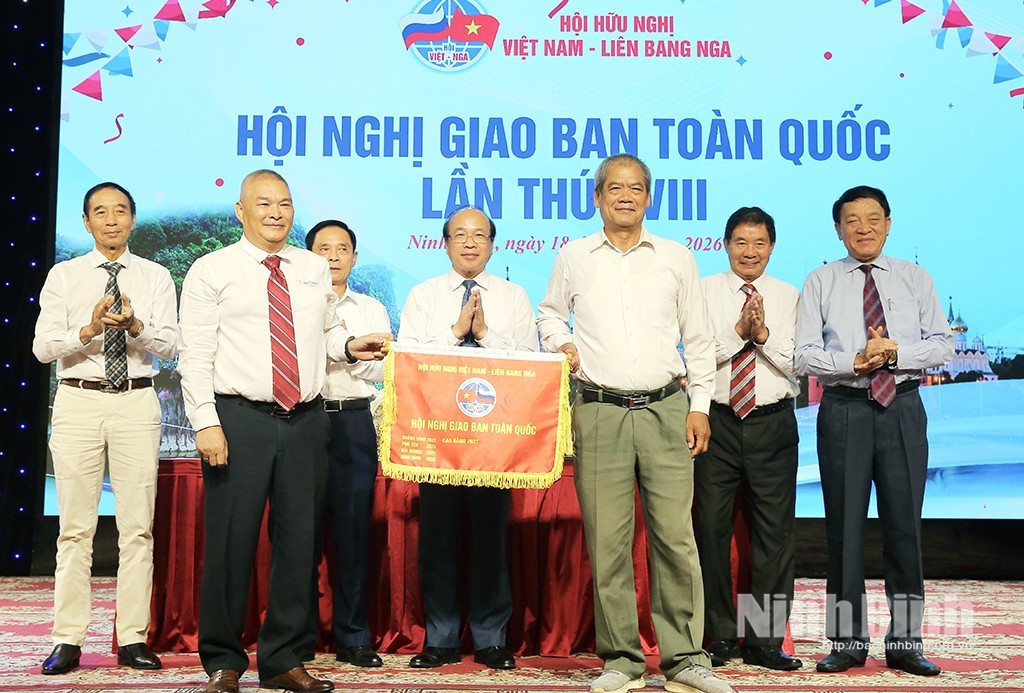
Vietnam-Russia Friendship Association to Consolidate Local Chapters Following Administrative Merger
 Friendship
Vietnam-Germany Friendship Association Advances Cooperation Agreement to Strengthen People-to-People Ties
 Friendship
Hai Phong Mobilizes Over USD 1.36 Million in Non-Governmental Aid
 Friendship
Quang Ninh and Hanoi Friendship Unions of Friendship Organizations Strengthen Cooperation in People-to-People Diplomacy
 Friendship
Vietnam and Greece Promote Substantive and Effective Cooperation
 Friendship
“Encountering the Japanese Language in My Youth Was the Greatest Blessing of My Life”
 Friendship