
Thousands turn out to catch special super blue blood moon
(VNF) - People worldwide turned out on Wednesday night (Jan 31) to catch a much-anticipated special lunar eclipse.
Combining a blue moon, a super moon and a total eclipse, the rare spectacle has been called a "super blue blood moon" by the National Aeronautics and Space Administration (NASA) and last happened 152 years ago in 1866.
 |
Astrophotographer James Jordan captured this view of the Super Blue Blood Moon at totality from Oakland, California. Credit: James Jordan
 |
Astrophotographer Steve Scanlon captured this photo of the Super Blue Blood Moon over Locust, New Jersey at 6:53 a.m. EST (1153 GMT). Credit: Steve Scanlon
For Australia, Asia and some parts of the US and Eastern Europe, there was a lunar eclipse, as the Earth passed between the Sun and the Moon.
On the very same night, our only natural satellite entered the closest point to us in its elliptical orbit.
It is also the second full Moon of the month, commonly called a blue moon.
The eclipse began at 10:51 GMT and ended at 16:08 GMT.
The word "blood" has been used to describe the deep red colour of the sunlight that passes through Earth's atmosphere to illuminate our celestial neighbour.
This red glow was produced by the same effect that gave us blue skies and red sunsets, Dr. Shannon Schmoll, director of Abrams Planetarium in Michigan, said.
"Some sunlight is skimming through the Earth's atmosphere on its way to the Moon, and it also gets refracted or bent towards the Moon a little bit," she said.
"So, we have this process of filtering out the blue light and leaving the red light to see.
"And then having that light bent a little bit toward the Moon."
Dr. Schmoll said the coincidence of these three lunar events was a "good excuse to go out and look at the night sky".
"I know some people did not like the term supermoon, since it's not always obvious how much bigger it is," said Dr Schmoll.
The supermoon should appear about 7% larger than average and about 15% brighter.
 |
Lunar eclipse of a full "Blue Moon" is seen behind the ferris wheel on the Santa Monica Pier. (Reuters)
A Blue Moon is when two full moons happen in the same calendar month; lunar eclipses occur when the moon passes into Earth's shadow; and supermoons happen when the moon's perigee — its closest approach to Earth in a single orbit — coincides with a full moon. In this case, the supermoon also happens to be the day of the lunar eclipse./.
VNF



Most read





Recommended
 Handbook
New VAT Refund Rules for Goods Purchased by Foreigners and Overseas Vietnamese upon Departure from Vietnam
 Handbook
Conclusion No. 57-KL/TW: Highest Priority to the Search, Recovery, and Identification of Fallen Soldiers' Remains
 Handbook
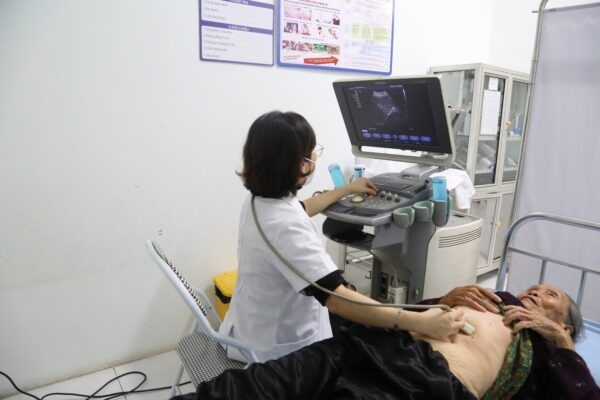
Elderly to Receive Free Annual Health Check-ups at Least Once a Year In Vietnam
 Handbook
Hanoi Recognizes Additional Historical and Scenic Sites
Popular article
 Handbook
Plan for Organizing “Vietnam Culture Day” for 2026-2030 Period
 Handbook
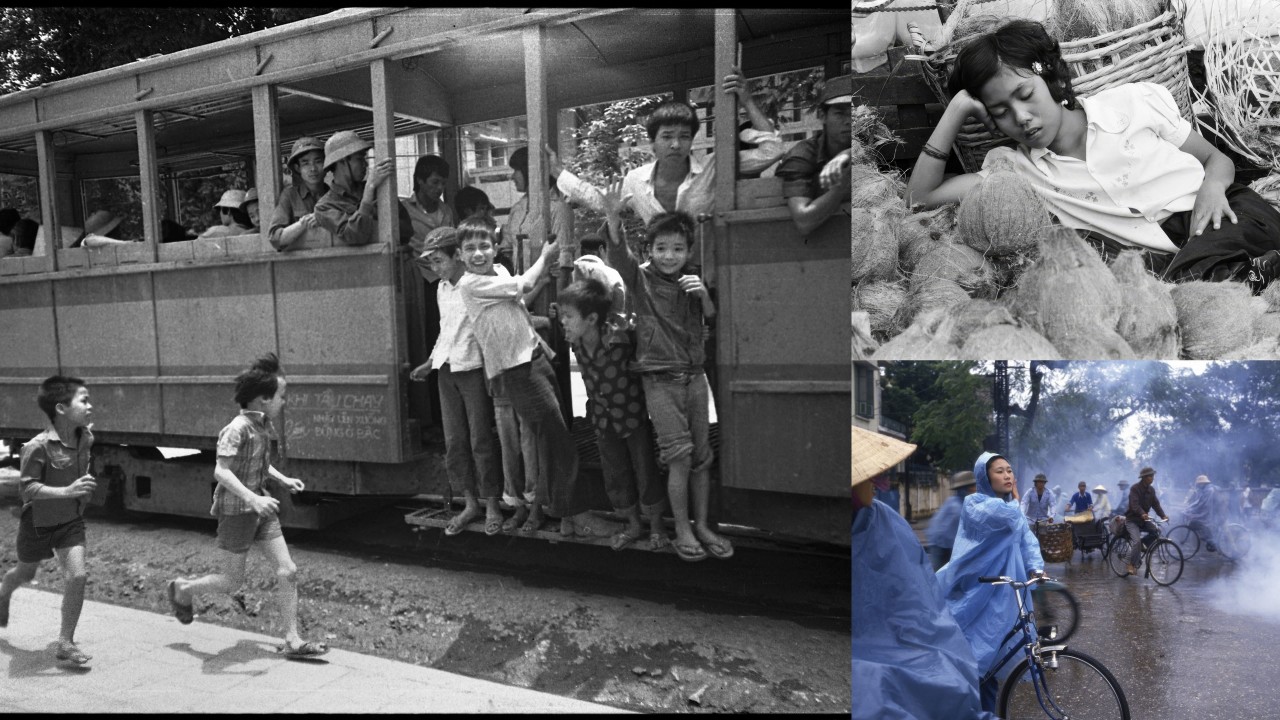
Photo Exhibition by Three French Photographers on Vietnam
 Handbook
Free Film Week for International Children's Day Held Nationwide
 Handbook