
Turning Vietnamese Cuisine into Tourism Asset
| Vietnamese Banh My Shines on Global Culinary Map Vietnam Leads World's Top Culinary Destinations |
The result once again affirms the appeal of Vietnamese cuisine while opening up opportunities to leverage food as a vibrant expression of the cultural identity of different regions and enrich visitors’ experiences as they explore Vietnam.
Vietnamese cuisine is increasingly recognized and highly appreciated by international audiences. At the World Culinary Awards, Vietnam was named Asia’s Best Culinary Destination in 2022 and 2025.
In 2025 alone, travel website CNN Travel included Vietnamese banh mi on its list of the world’s 25 best sandwiches. Hanoi was voted Asia’s Best Emerging Culinary City Destination, while Vietnam ranked 16th on the list of the world’s 100 best cuisines published by Taste Atlas, known as a global culinary map.
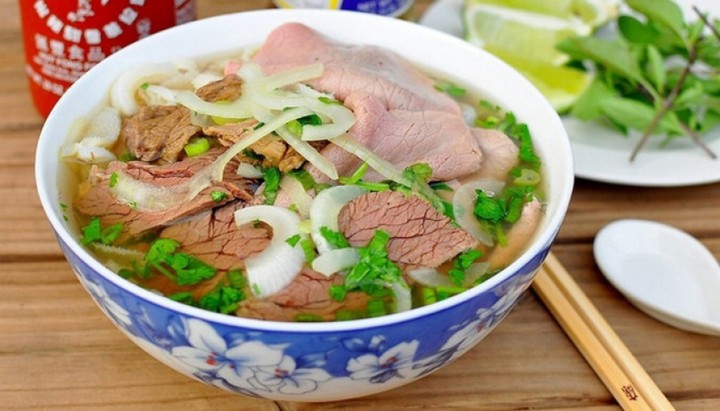 |
| Pho is not only a beloved dish among Vietnamese people but also captivates many international visitors (Illustrative Photo). |
Gwendal Poullennec, International Director of the Michelin Guide, said Vietnamese cuisine is increasingly confident in asserting its unique identity, with a new generation of young chefs trained overseas choosing to return home to create dishes based on local ingredients, cultural memories, and national pride.
Although each award has different criteria, Vietnam’s frequent presence on the international culinary map demonstrates a significant competitive advantage.
Each region has its own flavors, ingredients, preparation methods, and cultural stories. This diversity and authenticity create an appeal that few countries can easily replicate.
Current tourism trends further underscore the appeal of cuisine. TravelBoom’s 2026 Leisure Travel Study in the United States found that 79.8% of respondents considered cuisine an important or very important factor when choosing a destination, while 65.8% were interested in street food experiences.
Research by UN Tourism and the World Food Travel Association also showed that spending on food and beverages accounts for 25-35% of the total cost of a trip.
This spending not only generates direct revenue for the tourism sector but also creates spillover benefits for the night-time economy, cultural industries, and regional linkages, while encouraging visitors to extend their stays.
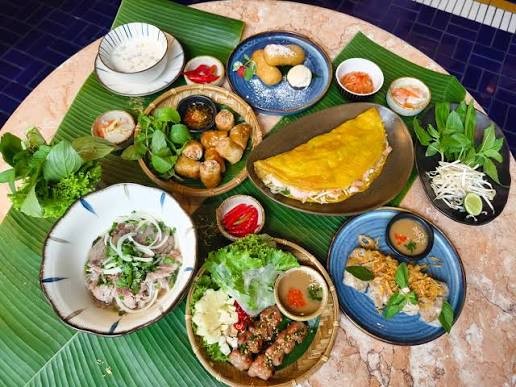 |
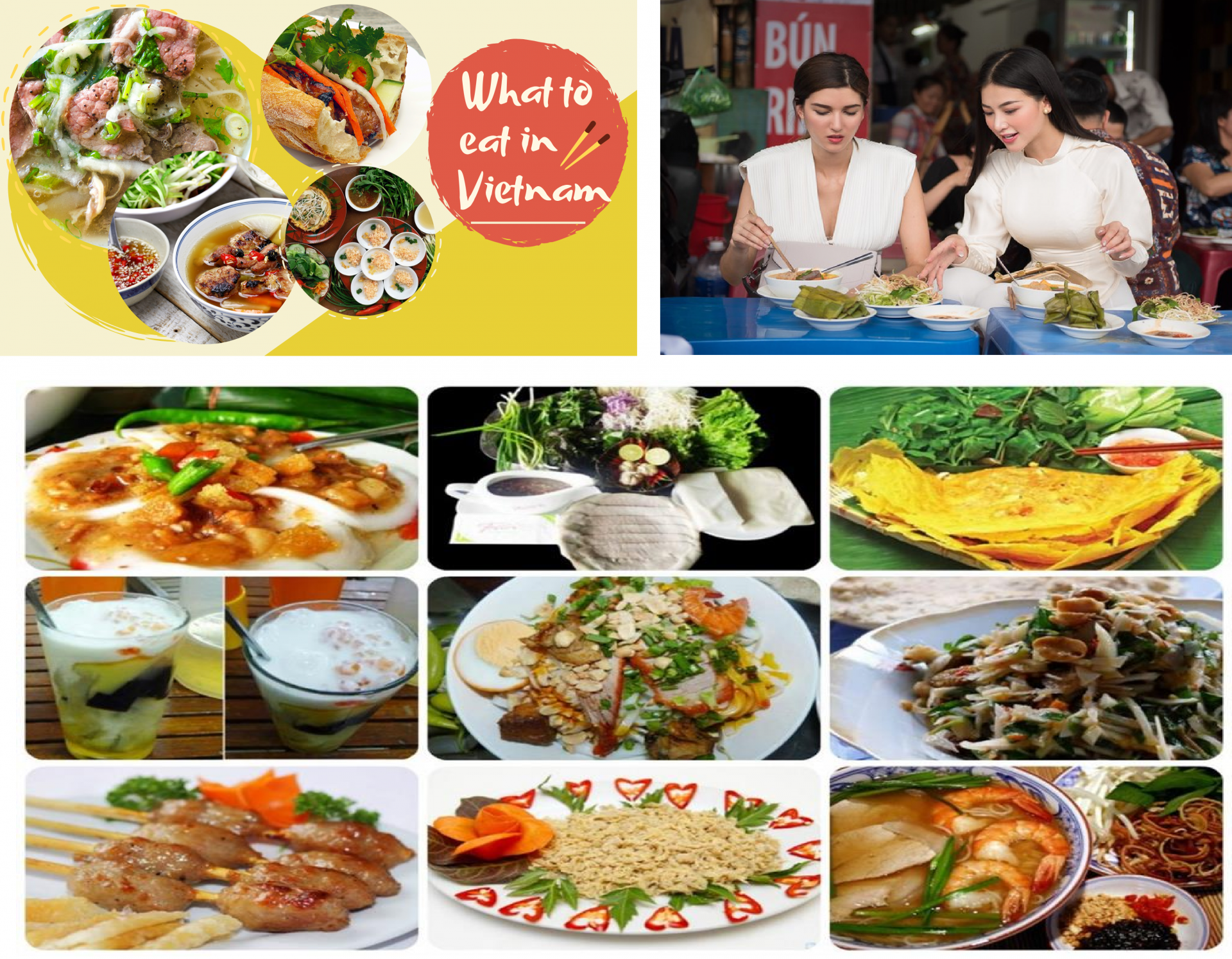
| Vietnam is renowned for its diverse cuisine (Illustrative Photo). |
This advantage is particularly significant as the number of international visitors to Vietnam continues to rise. In the first seven months of 2026, Vietnam welcomed 13.9 million international arrivals, an increase of 13.8% compared with the same period in 2025.
According to the National Statistics Office under the Ministry of Finance, natural landscapes, culture, cuisine, diverse tourism products, favorable visa policies, and reasonable costs are among the factors attracting visitors to Vietnam.
Despite its great potential, having many delicious and famous dishes does not automatically translate into a strong culinary tourism product.
At that point, the value of a meal expands into the value of an entire journey. Visitors’ spending can also reach craft households, tour guides, accommodation providers, and many other local services.
Tourism products should be developed with quality, sustainability, and visitor experience at the center. Restaurants, markets, craft villages, ingredient-producing areas, heritage sites, and community activities cannot operate separately. Instead, they need to be connected into an attractive journey that encourages visitors to spend more time and money.
Many experts believe Vietnam needs a systematic approach. Localities should identify distinctive values, develop stories about their regions, and turn them into experiences. Travel companies should connect these destinations into marketable products, while restaurants and service providers ensure quality. Communities should preserve their crafts, dishes, and indigenous knowledge, while the media and digital platforms help culinary stories reach potential visitors at the right time as they search for information and plan their trips.
The development of culinary tourism should also avoid damaging the environments that have shaped and nurtured the distinctive dishes of each locality. A market should first and foremost remain a place where local residents live and interact; craft villages need to sustain themselves through their traditional trades; and regional dishes should not be altered merely to satisfy temporary tourist preferences.
When ingredient producers, cooks, and tradition bearers receive fair benefits from tourism, they will have greater motivation to preserve the values that create a destination’s appeal.
Alongside the appeal of food come requirements concerning food safety and hygiene, ingredient sources, transparent pricing, service quality, foreign-language capabilities, payment methods, and convenient access to information.
An attractive promotional image may bring visitors for the first time, but their actual experience determines whether they will recommend the destination to others or want to return. Only then can the strength of cuisine truly become the strength of the destination, paving the way for sustainable tourism development.
 Vietnamese Culinary Art Stuns Global Diners Vietnamese Culinary Art Stuns Global Diners Vietnamese cuisine has recently gained prominence, receiving honors at prestigious global awards, impressing attendees at international festivals, and being introduced by notable politicians and business leaders. Its allure, diversity, and rich cultural identity have become valuable resources, positively promoting the country and its people. |
 ASEAN Cultural and Culinary Bazaar 2025 ASEAN Cultural and Culinary Bazaar 2025 The embassies of the member countries of the Association of Southeast Asian Nations (ASEAN) in the Kingdom of Cambodia organized the ASEAN Cultural and Culinary Bazaar 2025 on September 13. |
Most read

Proactively Identifying Development Needs to Expand Cooperation with Foreign NGOs


Viet Nam, US Strengthen Technological Cooperation and Use of Archival Records to Search for Fallen Soldiers’ Remains


Related Stories
 Overseas Vietnamese
Vietnamese Cuisine Builds Cultural Bridges in Hwaseong
 Friendship
A Misfortune Turned into Happiness
 National
Vietnam News Today (Aug. 17): Vietnam, US Expand Cooperation to Tackle Agent Orange Impacts
 National
Vietnam News Today (July 14): Vietnam, Indonesia Chart New Strategic Cooperation Agenda
Recommended
 Travel
Viet Nam Promotes Tourism at Warsaw International Travel Fair (Poland)
 Travel
Viet Nam, Austria Boost Tourism Cooperation and Destination Connectivity
 Travel
Viet Nam Promotes Tourism in Hungary
 Travel
Phu Quoc Tops Asia’s Most Beloved Islands List for 2026
Popular article
 Travel
A Colorful Celebration of South Korea and Vietnam Cultures in Phu Quoc
 Travel
Routard (France) Hails Ha Long Bay’s Timeless Beauty
 Travel
Viet Nam Welcomes More Than 17.7 Million International Visitors in First Nine Months
 Travel