
Vietnam Strengthens Cross-Sector Fight against Invasive Species to Meet Biodiversity Goals
 | Phong Nha-Ke Bang, Yorkshire Dales Cooperate On Biodiversity And Cave Exploration |
| WWF Supports Quang Tri in Biodiversity Conservation |
On July 31, 2025, nearly 100 participants from ministries, local authorities, national parks, nature reserves, international organizations, research institutes, and private enterprises attended the National Workshop on Enhancing the Management of Invasive Alien Species. The event was co-organized by the Ministry of Agriculture and Environment and the United Nations Development Programme (UNDP).
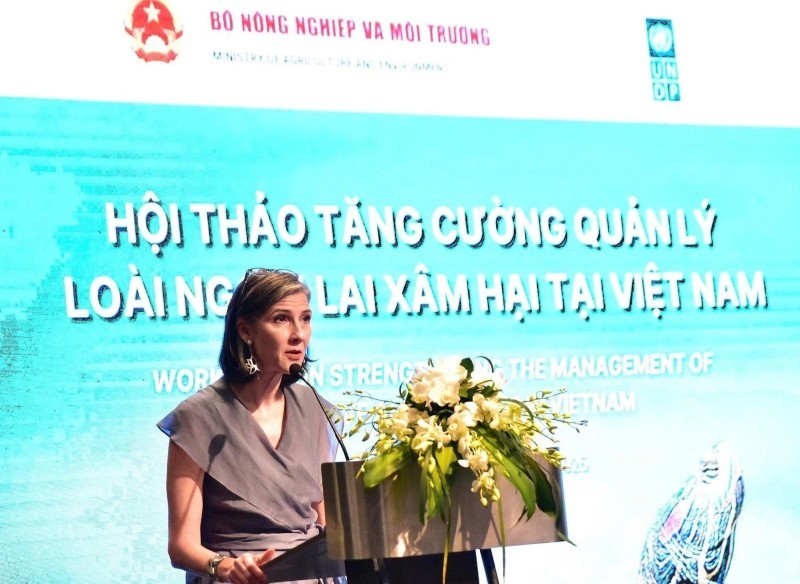 |
| Resident Representative of the United Nations Development Programme (UNDP) in Vietnam Ramla Khalidi speaks at the workshop. |
According to the 2023 report by the Intergovernmental Science-Policy Platform on Biodiversity and Ecosystem Services (IPBES), invasive alien species are among the top five drivers of global biodiversity loss.
Over 3,500 harmful species have been identified globally, resulting in an estimated annual economic loss of approximately USD 420 billion. On average, 200 new species are introduced into ecosystems each year due to human activities, and without timely intervention, this number is expected to rise sharply in the coming decades.
The IPBES report also stresses that prevention is the most effective and cost-efficient solution, especially for sensitive ecosystems such as islands and inland waters.
Early detection and rapid response can help contain, manage, and restore ecosystems affected by invasive species. However, 83% of countries have yet to implement specific legislation to prevent and control invasive alien species.
In Vietnam, species such as the golden apple snail, Mimosa pigra, and water hyacinth are causing significant damage to agriculture, freshwater ecosystems, and local livelihoods.
The lack of long-term monitoring data, limited resources, weak intersectoral coordination, and low public awareness currently hinders efforts to control invasive species.
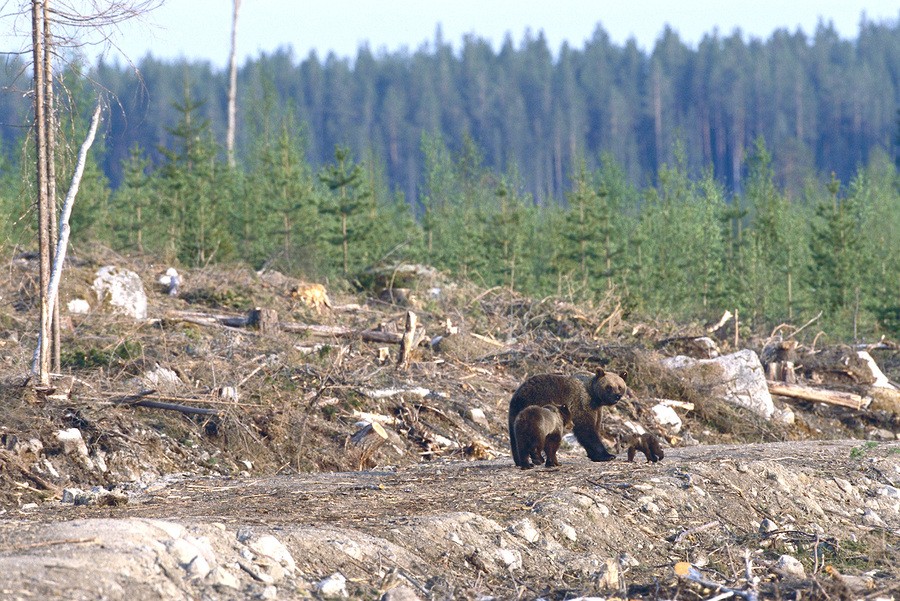 |
| Biodiversity Loss in Vietnam (Illustrative Photo) |
Speaking at the workshop, Deputy Minister of Agriculture and Environment Nguyen Quoc Tri emphasized that invasive alien species not only threaten ecological balance but also directly affect community well-being and the national economy.
He noted that the workshop serves as a vital platform to share experiences, management models, and effective control techniques, contributing to the implementation of the National Biodiversity Strategy to 2030, with a vision to 2050.
Ramla Khalidi, UNDP Resident Representative in Vietnam, stated that addressing invasive alien species is not just about protecting ecosystems - it is also about protecting people, health, livelihoods, and our shared future.
She emphasized that every step in the invasion process matters, and every delay comes at a cost. According to her, policies and institutions are essential but not sufficient; active participation from communities, the private sector, and local capacities is also critical.
During the workshop, participants shared various successful management models. One notable example is the control of Mimosa pigra in Tram Chim National Park (Dong Thap province), where invasive coverage dropped dramatically from over 2,000 hectares in 2006 to just 22 hectares by 2024, thanks to a combination of ecological methods and water regulation strategies.
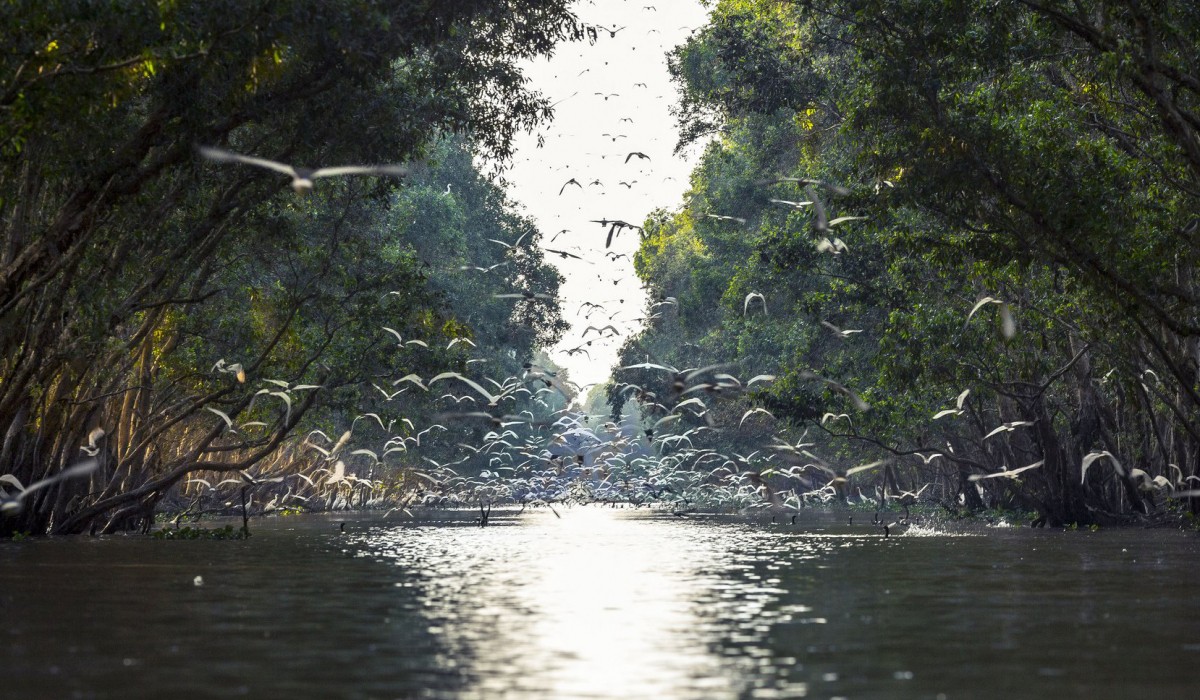 |
| Tram Chim National Park, Dong Thap Province (Photo: Tram Chim National Park) |
Meanwhile, in the Mekong Delta, water hyacinth is being collected and processed into organic fertilizer, animal feed, and handicrafts - helping both to control invasive biomass and create livelihoods for local communities.
The workshop also introduced a draft circular on the list of invasive alien species, which outlines procedures for investigation, identification, assessment, and publication of official species lists, creating a legal and standardized foundation for management efforts.
Experts from Vietnam and abroad presented modern monitoring tools and technologies such as environmental DNA (eDNA), drone-based remote sensing, species distribution modeling, artificial intelligence, and bioacoustic recording -promising approaches for early detection and rapid response to biological invasions.
Delegates agreed that to achieve the goals of the National Biodiversity Strategy and Target 6 of the Kunming-Montreal Global Biodiversity Framework, Vietnam must strengthen cross-sectoral cooperation among agriculture, environment, quarantine, transportation, fisheries, and forestry sectors.
In addition, greater community participation, public awareness, and the involvement of the private sector and local organizations are essential for effective prevention and management of invasive alien species.
 | Dr. Dang Huy Huynh: Lifetime scientist and hero of biodiversity The 89-year-old scientist Dang Huy Huynh does not need a cape to save lives. To millions of silent trees and flowers in the middle of ... |
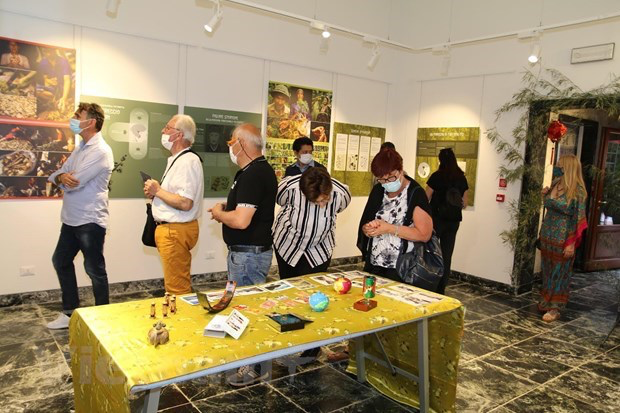 | Vietnamese biodiversity, traditional medicine presented in Italy An exhibition on biodiversity in Tay Yen Tu Nature Reserve and Vietnamese traditional medicine was held in Italy’s Abano Terme city of Padova province on ... |


Most read


Poland Inaugurates Memorial Plaque Honouring Architect Who Helped Preserve Hoi An

First Congress of the Dong Thap Union of Friendship Organizations for the 2026-2031 Term


Related Stories
 Vietnamese Culture
Ireland and UNDP Deepen Partnership to Promote Inclusive Governance in Vietnam
 Vietnamese Culture
Primaklima e.V. Supports Quang Tri in Enhancing Biodiversity
 Friendship
Effort to Rebuild Lives in Yen Bai After Typhoon Yagi
 Vietnamese Culture
Almost 5.000 Flood-resistant Houses Built in 7 Vietnamese Provinces
Recommended
 Expats in Vietnam
I Chose to Stay Because There Is Still So Much I Don’t Know About Viet Nam
 Vietnamese Culture
Learning to Livestream Agricultural Products
 Vietnamese Culture
Italian Ambassador to Viet Nam: Culture Brings Peoples of Two Countries Closer Together
 Vietnamese Culture
The Joy of Work for Agent Orange Victims
Popular article
 Expats in Vietnam
Football and Friendship Unite 20 International Teams in Hanoi
 Vietnamese Culture
Over 2,300 Hai Phong Students Gain Access to STEAM Learning Spaces and Psychological Counseling
 Vietnamese Culture
260 Households in Lai Chau Receive Emergency Aid Following Floods and Landslides
 Vietnamese Culture