
50 Years of Vietnam-Thailand Relations: From Ho Chi Minh’s Legacy to a Comprehensive Strategic Partnership
 | Inauguration of President Ho Chi Minh’s Stilt House in Udon Thani, Thailand |
| Many Practical Vietnam-Thailand People-to-People Exchanges to Be Held in 2026 |
The year 2026 marks a special milestone in Vietnam-Thailand relations as the two countries celebrate the 50th anniversary of diplomatic ties.
Recently, The Nation Thailand published an article titled “From Ho Chi Minh’s Legacy to a Comprehensive Strategic Partnership,” emphasizing that President Ho Chi Minh’s humanitarian legacy has served as a crucial foundation for fostering and developing friendship between the two nations.
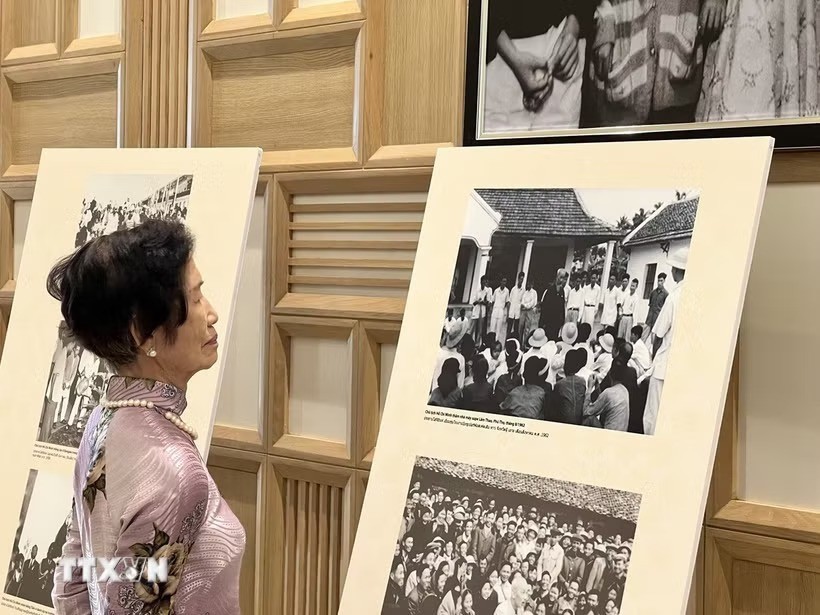 |
| A Vietnamese expatriate in Udon Thani reflects emotionally on archival photographs of President Ho Chi Minh at the exhibition “Ho Chi Minh - Symbol of the Era: A Bridge of Vietnam-Thailand Friendship” held in Udon Thani, Thailand, in 2025. (Photo: Do Sinh/VNA) |
According to the article, President Ho Chi Minh first arrived in Thailand in July 1928 with the aim of inspiring patriotism among the Vietnamese community there, laying the groundwork for the struggle against French colonialism in Vietnam. During nearly two years of activities in Thailand, he traveled to many localities, including Bangkok, Ban Dong (Phichit), and northeastern provinces such as Udon Thani, Sakon Nakhon, Nakhon Phanom, Amnat Charoen, Ubon Ratchathani, Mukdahan, and Nong Khai.
Although his time living and working in Thailand was relatively brief, the sincere affection and support of the Thai people left a profound impression on President Ho Chi Minh. He consistently encouraged the Vietnamese community to work diligently, live honestly, obey the law, and respect Thai customs and traditions. He emphasized the importance of solidarity between the Vietnamese community and the local population, while affirming the close ties between the two nations.
President Ho Chi Minh’s diplomatic philosophy of “making more friends and fewer enemies” also played a significant role in laying the foundation for a flexible and humane international approach. This principle emphasizes building trust, enhancing mutual understanding, and respecting differences in order to expand cooperation and reduce conflict. The article noted that, in Vietnam-Thailand relations, this spirit has been reflected in the promotion of good neighborliness and the sharing of East Asian cultural values such as community spirit, hospitality, and moral standards, thereby creating a sustainable foundation for long-term cooperation.
Immediately after Pridi Banomyong came to power in Thailand in 1946, the Thai Government carried out numerous activities to support Vietnam, particularly in the diplomatic sphere during the early period following Vietnam’s independence.
In August 1946, the Representative Office of the Vietnamese Government was established in Bangkok (known as the Mission), based on a letter of introduction signed by Acting President Huynh Thuc Khang on July 7, 1946.
The office was responsible for liaising with governments and diplomatic agencies, while also serving as a focal point connecting Vietnamese communities around the world and mobilizing support for the resistance movement at home.
The office also maintained an information division that published materials in Vietnamese, Thai, and English for distribution to overseas Vietnamese, diplomatic agencies, and international organizations. As a result, Vietnam’s position and image on the international stage were enhanced, laying an important foundation for international support for the Vietnamese people’s resistance struggle.
Clearer signals regarding the establishment of diplomatic relations were conveyed in a speech delivered by Thai Prime Minister Kukrit Pramoj on September 5, 1975, in which he emphasized that Thailand would continue pursuing a policy of friendship with neighboring countries and expressed the desire to open a liaison office in Hanoi as soon as possible.
In August 1976, a Thai Government delegation traveled to Hanoi for official negotiations on the establishment of diplomatic relations. Although the discussions involved many tense debates, both sides maintained a spirit of frankness, openness, and mutual respect. On August 6, 1976, the two sides signed the “Joint Communiqué on the Establishment of Vietnam-Thailand Diplomatic Relations,” marking the official beginning of bilateral relations.
Vietnam-Thailand relations truly flourished following Prime Minister Pham Van Dong’s visit to Thailand in September 1978.
After General Secretary Do Muoi’s visit to Thailand in October 1993, and especially after Vietnam joined ASEAN in 1995, bilateral relations continued to be strengthened and expanded.
In February 2004, the two countries issued the Joint Declaration on the Framework of Vietnam-Thailand Cooperation.
Notably, General Secretary Nguyen Phu Trong’s visit to Thailand from June 25-27, 2013 elevated bilateral ties to a “Strategic Partnership,” making Vietnam and Thailand the first two ASEAN member states to establish such a framework.
The Action Programme for the Implementation of the Strategic Partnership for the 2014-2018 period was signed during Thai Prime Minister Prayut Chan-o-cha’s official visit to Vietnam in November 2014.
The process of upgrading relations from a Strategic Partnership (2013) to a Comprehensive Strategic Partnership (2025) reflects the profound and comprehensive development of bilateral ties.
Since 2013, cooperation between the two countries has been strengthened across politics, defense, economy, trade, and people-to-people exchanges. Bilateral trade has maintained stable growth, while the expansion of high-level dialogue and cooperation mechanisms has created a solid foundation for bilateral relations.
Within ASEAN, the two sides have promoted intra-bloc solidarity and ASEAN centrality; within APEC, both countries have contributed initiatives on free trade and sustainable development.
In Mekong subregional cooperation, the two countries have focused on water resource management, infrastructure development, and economic connectivity.
These efforts have contributed to enhancing strategic trust and raising the international standing of both nations.
Based on the foundation of the Comprehensive Strategic Partnership, realizing the vision of the “Three Connections” has been identified as the central direction for enhancing bilateral cooperation amid the rapid restructuring of the regional economy.
Supply chain connectivity focuses on linking supporting industries, particularly in the automotive and electronics sectors; connectivity between production bases and businesses aims to expand markets and promote investment; and sustainable development connectivity seeks to align Vietnam’s green growth strategy with Thailand’s Bio-Circular-Green (BCG) Economy model, opening prospects for deeper cooperation in clean energy, green manufacturing, and the circular economy.
The Vietnamese community in Thailand continues to play an important role not only in the economy, but also in people-to-people diplomacy, culture, and society. While integrating into local society, they also preserve their identity, serving as an effective bridge in strengthening the traditional Vietnam-Thailand relationship.
Looking ahead to the next 50 years, Vietnam-Thailand relations are expected to develop in a deeper, more sustainable, and more flexible manner, with strengthened cooperation in energy, digital transformation, climate change adaptation, human resource development, and public-private partnerships, thereby contributing to peace, stability, and shared prosperity in the region.
The article concludes that after 50 years, Vietnam-Thailand relations have evolved beyond the framework of friendly neighbors to become one of the most dynamic and substantive models of intra-ASEAN cooperation in Southeast Asia.
From the historical legacy of President Ho Chi Minh to a strategic vision for the future, the two countries are building the foundation for a new phase of broader and deeper cooperation, not only for bilateral interests but also for the peace, stability, and shared prosperity of the region.
 | Thai Scholar: Vietnam’s Development Success Is a Model Worth Learning From According to Dr. Thanyathip Sripana (a Vietnam studies scholar at Chulalongkorn University and an adviser to the Thailand-Vietnam Friendship Association), Vietnam’s development process over the ... |
 | Vietnam-Thailand Promote Academic Exchange and Joint Research Udon Thani Rajabhat University has always attached importance to developing international cooperation, with a particular focus on strengthening collaboration with partners from Vietnam. |
Related Stories
 World
World
Thailand Updates Visa-free Rules
 Friendship
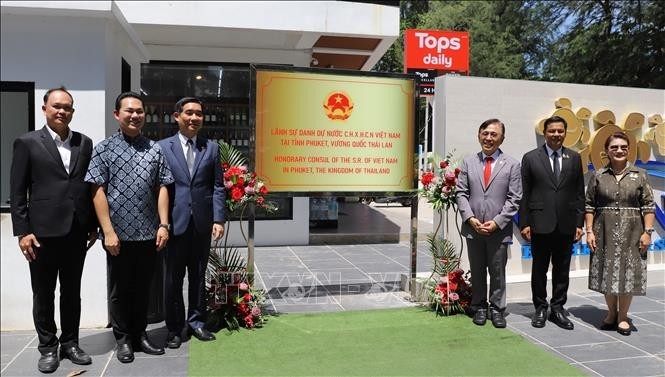
Vietnam Establishes First Honorary Consulate in Thailand
Recommended
 Friendship
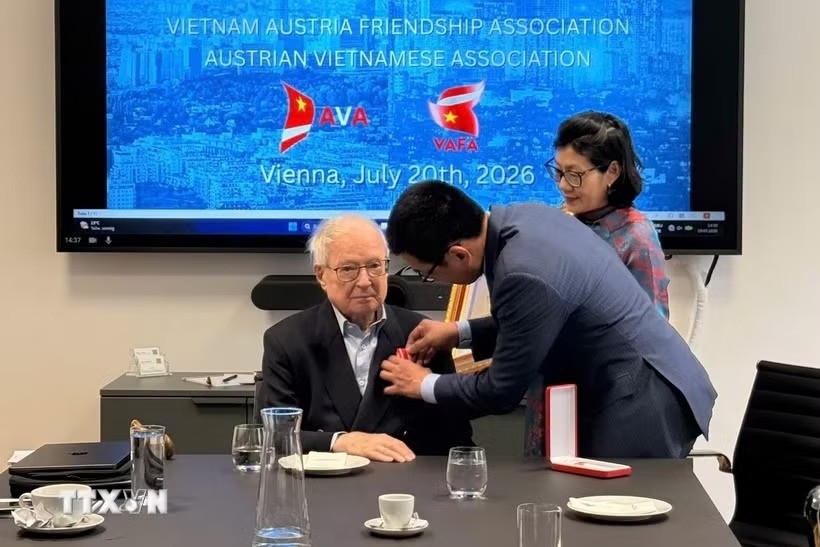
Friendship Order Conferred on Peter Jankowitsch and Austria-Vietnam Society
 Friendship
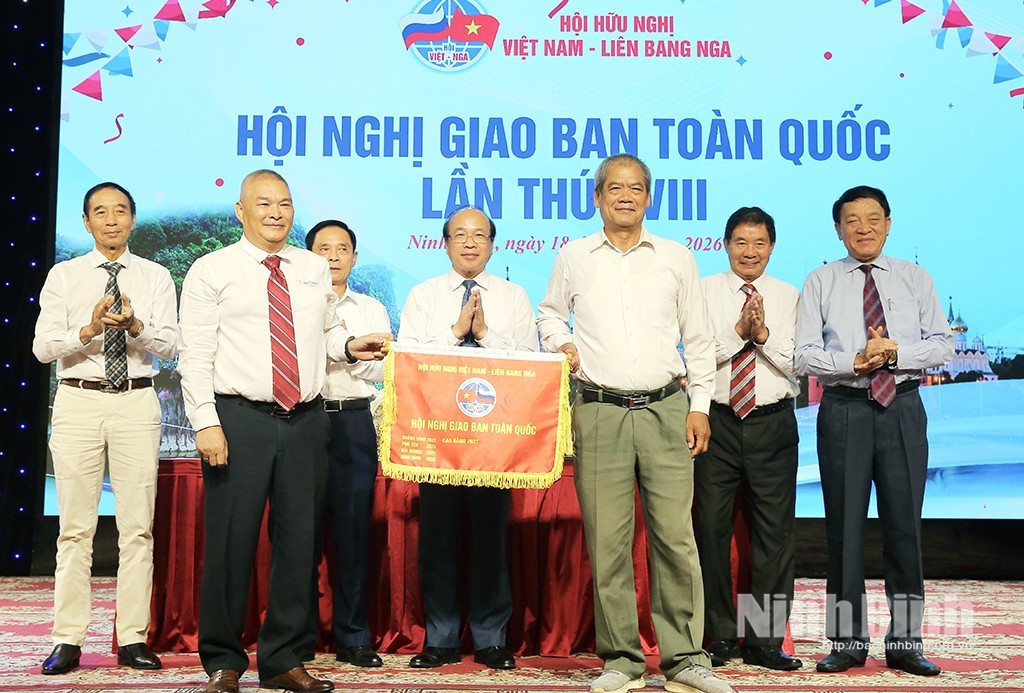
Vietnam-Russia Friendship Association to Consolidate Local Chapters Following Administrative Merger
 Friendship
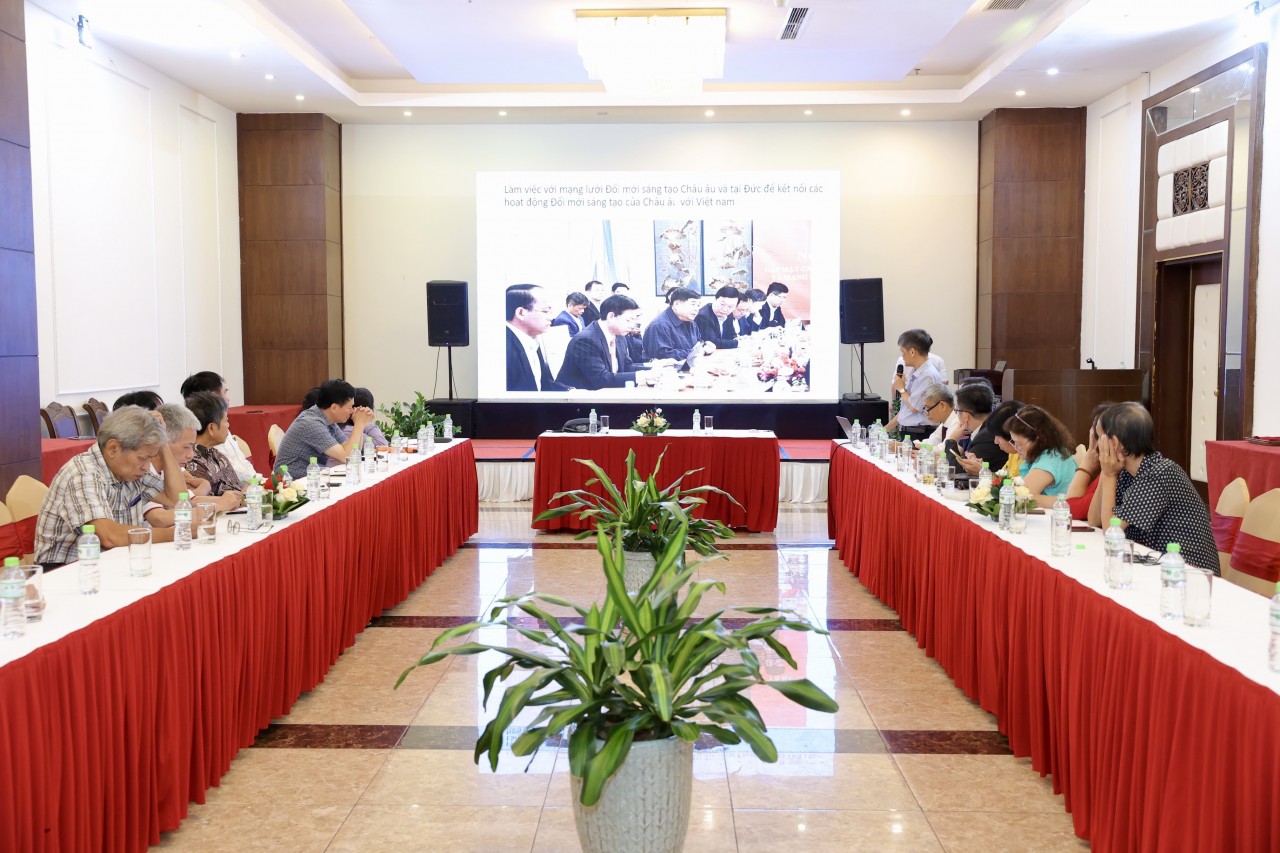
Vietnam-Germany Friendship Association Advances Cooperation Agreement to Strengthen People-to-People Ties
 Friendship
Hai Phong Mobilizes Over USD 1.36 Million in Non-Governmental Aid
 Friendship
Quang Ninh and Hanoi Friendship Unions of Friendship Organizations Strengthen Cooperation in People-to-People Diplomacy
 Friendship
Vietnam and Greece Promote Substantive and Effective Cooperation
 Friendship
“Encountering the Japanese Language in My Youth Was the Greatest Blessing of My Life”
 Friendship