
Four Fundamental Principles Ensuring Democracy in Vietnam’s Elections
 | The 1946 General Election: A Choice Made by Leaders for the Nation’s Future |
| 80 years of Vietnam’s first General Election |
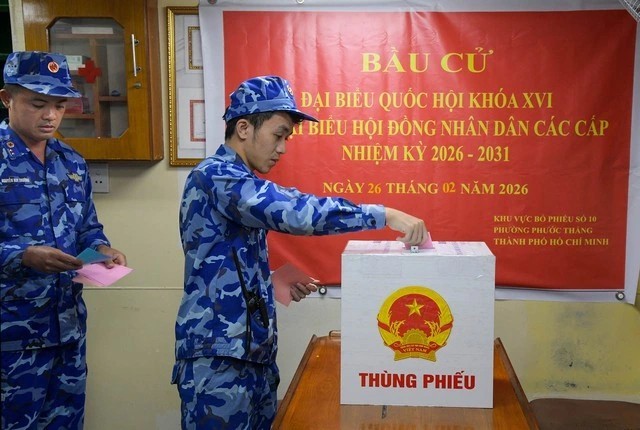 |
| Officers and soldiers aboard Coast Guard vessel CSB 6008 cast their early votes on the night of February 26 in the waters of the Thang Long - Dong Do oil field area (Ho Chi Minh City). (Photo: Polling Station No. 10) |
The principle of universal suffrage
The principle of universal suffrage is the cornerstone of the electoral regime. Under the Constitution, citizens aged 18 and over have the right to vote, and those aged 21 and over have the right to stand for election to the National Assembly and People’s Councils at all levels.
This means that all Vietnamese citizens, regardless of ethnicity, gender, social background, belief, religion, occupation, educational level, place of residence, or economic status, have the right to vote and to stand for election in accordance with the law. This right is restricted only in special cases, such as individuals deprived of the right to vote by a legally effective court judgment or decision; persons sentenced to death who are awaiting execution; individuals serving prison sentences without suspended sentences; and persons who have lost civil act capacity.
The principle of universal suffrage is reflected not only in its recognition in legal documents but also in the practical measures taken to ensure its implementation. The State is responsible for compiling complete and accurate voter lists and for creating favorable conditions for all citizens to exercise their rights, including those in remote, isolated, border, and island areas or those engaged in specific types of work or service. As a result, election day becomes a nationwide political festival, where each ballot represents a citizen’s responsibility toward the future of the country.
The principle of equality
The principle of equality guarantees absolute fairness in citizens’ electoral rights and obligations. This principle is reflected in multiple aspects. First, each citizen may be registered on only one voter list at his or her place of residence; no one may vote in more than one location. Second, each person may stand as a candidate in only one electoral unit at the corresponding level. Third, each voter may cast only one ballot for deputies to the National Assembly and one ballot for deputies to the People’s Council at each level.
More importantly, the legal value of every ballot is the same. There is no distinction between the ballot of a high-ranking official and that of an ordinary worker; between the wealthy and the poor; between men and women; or between urban and rural residents. Every citizen is an equal actor in determining the composition of state power bodies.
In addition, the principle of equality is reflected in the reasonable allocation of the number of deputies among localities, ensuring representation of different regions, ethnic minorities, women, and various social strata. The consultative process for nominating and introducing candidates is conducted in accordance with a strict procedure, ensuring an appropriate representative structure while still respecting the voters’ choice.
The principle of direct voting
The principle of direct voting affirms that voters must personally go to the polling station, directly cast their ballots into the ballot box, and directly decide on the representatives of their choice. The Law on Elections clearly stipulates that voters may not ask others to vote on their behalf, vote by proxy, or vote by mail.
In cases where voters are unable to fill out the ballot themselves, they may ask another person to assist in writing it, but they must personally cast the ballot, and the person providing assistance must ensure the secrecy of the vote. If, due to a disability, a voter is unable to personally place the ballot into the ballot box, he or she may request another person to do so in accordance with his or her expressed will.
To ensure the full implementation of the principle of direct voting, the law provides for the use of mobile ballot boxes in cases where voters are ill, elderly, or disabled and unable to go to the polling station; or for individuals who are being held in temporary detention, temporary custody, or are serving administrative handling measures at compulsory establishments. The election team will bring the ballot box and ballots to the voter’s residence, place of treatment, or detention facility so that the voter may exercise his or her rights.
Practice over successive elections has shown that, whether in border areas, on islands, at sea, or under special circumstances, ensuring that voters can directly exercise their right to vote is always given top priority.
The principle of secret ballot
The principle of secret ballot is an essential condition for safeguarding voters’ freedom of choice. Voters mark their ballots in a private area where no one, including members of the election team, may observe them. No organization or individual is permitted to interfere with, exert pressure on, or influence the marking of the ballot.
The secret ballot helps to limit herd mentality, prevent external influence, and ensure that election results genuinely reflect the will of the People. This principle is widely applied in democracies around the world and is strictly codified within Vietnam’s legal system.
The four principles of universal suffrage, equality, direct voting, and secret ballot do not exist in isolation but are closely interconnected, forming a unified whole. The absence of any one of these four elements would undermine the democratic nature of an election.
The full implementation of these electoral principles is a vivid manifestation of the socialist democratic regime, reflecting that state power belongs to the People. Each ballot is not only a right but also a civic responsibility, contributing to the building of a National Assembly and People’s Councils that truly represent the will and aspirations of the People, serve the interests of the People, and promote the country’s development.
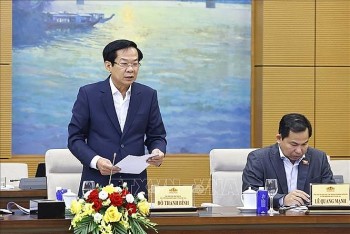 | Application of Population Data and VNeID Enhances Efficiency of Election Organization The utilization of the National Population Database and the VNeID electronic identification application is being implemented in a coordinated manner in preparation for the election ... |
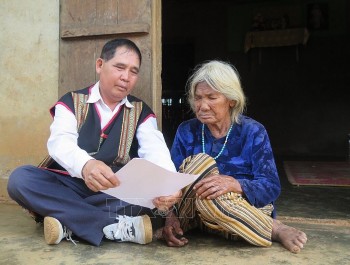 | Bringing Election Information to Every Village, Parish, and Border Area Preparations for March 15 - the election day for deputies to the 16th National Assembly and members of People’s Councils at all levels for the ... |
Related Stories
 National
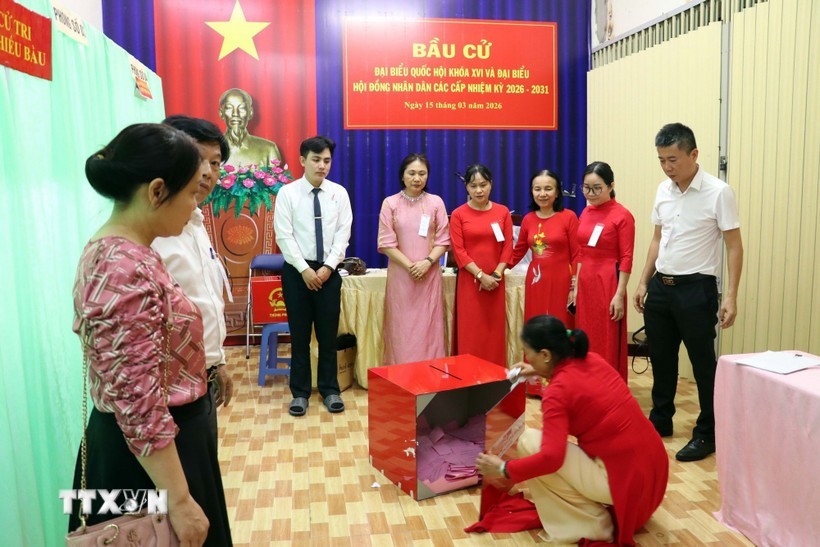
Results of 16th National Assembly Election Expected to be Announced on March 22
 Economy
Confidence of Foreign Business Community in Vietnam
Recommended
 National
Vietnam News Today (July 12): Vietnam Ready to Share Digital Transformation Experience with Timor-Leste
 National
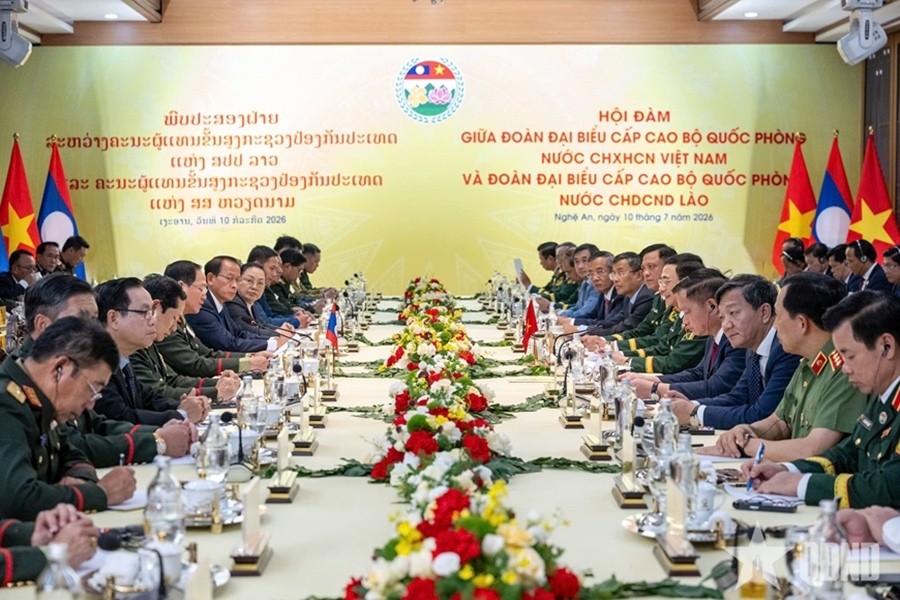
Vietnam News Today (July 11): Vietnam and Laos Agree to Enhance Defense Cooperation
 National
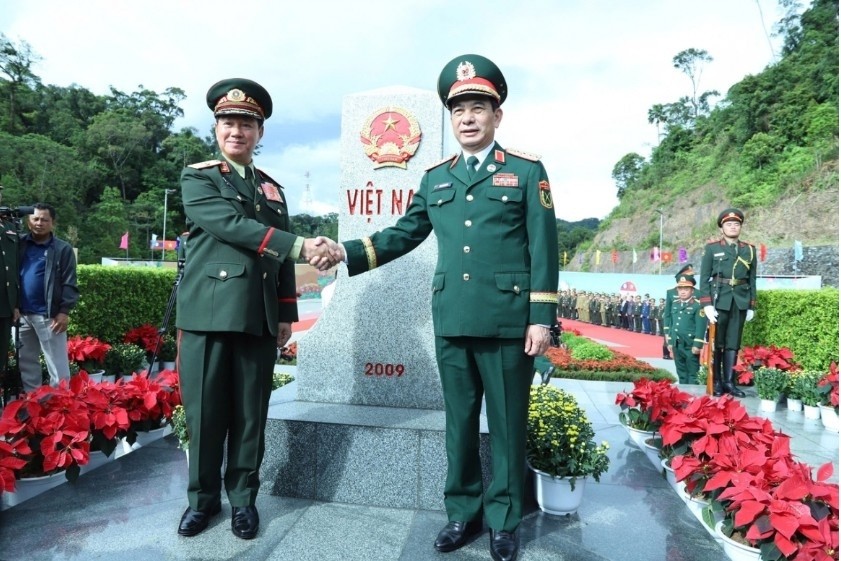
Vietnam News Today (July 10): Third Vietnam-Laos Border Defense Friendship Exchange Gets Underway
 National
Vietnam Looks Forward to New Breakthroughs in Cooperation with the US
 National
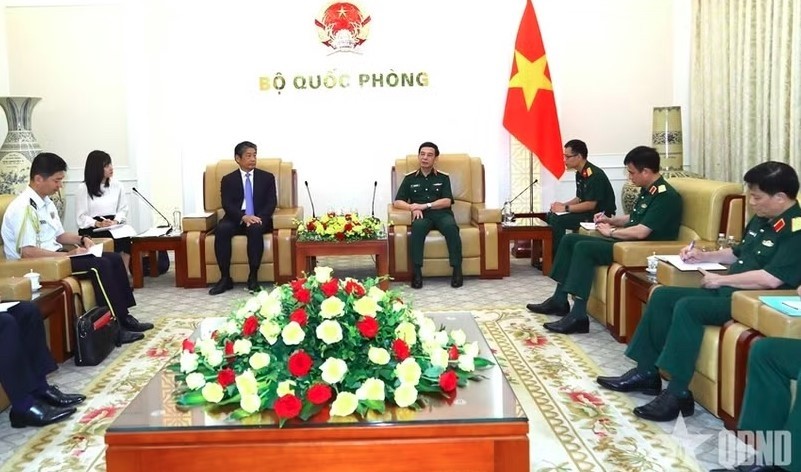
Vietnam News Today (July 9): Vietnam, Japan Seek New Strides in Defense Cooperation
 National
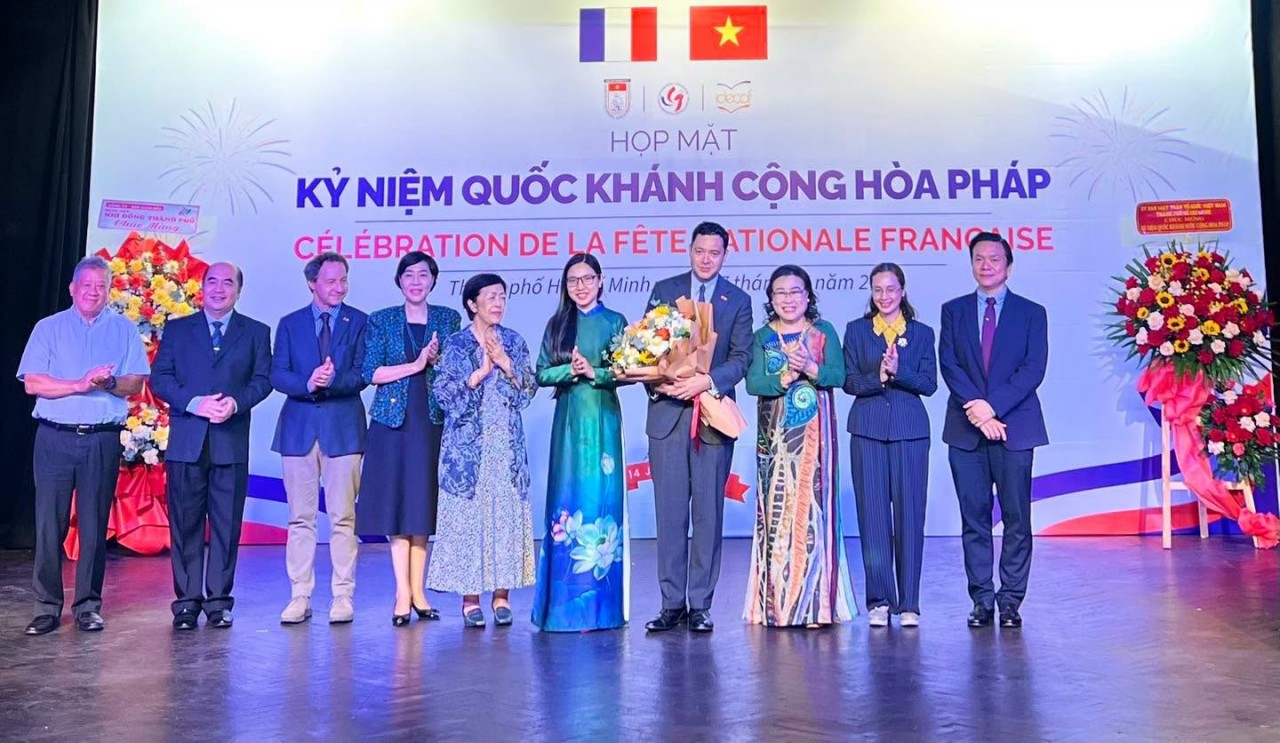
Celebrating French National Day in Ho Chi Minh City
 National
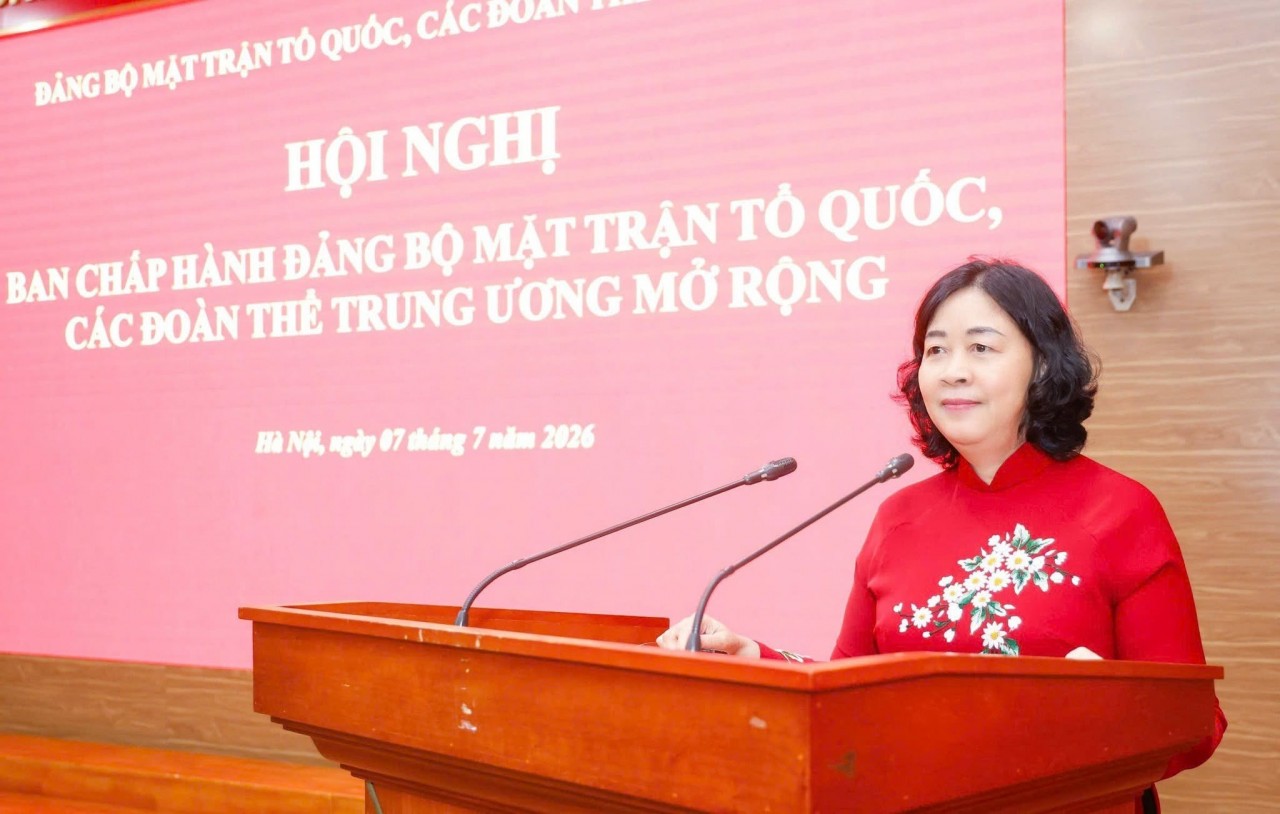
Party Committee of the Viet Nam Fatherland Front and Central Mass Organizations: Accelerate Organizational Streamlining and Digital Transformation in Second Half of Year
 National