
HCMC Steps Up Efforts to Remove IUU “Yellow Card”
 | EC to Conduct IUU Inspection in Vietnam from March 9-19 |
| Bountiful Tuna Season Coupled with Tightened IUU Controls: Khanh Hoa Begins the New Year with Sustainable Fishing |
On March 9, an inspection delegation from the European Commission (EC) arrived in Vietnam to conduct the fifth on-site inspection on the implementation of recommendations against illegal, unreported and unregulated (IUU) fishing.
 |
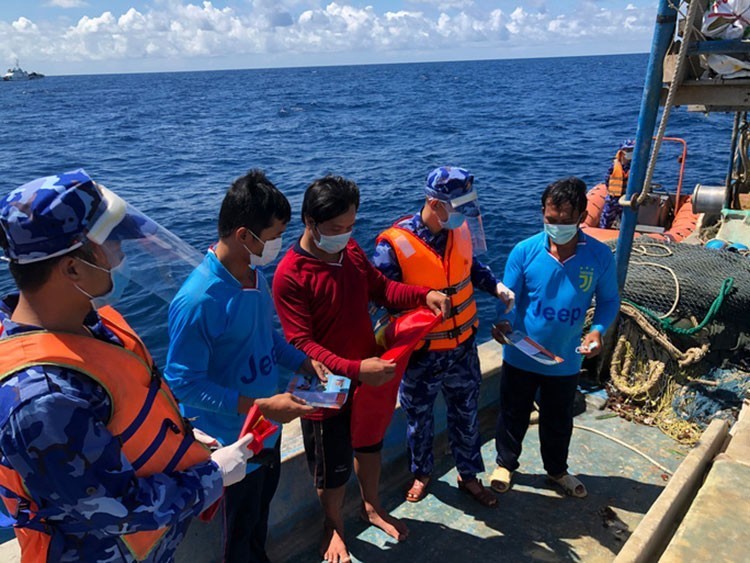
| Maritime law enforcement forces of Ho Chi Minh City present national flags and disseminate information on IUU fishing regulations to fishermen operating at sea. (Photo: Hoang Nhi/VNA) |
As part of the working program, Ho Chi Minh City is among the localities selected for inspection.
This inspection is considered particularly significant, as the results will serve as a basis for the EC to consider lifting the “yellow card” warning imposed on Vietnam’s seafood sector after years of efforts to address the issue.
Recognizing the importance of this task, Ho Chi Minh City has in recent years implemented synchronized and decisive solutions to strengthen fisheries management, tighten control over fishing vessels, and enhance fishermen’s compliance with regulations.
Positive changes in the fight against IUU fishing not only help prepare for the EC inspection but also contribute to the goal of developing the fisheries sector in a sustainable and responsible manner.
Ho Chi Minh City currently has more than 4,450 active fishing vessels. To manage this fleet effectively, the city has reviewed all vessels and updated their information in the national fisheries database (VNFishbase). This important tool enables authorities to monitor the legal status, operational history, and voyage routes of each vessel, thereby improving fisheries management.
For fishing vessels measuring 15 meters or longer - those required by regulations to install vessel monitoring system (VMS) equipment - the installation rate has reached more than 99 percent.
The VMS system allows authorities to continuously track vessel locations at sea and promptly detect cases of signal loss, boundary violations, or signs of operating in foreign waters.
At the same time, coastal localities have focused on closely managing fishing vessels that do not yet meet operational requirements.
The city currently has 400 vessels that do not fully meet the required conditions, including those lacking fishing licenses, inspection certificates, or other necessary legal documentation.
These vessels are listed for monitoring, required to anchor at designated locations, and have their fishing gear sealed to ensure they cannot go to sea until all requirements are met.
In many localities, supervision is conducted regularly and continuously. Authorities check the anchoring locations of vessels, update photos, and submit daily reports to ensure that vessels lacking required conditions do not operate without authorization.
As the locality with the largest number of ineligible fishing vessels in the city, with 191 vessels, Tran Quoc Nhan, Deputy Head of the Economic Office of Long Hai commune, said the locality has established a specialized team to manage such vessels. The vessels are marked with identification signs and equipped with positioning devices for monitoring through software. Authorities take turns supervising vessel activities every two hours to ensure they remain anchored at the designated coordinates listed in the management records.
In Phuoc Thang ward, a fishing vessel management team has also been established to inspect and monitor the anchoring status of vessels. Responsible officials take daily photos, record vessel locations, and update management data. When vessel owners complete the required procedures, the locality will certify that the vessels are eligible to go to sea; otherwise, they must remain anchored.
Along with managing the fishing fleet, Ho Chi Minh City has also strengthened control of fishing activities at fishing ports, which play an important role in seafood traceability.
 |
| Authorities of Ho Chi Minh City regularly conduct on-site inspections to strictly control fishing vessels that do not meet conditions to go to sea. (Photo: Hoang Nhi/VNA) |
The city currently has nine operating fishing ports, four of which are eligible to certify the origin of harvested seafood. Port management boards strictly monitor fishing vessels entering and leaving the ports; all vessels must declare information before departure and upon arrival.
Notably, the electronic catch documentation and traceability system (eCDT) has been applied to 100 percent of vessels entering and leaving the ports. The application of digital technology helps ensure transparency in catch data and supports authorities in inspecting, confirming, and certifying the origin of seafood in accordance with EC regulations.
Nguyen Nhu Son, in charge of Loc An Fishing Port, said the port management board regularly disseminates information and guides fishermen on complying with regulations against IUU fishing. Fishing vessels must notify the port at least one hour before departure and carry all required documents. For vessels 15 meters or longer, installing and maintaining VMS equipment is mandatory.
At Incomap Fishing Port, monitoring of vessels entering and leaving the port is also carried out strictly through the eCDT system. According to Bui Quoc Bao, Head of the Incomap Fishing Port Management Board, 100 percent of vessels must declare their information in the electronic system when entering or leaving the port, enabling authorities to track fishing activities transparently and promptly.
The port also confirms the origin of harvested seafood (SC certificates) for export in accordance with regulations. In management activities, the port management board closely coordinates with relevant agencies and the border guard force to inspect and supervise fishing vessels. Fishing logbooks are cross-checked with VMS data, and cases of signal loss or unusual signs are forwarded to competent authorities for handling.
In addition, surveillance cameras have been installed at the port to monitor the volume of seafood unloaded. Coordination among vessel owners, traders, and port workers helps ensure transparency in seafood traceability.
In recent years, functional agencies have stepped up communication through various forms such as training sessions, distribution of materials, and direct outreach at fishing ports and coastal residential areas. Regulations on legal fishing practices, fishermen’s responsibilities, and the consequences of violating foreign waters have been widely disseminated.
As a result, 100 percent of fishing vessels in the city now maintain fishing logbooks as required. These records are an important basis for managing catch volumes and ensuring seafood traceability to meet export market requirements.
Notably, the number of cases involving vessels losing VMS signals or showing signs of violating foreign waters has decreased significantly.
Since the beginning of the year, authorities have not detected any fishing vessels from the city crossing maritime boundaries or losing VMS signals for more than 10 days. At the same time, no cases have been recorded of local fishing vessels being detained for violating foreign waters.
Du Trong Hoa, a fisherman from Vung Tau ward, said fishermen must comply with State regulations, fish within national waters, and avoid entering foreign waters so that the country can soon have the “yellow card” removed.
According to Pham Thi Na, Deputy Director of the Department of Agriculture and Environment of Ho Chi Minh City, the city will continue to link the responsibility of local authorities to efforts against IUU fishing. Coastal localities will strengthen communication and encourage fishermen to strictly comply with legal regulations while coordinating closely with functional forces to inspect, control, and handle violations.
With the strong involvement of the entire political system and the support of fishermen, Ho Chi Minh City is striving to achieve the goal of saying no to IUU fishing. The results achieved so far not only contribute significantly to the EC inspection but also aim to build a fisheries sector that develops sustainably and responsibly toward marine resources and the international community.
 | Border Guard High Command Inspects IUU Fishing Combat in Ho Chi Minh City From February 26 to March 1, a delegation from the Border Guard High Command, led by Colonel Tran Tuan Anh, Deputy Chief of Staff, conducted ... |
 | Fishermen Pledge to Combat IUU on First Trip to the Sea in Year of the Horse At the beginning of the fishing season in the Year of the Horse, 2026, the harbors of Da Nang, Khanh Hoa, Lam Dong, Gia Lai, ... |



Most read

Algeria Shares Healthcare Expertise to Advance Africa's Pharmaceutical Self-Reliance
Indian Ambassador Thanks Vietnam for Swift Response to Phu Quoc Speedboat Capsizing

Related Stories
 Economy
Expanding Opportunities for Vietnamese Businesses in US Market
 Viet's Home
Over 50 Calls and Messages Help Search for Fallen Soldiers at Tan Son Nhat Airport
 National
Celebrating French National Day in Ho Chi Minh City
 National
Ho Chi Minh City Marks 50 Years with 3D Mapping Light Show
Recommended
 Seas and islands
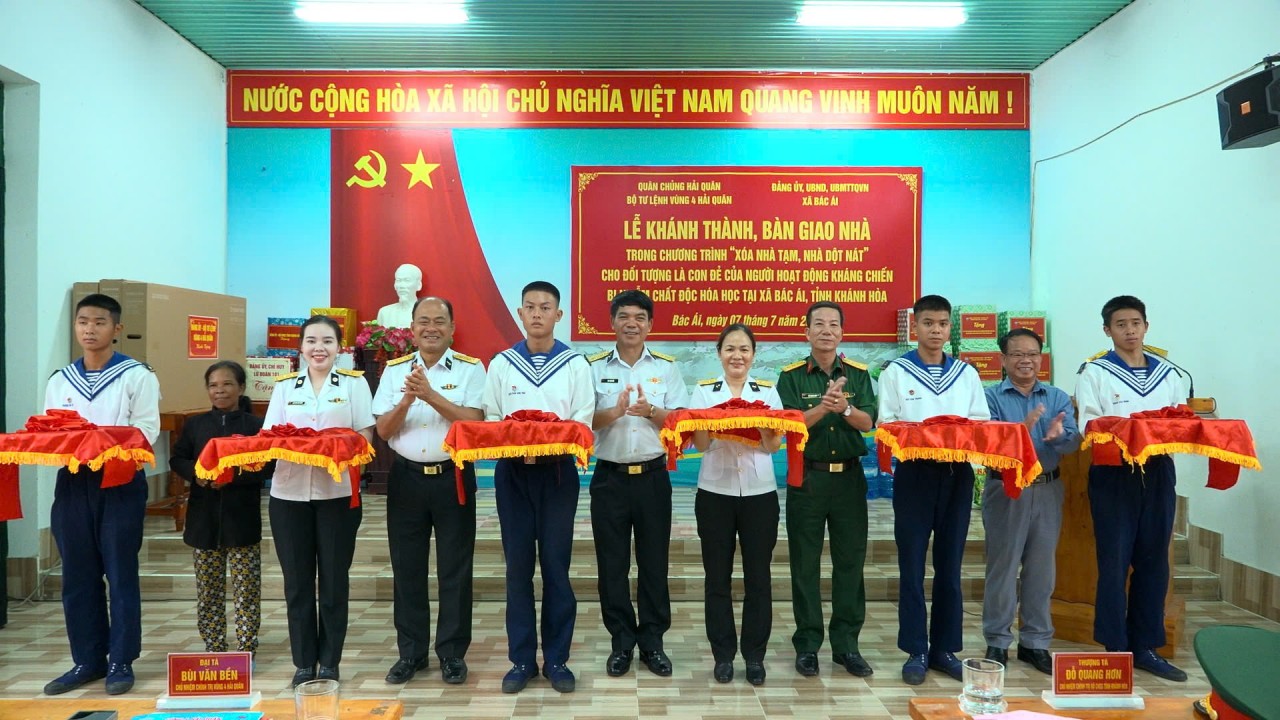
Naval Region 4 Handed Over Four Houses to Policy Beneficiary Families
 Seas and islands
Truong Sa: Every Family a “Living Landmark” on the Frontline of the Sea
 Seas and islands
Dream of Soldiers on a Remote Island
 Seas and islands
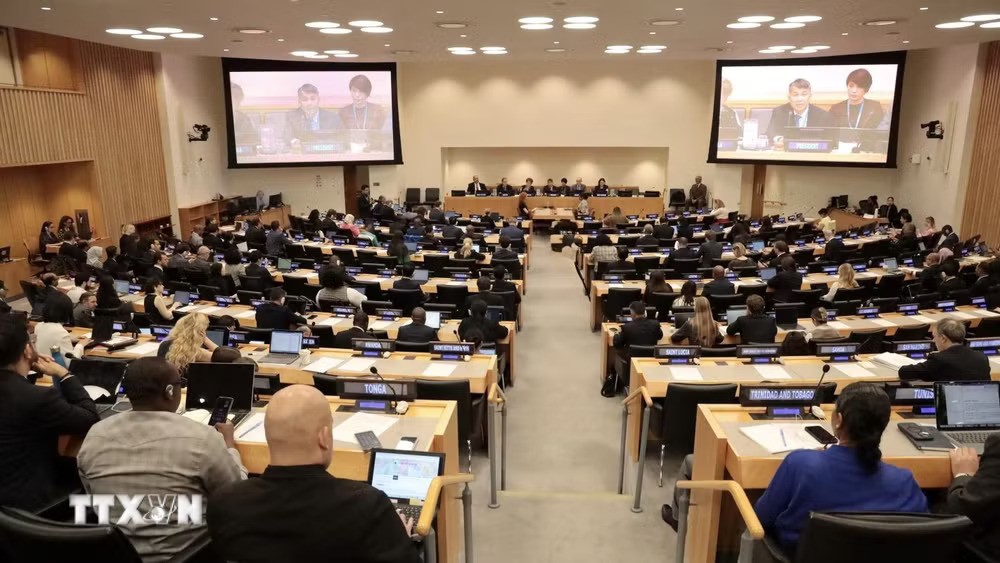
Vietnam Chairs Opening Session of the 36th Meeting of States Parties to UNCLOS
Popular article
 Seas and islands
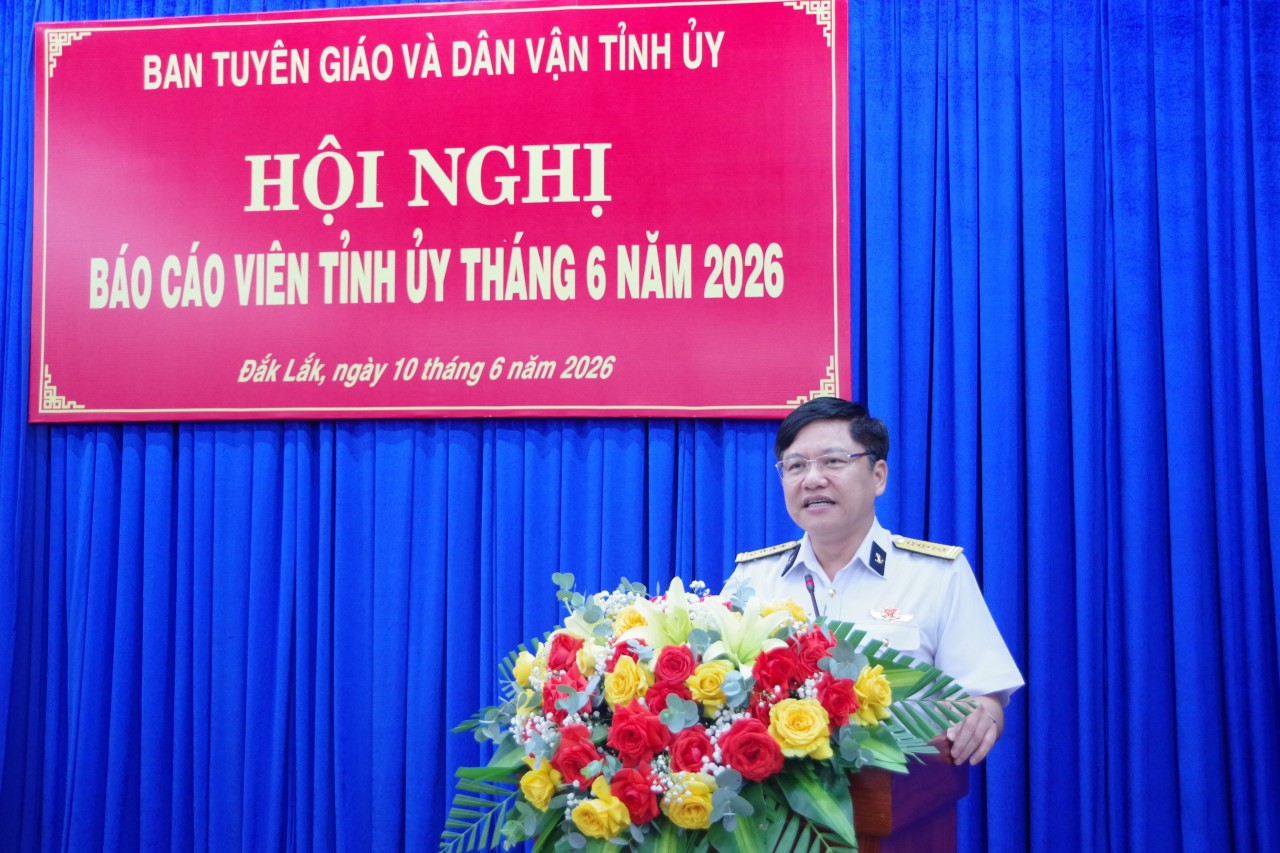
Promoting Love for Vietnam’s Seas and Islands in Dak Lak
 Seas and islands
Khanh Hoa Fishermen Bring Cameras Underwater
 Seas and islands
Modern Technology Implemented in Crackdown on IUU Fishing
 Seas and islands