
Japan to Continue Supporting Viet Nam in Poverty Reduction and Narrowing Development Gaps
| Remembering Onaka Shinichi - A Great Friend of Viet Nam-Japan Peace and Friendship Promoting Important Role of Vietnamese Youth in Japan |
The project was funded by the Ministry of Foreign Affairs of Japan (JMOFA) through Save the Children Japan and implemented by Save the Children Viet Nam in coordination with local partners during the 2023-2026 period.
- What prompted the Government of Japan to decide to fund the project “Improving the livelihoods of ethnic minority people in Son La Province through agricultural development and nutrition improvement” for the 2023-2026 period?
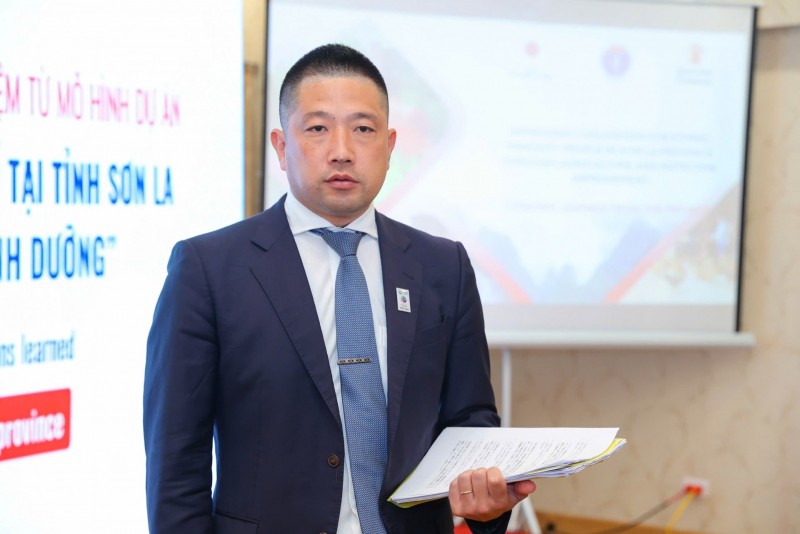 |
| Masafumi Saito, First Secretary at the Embassy of Japan in Viet Nam. (Photo: Dinh Hoa) |
In its development cooperation with Viet Nam, alongside infrastructure development, promoting the quality of economic growth and human resource development to strengthen governance capacity, Japan has always placed importance on policies targeting vulnerable groups in areas such as healthcare and health services, with the goal of reducing poverty and narrowing the wealth gap. This project was selected for support because it demonstrated a particularly strong policy orientation toward vulnerable groups.
- After three years of implementation, how does the Japanese side assess the project's results?
In line with its initial objectives, the project has helped strengthen agricultural production capacity among ethnic minority communities facing particularly difficult circumstances in Son La Province by ensuring food security and improving the circulation of agricultural products, thereby contributing to better livelihoods for individual households.
A notable feature of the project is that its focus has gone beyond improving individual incomes or children's nutritional status. It has also sought to promote exchanges and dialogue among stakeholders, thereby strengthening the capacity of the local community as a whole.
- What does the Japanese side expect from the model developed through this project?
The livelihood and nutrition model developed during the implementation of the project is the result of a process of dialogue and close coordination among Save the Children International, its Viet Nam Country Office, and local stakeholders. Therefore, we hope that this model will continue to be replicated across northern Viet Nam, where a large number of ethnic minority people live, helping the region overcome its difficulties while becoming a valuable asset not only for Son La Province but also for the northern mountainous region as a whole.
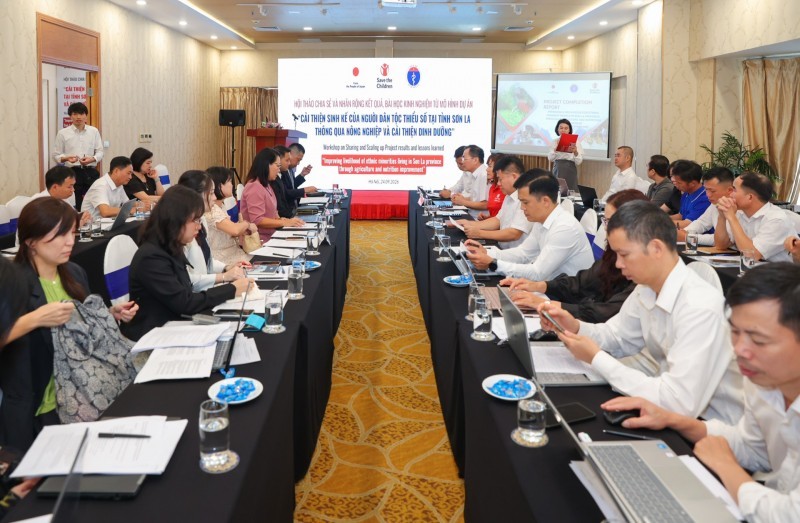 |
| The workshop on sharing and scaling up results and lessons learned from the project model “Improving the Livelihoods of Ethnic Minority People in Son La Province through Agriculture and Nutrition Improvement” took place on the morning of September 24 in Hanoi. (Photo: Dinh Hoa) |
To ensure the sustainability of the model after the project ends, the project proactively promoted exchanges among stakeholders during its implementation and established close cooperation mechanisms at the commune level. With an exit strategy already integrated into the implementation plan, we are confident and hopeful that these activities will continue to be effectively maintained in the coming period.
- Does the Government of Japan plan to continue supporting livelihood development programs through Save the Children or expand the support model to other mountainous provinces of Viet Nam?
According to the initial plan, the project is scheduled to run from 2023 to 2026. The Government of Japan affirms that it will continue to accompany and support Viet Nam in its efforts to reduce poverty and narrow development gaps.
At the same time, in order to make these activities sustainable and avoid dependence on external funding, based on a thorough assessment of the results achieved and the effectiveness of the model, we propose that the Government of Viet Nam proactively allocate budgetary and human resources to scale up the model not only in Son La but across northern Viet Nam as a whole.
- Thank you very much.
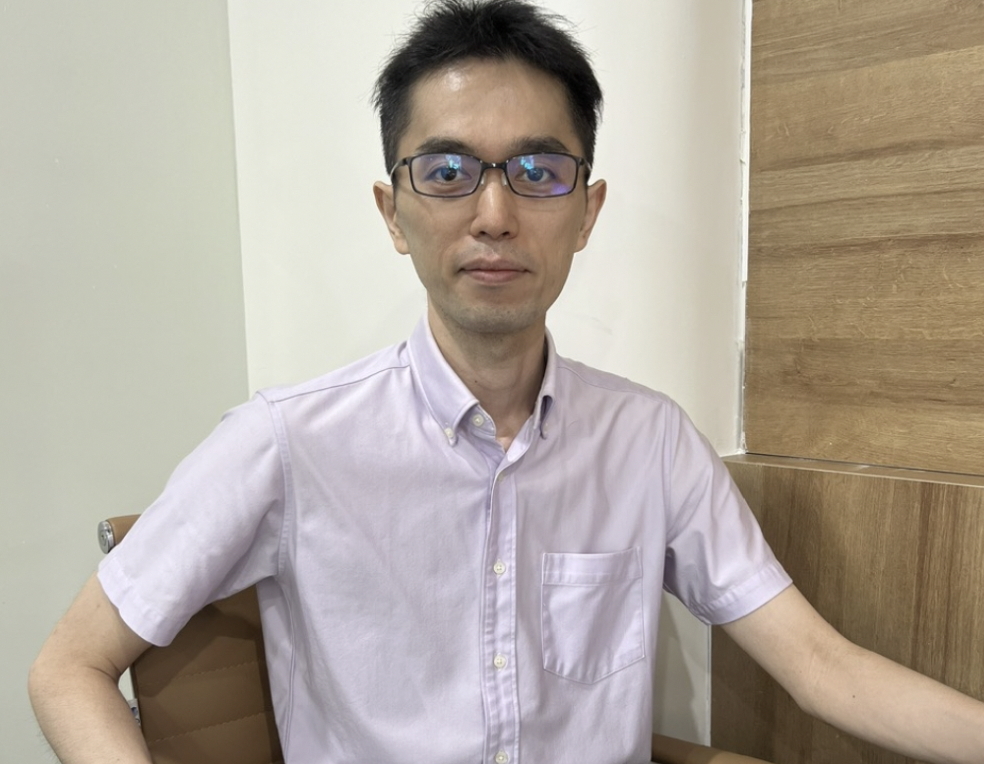 The Bonds Between People Are Why I Love Viet Nam The Bonds Between People Are Why I Love Viet Nam Speaking about Viet Nam, where I currently live and work, brings me many emotions. What I notice most clearly about Ha Noi is the increasingly rapid pace of change across society. Residential complexes, shopping malls, roads and new bridges are continuously being built throughout the city. Some places have changed dramatically in just a few months. Particularly recently, it is easy to see that Hanoi is implementing major projects on drainage and water treatment to reduce flooding. This shows that the Government is taking urban infrastructure improvement very seriously. |
 Mid-Autumn Festival Brings Vietnamese Youth Together in Japan Mid-Autumn Festival Brings Vietnamese Youth Together in Japan On September 20, more than 100 Vietnamese children and their families in Sakai City, Osaka, Japan, took part in a Mid-Autumn Festival celebration. Activities featuring traditional Vietnamese cultural elements helped the younger generation maintain their Vietnamese language skills, learn more about traditional culture, and strengthen their connection with their homeland and roots. |
Most read

ZTE Launches M8000 Intelligent Computing Micro-Module Data Center, New-Gen AIDC IT POD Solution for Global Deployment

Mountains and Seas Unite for a New Chapter: "Sojourn in Guizhou" International Promotion Conference Held in Macao


Related Stories
 Vietnamese Culture
Bringing Disaster Preparedness Skills into Schools
 Vietnamese Culture
International Resources Support Climate Education and Forest Restoration in Thanh Hoa
 Friendship
Viet Nam, in Stories I Take Back to Japan
 Multimedia
Students Sharpen Skills for Climate Action
Recommended
 Friendship
65 Years of the Agent Orange Disaster: Dialogue to Spur Action
 Friendship
Aris Alip: The Filipino Friend Who Helped Build the TYM Fund
 Friendship
Viet Nam Union of Friendship Organizations Wins Seven Awards in Party Ideological Foundation Protection Contest
 Friendship
Spreading Responsibility for Safeguarding Party’s Ideological Foundation from Viet Nam to International Community
Popular article
 Friendship
DAFO Launches Activities to Promote Responsible Business Practices
 Friendship
Seoul (Republic of Korea) Expands Employment Support for Vietnamese International Students
 Friendship
NA President Meets with Chinese Friendship Figures in Beijing
 Friendship