Narrow Neighborhoods: Photos of Hanoi's Tube Houses
Photographer Manan Vatsyayana, who is working at AFP news agency, has captured the beauty of tube houses in Hanoi, Vietnam through a series of photos on the Guardian.
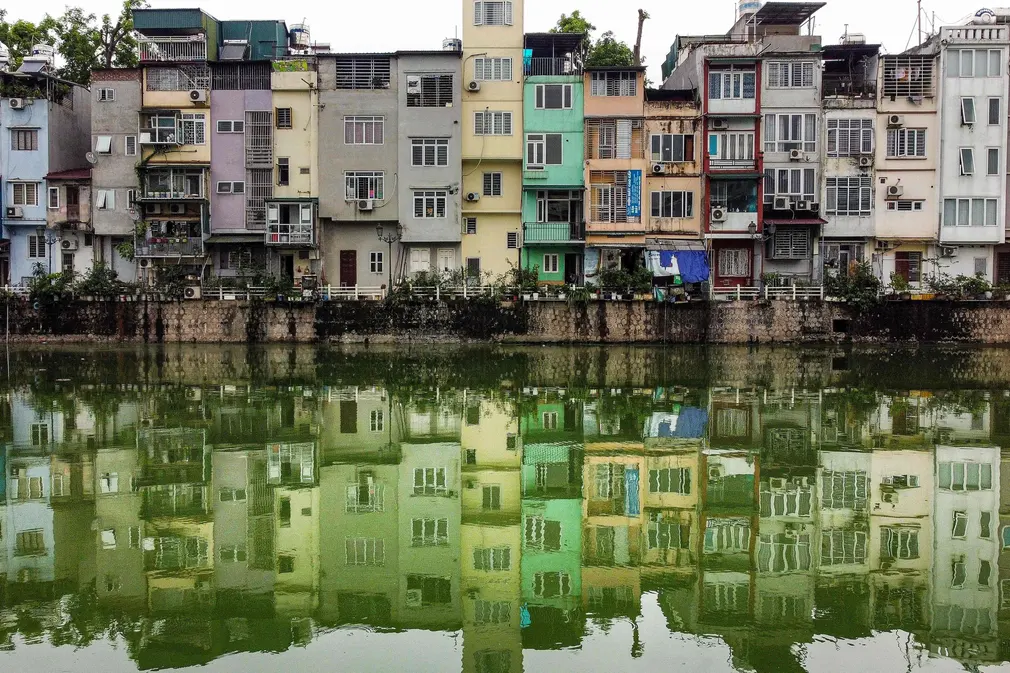
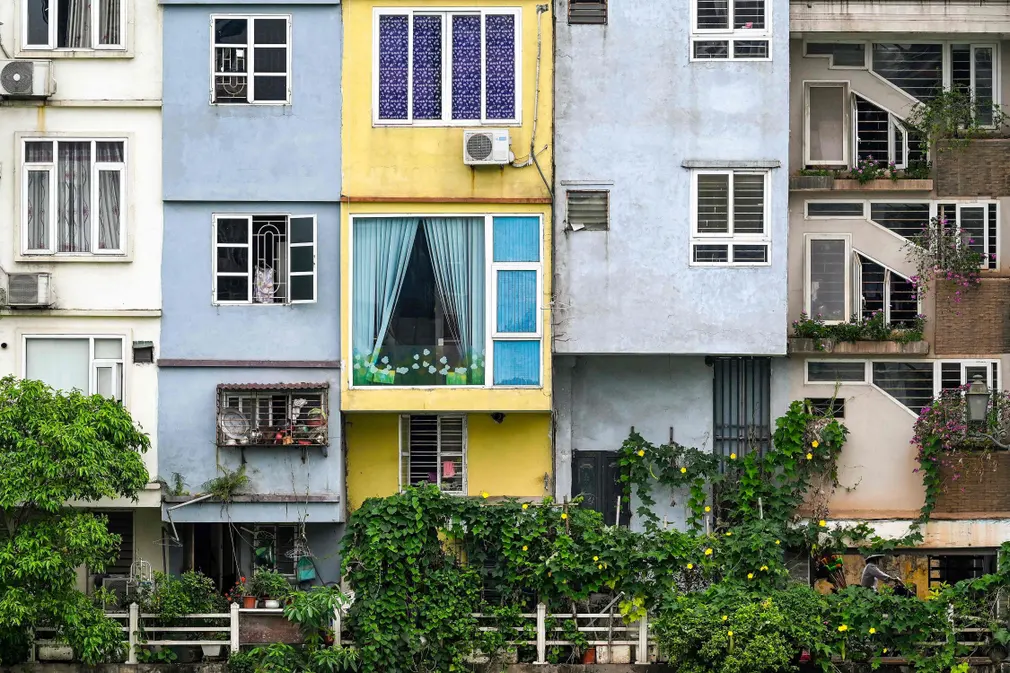
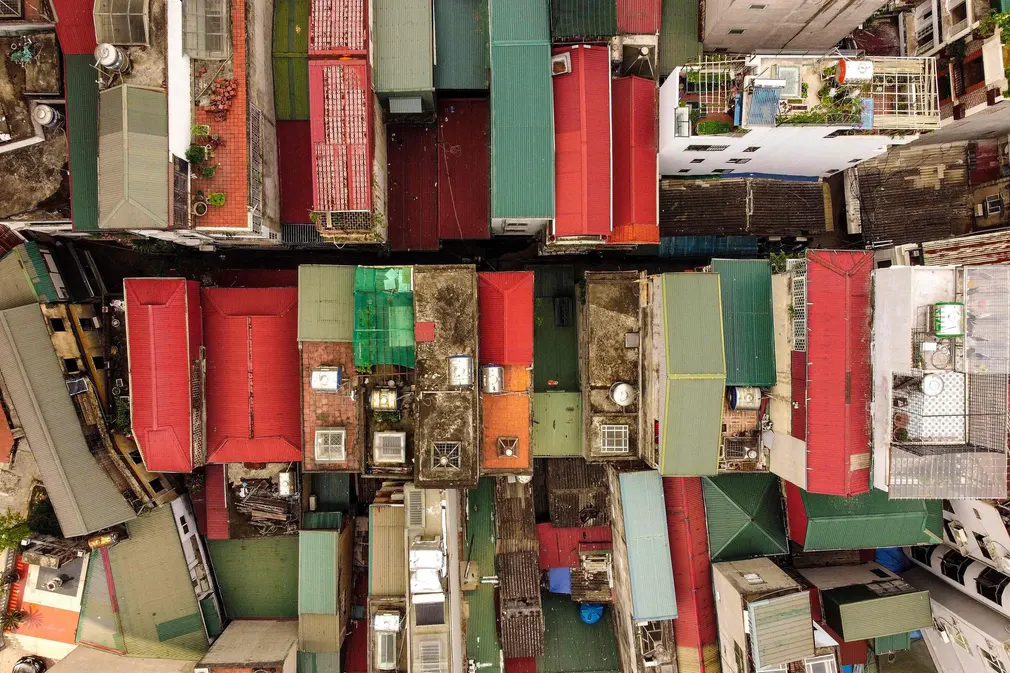
What seems like an architectural odditiy, skinny, Tetris-like buildings as actually quite common in bustling Vietnamese neighborhoods, especially in big cities like Hanoi and Saigon. The narrow facade contrasts to the a roomy extension behind it, while towering up of three to five stories. Foriegners refer to these structures as “tube houses”.
Photo: Manan Vatsyayana
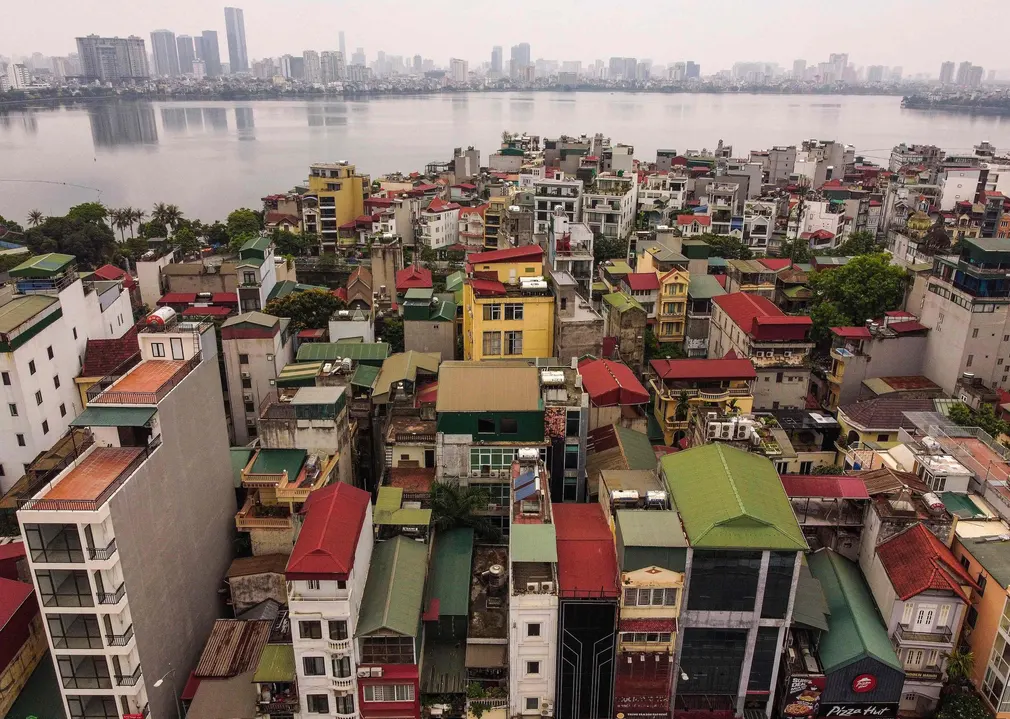
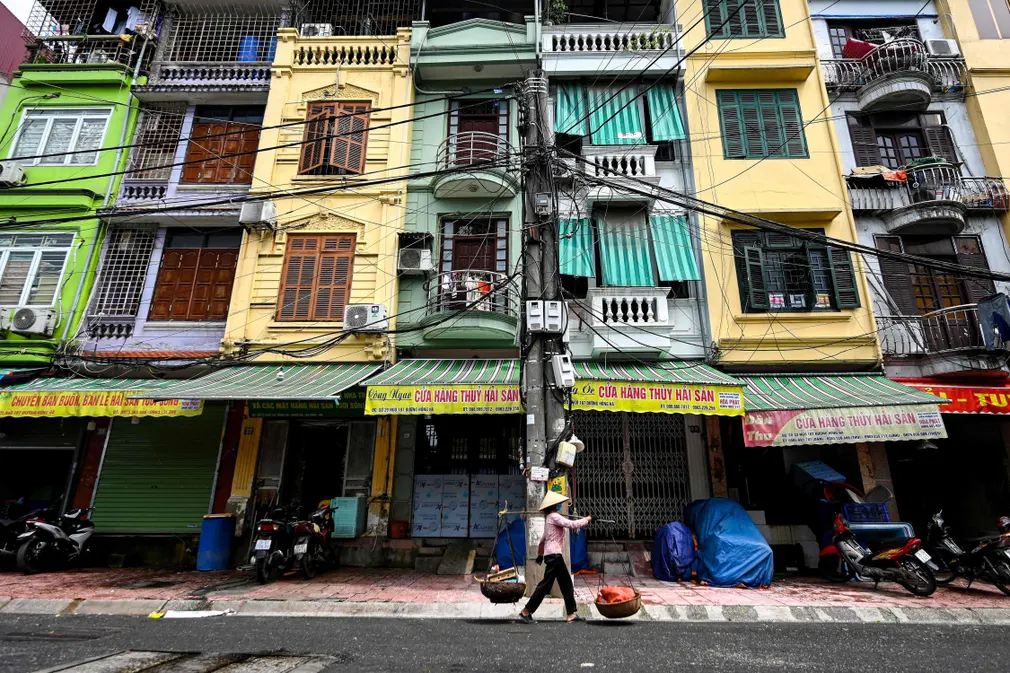
According to the photographer, tube houses, or “nha ong” in Vietnamese, dominates the Hanoian cityscape. Everywhere you go, you can still see these houses on every streets. The main reason why tube houses are so popular is that the land area is limited, and people came up with this unique idea to use the available space.
Photo: Manan Vatsyayana
Even though Vietnam has a number of villas and garden houses that were built during French colonial period, but there is only a few of these kind of residential homes remain in Hanoi.
Vatsyayana said even though many of these tube houses are only 4 metres wide, but are “three times that in depth.” Photo: Manan Vatsyayana
One tube house can be the home for 3 – 4 people. However, two or three generations can still grow up within this narrow space. Photo: Manan Vatsyayana
One of the problems of tube houses in Hanoi is the risk of fire, since the limited space and small entrance makes it difficult to access. Photo: Manan Vatsyayana
Photo: Manan Vatsyayana
The first tube house appeared in Hanoi in 19th century, and this architectural design were thought to evolve from the limited available space in the capital. The “adjoining houses” has become an iconic symbol of Hanoi.
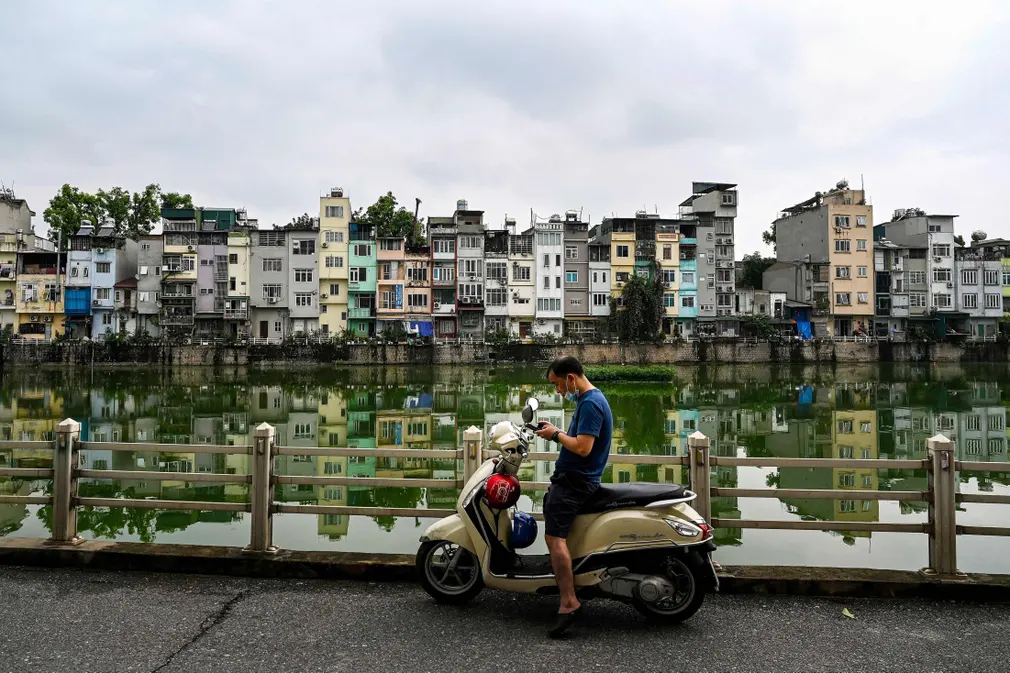
Photo: Manan Vatsyayana
The colorful houses are interesting highlights of Hanoi that attract many tourists. It's functional spacing and striking facades well represent the captial city. It offers a blend of both tradition and modernity.
When admiring the photos of a French-Vietnamese photographer, it is clear to see the connection with lands, cultures and peoples. But in the end, his ...
On the morning of June 27, at Dong Kinh Nghia Thuc Square in Hanoi, the Ministry of Public Security, in coordination with the Hanoi People's Committee, held a rally and a mass running event in response to the 2026 Action Month for Drug Prevention and Control under the theme "United in the Determination to Build Drug-Free Communes, Wards, and Special Zones." The event was livestreamed to 3,321 communes, wards, and special zones nationwide, demonstrating the determination to mobilize the entire political system and the public in the fight against drugs.
In early July, French magazine Biba Magazine published an article stating that Vietnam attracts French travelers not only with its landscapes but also with its diverse and refined cuisine. The magazine introduced a range of dishes and culinary experiences that it considers unmissable when visiting the S-shaped country.
Southeast Asia is considered to be a destination for budget-conscious, mass-market travelers. However, according to Fortune magazine, international experts believe that Vietnam is shifting towards a high-quality tourism development model, targeting higher-spending tourists with longer stays.
Tourism activities in Can Tho have continued to recover strongly during the first months of 2026, maintaining solid growth momentum. This positive transformation has further reinforced tourism's position as a key economic sector and an important driver of the city's overall development.
Phong Nha-Ke Bang National Park in Quang Tri Province is emerging as the world's largest destination for cave adventure tourism. However, tourism development in Phong Nha-Ke Bang has yet to match its enormous potential, as the destination still lacks a diversified tourism ecosystem and specialized service chains capable of meeting the needs of visitors across different market segments.
Indian media outlets have highlighted the factors behind Vietnam's growing popularity among Indian travelers, citing its affordable travel costs, expanding air connectivity, diverse landscapes, and warm hospitality as key advantages.
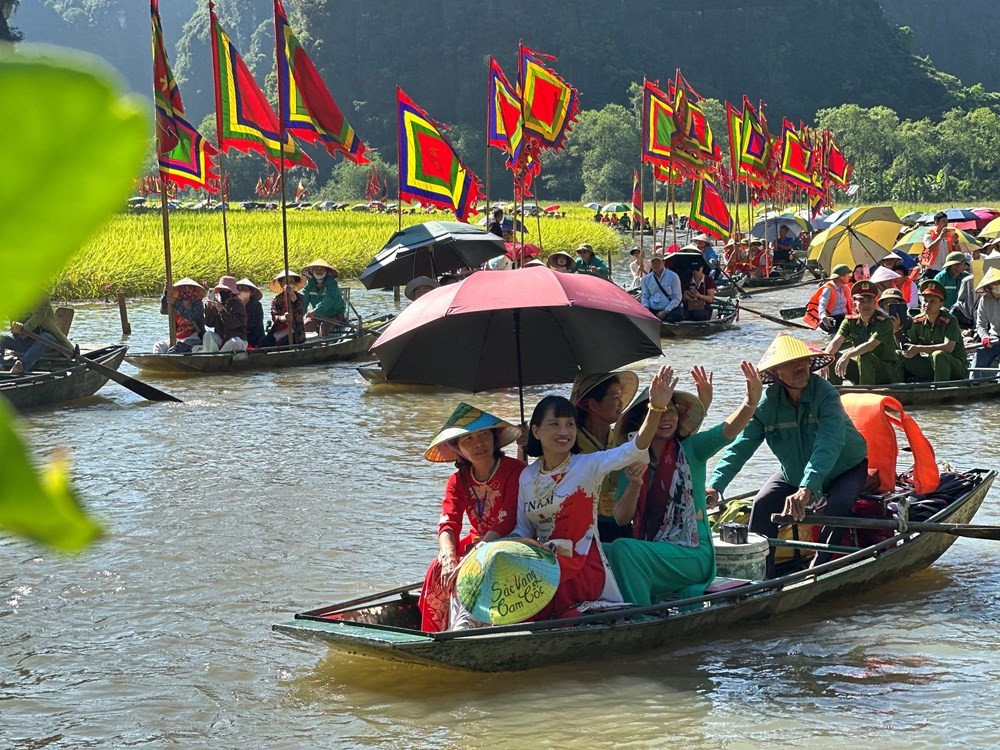
In recent years, Ninh Binh has not only cemented its position on the international tourism map through its magnificent natural landscapes but has also attracted visitors with the vibrant traditional festivals that embody the rich cultural heritage of the ancient capital region.
A newly issued decision, Decision No. 1033/QD-TTg approving the Digital Economy and Digital Society Development Programme for 2026 - 2030, places a strong emphasis on the tourism sector's digital transformation in Vietnam. The program prioritizes the use of digital technologies in the management and operation of tourism businesses, including accommodation providers, travel agencies, restaurants, and tourist attractions. The goal is to enhance operational efficiency while delivering more seamless, personalized, and engaging experiences for travelers.
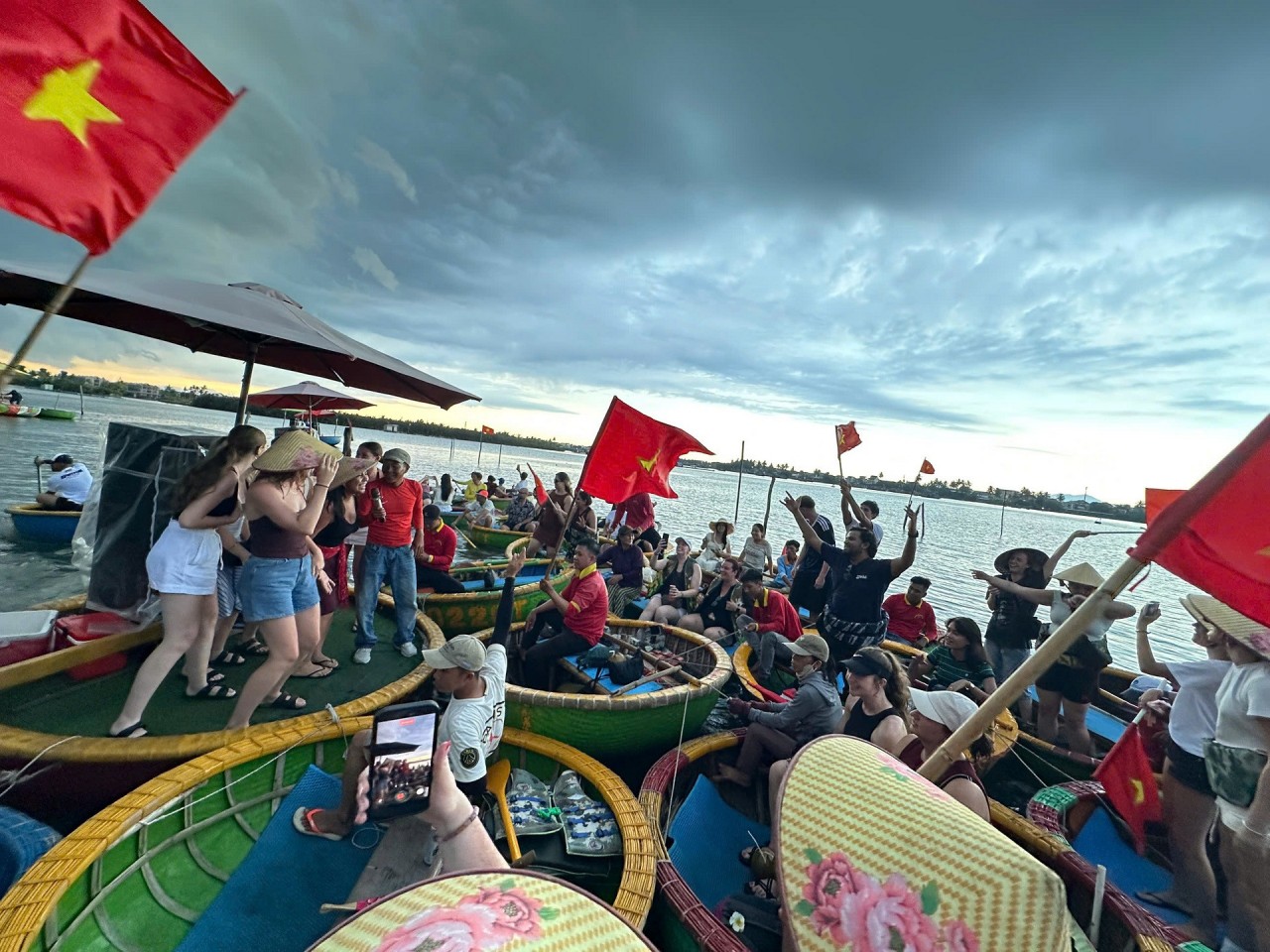
After a foreign tourist accidentally dropped a cellphone into the river while visiting the Bay Mau Coconut Forest in Hoi An, Da Nang, a 70-year-old basket boat operator immediately jumped into the water to retrieve it.




 National
 National
 Travel
 Travel
 Travel
 Travel
 Travel
 Travel
 Travel
 Travel