
Placing People's Satisfaction at Center of Vietnam Father Front Activities
 | Vietnam Fatherland Front Launches “Month for Listening to the People” and “Digital Villages” |
| Tran Ba Phuc: "Digital Front" Is Needed to Better Connect Overseas Vietnamese Communities |
In his keynote address to the 11th National Congress of the Vietnam Fatherland Front, General Secretary and State President To Lam emphasized that "the Front must place the people at the center of all its activities"; it must "both bring the Party's sound policies and the State's sound policies to the people, and convey the people's voices, aspirations, initiatives, and legitimate concerns to the Party and the State."
The 11th Congress affirmed that "the people are the center, the subject, the objective, and the driving force behind the renewal of Front activities." Compared with previous terms, this requirement has been translated more concretely into targets directly linked to citizens' rights to participate, supervise, and benefit from public policies. Initiatives such as "Month for listening to the people," the "Digital Front Portal," and the Social Trust Index demonstrate that the focus of the new term is not on organizing more activities, but on ensuring that people's voices are heard more fully and responded to more effectively.
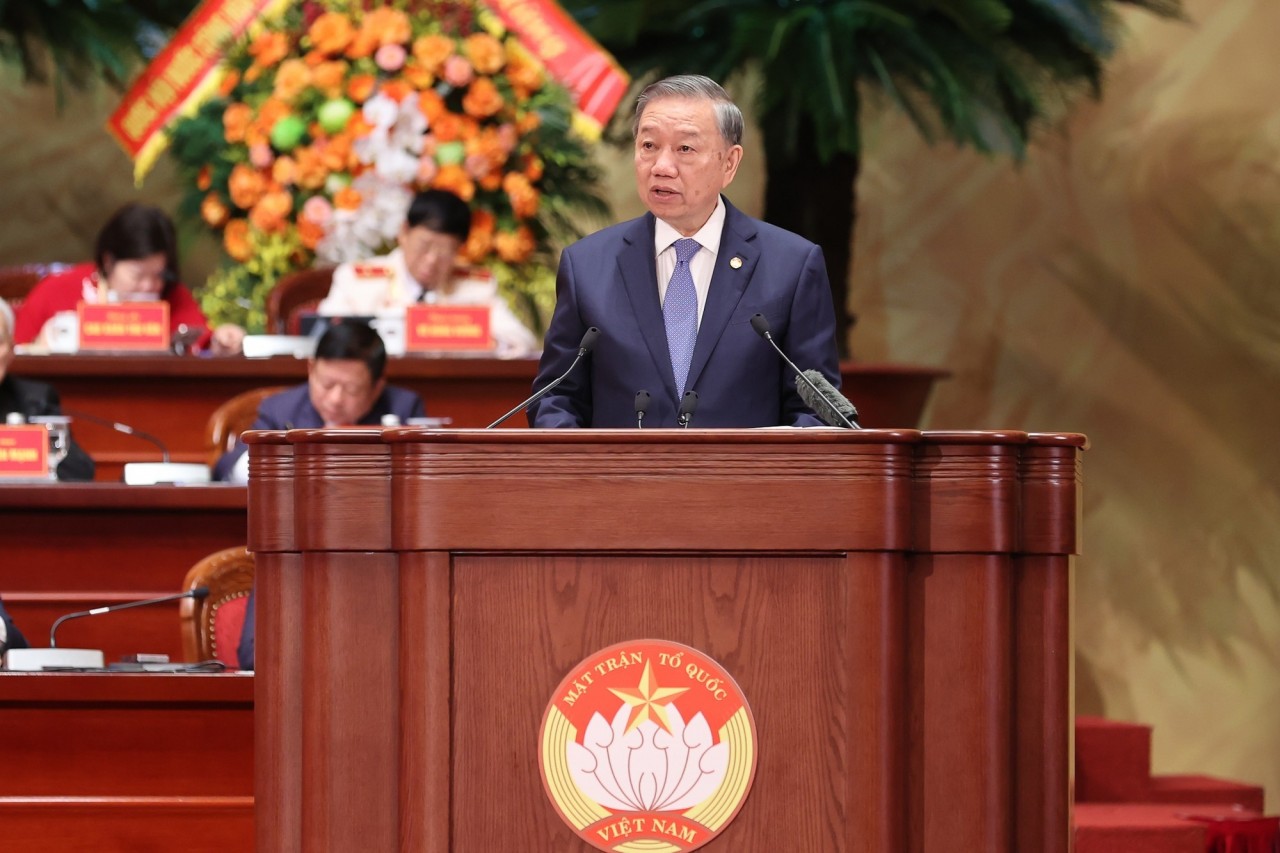 |
| General Secretary and State President To Lam delivers a keynote address at the 11th National Congress of the Vietnam Fatherland Front. (Photo: Government Newspaper) |
The Political Report presented to the Congress candidly acknowledged several shortcomings during the previous term. In some localities, the monitoring of public sentiment was at times passive and untimely. In addition, there have not been sufficiently strong sanctions against agencies that fail to respond to recommendations following supervision and social criticism activities. The report also pointed out that regulations concerning the people's right to mastery have not been fully institutionalized and have, at times and in some places, been violated.
Drawing from these realities, the 2026-2031 term calls for renewing the Front's methods of operation in a manner that is closer to the people, more rooted at the grassroots level, more open to dialogue, and more accountable in responding to issues of public concern.
Expanding space for public participation
Under the Action Program for the 2026-2031 term, 100 percent of Vietnam Fatherland Front organizations at all levels will organize a "Month for listening to the people" every year. At the same time, all Vietnam Fatherland Front Committees, socio-political organizations, and member organizations will implement a "Digital Front Portal" to receive public recommendations and feedback around the clock. Efforts will also be made to ensure that 100 percent of communes and wards establish social media platforms for direct interaction with residents and for receiving their comments, reflections, and recommendations.
These targets transform listening to the people from a general requirement into a regular operational mechanism throughout the Front system. Citizens will have additional channels through which to express concerns and submit recommendations, while the Front will gain more tools to understand public sentiment, consolidate opinions, and monitor the handling of issues.
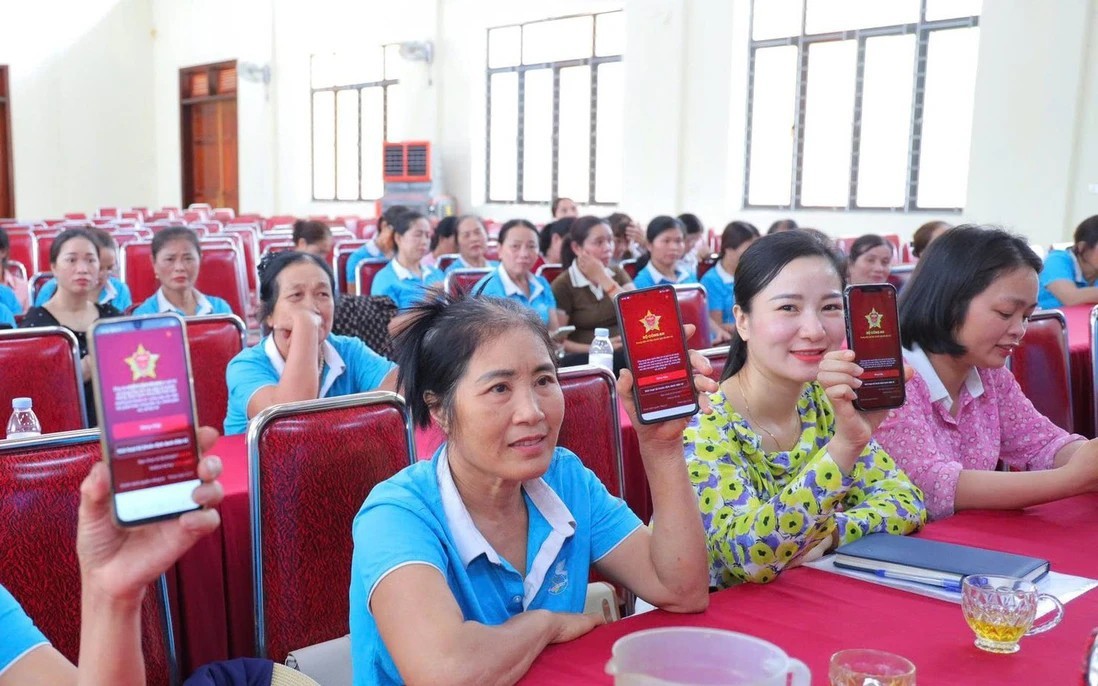 |
| The Women's Union of Lam Thanh Commune (Nghe An Province) organizes a training session on participation in the "Digital literacy for all" initiative for officials, women members, and local residents in May 2026. (Photo: Vietnam Women's Newspaper) |
Experiences from localities demonstrate that this approach already has a practical foundation. At the Congress, Da Nang shared its experience in applying technology to collect and consolidate voters' and citizens' opinions and recommendations. Accordingly, Vietnam Fatherland Front Committees at all levels in the city have developed a digital ecosystem through the "Digital Front Portal" and platforms such as the Front's fan page, the Da Nang Front Official Account (OA), and the 1022 Feedback Portal. Many citizen reports are now submitted directly through these platforms. Issues related to beach sanitation, urban order, and delayed projects are often detected at an early stage through online channels. This approach has enabled the Front to broaden its capacity to gather information from the grassroots level and to become more proactive in identifying issues that directly affect people's lives.
Also at the Congress, Nghe An introduced its "Digital literacy for all" model, which helps elderly people and residents in remote areas access the digital environment so that they can participate in policymaking and submit feedback and recommendations. Hanoi emphasized the need to strengthen social consensus in the context of digital transformation, where information circulating on social media can rapidly and significantly influence public sentiment.
These practices reflect a growing requirement for the Front system: adapting to changes in the ways people access information and express their views. As digital spaces increasingly become where public opinion is formed, understanding people's thoughts and aspirations also requires new, more flexible, and more timely approaches. This is not merely a matter of applying technology; it also involves changing the way the Front engages with the people under new conditions.
The effort does not stop at receiving feedback. Every quarter, all Vietnam Fatherland Front Committees at all levels and their member organizations are required to submit reports reflecting public sentiment in a timely manner, while also proposing solutions and recommendations to competent authorities. Each year, provincial-level Vietnam Fatherland Front Committees will organize at least one pilot model of social dialogue, and member organizations at every level will hold at least one direct dialogue conference between their members and the Party committees and local authorities at the corresponding level.
In its presentation to the Congress, the Vietnam Fatherland Front Committee of Ho Chi Minh City affirmed that "making people's well-being the foundation for building the great national unity bloc." This viewpoint is closely linked to the requirement of improving services for the people, expanding social dialogue, and promoting public participation in the formulation, implementation, and supervision of policies that directly affect their lives.
Improving people's well-being, enabling public oversight and evaluation
In his directive speech at the Congress, General Secretary and State President To Lam emphasized that "the Front cannot be strong if it remains distant from the people" and "cannot represent the people if it fails to hear their genuine voices."
Accordingly, the effectiveness of the Front's work must be measured by public trust, people's satisfaction, the level of public participation, and tangible improvements in people's living conditions.
Under the Action Program for the 2026-2031 term, the Front aims to mobilize more than VND 50 trillion for social welfare and community support activities. These resources will be directed toward poor and near-poor households, residents in disaster-affected areas, and disadvantaged and vulnerable groups, while also supporting the construction of essential community infrastructure at the grassroots level.
Each province is expected to establish at least one model project on community welfare, while every commune and ward is required to implement at least one similar initiative. Every year, 100 percent of Front Working Committees will strive to complete at least one project or activity contributing to the development of residential communities that are bright, green, clean, beautiful, secure, safe, prosperous, and happy.
At the Congress, the Vietnam Fatherland Front Committee of Dien Bien Province shared its experience in implementing the movement "Joining hands to eliminate temporary and dilapidated housing." Despite challenging terrain and transportation difficulties in many villages, the local Front successfully mobilized community participation through the model "Authority - People - Armed Forces working together to build homes," generating more than 100,000 workdays from local residents. Since 2024, more than 10,800 policy-beneficiary households, poor households, and near-poor households have received support to build new homes or repair existing ones, with total funding exceeding VND 575 billion.
The Action Program also sets out specific targets for social supervision and social criticism. Each year, provincial-level Vietnam Fatherland Front Committees are required to conduct at least five social supervision programs and provide social criticism on at least five draft policy documents. At the commune level, the corresponding targets are at least three social supervision programs and social criticism of at least three draft documents.
In Lao Cai, during the 2020-2025 period, the Vietnam Fatherland Front and socio-political organizations conducted 3,518 supervision activities and issued 1,450 recommendation documents, with more than 90 percent of recommendations accepted and addressed by competent authorities. In Phu Tho, People's Inspection Boards carried out 1,586 supervision activities, while Community Investment Supervision Boards participated in monitoring 2,348 projects and works. Thousands of public comments and recommendations were received, consolidated, and forwarded to competent authorities for resolution. In Hong Loc Commune, Ha Tinh Province, the Front and mass organizations directly supervised highly practical matters such as school revenues and expenditures, administrative procedures, post-disaster assistance, and basic infrastructure construction projects.
The Political Report calls for further strengthening supervision and social criticism in a proactive, early-stage, democratic, and objective manner, with a focus on major policies and issues directly affecting the people's legitimate rights and interests. Greater emphasis is also placed on monitoring the reception and handling of recommendations following supervision and social criticism activities, in order to address situations in which recommendations receive delayed responses or are not fully resolved.
One of the new initiatives introduced by the 11th Congress is the annual independent assessment of the Provincial Social Trust Index by the Vietnam Fatherland Front, together with the publication of community welfare results and the implementation of the principle of "three disclosures and three forms of supervision." Although the criteria and assessment methodology will continue to be refined during implementation, the introduction of this tool reflects increasingly stringent expectations regarding the effectiveness of the Front system.
The Action Program stipulates that by the end of the term, 100 percent of officials of the Vietnam Fatherland Front, socio-political organizations, and mass organizations assigned tasks by the Party and the State will receive training in Front-related knowledge, professional skills, and digital competencies. The Political Report calls for the development of a professional, dedicated, and capable Front workforce that can meet the demands of the new context - one that remains close to the people, rooted at the grassroots level, accompanies citizens in their daily lives, and maintains an effective presence in the digital space.
The performance of the Front during the coming term will be assessed not only through the campaigns and movements it implements, but also through the level of social consensus, public trust, and tangible improvements in people's lives. When citizens' voices are received more promptly, their opinions and recommendations are addressed more comprehensively, and social welfare programs reach the right beneficiaries, the principle of "placing people at the center" will be reflected in changes that can be genuinely felt in everyday life.
 | “Digital Front” - New Space for Reaching Out to, Receiving, and Responding to Public Feedback From a smartphone, many complaints and suggestions related to the environment, urban management, or daily life no longer have to wait for neighborhood meetings to ... |
 | Vietnam Fatherland Front Launches “Month for Listening to the People” and “Digital Villages” Following the 11th National Congress of the Vietnam Fatherland Front (VFF), VFF leaders announced that they will review all emulation movements, boldly terminate activities deemed ... |
Related Stories
 National
Innovating Religious and Belief Affairs to Strengthen the Great National Unity Bloc
 National
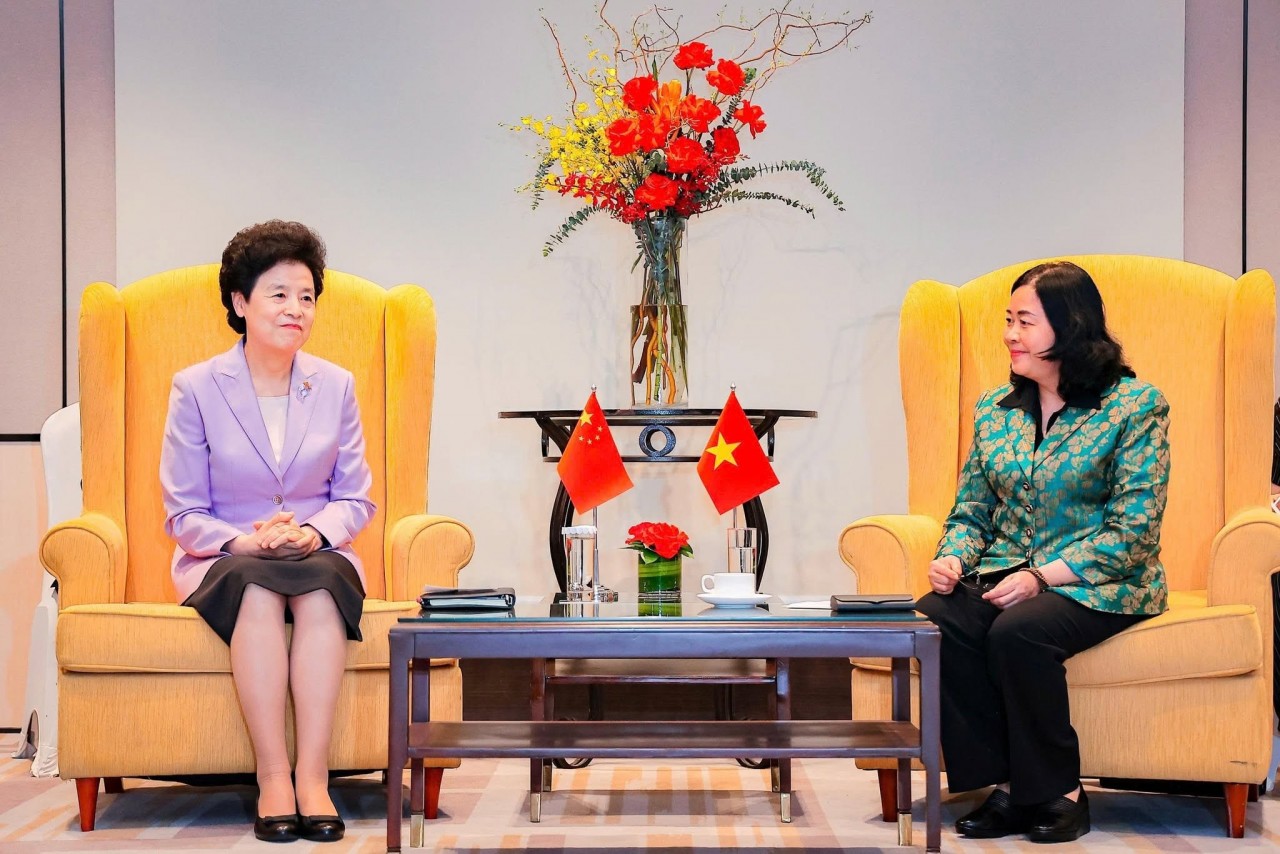
Vietnam Fatherland Front and Chinese People's Political Consultative Conference Promote Cooperation and People-to-People Exchanges
Recommended
 Viet's Home
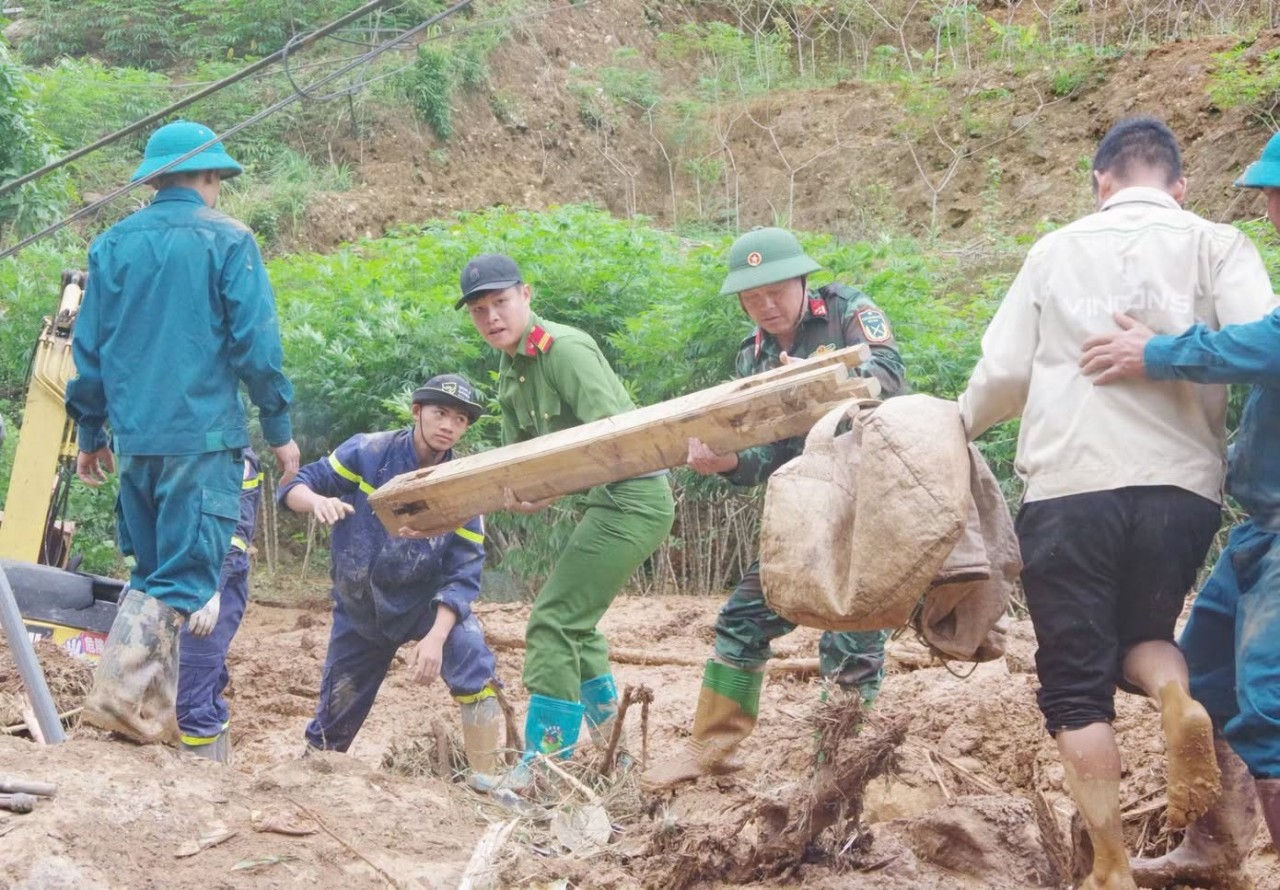
Vietnam Allocates VND 50 Billion to Lai Chau for Post-Flood Recovery
 Viet's Home
Da Nang Contributes VND 1 Billion to Quang Tri's Gratitude Fund
 Viet's Home
Vietnamese Intellect Showcased at International Economics Olympiad 2026
 Viet's Home
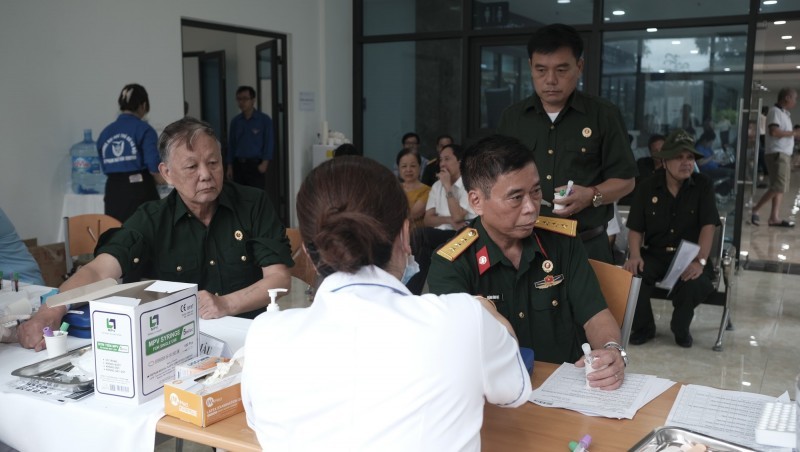
Hanoi Steps Up Care for People with Meritorious Service
 Viet's Home
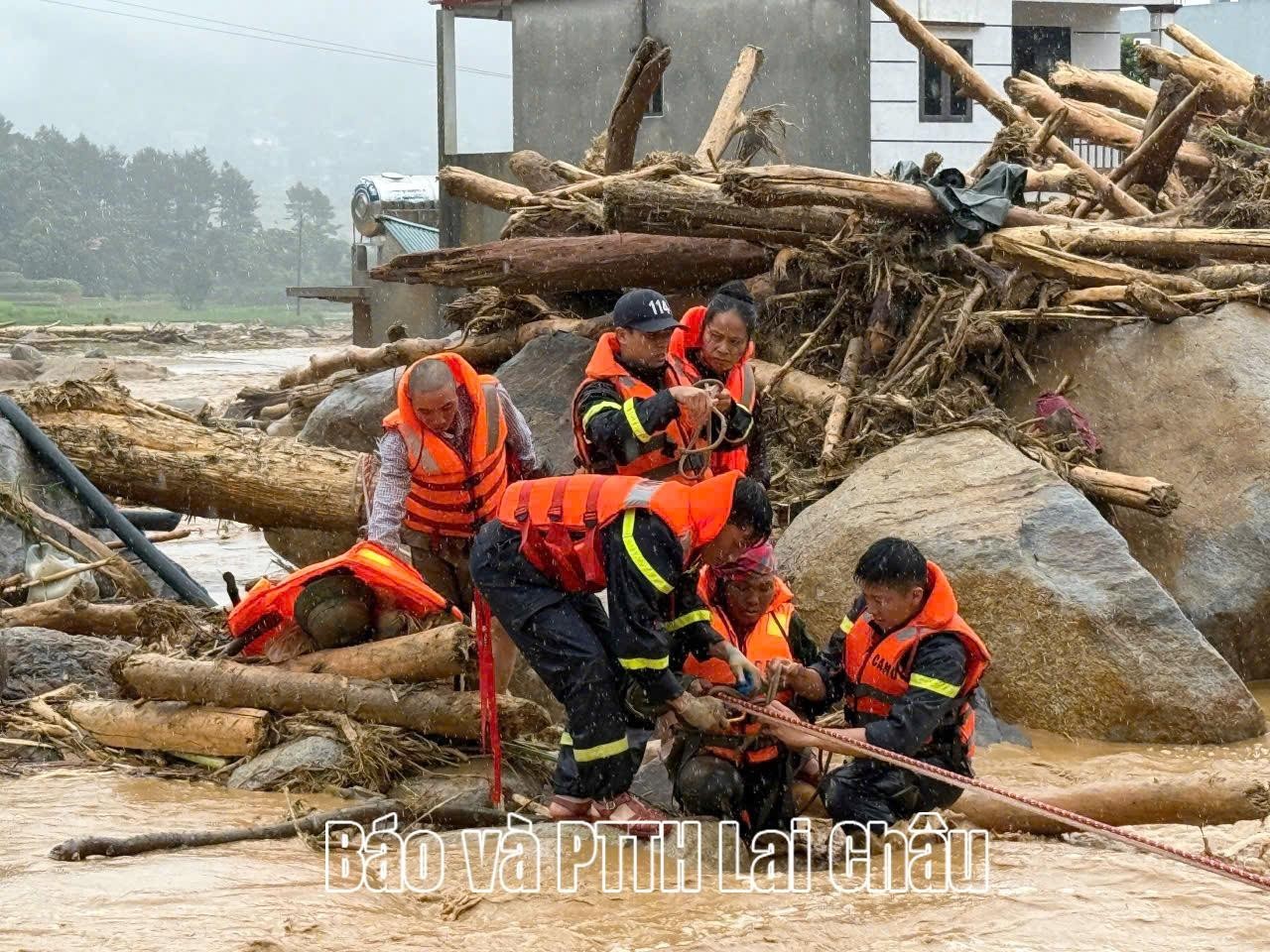
Lai Chau Calls for Support to Help Residents Recover from Flood Damage
 Viet's Home
Vietnam to Host Its First International Olympiad in AI
 Viet's Home
Dak Lak, Mondulkiri Sign Memorandum of Understanding for Cooperation
 Viet's Home