
Together with Viet Nam, I Want to Unlock Its Untapped Potential
| Youth Urged to Take Lead in Learning, Innovation and Fostering Viet Nam-China Friendship Two French Students Want to Volunteer in Vietnam |
- After your field trips and surveys, what are your impressions of Viet Nam?
I have made several field trips to Viet Nam's key economic regions, including Ha Noi, Ho Chi Minh City, Quang Ninh and Hai Phong. Through these trips, I have found that Viet Nam has many advantages. These include its favorable geographical location, young workforce, and increasingly open business environment. The community of small and medium-sized enterprises is also highly dynamic.
After looking more deeply, I paid particular attention to Viet Nam's abundant production resources. Many of these resources still have considerable room for value enhancement.
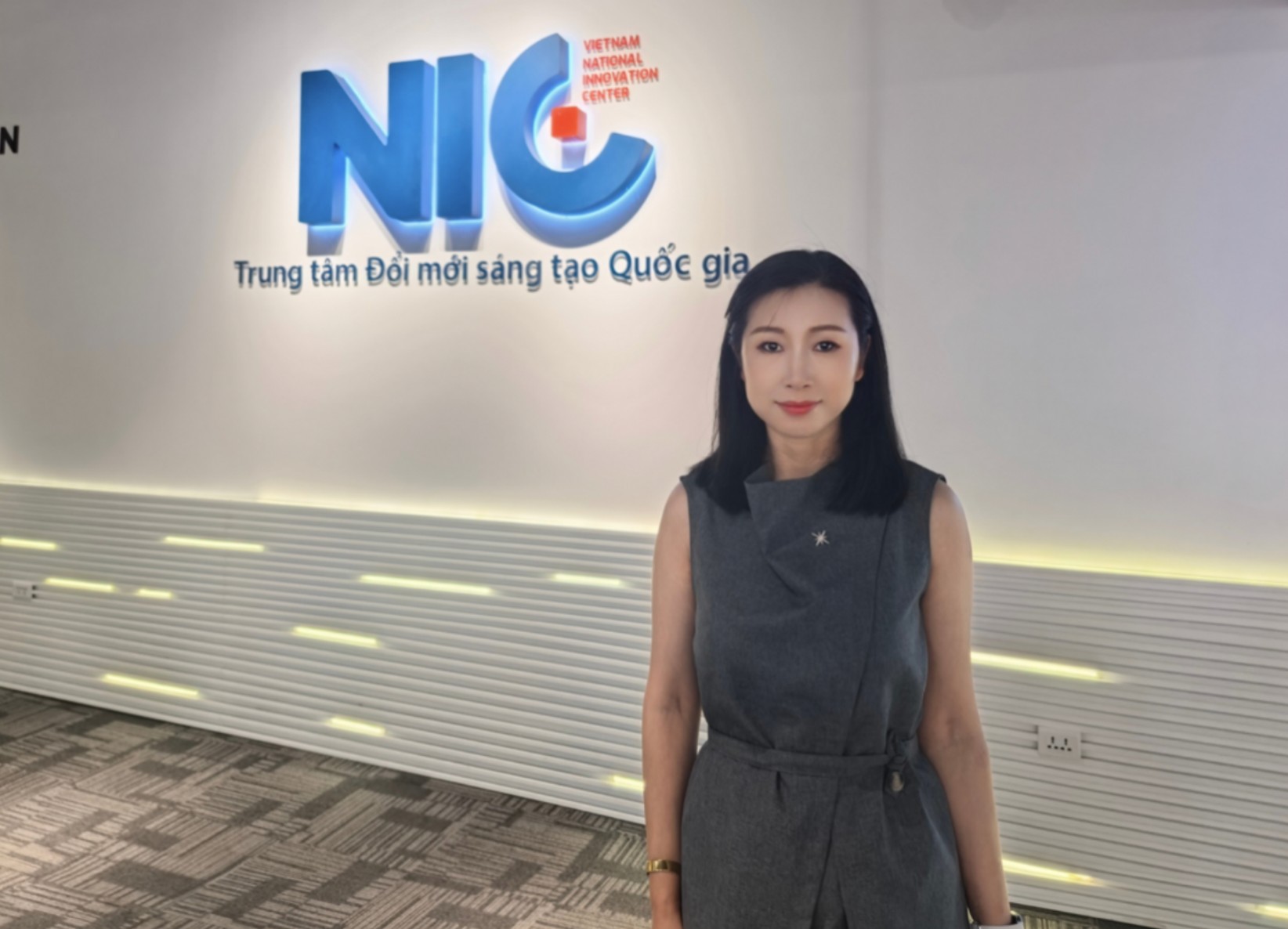 |
| Liu Yitong, Executive Director of the Vista Institute for International Economics, during a field survey at Viet Nam's National Innovation Center. |
First, Viet Nam's agricultural sector still mainly exports raw products. Viet Nam has diverse, high-quality agricultural and forestry resources. However, the potential for deep processing has yet to be fully exploited. Many high-quality agricultural products remain at the primary processing stage. This means a significant amount of added value is lost to international intermediaries.
Second, current production technologies have yet to meet the demand for innovation. Many small and medium-sized enterprises have solid foundations. They want to upgrade their factories. However, finding technology lines compatible with local production conditions remains challenging. This gap prevents labor productivity from making a major breakthrough.
Third, potential industrial projects lack professional channels for connecting with capital. Cross-border capital is always available. However, barriers related to legal security and industry standards are affecting these capital flows. Viet Nam has a solid production base. But in my view, Viet Nam still needs to develop core technologies and supporting financial systems more strongly in order to awaken these untapped potentials.
- What cooperation opportunities do you see after your trips?
Based on what I have directly observed, I believe Vietnamese and Chinese enterprises have considerable potential to complement each other. I see three strategic directions:
We need to match the advantages of raw materials with the strengths of refining technology. Viet Nam has abundant agricultural and forestry resources. China possesses leading deep-processing and preservation technologies and production lines. We should not stop at buying and selling raw materials. Instead, refining production lines should be installed directly in Vietnamese raw-material-producing areas. This would help optimize product value at the source, enhance domestic production capacity and create highly competitive products for international markets.
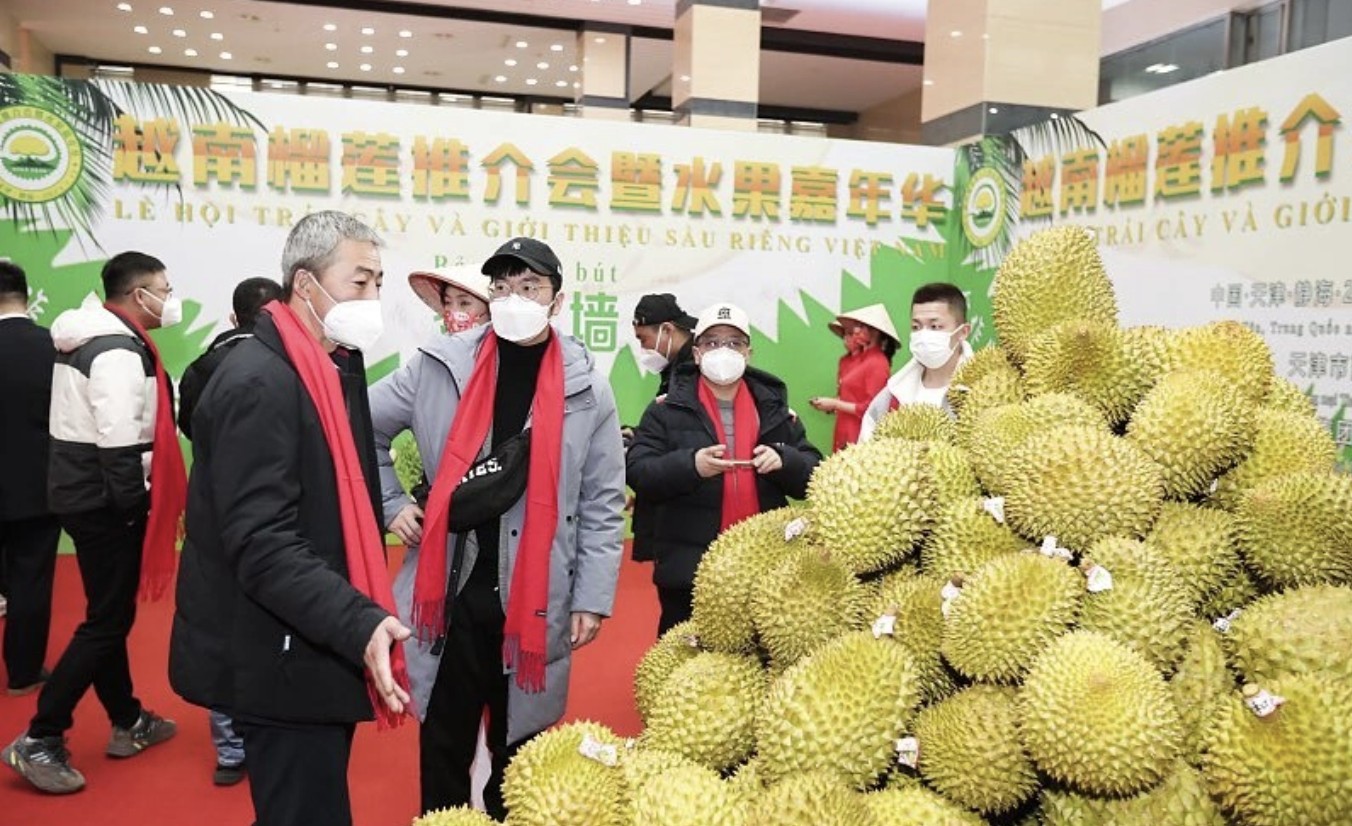 |
| Vietnamese durians at a promotional event in Tianjin, China. |
We need to synchronize logistics systems and cross-border cold supply chains. Geographic proximity is a major advantage that will be wasted if logistics infrastructure is incompatible. China has a modern transportation network, while Viet Nam has a dynamic pace of production. We need to connect warehousing systems, particularly cold supply chains for agricultural products. This would help reduce post-harvest losses, accelerate the circulation of goods and lower operating costs for businesses. Business efficiency will increase dramatically when the flow of goods becomes seamless.
We need to transfer production ecosystems rather than simply sell machinery. Chinese enterprises can provide equipment as well as comprehensive operational solutions. These include workforce training, technical maintenance and process standardization in accordance with international standards. When Viet Nam's demand for technological innovation meets an appropriate supply of solutions, it will promote economic development. This represents deep connectivity in production infrastructure and creates a sustainable foundation for the economic relations between the two countries.
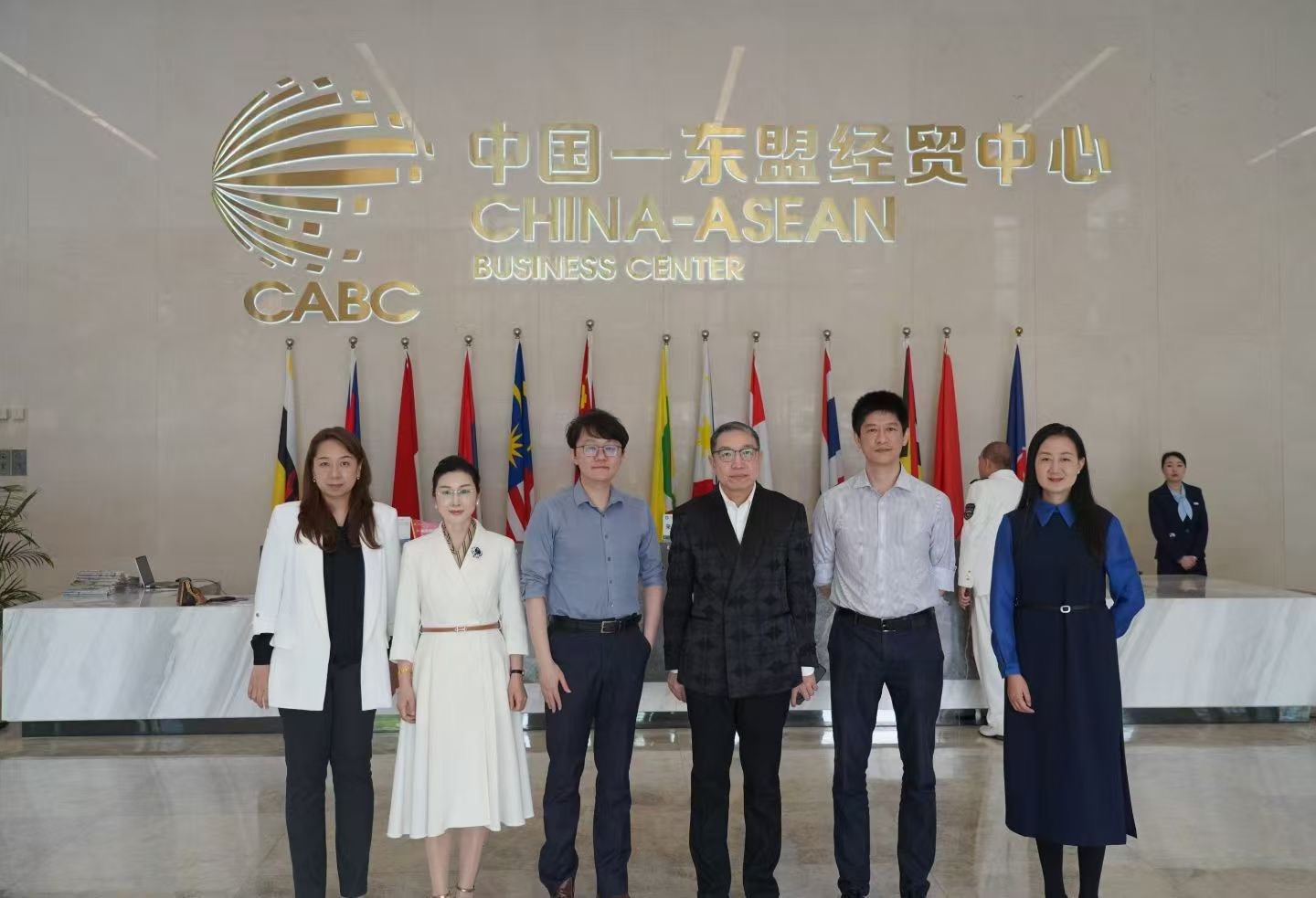 |
| Liu Yitong (second from left) posing for a photo at the China-ASEAN Economic and Trade Center. |
- What plans and expectations do you have for the future?
Based on the results of our field trips and the cooperation activities that have been implemented, we are preparing to establish a branch of the Vista Institute for International Economics in Viet Nam.
We want to “put down roots” in the local market. Having a permanent presence in Viet Nam will help us better understand the needs of businesses and connect them with appropriate resources.
In the coming period, we will continue promoting connections in areas where businesses from the two countries can complement each other. These include agricultural processing, manufacturing, technology, logistics and investment resource connections. Field surveys, exchanges and business networking activities will also continue to expand.
I hope these connections can address the practical needs that I have identified during the field surveys. A source of raw materials can be processed to generate greater value. A factory can find suitable technology to upgrade its production. A good project can gain access to the necessary resources for development.
When that happens, new cooperation potential can be transformed into concrete results and bring benefits to both sides.
I hope our long-term presence in Viet Nam will help us gain a deeper understanding of the market and businesses here. From there, we can contribute to creating more practical and sustainable connections between businesses of the two countries.
- Thank you very much!
 Denmark Ready to Help Vietnam Become Supplier for Offshore Wind Power Sector Denmark Ready to Help Vietnam Become Supplier for Offshore Wind Power Sector |
 Vietnam Is Potential Destination for Chinese Businesses Vietnam Is Potential Destination for Chinese Businesses |

Most read


Related Stories
 Economy
Tay Ninh and Thanh Hoa Seek Investment Partners and Market Expansion Opportunities in Bulgaria
 Handbook
Viet Nam Trade Office in Argentina Promotes Trade and Investment Cooperation with Western Argentine Provinces
 Economy
Viet Nam, US Seek Higher-Quality Economic Ties
 National
Vietnam News Today (Sep. 28): Vietnam-Tanzania Joint Commission’s 2nd Session Promotes Deeper Economic, Trade Ties
In topics
 Expats in Vietnam
I Chose to Stay Because There Is Still So Much I Don’t Know About Viet Nam
 Expats in Vietnam
Returning to Viet Nam Is Like Coming Home
 Friendship
A Misfortune Turned into Happiness
 Friendship
I Was Never Just Passing Through Viet Nam
Recommended
 Friendship
First Congress of the Dong Thap Union of Friendship Organizations for the 2026-2031 Term
 Friendship
Promoting People-to-People Diplomacy to Build a Solid Foundation Rooted in “the People’s Hearts”
 Friendship
American Friends Help Ease the Pain of Agent Orange
 Friendship
65 Years of the Agent Orange Disaster: Dialogue to Spur Action
Popular article
 Friendship
Aris Alip: The Filipino Friend Who Helped Build the TYM Fund
 Friendship
Viet Nam Union of Friendship Organizations Wins Seven Awards in Party Ideological Foundation Protection Contest
 Friendship
Spreading Responsibility for Safeguarding Party’s Ideological Foundation from Viet Nam to International Community
 Friendship