
Viet Nam’s Key Strength Lies in Its People
| Turning International Resources into Viet Nam’s Maritime Strength Women Strengthen Livelihoods for a Better Future |
- After 40 years of living and working in Viet Nam, how do you perceive the people and life in Viet Nam?
I first came to Viet Nam in 1984. At that time, Hanoi was a quiet city, with hardly any motorbikes and very few cars. Heavily affected by the war, people’s lives remained difficult; most houses were simple, living conditions were limited, and electricity and clean water were scarce. In rural areas, poverty was even more severe.
Yet even in those difficult circumstances, I could already see the country’s clear potential. Viet Nam has abundant natural resources, intelligent and resilient people, and a strong source of positive energy. In particular, the Vietnamese leadership’s landmark decision to initiate the Doi Moi process gradually opened the door for Viet Nam to connect with the world. It was the right choice, helping unlock and effectively harness the country’s existing potential.
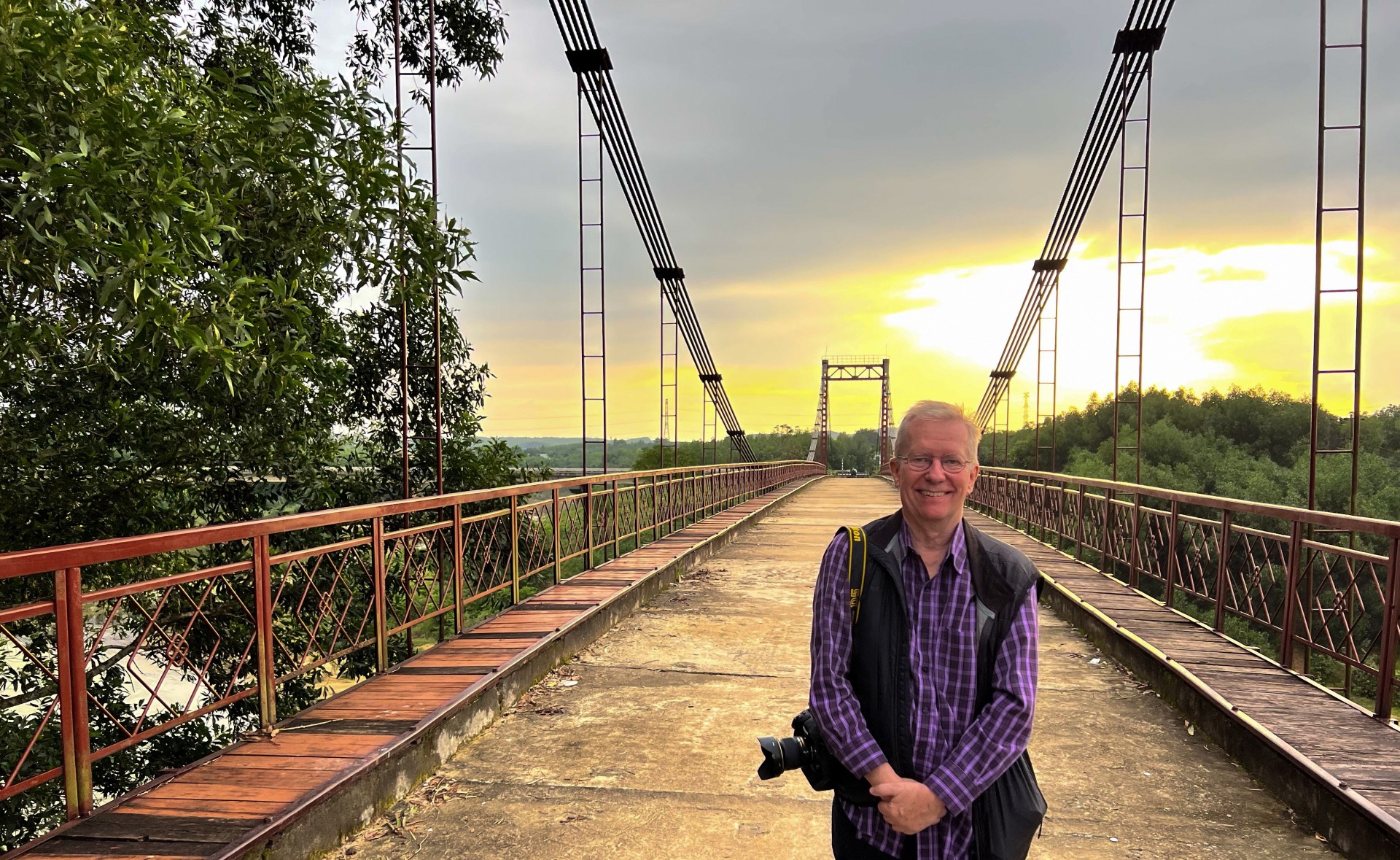 |
| Danish journalist, diplomat and businessman Thomas Bo Pedersen at the 17th Parallel. |
Today, Viet Nam has become one of the world’s rapidly developing countries, rising into the middle-income group not only in Asia but also globally. Personally, I have never witnessed another country achieve such rapid and comprehensive progress as Viet Nam. It is truly remarkable.
A typical example of Viet Nam’s transformation is food production. Before the Doi Moi process was initiated, Viet Nam faced many difficulties and still had to receive food aid from other countries. Yet just a few years after Doi Moi, Viet Nam had risen to become one of the world’s leading rice exporters. Not only did the country ensure domestic food security, but it also exported rice, pepper, seafood and many other essential products, followed by oil and gas and many other important sectors.
At the same time, small businesses flourished across the country. From urban areas to rural communities, from every street to every village, new businesses were constantly emerging. Development took place rapidly and extensively, at many different levels, from household businesses to enterprises.
In my observation, this tremendous development was initiated and enabled by the sound policies of the Vietnamese leadership, but it was the people themselves who directly carried out this transformation. Therefore, if you ask whom the Vietnamese people should thank for the significant improvement in their lives, my answer is: they can thank themselves.
Of course, the Government’s role is very important; foreign investors, domestic investors, as well as the increasingly significant capital contributed by the overseas Vietnamese community over the past several decades have all helped drive growth. However, whenever Viet Nam surprises the world, I have always believed that the decisive factor remains its people.
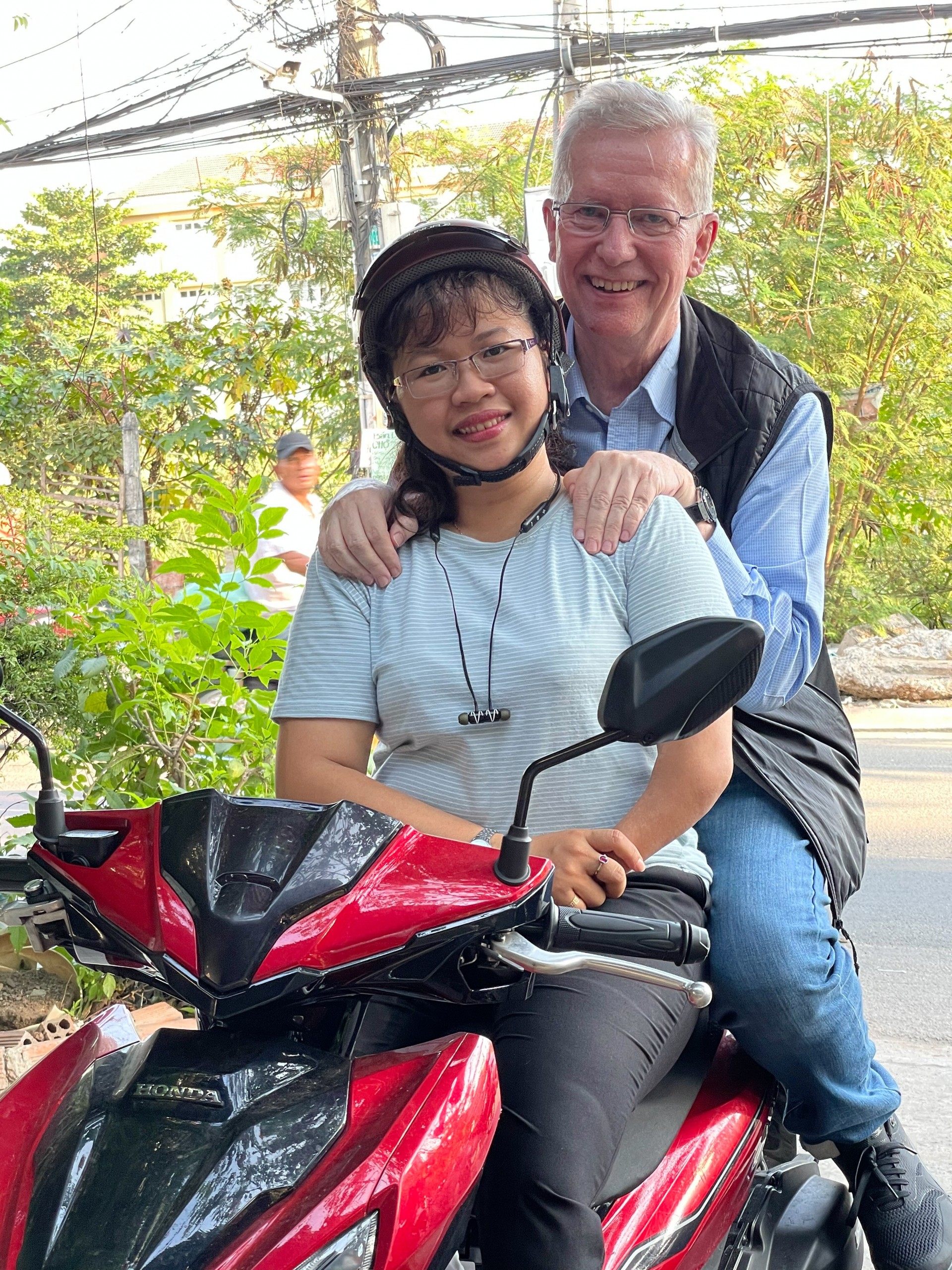 |
| Danish journalist, diplomat and businessman Thomas Bo Pedersen with a Vietnamese friend. |
- In your view, what factors contribute to Viet Nam’s attractiveness and reputation?
What Viet Nam has achieved today is the result of a sustained effort to improve its relations with international partners, including the US.
Today, Viet Nam is regarded as an attractive destination for foreign investment, with foreign direct investment growing steadily year after year. However, Vietnam’s attractiveness does not come solely from its geographical location or legal framework. The core factor, in my view, is the Vietnamese people.
Over many years of doing business in Viet Nam, I have worked with thousands of Vietnamese employees. My success as a business manager did not come from my individual capabilities, but from my Vietnamese staff and colleagues. I am completely sincere when I say that, and I believe many other investors in a similar position would share the same view.
In particular, I would like to acknowledge the contribution of Viet Nam’s female workforce. Based on my personal experience, I have found that female employees and colleagues are far more effective, resilient and reliable in their work. They are an important part of the human resources that have created and continue to sustain Viet Nam’s attractiveness.
In my former company, around 90% of the workforce were women, partly due to the nature of the textile and garment industry. What is noteworthy, however, is that women played a leading role not only in production but across the entire management system, from administration, human resources and logistics to leadership positions at various levels.
What particularly impressed me was that despite shouldering numerous family responsibilities - caring for their children and looking after both sides of the family - Vietnamese female staff continued to work with great efficiency and professionalism. I truly do not understand how they manage to balance all of these responsibilities, but the results are very clear. The resilience, sense of responsibility and capabilities of Vietnamese women have become one of the outstanding strengths of Viet Nam’s human resources as a whole.
- How do you assess the Vietnamese Party and State’s recent policies concerning the development of the private sector and the improvement of the investment environment?
From my personal experience, one thing that deserves particular recognition about the Vietnamese Government is its willingness to listen. Over the years, I have participated on many occasions in direct dialogues with Vietnamese leaders. As a businessperson, I was once invited to meet Prime Minister Pham Minh Chinh for a frank discussion about businesses’ needs, difficulties and expectations regarding the investment environment in Viet Nam.
Most recently, when I was in charge of establishing my company’s factory in Gia Lai, the local authorities proactively invited the business to engage with them from the early stages, discussing everything from infrastructure and human resources to administrative procedures and regulations. This demonstrates an open, equal and substantive approach to dialogue.
With the clear identification of the private sector as an important pillar, together with this spirit of dialogue and willingness to listen to businesses, I believe Viet Nam is moving in the right direction in improving its investment environment and promoting sustainable economic development.
- Thank you very much!
 Young Venezuelans Explore Viet Nam Young Venezuelans Explore Viet Nam Dr. Carolus Wimmer, President of the Venezuela-Viet Nam Friendship House (CAVV), told Viet Nam Times Magazine about how young Venezuelans are learning Vietnamese, exploring Viet Nam’s culture and history, and learning about the stories that have connected the peoples of the two countries across generations. |
 Connect Younger Generation, Carry on Hungary - Viet Nam Friendship Connect Younger Generation, Carry on Hungary - Viet Nam Friendship The Hungary - Viet Nam Friendship Association and the Association of Vietnamese People in Hungary recently held a gathering in Budapest. At the event, Vietnamese Ambassador to Hungary Bui Le Thai emphasized the importance of fostering continuity between generations and attracting more young Hungarians to learn about Viet Nam and participate in friendship activities. |


Related Stories
 Handbook
Science and Technology Key to Viet Nam’s Sustainable Growth
 Overseas Vietnamese
Resolution 23: Unlocking Potential of Overseas Vietnamese
 Friendship
Vietnam’s Transformation Through International Eyes
 Overseas Vietnamese
Bridging Overseas Vietnamese Resources with Country’s Development Needs
Recommended
 Friendship
People-to-People Diplomacy to Strengthen the Hegemony of Internationalism: The Practical Example of the Solidarity Between Viet Nam and Cuba
 Friendship
Students Who Brought Me to Viet Nam
 Friendship
More Than 900 Students in Tuyen Quang Learn About Green Living
 Friendship
Deputy Minister Ho An Phong Elected President of Viet Nam-Belarus Friendship Association for 2026-2031
Popular article
 Friendship
First Congress of the Dong Thap Union of Friendship Organizations for the 2026-2031 Term
 Friendship
Promoting People-to-People Diplomacy to Build a Solid Foundation Rooted in “the People’s Hearts”
 Friendship
American Friends Help Ease the Pain of Agent Orange
 Friendship