
Vietnam Increasingly Affirms Role as Responsible Development Partner
 | Value of Nature in Vietnam’s Development Position |
| American Students Engage in Cultural and Historical Exchange in Vietnam |
Vietnam’s Position and Appeal
According to Pham Quang Tu, Vietnam’s position in the region and on the international stage is being increasingly affirmed in a clear and substantive manner. This is reflected in its economic development achievements, political stability, long-term development vision, and its increasingly proactive and responsible role within the international community.
In a context where the world is facing numerous uncertainties, Vietnam is regarded as a constructive dialogue partner that values multilateral cooperation and adherence to international law. Together with an independent, self-reliant, and flexible foreign policy, Vietnam has built strong trust with countries in the region as well as with international partners.
For development organizations such as Oxfam, Vietnam is increasingly viewed not only as a beneficiary of development outcomes but also as a partner with substantial practical experience to share. In areas such as poverty reduction, human development, and inclusive growth, many of Vietnam’s successful lessons have been disseminated by Oxfam and international partners through global cooperation programs.
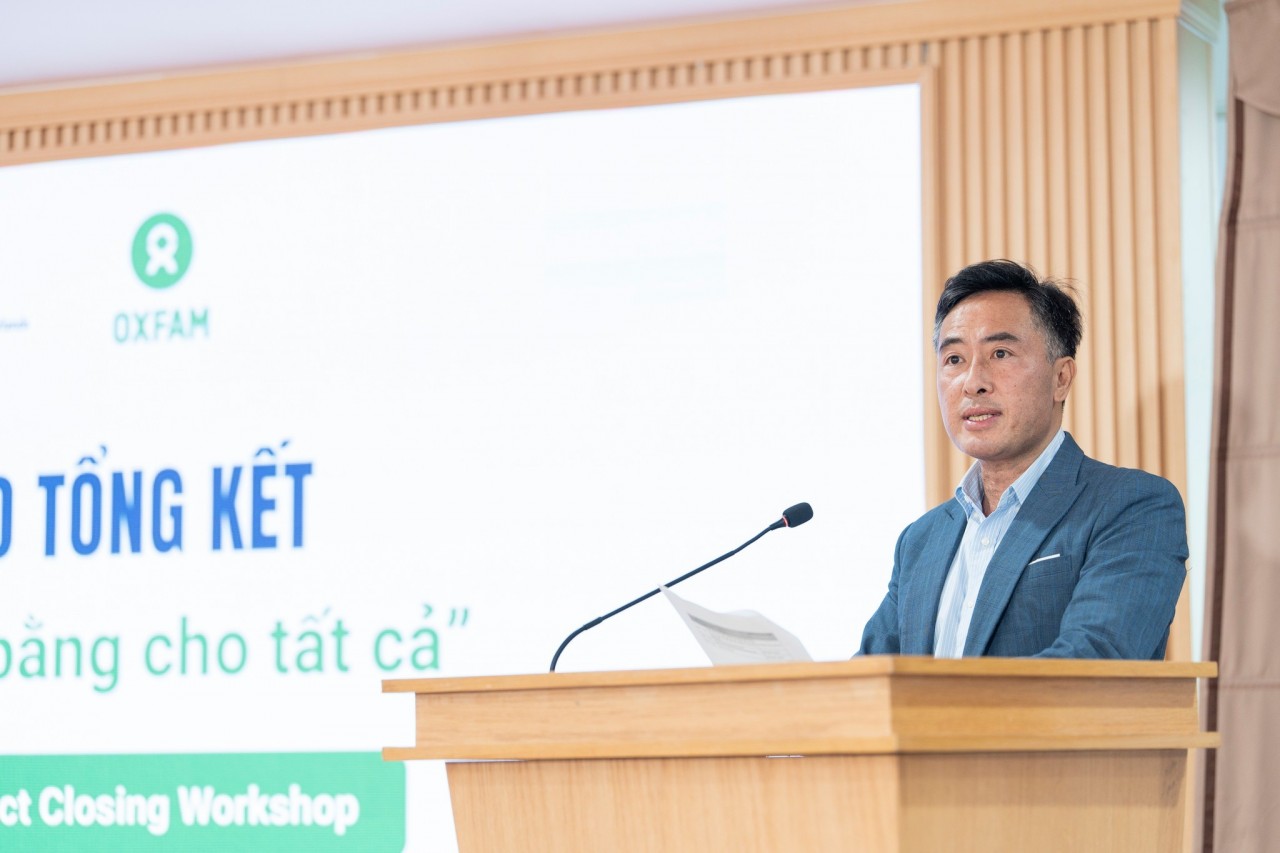 |
| Pham Quang Tu, Deputy Country Director of Oxfam in Vietnam. |
An important factor contributing to Vietnam’s appeal and credibility is the stability and consistency of its development orientation, in which people are placed at the center and the goal of leaving no one behind is upheld. Vietnam’s remarkable achievements in hunger eradication, poverty reduction, human development, and the expansion of access to basic social services have been widely recognized by the international community.
The Vietnamese people - dynamic, creative, and highly adaptable - are regarded as the most valuable resource for development. Breakthrough reforms such as the consolidation of ministries, sectors, and administrative units; the issuance of important resolutions on science and technology, innovation, and international integration; and the development of the private economy demonstrate Vietnam’s strong determination to create new drivers of growth. Although more time is needed for these policies to be effectively implemented in practice, the international community highly appreciates Vietnam’s strategic and long-term orientations.
People-Centered Development and Drivers for Sustainable Growth
Pham Quang Tu believes that in the current global context, where many countries are facing rising inequality, increasingly severe impacts of climate change, and socio-economic shocks, the emphasis in the draft documents of the 14th National Party Congress on development for the happiness of the people is both profound and timely. Development under this approach is not measured solely by economic indicators, but also by quality of life, access to opportunities and essential services, as well as people’s sense of safety and security. This is a trend being pursued by many countries and international organizations that place people at the center of the development process.
This orientation shares many similarities with the goals pursued by Oxfam, such as multidimensional poverty reduction, the promotion of social justice, and the building of a humane economy to ensure that no one is left behind. It provides an important foundation for Vietnam to further strengthen social resilience and move toward a more sustainable development model in the long term.
According to Tu, to realize the goal of people-centered development, economic drivers play a critically important role. In this regard, the draft documents of the 14th National Party Congress’s emphasis on the development of the private sector as a key driver of the national economy is not only aimed at promoting growth, but also at creating a foundation for expanding employment opportunities, improving livelihoods, and ensuring broad public participation in the development process. The role of the private sector should be assessed through its contributions to GDP and the state budget, as well as its capacity to create sustainable jobs, safeguard workers’ rights, promote gender equality, and reduce negative environmental impacts. For Oxfam, the robust development of the private sector and household economy represents an important opportunity to advance inclusive business models and responsible value chains, in which business growth is closely linked to the rights and interests of workers, communities, and the environment.
Despite many significant achievements, Vietnam continues to face challenges such as poverty and inequality in new forms, development gaps among regions and population groups, and the vulnerability of certain segments of the population in rural, mountainous, and ethnic minority areas.
There remains considerable scope for cooperation between Vietnam and international partners in areas such as green transition, climate change response, just energy transition, sustainable agriculture, food security, livelihood development, inclusive economy, responsible supply chains, inequality reduction, the promotion of gender equality, and the creation of opportunities for youth and vulnerable groups.
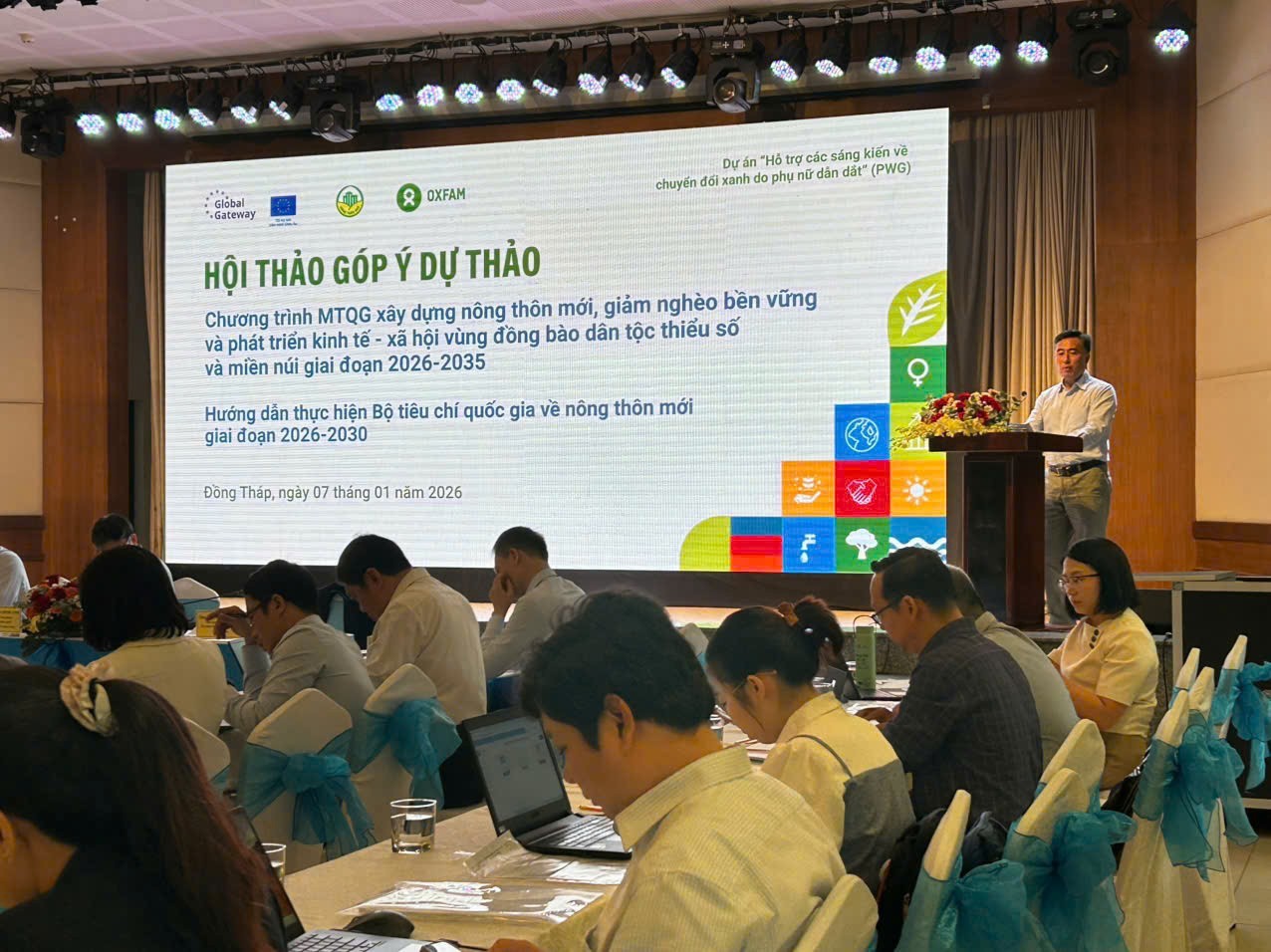 |
| Oxfam in Vietnam, in coordination with the Central Coordination Office for New Rural Development, organized a consultation workshop on the Draft National Target Programs on new rural development, sustainable poverty reduction, and socio-economic development in ethnic minority and mountainous areas for the 2026-2035 period. |
The Vietnamese National Assembly’s adoption of Resolution No. 257/2025/QH15 dated December 11, 2025, on the investment policy for the National Target Programs for the 2026-2035 period, including new rural development, sustainable poverty reduction, and socio-economic development in ethnic minority and mountainous areas, also opens up many concrete cooperation opportunities that international partners, including Oxfam, are particularly interested in and eager to continue supporting.
Pham Quang Tu expressed his confidence that cooperation based on trust, mutual respect, and mutual learning between Vietnam and international partners will continue to make important contributions to the goal of sustainable development and to improving the quality of life, toward the long-term happiness of the Vietnamese people.
 | The 14th National Congress of the Communist Party of Vietnam: Strategic Breakthroughs for an “Era of National Rise” The draft documents to be submitted to the 14th National Congress of the Communist Party of Vietnam reveal a strategic vision. With comprehensive breakthroughs spanning ... |
 | Vietnam Needs to Continue Prioritizing Children in the New Development Phase With more than 20 years of close engagement with Vietnamese children, Robert Kalatschan (Founder and President of Giving It Back to Kids - GIBTK, United ... |
Related Stories
 National
Ha Noi Unveils 100-Year Master Plan
 Viet's Home
Promoting Gender Equality, Social Inclusion in Water Resource Governance in Mekong River Basin
 National
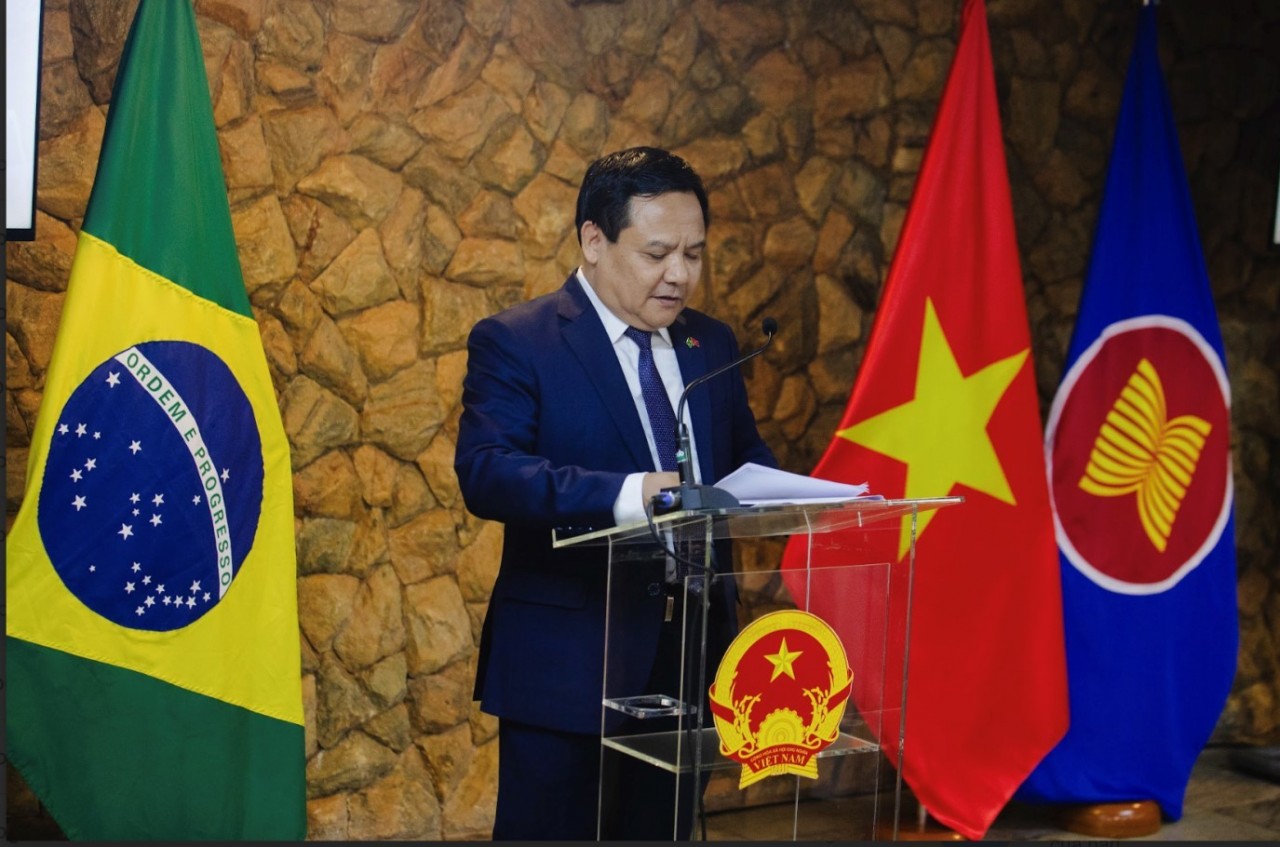
Brazilian Politicians and Scholars Honor the Historical Role of the Communist Party of Vietnam
 National
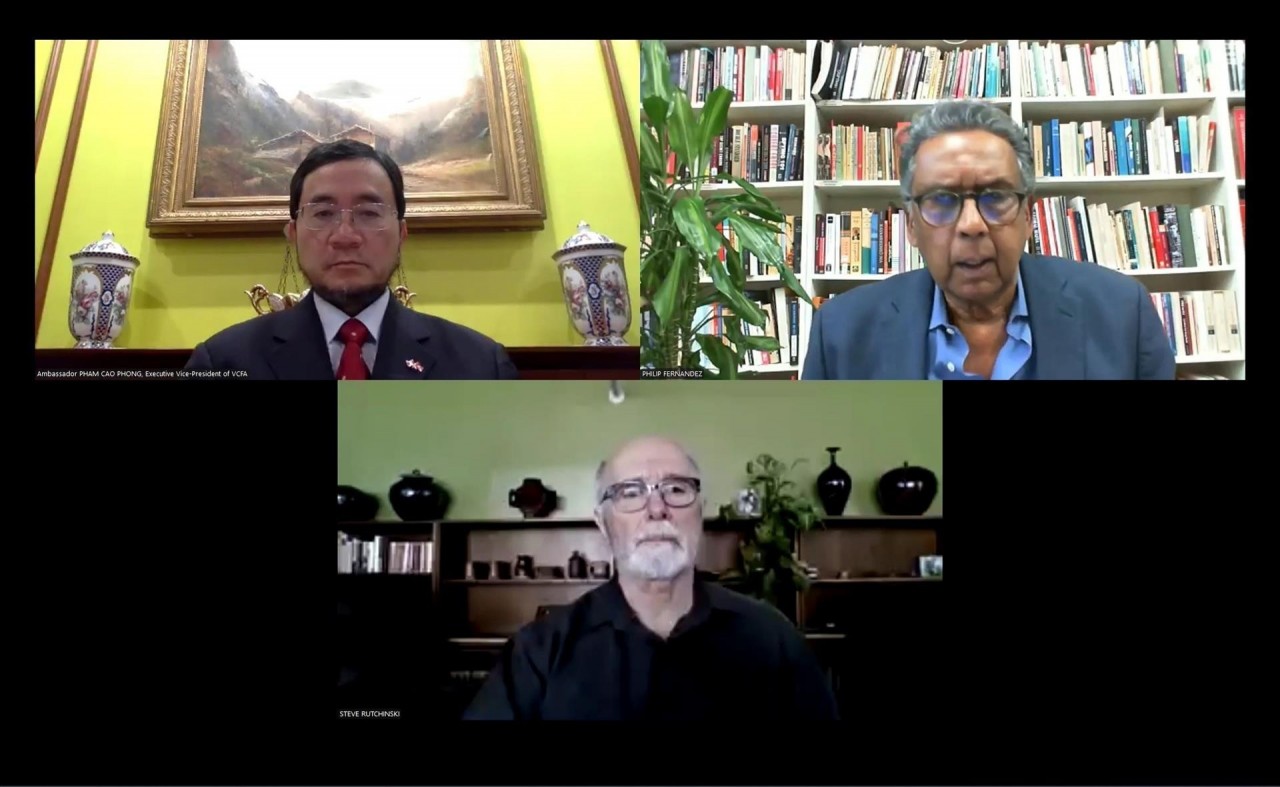
Canadian Friends Highlight Significance of 14th National Congress of Communist Party of Vietnam
Recommended
 Viet's Home
Integrating Local Cultural Values Into Tourism Activities
 Viet's Home
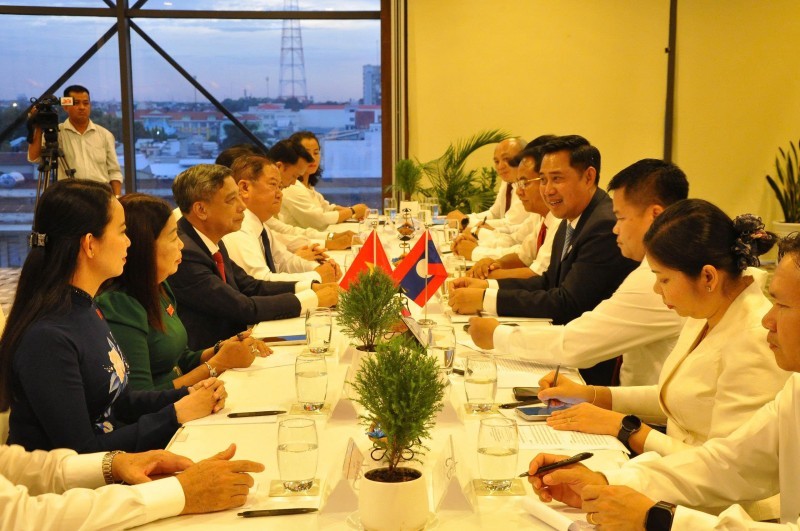
Champasak Proposes Expanded Cooperation with Can Tho Across Multiple Sectors
 Viet's Home
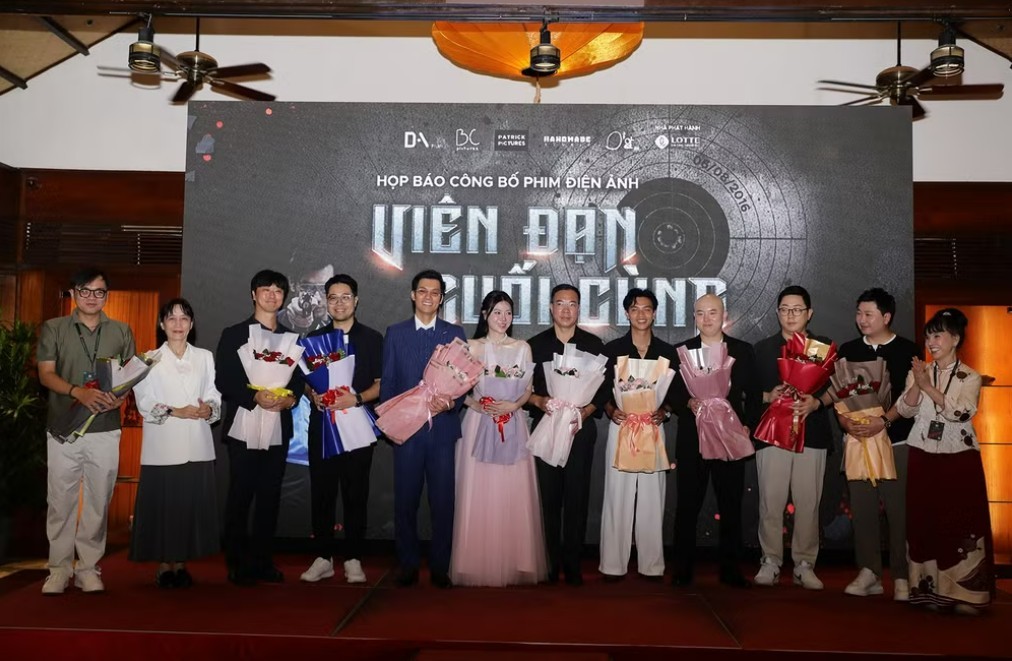
Olympic Champion Shooter Hoang Xuan Vinh Aspires New Viet-RoK Film Project
 Viet's Home
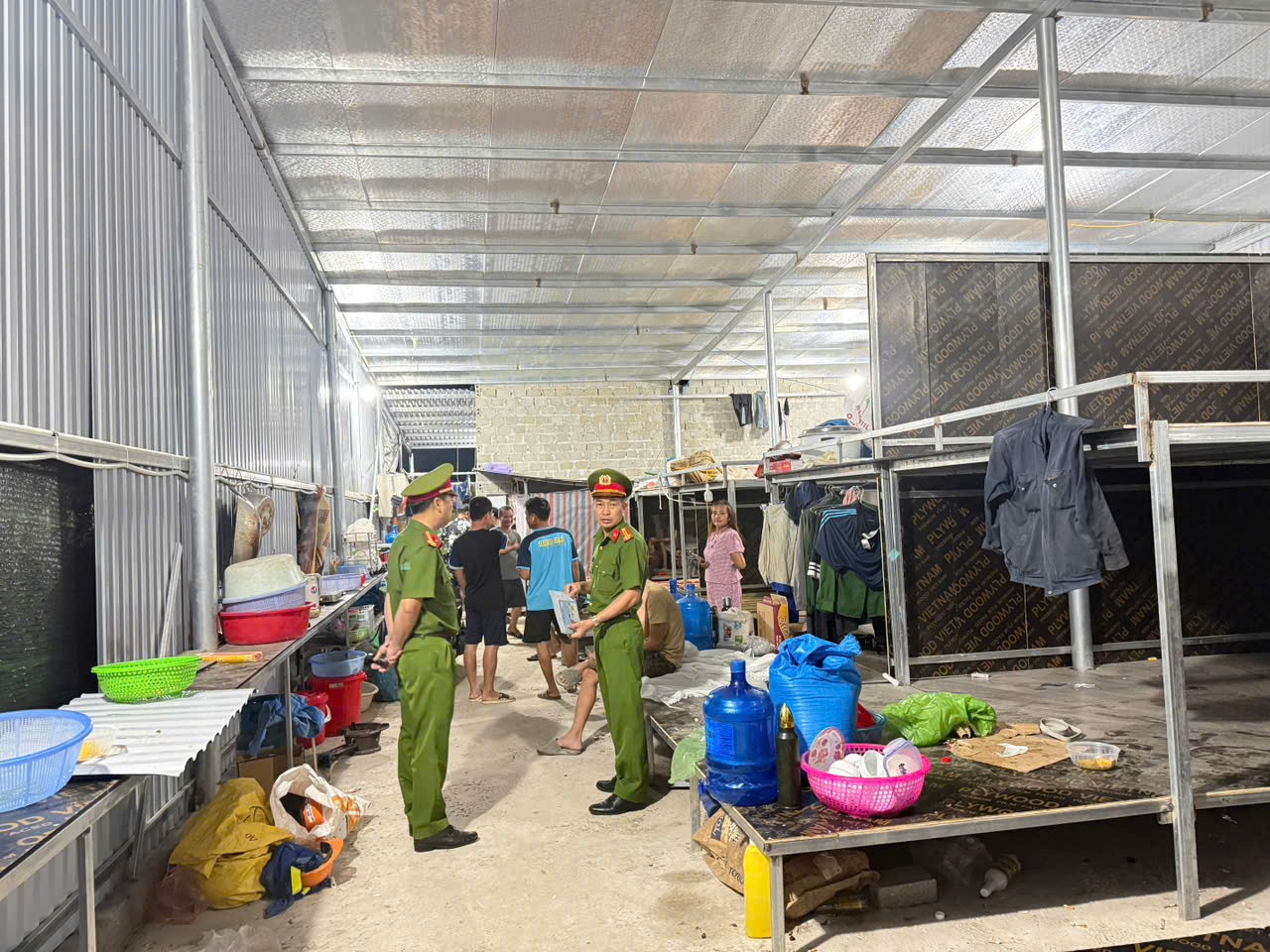
Vietnam Intensifies Monitoring Drug Use Crimes at Private Rental Accommodations
 Viet's Home
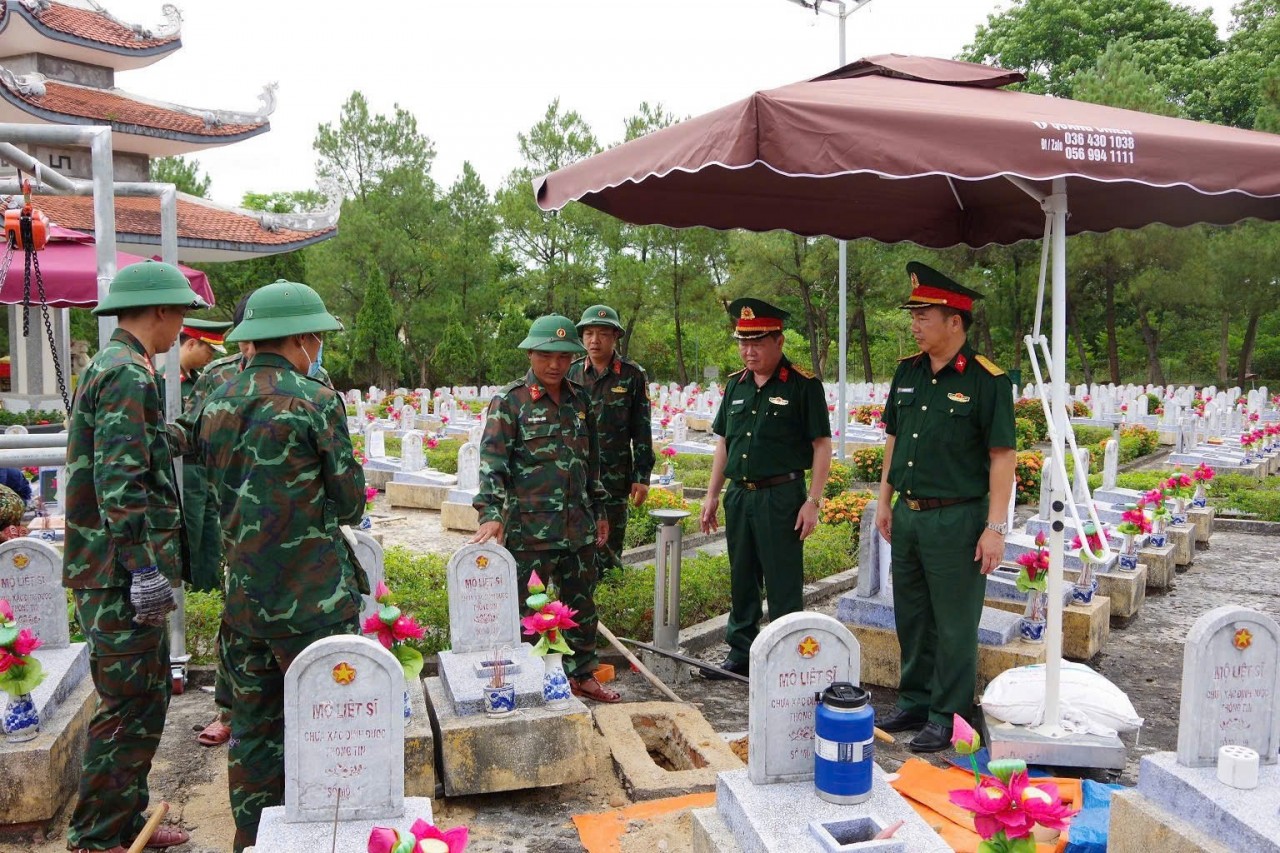
Quang Tri Provincial Authority Widen Scope For Search of Fallen Soldiers’ Remain Amidst Limited Information
 Viet's Home
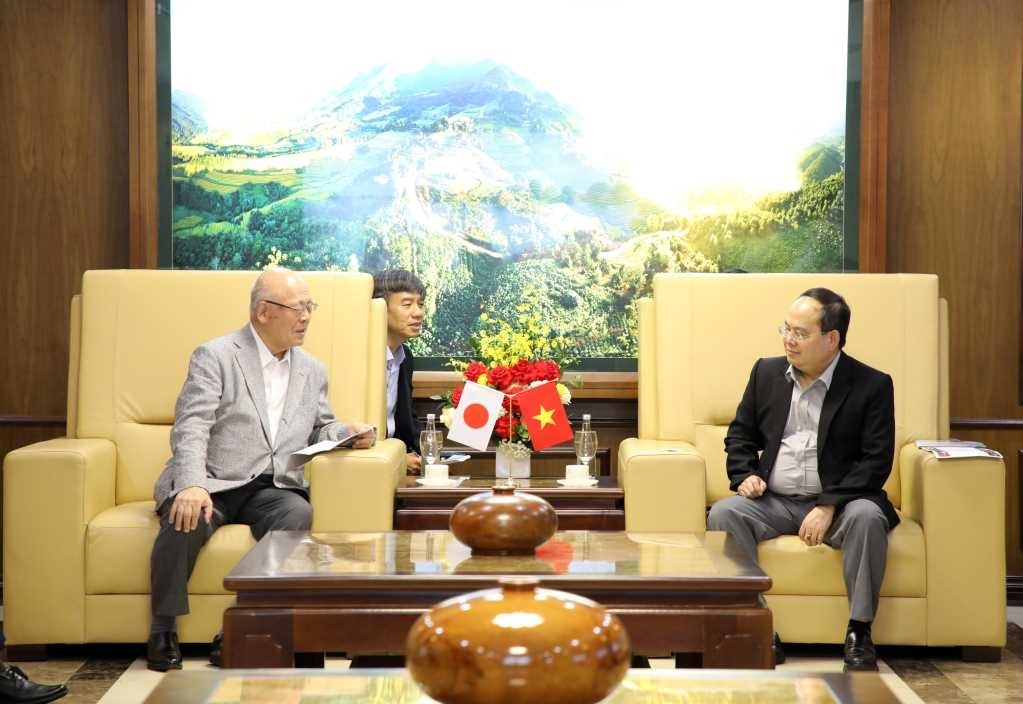
Promoting Cooperative Relations Between Hokkaido (Japan) and Quang Ninh
 Viet's Home
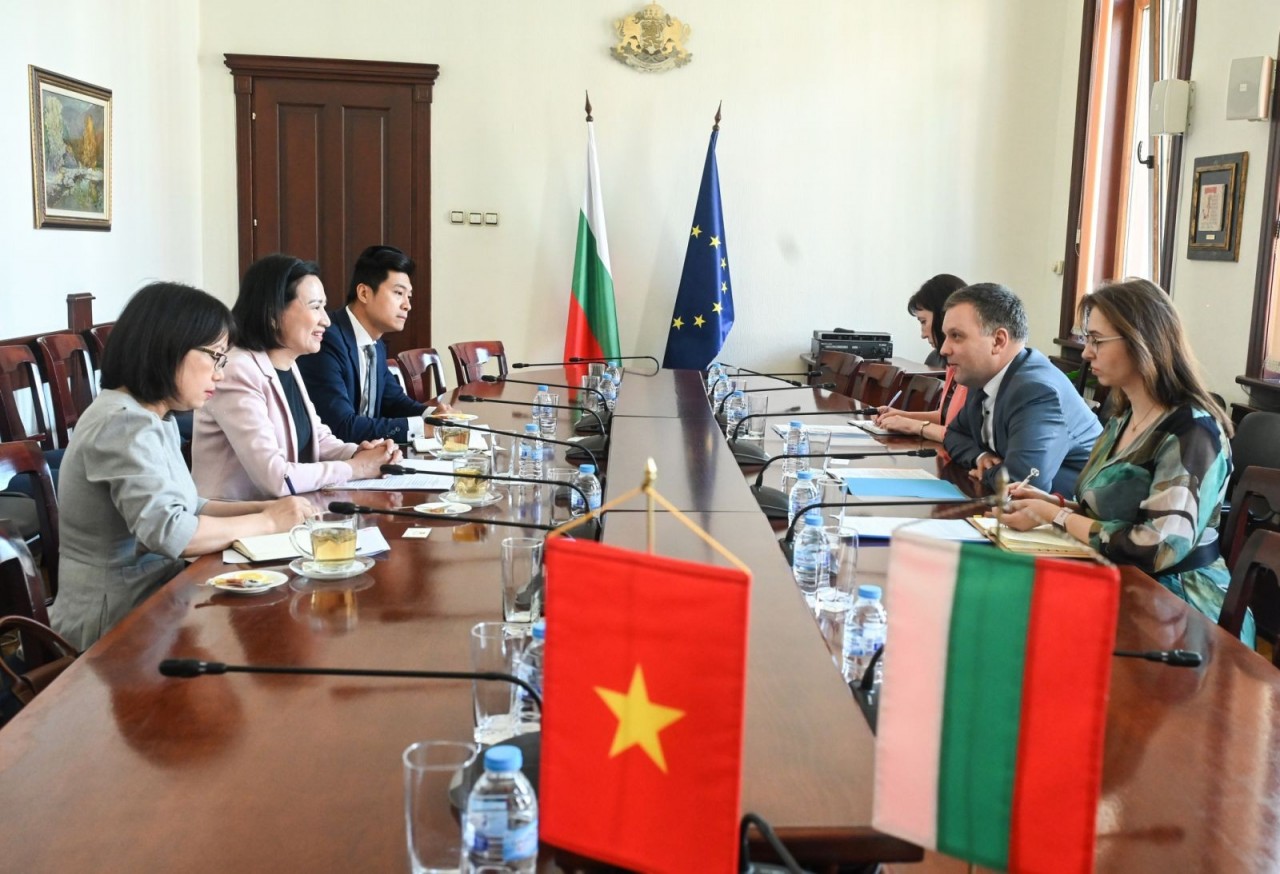
Vietnam, Bulgaria Promote Future Legal And Judicial Cooperation
 Viet's Home