| Vietnam News Today (Mar. 19) notable headlines Vietnam eyes stronger relations with Cambodia, Saudi Arabia, Dominica: State President Vietnam, China strengthen trust and expand defense cooperation French media: Vietnam rises among top group in global branded residences Vietnam, Japan advance new-generation ODA loan to accelerate green transition Vietnam draws strong interest from US tech investors Francophone Film Festival in Vietnam returns with seven-film selection Nordic countries, Vietnam share experience in decentralization in digital era Japan allocates JPY50 billion in next-generation ODA to support Vietnam’s green growth Belgium backs dioxin cleanup project to address war consequences in Vietnam |
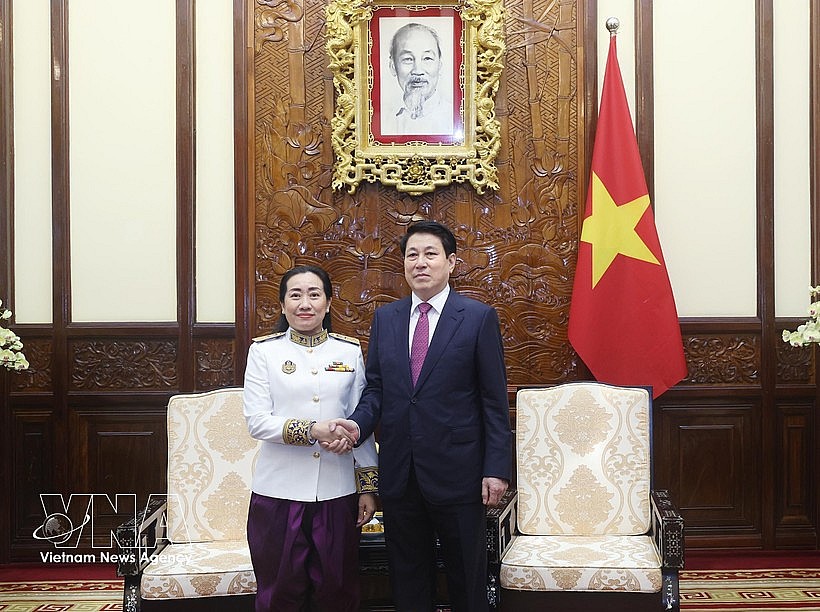 |
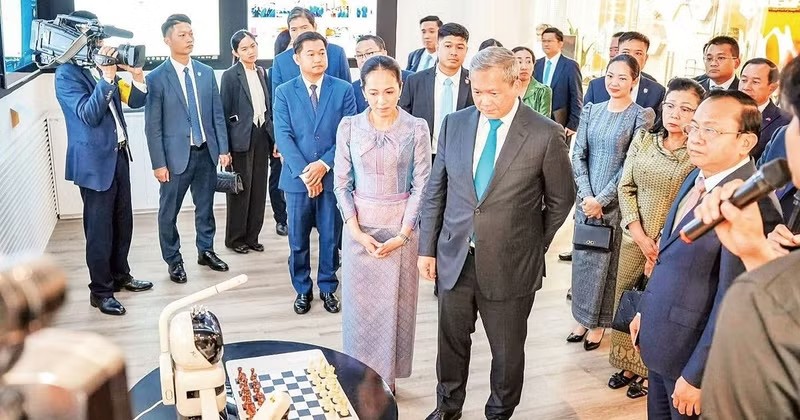
| State President Luong Cuong (R) receives Cambodian Ambassador to Vietnam Touch Pharat in Hanoi on March 18. (Photo: VNA) |
Vietnam eyes stronger relations with Cambodia, Saudi Arabia, Dominica: State President
State President Luong Cuong affirmed Vietnam’s commitment to bolstering relations with Cambodia, Saudi Arabia and the Commonwealth of Dominica while receiving these nations’ newly appointed ambassadors to Vietnam on March 18 as they presented their credentials.
Receiving Cambodian Ambassador Touch Pharat, President Cuong expressed his confidence that, with her diplomatic experiences, the diplomat will help further promote the good neighbourliness, traditional friendship, comprehensive cooperation and long-term sustainability between the two nations.
He highlighted the close-knit relationship between Vietnam and Cambodia, noting that nearly six decades since the establishment of diplomatic relations on June 24, 1967, the two countries have stood side by side in their struggles for national independence and in their current cause of national construction and development.
The President also underscored the significance of a recent state visit to Cambodia by General Secretary of the Communist Party of Vietnam (CPV) To Lam and high-level cooperation mechanisms among Vietnam, Cambodia and Laos, affirming their political importance and Vietnam’s consistent policy of giving top priority to strengthening traditional friendship with Cambodia, as well as the enduring solidarity among the three countries.
President Cuong called on the ambassador to work closely with Vietnamese ministries, agencies and localities to strengthen political trust, promote high-level exchanges, and enhance defense-security cooperation, particularly in building a borderline of peace, friendship, stability, cooperation and development, cited VNA.
The two sides should step up comprehensive and sustainable economic connectivity, viewing it as a key driver of the bilateral ties, while enhancing cooperation in trade, investment, infrastructure, finance and supply chains, towards raising bilateral trade turnover to 20 billion USD, he stressed.
For her part, Pharat congratulated Vietnam on the successful election of deputies to the 16th National Assembly and People’s Councils at all levels on March 15, as well as its strong achievements, including stable economic growth exceeding 8% in 2025.
She stressed that the Vietnamese Party chief’s February visit to Cambodia laid an important foundation for further strengthening the bilateral relationship in the time to come.
The diplomat expressed gratitude for Vietnam’s support in helping Cambodia overthrow the Pol Pot genocidal regime in the past and in the process of national construction and development at present. She also noted the two countries’ mutual support at regional and international forums.
Welcoming Ambassador Thamer Mohammed al-Gosaibi, President Cuong voiced his hope that the diplomat will make active contributions to promoting the friendship and multifaceted cooperation between Vietnam and Saudi Arabia, for the benefit of their people and for peace, stability and development in each region and the world.
Vietnam highly valued Saudi Arabia’s role and position in the Arab and Islamic world and its development achievements under Vision 2030, President Cuong stated, showing his belief that the Middle Eastern country will continue to attain further successes in national development.
Referring to tensions in the Middle East, the President expressed his hope for the early restoration of peace and stability in Saudi Arabia and the region, while thanking the country for helping ensure safety of Vietnamese citizens and facilitating their evacuation transit through the nation.
The President called for upgrading the bilateral ties to a strategic level; expanding defense–security cooperation, especially defense industry and cyber security; and boosting economic links by opening markets and leveraging complementary strengths to serve long-term development strategies of the two nations.
Highlighting Vietnam’s strategic location and developed port and logistics system, he proposed studying the establishment of a strategic crude oil reserve hub in Vietnam for Southeast Asia, serving storage, transshipment and export of crude oil and petrochemical products across the region.
The President reaffirmed that, as a responsible member of the international community, Vietnam stands ready to work with Saudi Arabia and other partners to seek peaceful solutions to ongoing conflicts and other conflicts in the region; and coordinate closely with Saudi Arabia within peace frameworks to support the reconstruction of the Gaza Strip.
The Ambassador pledged to foster stronger bilateral ties between the two nations, facilitate business cooperation and help implement existing agreements, while expressing Saudi Arabia’s readiness to support Vietnam in Halal industry development.
Welcoming Jean-Francois Harvey, the first ambassador of the Commonwealth of Dominica to Vietnam, President Cuong said Vietnam values Dominica’s role in the Caribbean and Latin America and hopes to strengthen the bilateral relationship and boost cooperation in trade, investment, culture and people-to-people exchanges.
He urged the Ambassador to work closely with Vietnam to further strengthen the bilateral ties, particularly by increasing high-level visits and exchanges among ministries and businesses, boosting still-modest trade, and supporting Vietnam’s engagement with the Caribbean Community (CARICOM).
The Vietnamese leader suggested the two sides consider advancing legal frameworks to facilitate business and investment, while enhancing coordination and mutual support at international organizations and multilateral forums.
For his part, Harvey affirmed the Dominican government’s regard for Vietnam’s role and standing in the region and the world. He pledged to make his utmost to further promote and expand cooperation with Vietnam across fields in the coming years.
Vietnam, China strengthen trust and expand defense cooperation
General Phan Van Giang, Politburo member, Deputy Secretary of the Central Military Commission and Vietnam’s Minister of National Defense, held talks with Senior Lieutenant General Dong Jun, China’s Minister of National Defense, in northern Quang Ninh province on March 18 within the framework of the 10th Vietnam-China Border Defense Friendship Exchange.
At the talks, Phan Van Giang said the 10th exchange carries special significance as it takes place shortly after the first Vietnam-China ministerial-level 3+3 strategic dialogue involving the ministries of foreign affairs, national defense and public security. The event demonstrates the active role of the two defense ministries in realizing common perceptions reached by senior leaders of the two Parties and States on defense cooperation.
He expressed confidence that with practical and meaningful activities, the exchange will conclude successfully, becoming an important feature of bilateral external relations in the early days of 2026 and contributing to a friendly and cooperative atmosphere between the two Parties, States and armed forces.
Reviewing the ten editions of the program, Phan Van Giang said the Vietnam-China Border Defense Friendship Exchange has become a notable feature in bilateral defense ties. Since its launch in 2014, the exchange has expanded over 12 years and 10 editions in both scale and depth.
Initially focused on activities between military units of the two countries, the exchange has gradually broadened in scale and format to include local authorities and organisations. Activities such as free medical check-ups and free medicine distribution for border residents, as well as cultural exchanges among students and communities, have been held on a regular basis. Many activities have become more substantive, including, for the first time this year, a joint training activity between the two navies.
The exchange has helped implement foreign policy orientations of both countries, while showing the leading role of the Central Military Commission and the defense ministries in carrying out high-level agreements on strengthening defense cooperation and building closer ties based on common ground, according to VOV.
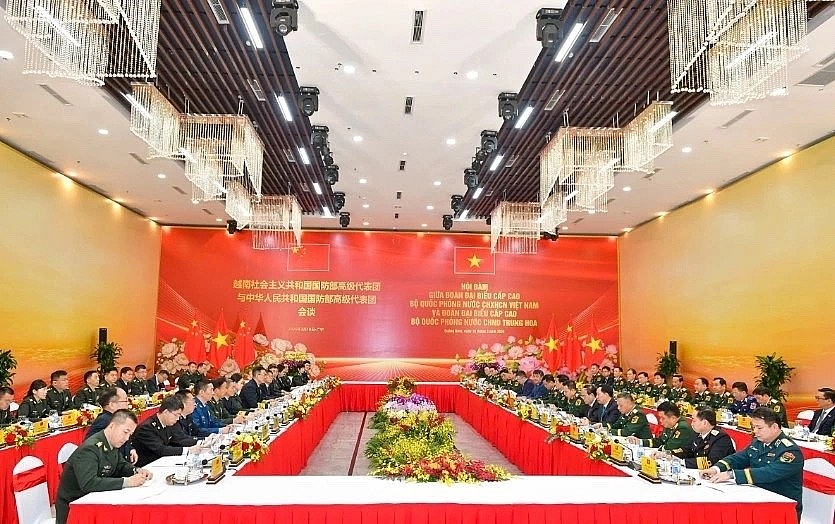 |
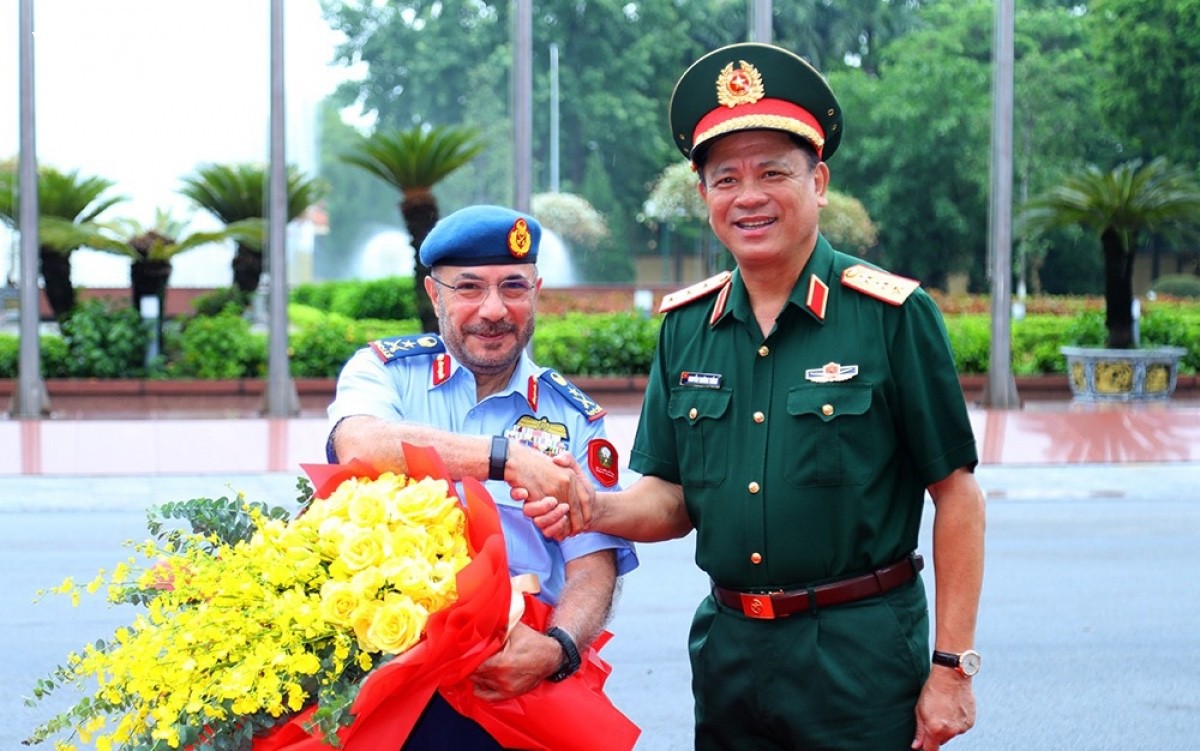
| At the talks between defense ministers of Vietnam and China. |
It has become an important channel for contact and discussion between the two defense ministries on issues of mutual concern, helping shape cooperation directions and reinforcing defense cooperation as a pillar of bilateral relations.
The exchange also promotes people-to-people ties, thereby creating opportunities for people in border areas of both countries to engage in cultural exchanges and share experience in socio-economic development, while boosting coordination among border protection forces in handling arising complex issues.
Phan Van Giang said the exchange has become a typical model of border defense cooperation and an annual external activity of political significance, receiving support from leaders at all levels, support from people of both countries and attention from the international community.
On future directions, he proposed that both sides continue to maintain and further strengthen the mechanism, making it more substantive and effective, while reaffirming its role as an important annual political and diplomatic activity and a key channel for exchanges between the two defense ministries.
He also suggested increasing communication efforts to broaden the reach of the exchange and underline the message of political trust and friendship between the two Parties, States and armed forces.
For his part, Dong Jun thanked Phan Van Giang and Vietnam’s Ministry of National Defense for organising the activities of the exchange. He said he was pleased to co-chair the event and noted that he and Phan Van Giang had recently attended the first ministerial-level 3+3 strategic dialogue, where they discussed bilateral defense cooperation.
He said ties between the two countries and their militaries have continued to strengthen, and that defense cooperation activities have contributed to closer relations. He added that both sides should expand exchanges to help maintain regional and global stability.
Since its launch in 2014, the exchange has spread a spirit of friendship and contributed to significant progress in bilateral relations, he said, adding that the mechanism has grown more substantive in recent years and expanded into new areas.
Dong Jun said the exchange contributes to bilateral ties, strengthens ties among people in border areas of both countries, and promotes exchanges among Vietnam, Laos and China. Building on this tradition, both sides should continue to expand exchanges between their armed forces.
On this occasion, Dong Jun invited Phan Van Giang to attend this year’s Xiangshan Forum.
Later the same day, a farewell ceremony for the Chinese defense delegation was held at Mong Cai International Border Gate. On March 19, a Vietnamese delegation led by Phan Van Giang will travel to China to take part in exchange activities in the Guangxi Zhuang Autonomous Region.
French media: Vietnam rises among top group in global branded residences
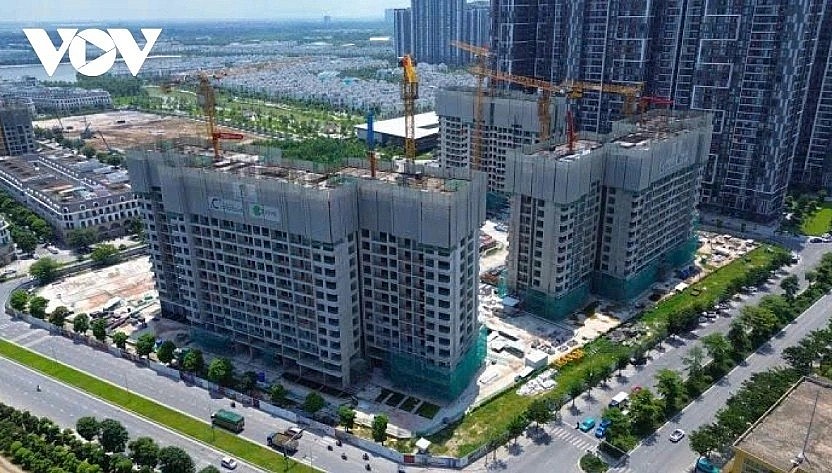
Vietnam is emerging as one of the world’s most dynamic markets in branded residences, supported by active participation from international hotel brands and rising demand from domestic customers, French financial magazine Le Revenu reported on March 17.
Citing Savills’ Branded Residences 2025-2026 report, the magazine said Vietnam has more than 50 branded residence projects associated with 34 international brands, ranking fourth globally by project count, behind the US, Saudi Arabia and Mexico. This is seen as a notable step, reinforcing Vietnam’s position in the global high-end property segment.
Within Southeast Asia, Vietnam holds a clear lead. Data from hospitality consultancy C9 Hotelworks show the country accounts for 41% of branded residence projects under construction in Asia, the highest share in the region. This growth comes more than two decades after early developments such as Four Seasons Nam Hai in Quang Nam province and Hyatt Regency Da Nang in Da Nang city laid the foundation for the segment, cited VOV.
 |
| Photo: VOV |
Previously concentrated in resort destinations, the trend has expanded into major urban areas. In Ho Chi Minh City, large-scale projects include Grand Marina Saigon, developed by Masterise Homes in partnership with Marriott International and JW Marriott, and The Rivus, comprising 121 ultra-luxury villas under the Elie Saab brand.
In Hanoi, international brands are increasingly visible, including The Ritz-Carlton Residences, Hanoi at The Grand, marking further development of the segment in the high-end urban market.
Coastal tourism destinations continue to attract major projects such as InterContinental Residences Ha Long in Quang Ninh province, Regent Phu Quoc and Park Hyatt Phu Quoc in Kien Giang province. According to Savills, three major groups, Marriott International, IHG Hotels & Resorts and Accor, account for around 40% of Vietnam’s branded residence market.
A notable trend is the rapid rise in domestic demand. According to property consultancy Knight Frank, buyers were mainly foreign investors in the past, but domestic middle- and upper-income groups are now becoming a key customer base, particularly in major cities.
Experts say branded residences in Vietnam are no longer limited to investment or rental purposes, but are becoming a lifestyle choice. Buyers are placing greater emphasis on brand, service quality, safety and long-term value, criteria commonly seen in developed markets such as Singapore, Bangkok and Dubai.
In the near term, the market is expected to expand further with around 30 new projects, concentrated in Ho Chi Minh City, Hanoi and key tourism areas such as Phu Quoc, Cam Ranh and Ha Long. These factors are expected to further strengthen Vietnam’s position in the global high-end property market.
Vietnam, Japan advance new-generation ODA loan to accelerate green transition
Japan is set to extend a new-generation official development assistance (ODA) loan worth 50 billion JPY (around 320 million USD) to Vietnam, featuring streamlined procedures and faster disbursement to support the country’s green transition efforts.
Expected to be signed in March 2026, the agreement will represent the second budget-support loan provided by the Japanese Government for Vietnam since 2023.
The program loan is viewed as a next-generation ODA model, designed with simplified preparation processes, accelerated disbursement mechanism, and closer alignment with policy reforms and resource mobilisation for sustainable development.
Addressing a seminar on the program loan for green transformation toward green growth and climate resilience on March 18, Japanese Ambassador to Vietnam Ito Naoki highlighted that the loan demonstrates Japan’s strong commitment to assisting Vietnam in advancing green growth, implementing its Nationally Determined Contributions (NDCs), and strengthening resilience to climate change and natural disasters.
He noted that the initiative moves beyond conventional lending by encouraging the application of advanced Japanese technologies, including artificial intelligence (AI) and satellite-based monitoring data, to support Vietnam’s green transition and disaster risk management. It is regarded as a new cooperation framework for Japan’s ODA deployment, cited VNA,
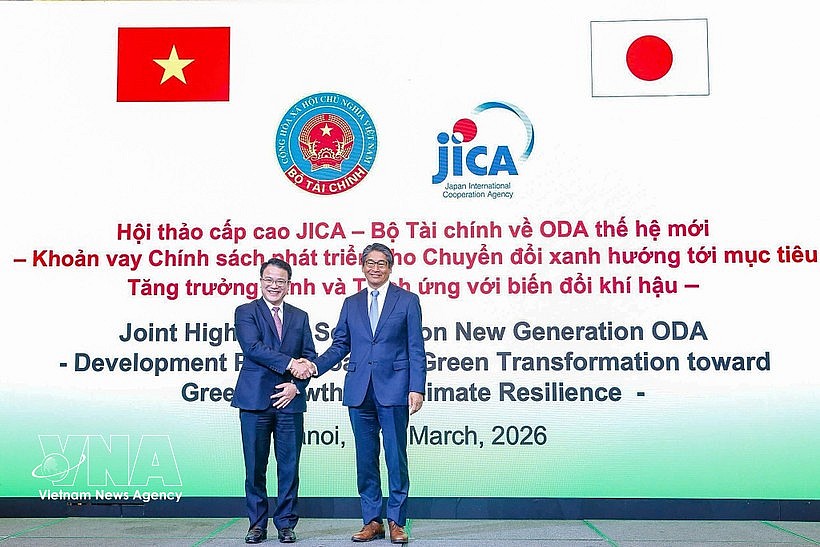 |
| Deputy Minister of Finance Tran Quoc Phuong (left) and Japanese Ambassador to Vietnam Ito Naoki at the seminar (Photo: VNA) |
Vietnamese Deputy Minister of Finance Tran Quoc Phuong said the loan is structured around three key pillars. The first focuses on developing and refining financial and investment incentive policies to promote wider participation in green transition areas, including carbon credit and green bond marketes. The second supports the drafting and implementation of policies linked to Vietnam’s NDC commitments. The third aims to enhance climate adaptation measures and strengthen disaster resilience and recovery capacity as Vietnam remains highly vulnerable to sea-level rise and extreme weather events.
Japan’s extensive experience in green transition and disaster risk management will help bolster Vietnam’s long-term response capacity through cooperation under the program, Phuong noted.
The seminar, jointly organised by the Ministry of Finance and the Japan International Cooperation Agency (JICA), introduced the green transition budget-support program and discussed policy measures supporting Vietnam’s national green growth strategy for 2021–2030, with a vision towards 2050.
At the 26th United Nations Climate Change Conference (COP26), Prime Minister Pham Minh Chinh pledged that Vietnam would achieve net-zero emissions by 2050. Since then, the country has continued refining its legal and policy frameworks to realise this commitment.
Through cooperation initiatives, including those supported by JICA, Japan has maintained active assistance for Vietnam’s green transition. JICA is currently implementing multiple technical cooperation projects covering forest conservation, disaster risk reduction, NDC implementation, and circular economy development.
During the seminar, Japanese enterprises also shared expertise, technologies, and solutions related to green transition and climate adaptation, opening up new opportunities for cooperation between government bodies and business communities of the two countries in the period ahead.
Vietnam draws strong interest from US tech investors
Vietnam is emerging as a strategic destination in the global technology supply chain, attracting growing interest from US investors, according to John W. Mitchell, Chairman of the Global Electronics Association (GEA).
Speaking at the Vietnam - US Innovation and Investment Forum held on March 17 in California, Mitchell described Vietnam as “a critical link” and a destination of increasing strategic importance.
“The strong commitment of the Vietnamese government, combined with a young and ambitious workforce, is acting as a powerful magnet for US investors,” he said, adding that GEA is committed to building solid bridges to bring global technology corporations deeper into the Vietnamese market.
Expanding cooperation in energy and high-tech sectors
Echoing this view, James Voss, Vice President of EXCEL Services Corporation, highlighted significant potential for cooperation in new energy sectors.
He noted that accelerating research and development, strengthening clean energy infrastructure and investing in workforce training could lay the foundation for large-scale, symbolic projects between the two countries in the coming era.
Demonstrating this momentum, the National Innovation Center (NIC) signed a series of strategic agreements with EXCEL Services, Azurich Investment Fund and major universities during the event, cited VNN.
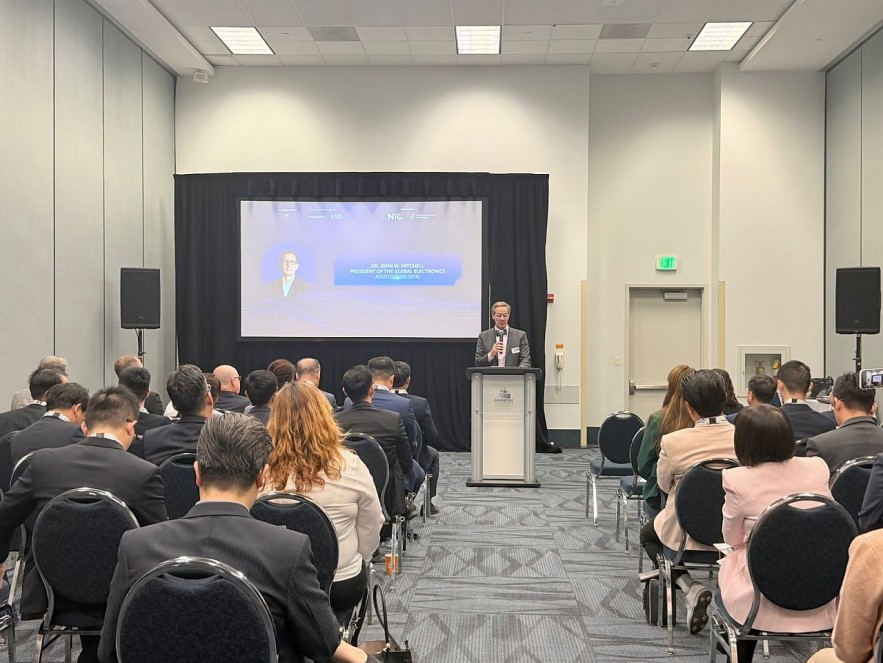 |
| John W. Mitchell, Chairman of the Global Electronics Association (GEA), speaks at the forum on March 17. Photo: NIC |
Vo Xuan Hoai, Deputy Director of NIC, emphasized that collaboration with global innovation ecosystems, particularly strategic partners in the US, would not only enhance Vietnam’s technological self-reliance but also help shape a stronger position in the global economic structure.
Connecting global talent and technology leaders
As part of a working trip from March 12 to 17, the NIC delegation held direct meetings with leading global technology companies and institutions, including NVIDIA, Meta, OpenAI, Marvell and Stanford University.
The discussions focused on opening new opportunities for cooperation in talent development and advancing key technology sectors such as semiconductors, artificial intelligence, cloud computing and unmanned aerial vehicles.
Attracting overseas Vietnamese talent was also identified as a top priority.
At a seminar on March 14 connecting Vietnam’s innovation network and experts in Silicon Valley, Le Viet Quoc, a leading expert at Google, said artificial intelligence offers Vietnam an opportunity to solve major development challenges and make breakthroughs in strategic technology sectors.
He pledged to help connect and mobilize around 100 top Vietnamese technology experts worldwide to contribute to the country’s development, with the initiative expected to begin in October this year.
More than 90 Vietnamese scientists, engineers, entrepreneurs and experts working at universities, research institutes and leading technology corporations in the US shared insights and proposed cooperation models in fields such as AI and digital twins, semiconductors, cloud computing, big data, quantum technology, blockchain, 5G and 6G networks, robotics and automation, biotechnology, energy and new materials, cybersecurity, aerospace and unmanned aerial systems.
According to Vo Xuan Hoai, mobilizing this intellectual resource is a key factor in strengthening Vietnam’s internal technological capacity and advancing strategic technology industries.
The series of events not only reinforced the comprehensive strategic partnership between Vietnam and the US but also helped translate political commitments into tangible economic and technological outcomes, enabling Vietnam to integrate more deeply into global value chains.
 | Vietnam News Today (Mar. 15): Vietnam Ensures Highest Level of Democracy in Elections Vietnam News Today (Mar. 13): Vietnam ensures highest level of democracy in elections; Hanoi’s 100-year master plan must put people at centre: PM; Vietnam steps ... |
 | Vietnam News Today (Mar. 15): Vietnam’s 16th National Assembly Election: Important Milestone in Development Trajectory Vietnam News Today (Mar. 15): Vietnamese, Chinese FMs agree to make new breakthroughs in substantive cooperation;Vietnam’s 16th National Assembly election: Important milestone in development trajectory; ... |