
In Photos: Admiring Dak Nong Geopark, which earns UNESCO’s global title
| Another geopark in Vietnam wins global status by UNESCO | |
| Vietnamese ambassador at UNESCO presents credentials | |
| Two Vietnamese representatives join UNESCO network of learning cities |

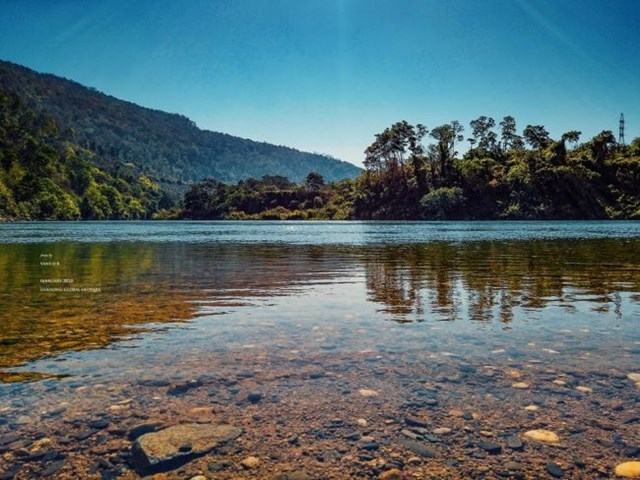 |
| Krong No river running through Dak Nong Global Geopark (Photo: Dai Doan Ket) |
With the new title, Dak Nong Global Geopark becomes the newbie of the global geoparks system.
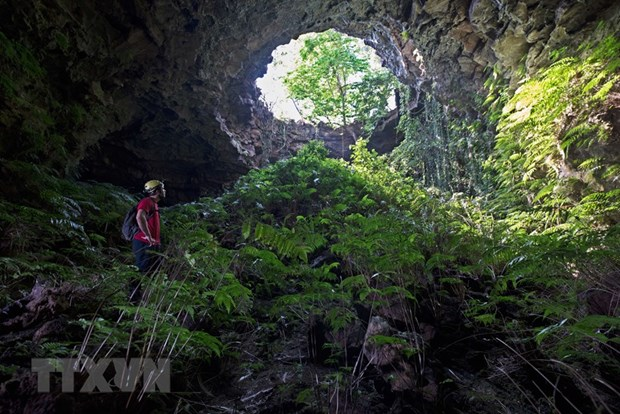
The Geopark was established in 2015, covering an area of more than 4,700 km2, accounting for over two-fifths the natural area of Dak Nong province, stretching over six out of eight districts and towns of Dak Nong province. Dak Nong Global Geopark is home to 65 geomorphologic heritage sites, including a system of nearly 50 caves that stretch for more than 10 thousand meters, craters, waterfalls, etc.
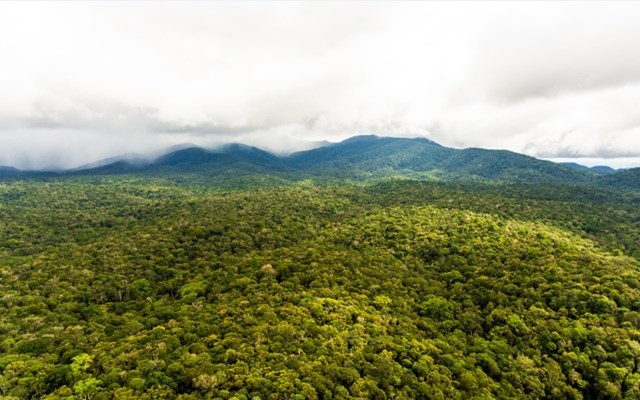 |
Nam Nung Nature Reserve in Dak Nong Global Geopark. (Photo: Dai Doan Ket) |
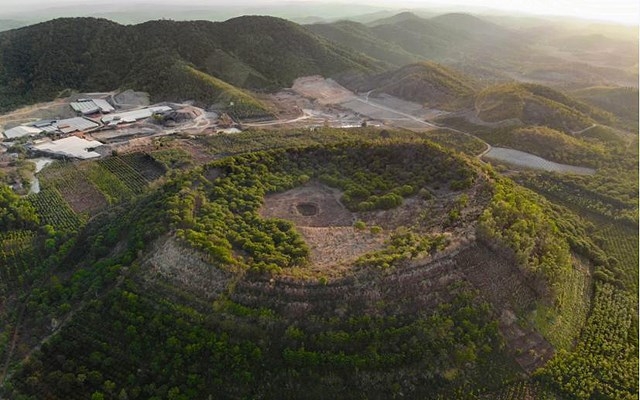 |
| Bang Mo volcano, Ea T’ling town, Cu Jut district, Dak Nong province. (Photo: Dai Doan Ket) |
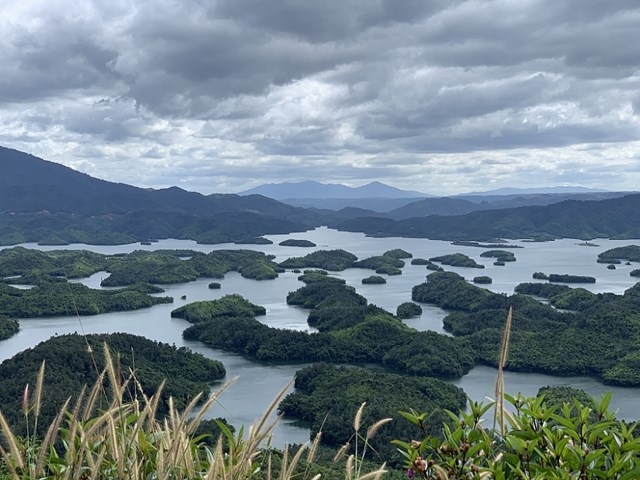 |
| The beauty of Ta Nung lake (Photo: Dai Doan Ket) |
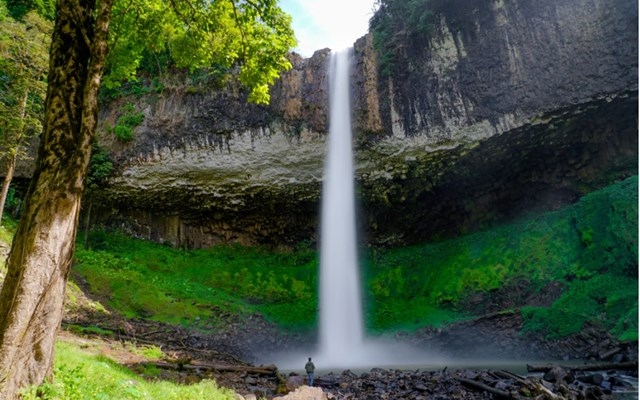 |
| Lien Nung spring is an ideal place to refresh your mind (Photo: Dai Doan Ket) |
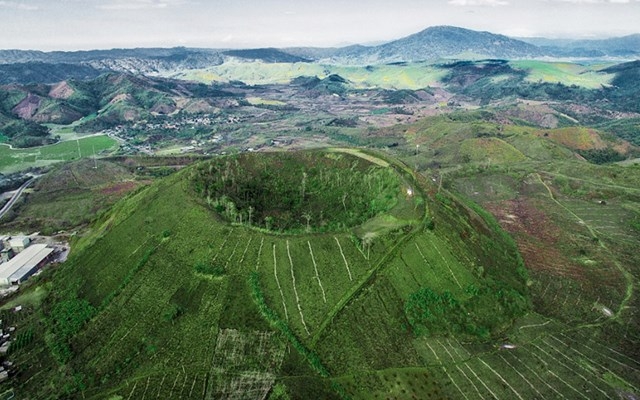 |
| Nâm Kar volcano (Photo: Dai Doan Ket) |
In addition, Dak Nong Global Geopark is also known for its rich red soil, as well as the tropical forest ecosystem housing typical values of biodiversity, unique cultural, geological, and natural features, especially the vestiges of prehistoric people, etc. Tourism activities in the area have long developed thanks to its majestic natural scenery and monumental.
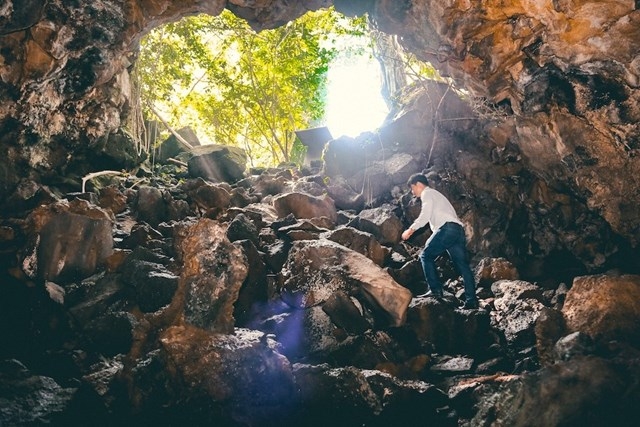 |
| Stunning view of Chu Bluk volcanic cave in Dak Nong Global Geopark (Photo: Dai Doan Ket) |
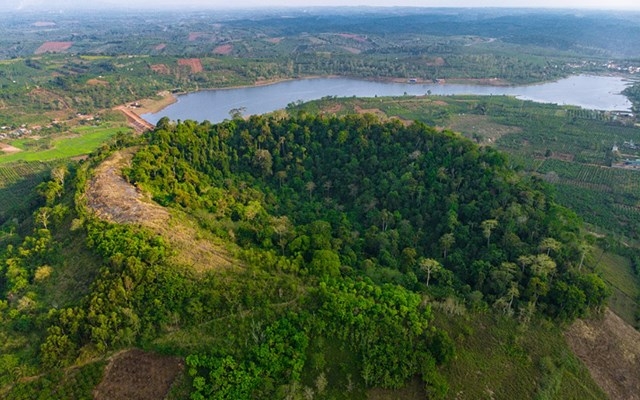 |
| Nam Gle volcano. (Photo: Dai Doan Ket) |
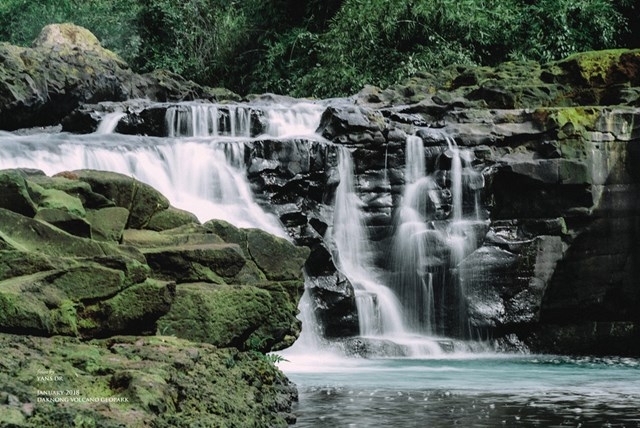 |
| Dak Rtih spring (Photo: Dai Doan Ket) |
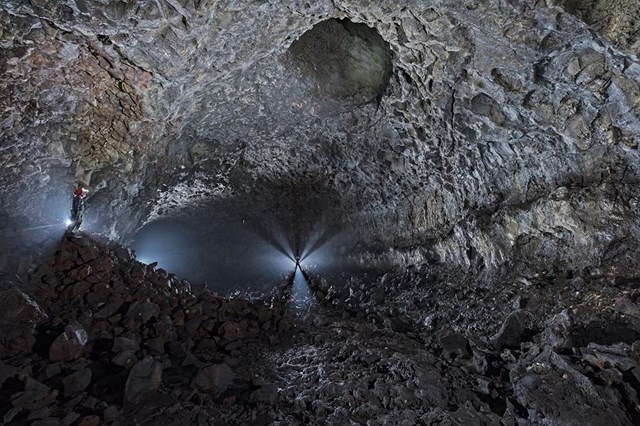 |
| Krong No cave, known as the longest and most beautiful lava cave in Southeast Asia (Photo: Dai Doan Ket) |
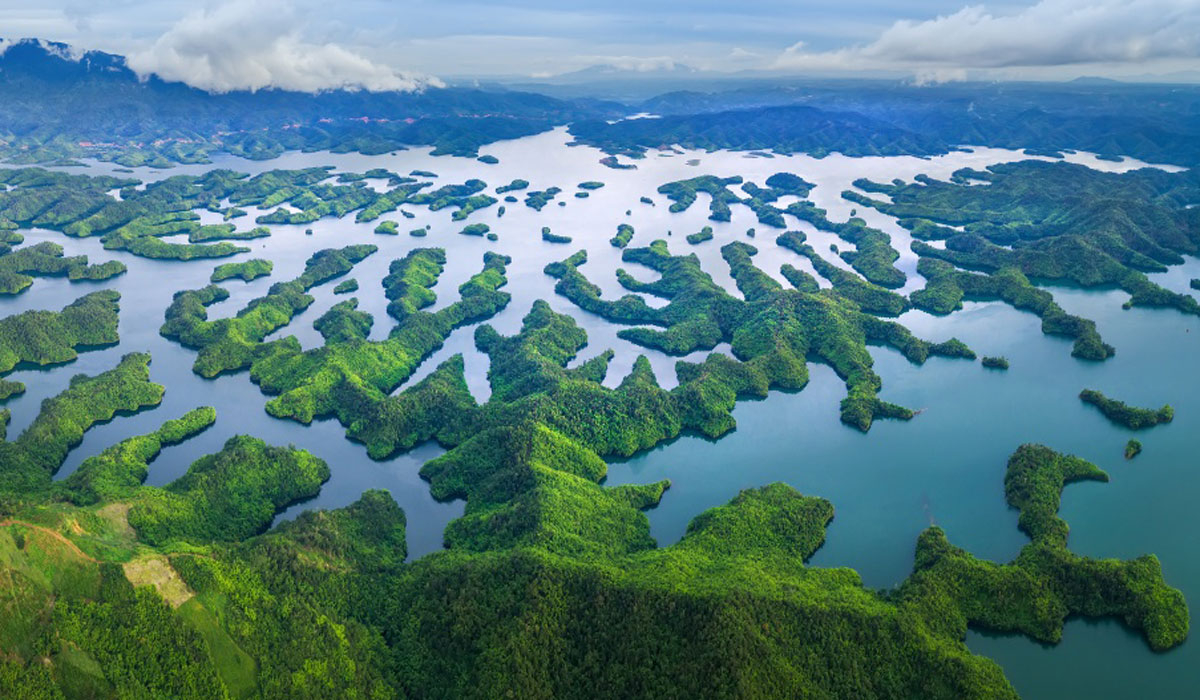 | Ta Dung Lake, Ha Long Bay of Central Highlands With nearly undulating 40 islets on the calm water, Ta Dung Lake in Dak Nong Province is dubbed as “Ha Long Bay of the Central ... |
 | Five expensive travel experiences in Vietnam Vietnam, with breath-taking natural beauty and friendly people, always captivates many tourists. Besides budget tourism experiences, Vietnam offers travelers with following costly ones. |
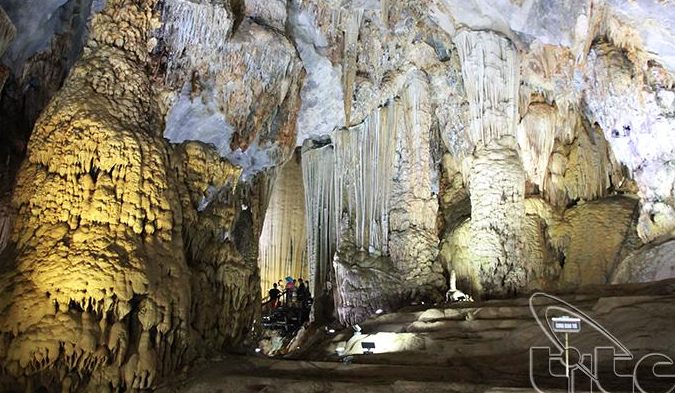 | Exploring the beauty of Asian longest dry cave in Quang Binh Thien Duong Cave is a familiar place for visitors to explore Quang Binh. The magnificent cave possesses a magical beauty with stalagmites and stalactites that ... |


Related Stories
 National
Vietnam News Today (Jun. 7): Vietnam, Canada Agree On Economic Cooperation Priorities for Next Period
 National
Vietnam News Today (Apr. 29): Mongolia Always Values Ties With Vietnam
 National
Vietnam News Today (Apr. 27): Vietnam Supports UNESCO's People-centered Approach, Multilateral Cooperation
 Friendship
Vietnam Affirms Active Role in Francophonie Community
Recommended
 Travel
Ninh Binh: Traditional Festivals as Powerful Tourism Draw
 Travel
Vietnam Accelerates Tourism Digitalization with AI and Data Technologies
 Travel
American Tourist Delighted by Act of Kindness from Boatman in Hoi An
 Travel
Vietnam Accelerates Digital Transformation in Tourism Development
Popular article
 Travel
Vietnam Welcomes Record Number of International Tourists
 Travel
Vietnam’s Endless Charm Attracts International Tourists
 Travel
Heritage-Based Tourism Unlocks New Development Resources
 Travel