
Learning to Be Parents
| Lighting Way: Bringing Peace of Mind to A Tuc Highland Village Giving Wings to Ta Long’s Green Vegetable Dream |
Starting with small changes
At just 11 months old, her child was already drawn to the phone screen. Whenever the baby became fussy or cried, Vu Thi May, a resident of Ban Vang Village, Yen Minh Commune, Tuyen Quang Province, would sometimes play cartoons to soothe the child. The baby would quickly sit still, giving the mother some extra time to work.
Previously, May did not think much about the habit. It was only after attending a session of the U18 Parenting Club, which is for parents with children under 18, that she began to realise that exposing children to mobile phones too early and for too long could develop into a habit that would be difficult to change later.
“Since the child is still young, they shouldn’t be allowed to watch for too long,” May said. She does not intend to ban her child from using the phone altogether, but will limit screen time. What the young mother took away from the session was the understanding that parents themselves also need to change the way they care for and interact with their children from the earliest years of their lives.
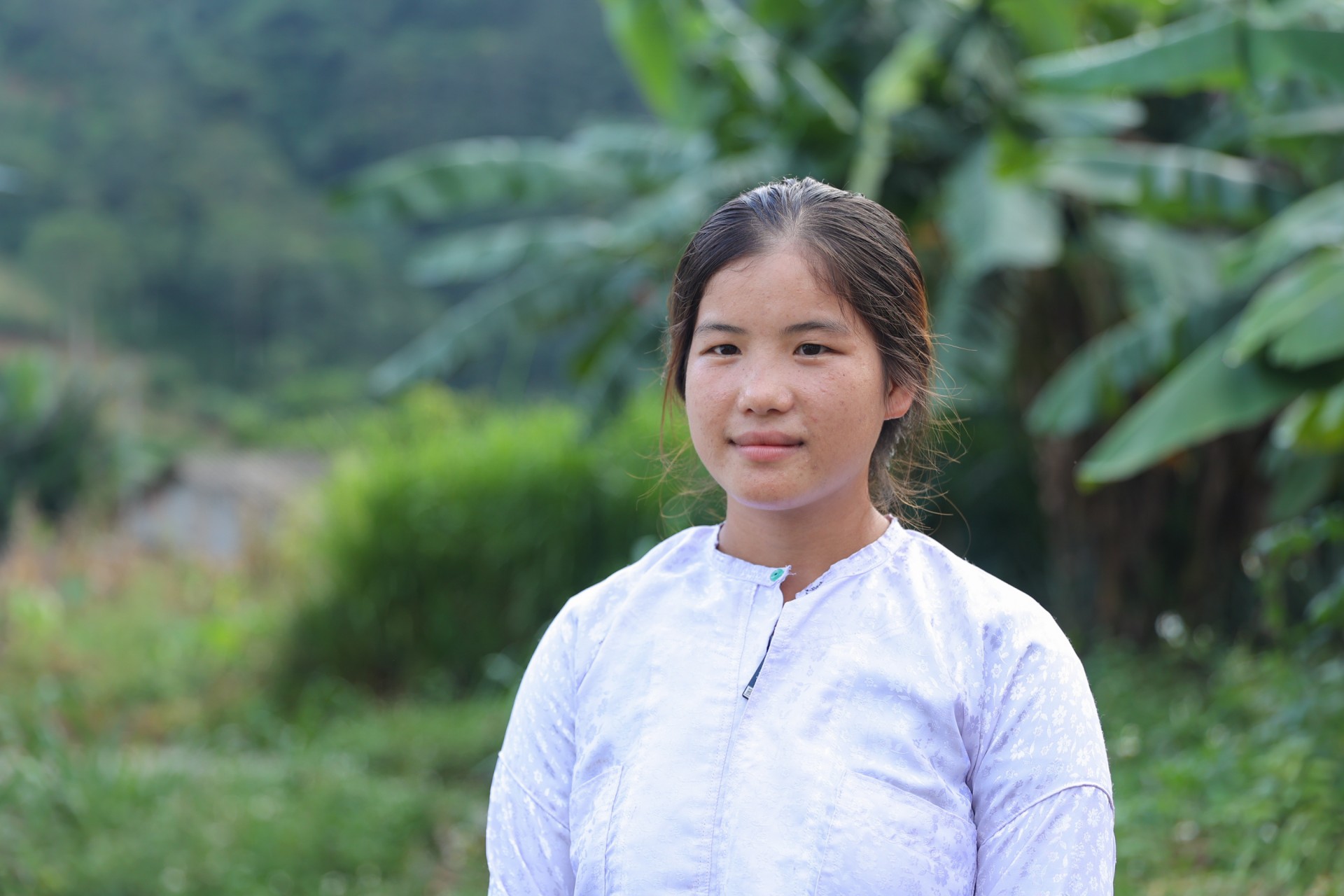 |
| Vu Thi May, a resident of Ban Vang Village, Yen Minh Commune, Tuyen Quang Province. (Photo: Dinh Hoa) |
May’s story is not an isolated case in Ban Vang Village. According to Vang Mi Cha, head of the village’s U18 Parenting Club, mobile phones are becoming increasingly present in family life. In households where there is no one available to look after the children or where parents are busy working in the fields and tending cattle, pigs and goats, a mobile phone can sometimes become the simplest way to keep children occupied and seated.
“If you don’t let them play with the phone, they won’t stay put,” Cha recalled, describing the situation faced by some families. Behind what may seem like a simple habit are very practical difficulties. Parents are busy making a living, while young children require almost constant care.
Cha said that in some families, children cried a lot when their phones were taken away; some children would only agree to go to school if they were given a phone. However, when parents consistently limited screen time, the children’s reactions gradually subsided. Some families now allow their children to watch only at certain times, such as at noon or in the evening, rather than letting them use the devices throughout the day.
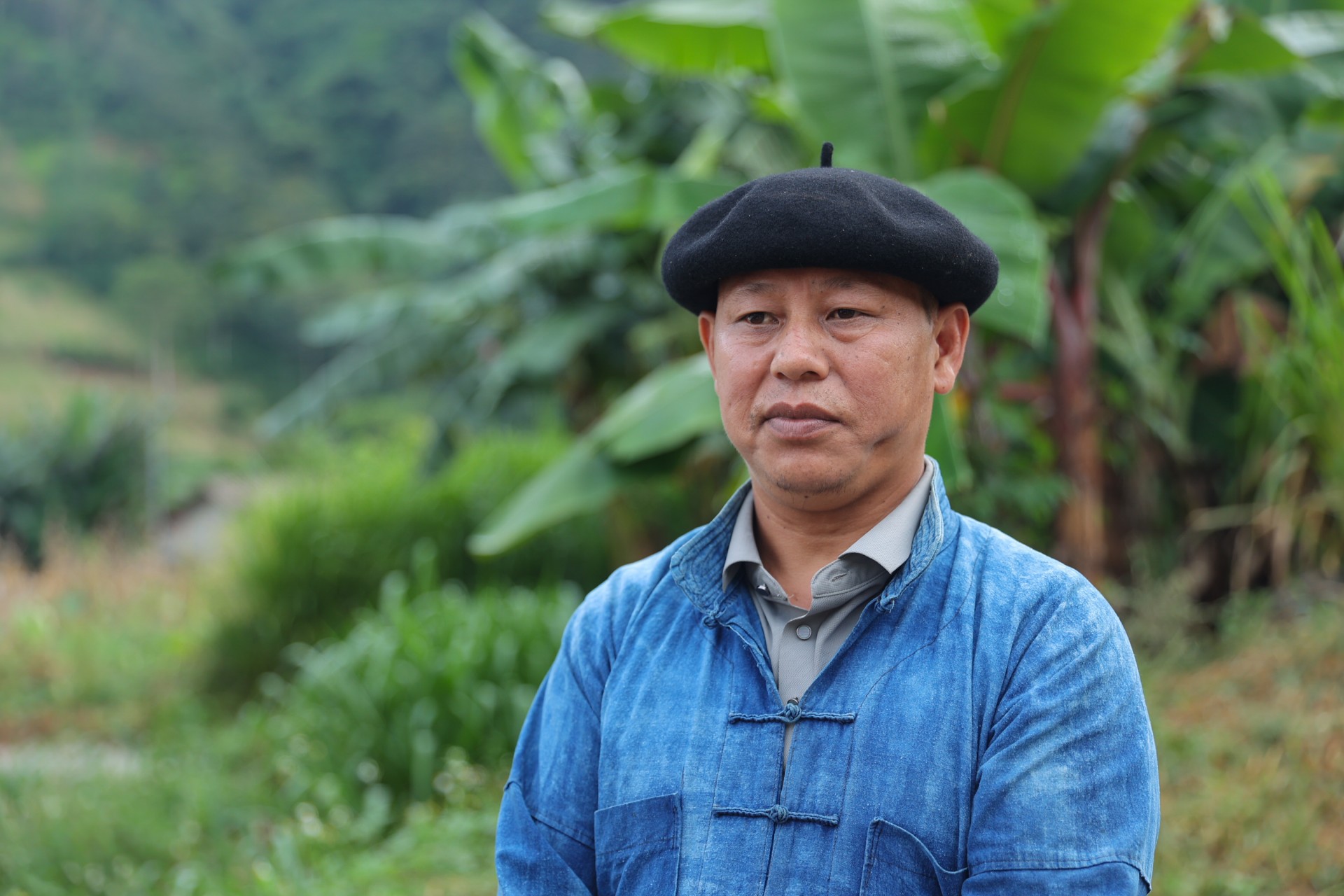 |
| Vang Mi Cha, head of the U18 Parenting Club in Ban Vang Village. (Photo: Dinh Hoa) |
Mobile phones are just one of the many issues discussed at the U18 Parenting Club. The sessions also help parents identify risks that children may face as they grow up, ranging from changes in their psychological and physiological development, mental health and positive discipline to risks in the online environment.
For Cha, if parents want to guide their children, adults must first learn themselves. Through the sessions, parents are encouraged to observe children’s behaviour, set clear boundaries and spend more time talking and interacting with them.
The changes may still be small, and their extent varies from family to family. But they represent a starting point for a different approach to parenting: not only caring for children’s visible needs, but also recognising potential risks, listening to their emotions and accompanying them through every stage of growing up.
Helping parents become a source of support
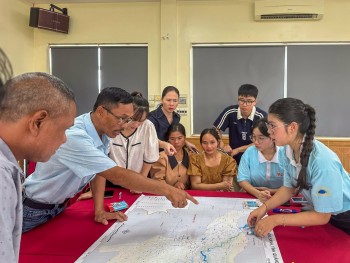
The U18 Parenting Club in Ban Vang was established in March 2026 and currently has representatives from 32 families. About once a month, members meet to discuss topics related to the care, education and protection of children under 18.
Rather than delivering knowledge in a one-way format, the sessions incorporate games, scenarios and discussions, making the content more accessible and memorable while allowing participants to relate it to their own family experiences.
Before community sessions are organised, group leaders and deputy leaders receive training in both the content and facilitation methods. Vang Mi Cha previously attended training courses organised by Plan International before returning to share what he had learned with people in the village. However, bringing new knowledge back to the community is not simply a matter of repeating what was covered in training.
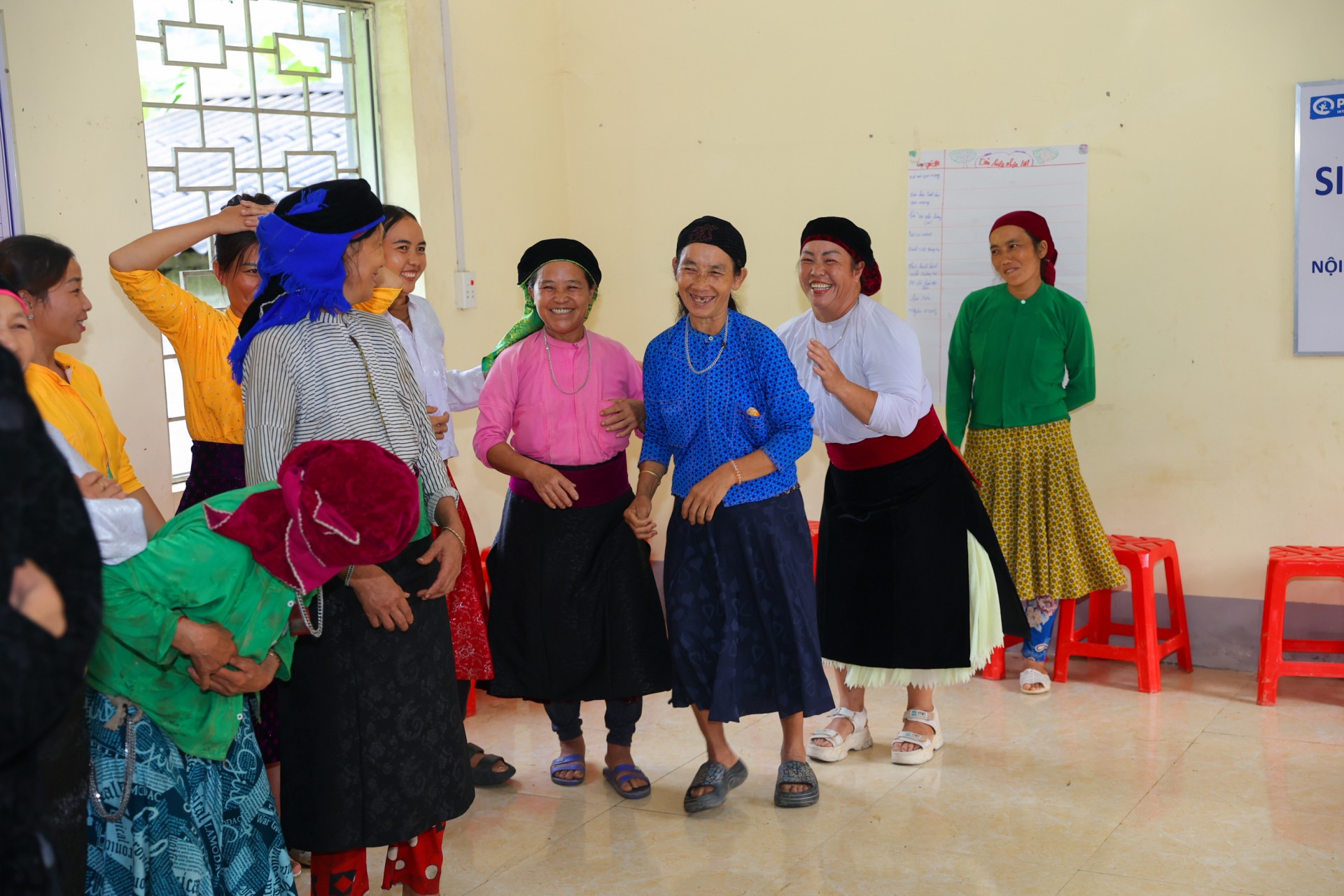 |
| A session of the U18 Parenting Club in Ban Vang Village. (Photo: Dinh Hoa) |
Many older women in the area are not proficient in Vietnamese, so Cha has to convey the content in the Hmong language. Concepts such as mental health and emerging risks in the digital environment can sometimes be difficult to express in equivalent terms. The facilitator therefore needs not only to understand the content correctly but also to find ways of explaining it that are familiar and relevant to local people’s daily lives.
According to psychologist Pham Thi Anh Dao, the significance of models such as the U18 Parenting Club lies first and foremost in helping parents recognise their own emotions and those of their children. In families, parents are generally well aware of their responsibilities to raise, care for and send their children to school, but protecting children’s psychological well-being is sometimes not given sufficient attention. When adults understand that listening, understanding and providing emotional support are also part of parenting, the family can become the first “protective layer” against mental health difficulties.
Mental health care does not necessarily have to begin only when children have developed serious problems. Community activities can play a preventive role, helping parents acquire knowledge early on so that they can recognise changes in their children, support them and contribute to maintaining emotional balance.
From this perspective, “learning to be parents” is not only for families that are experiencing difficulties. It is also a process of preparation that helps parents better understand their children, build close relationships and know how to provide support when their children need it.
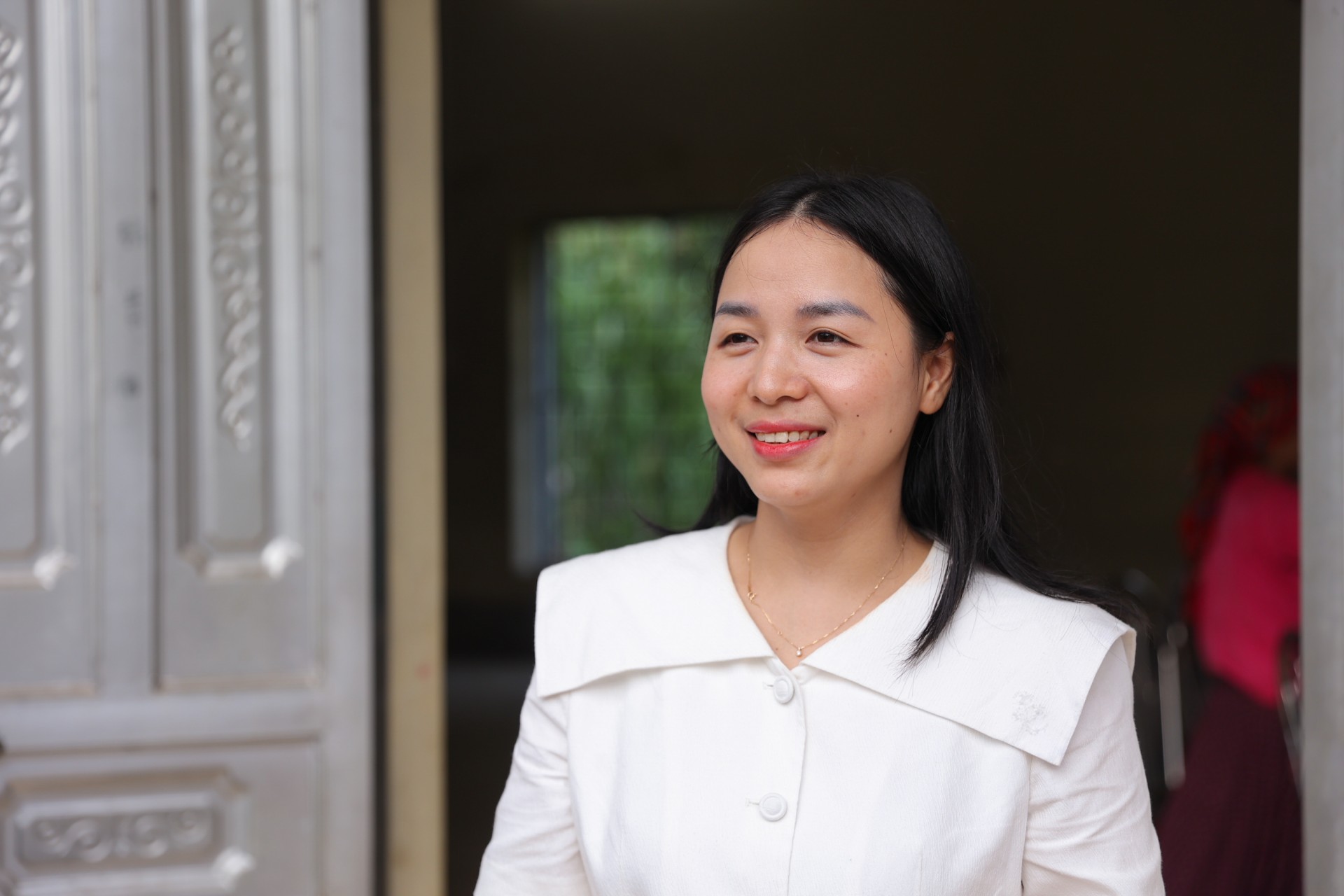 |
| Psychologist Pham Thi Anh Dao. (Photo: Dinh Hoa) |
According to Ha Thi Minh Thang, project coordinator at Plan International, an initial assessment of the training activities showed changes in participants’ awareness. From October 2025 to the present, 56 facilitators have been trained for U18 Parenting Club in Tuyen Quang and Lai Chau provinces.
The proportion of participants who correctly understood that mental health is an integral part of overall health increased from 32.6% to 81.4%; the proportion who understood that parents and caregivers can also provide mental health support rose from 58.1% to 90.7%. Notably, the proportion with correct knowledge of positive, non-violent discipline increased from 37.2% to 90.7% following the training.
These figures show changes in awareness. Within each family, however, change can begin with very small things: putting the phone away to play with a child, asking a question instead of shouting, or taking a few minutes to sit down and listen to a child’s story. It is through these simple acts that parents gradually learn to understand their children, accompany them and become a source of support for them.
 Young People Contribute to Disaster Preparedness in Quang Tri Young People Contribute to Disaster Preparedness in Quang Tri Young people in Khe Sanh have participated in training, community consultations and field surveys to support efforts to identify flash flood and landslide risks in their communities. |
 Brighter Streets, A Livelier Village Brighter Streets, A Livelier Village Once among the roads that residents were reluctant to use after dark, the roads in Tan Tien Village, Yen Minh Commune, Tuyen Quang Province, are now illuminated by solar-powered streetlights supported by Plan International. The lighting has made travel more convenient and safer, while also expanding the space available for residents to socialise, play and connect after a day of work. |


Most read


Related Stories
 Viets Home
Healthy Body, Strong Mind
 Viets Home
Career Guidance Through Familiar Everyday Activities
 Viets Home
Sports Bring Students, Families and Schools Together
 Viets Home
Brighter Streets, A Livelier Village
Recommended
 Viets Home
Eight Additional Remains of Fallen Soldiers Discovered at Le Thi Rieng Park
 Viets Home
UAE Culture Comes Alive in Hanoi
 Viets Home
WVI and Dien Bien Chart Next Chapter in Support for Children
 Viets Home
Tuyen Quang: New Space for Reading, Experiential Learning and Career Guidance for Kim Xuyen Students
Popular article
 Viets Home
Finding Confidence in Learning English
 Viets Home
Dien Bien Buries Remains of 10 Fallen Soldiers at Tong Khao Martyrs' Cemetery
 Viets Home
My New Home: An Invitation to Visit
 Viets Home