
People with Disabilities Tell Their Stories in Digital Space
 | Vietnam Continues to Work with UNESCO to Safeguard Cultural Diversity in the Digital Era |
| PACCOM and Vietnam Foundation Promote Digital Education in Border-Area Schools |
Nguyen Thi Le Thu, from Van Dinh commune in Hanoi, begins her mornings with familiar routines - cooking, cleaning, and caring for her children. She captures these moments and shares them on her TikTok account, @capdoilinhchi, which has attracted over 331,000 followers and approximately 7 million likes.
Thu lost a leg in a childhood accident. After years of self-consciousness, she gradually rebuilt her confidence, focusing on independence and reorganizing her life.
Her channel not only reflects her personal journey but also tells the story of her family. Her husband, Doan Ngoc Bao, also disabled, frequently appears in her videos. They share childcare, housework, and mutual support. This companionship creates a unique aspect for the channel, portraying a stable family operating under challenging conditions.
The idea for making videos grew from a desire to preserve family moments. The clips are unscripted, highlighting everyday activities such as cooking, cleaning, childcare, and moving around on one leg. With minimal dialogue, the content emphasizes action and the rhythm of daily life, offering viewers an authentic glimpse into their household.
"I always aim for content that conveys positive energy, optimism, and striving for success in life," she shared.
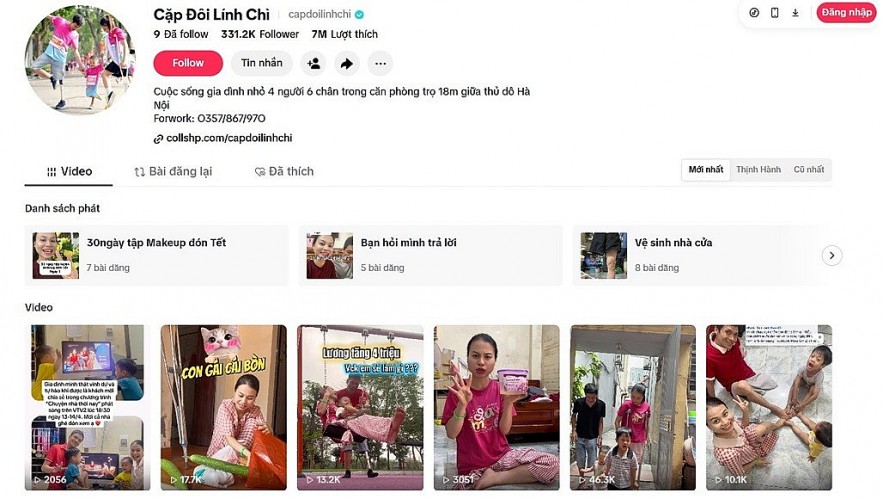 |
| TikTok channel @capdoilinhchi documents the daily life of Nguyen Thi Le Thu's family. (Screenshot) |
She manages most of the content production herself, from filming to editing videos on her phone. In many cases, her husband helps with filming or setting up the scene. Because of her limited mobility, each shot often requires multiple attempts. “Sometimes, I have to adjust the tripod many times just to capture a single moment,” she explains.
To sustain the channel, the couple draws on their daily lives as material, ensuring consistent uploads. The videos are short, slow-paced, and centered on everyday actions, making them easy for viewers to follow while preserving the authenticity of real life.
Thu also devotes time to engaging with her audience. Many responses come from people in similar circumstances, who share that they feel empathy and connection through her content. “That’s what inspires me to try harder and work more,” she says.
From this platform, she has also begun integrating affiliate sales, creating an additional source of income. Products are woven naturally into everyday contexts, rather than appearing separate from the main content.
She hopes to change perceptions of people with disabilities: “If people with disabilities are hardworking, optimistic, and determined, they can still work, build families, and live lives like anyone else.”
Increasingly, people with disabilities in Vietnam are proactively engaging with technology - creating content, building personal brands, and seeking employment opportunities in the digital space, much like Ms. Thu and her husband. Digital skills training programs are also expanding to provide support.
Since 2008, the Nghi Luc Song Joint Stock Company in Phuong Liet Ward, Hanoi, has offered free information technology training for people with disabilities, helping many secure stable jobs. According to General Director Ngo Thi Huyen Minh, the company trains about 120 people with disabilities each year, with roughly 70% finding employment in the IT sector, often with competitive salaries.
Yet the digital divide remains significant. Vietnam has more than 7 million people with disabilities, nearly 29% of whom are classified as severely or extremely severely disabled - a group facing major barriers to accessing technology.
Recent surveys show that digital proficiency among people with disabilities remains low, particularly in advanced skills needed for education and employment. This underscores the urgent need to expand access and strengthen digital capabilities for this community.
In this context, the Government issued Decision No. 411/QD-TTg on March 31, 2022, which set out the task of developing digital skills, digital citizenship, and digital culture to build an equitable and inclusive digital society. The decision clearly identifies the popularization of digital skills across all social strata - particularly among vulnerable groups such as people with disabilities - as an important responsibility of the entire society.
Earlier, in August 2020, the Government introduced Decision No. 1190/QD-TTg, approving the Program to Assist People with Disabilities for the period 2021–2030. This program emphasized the need to improve access to information technology by developing national standards and regulations, maintaining and upgrading accessible electronic portals, and creating educational solutions and online training opportunities. It also encouraged research and innovation in assistive technologies to help people with disabilities access information and communication technology, integrate more fully into the community, and improve their quality of life.
Experts argue that while these policies mark important progress, further work is needed to strengthen the legal framework for inclusive digital transformation. They stress the importance of designing digital capacity-building programs tailored to the needs of people with disabilities and ensuring that platforms and public services are developed in ways that are more accessible and inclusive.
 | Vietnam-Cambodia Friendship Association Extends New Year Greetings to Cambodian Embassy in Vietnam On April 7 in Hanoi, on the occasion of the traditional Chol Chnam Thmay New Year of the Cambodian people, a delegation from the Central ... |
 | Sustaining People-to-People Ties Between Viet Nam and Slovakia On the evening of April 12 in Hanoi, the Viet Nam Union of Friendship Organizations, in coordination with the Viet Nam-Slovakia Friendship Association, held a ... |
Related Stories
 Viet's Home
Quang Tri: Inclusion Project 1 Contributes to Improving Life Quality for People with Disabilities
 Multimedia
Vietnam Reaffirms Support for Persons with Disabilities at 2026 Commemoration
Recommended
 Viet's Home
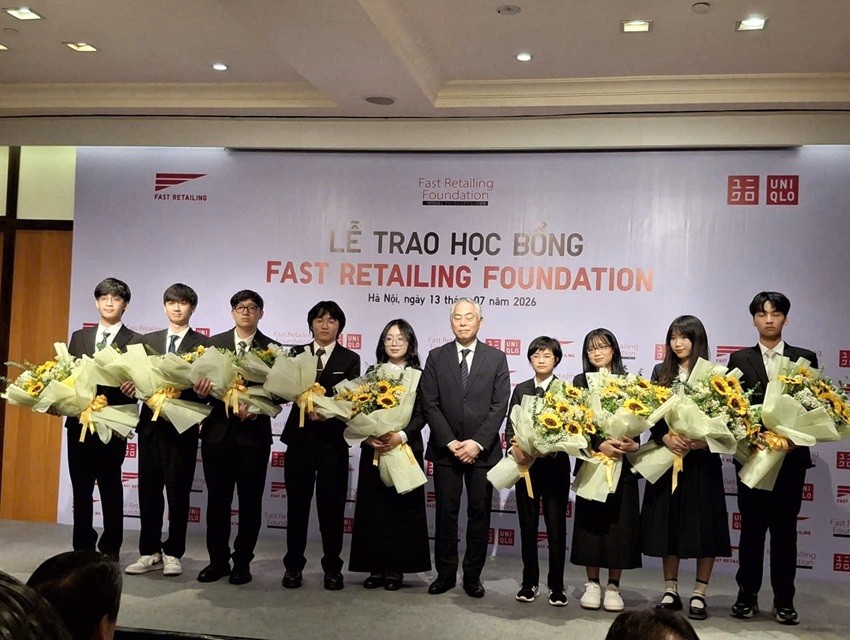
9 Vietnamese Students Receive Full Scholarships from Fast Retailing Foundation in Japan
 Viet's Home
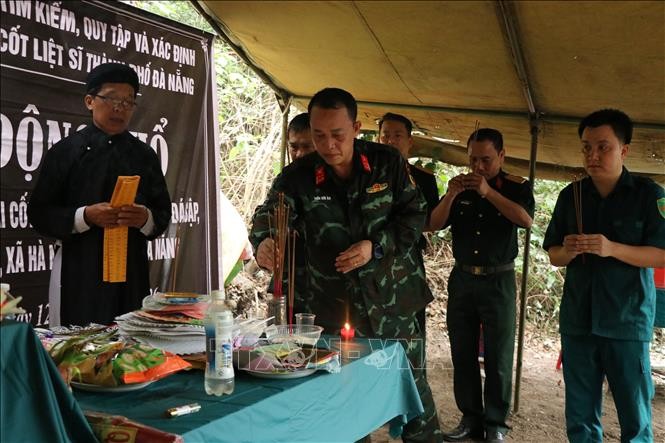
Many Fallen Soldiers' Remains Recovered in Da Nang and Cao Bang
 Viet's Home
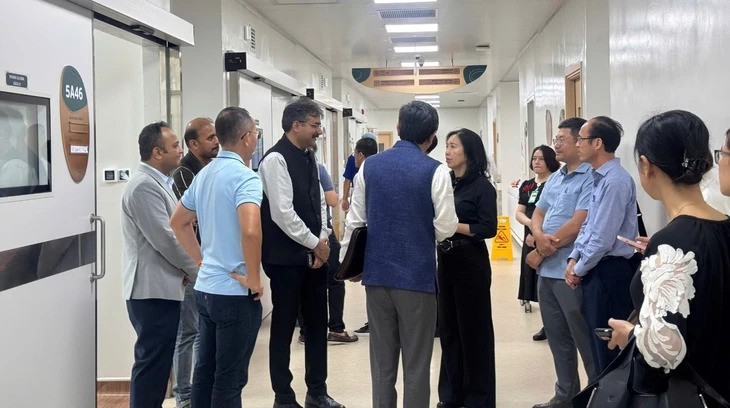
Indian Ambassador Thanks Vietnam for Swift Response to Phu Quoc Speedboat Capsizing
 Viet's Home
Portugal Crowned Champion of 2026 Da Nang International Fireworks Festival
 Viet's Home
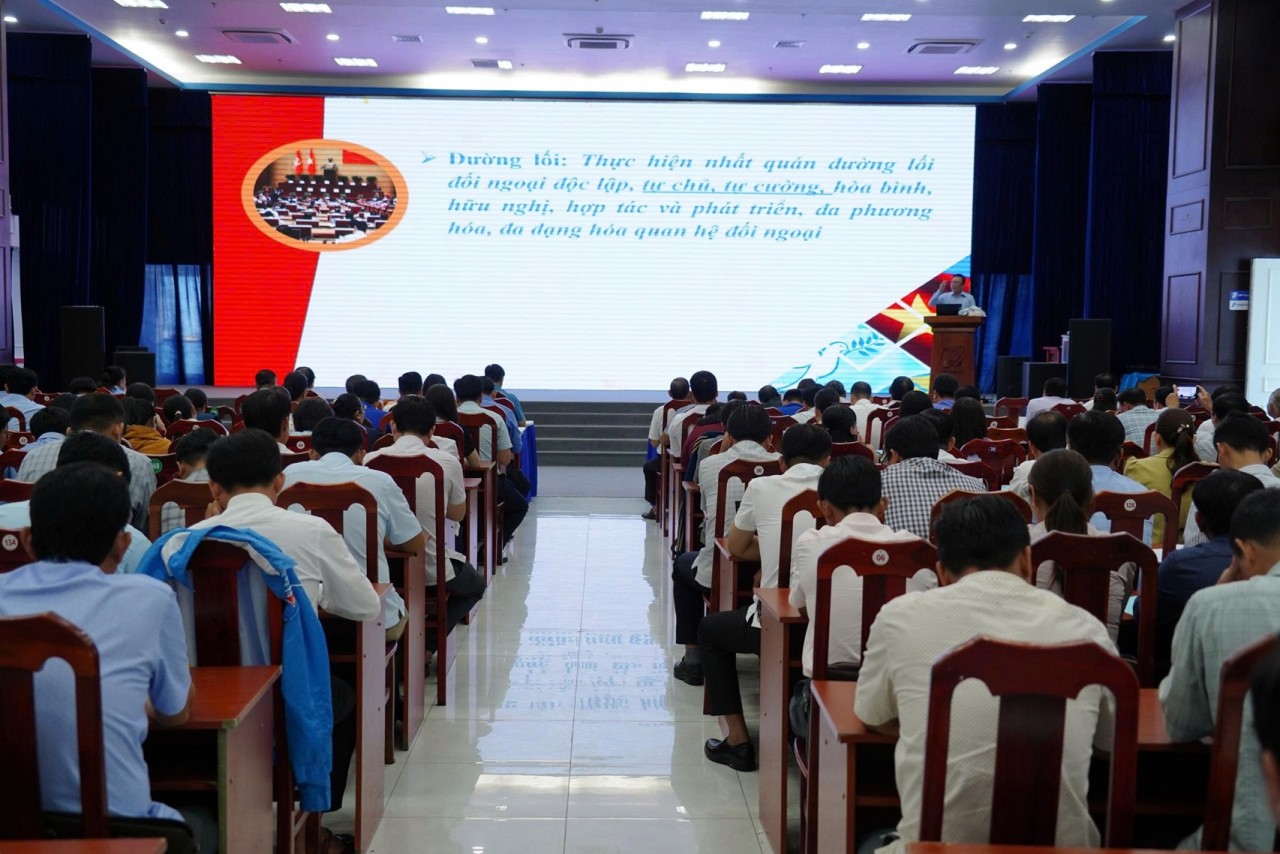
Ca Mau Enhances Capacity of Officials to Effectively Mobilize International Aid
 Viet's Home
Over 50 Calls and Messages Help Search for Fallen Soldiers at Tan Son Nhat Airport
 Viet's Home
Palestinian Ambassador Saadi Salama Awarded "For the Cause of Culture, Sports and Tourism" Medal
 Viet's Home