
Promoting Role of Private Economic Sector
 | Moody’s Upgrades Vietnam’s Credit Outlook to "Positive" |
| Vietnam Accelerates Digital Transformation in Tourism Development |
However, an objective assessment shows that, compared with the country's development potential and requirements, the role of Vietnam's private economic sector has yet to be fully realized. Enterprises continue to face limitations in corporate governance, competitiveness, and their ability to integrate deeply into global value chains.
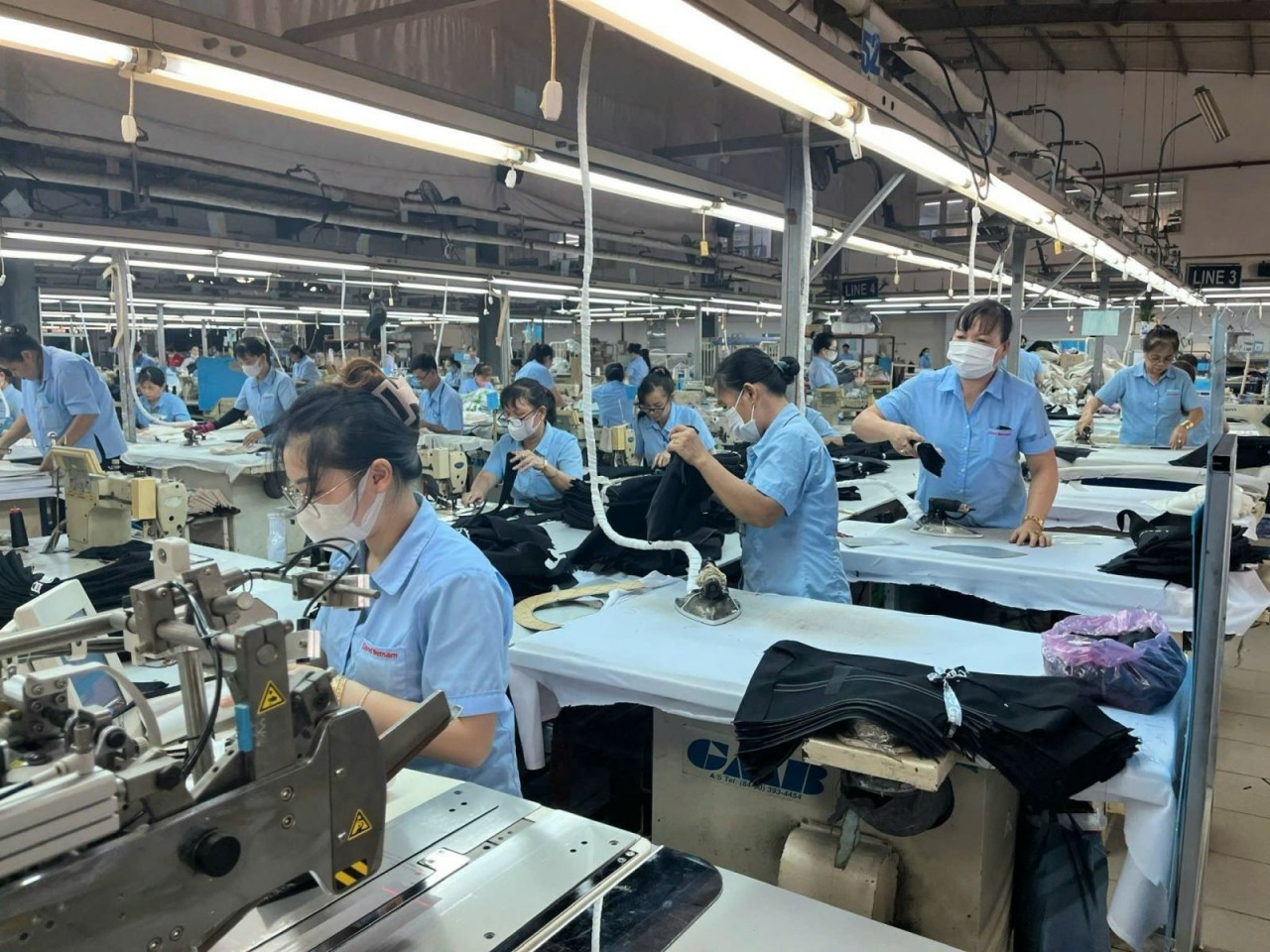 |
| The private economic sector is being provided with better access to resources for production and business activities. (Photo: VTV) |
In recent years, the Party and the State have successively introduced numerous resolutions and policies to support businesses, remove obstacles, and simplify or eliminate thousands of administrative procedures and business requirements in order to create a more favorable environment for business operations and growth.
In reality, however, many new challenges have emerged, along with institutional and policy-related bottlenecks affecting day-to-day production and business activities. Some projects have been delayed not necessarily because of a lack of capital or weak management capacity, but rather due to prolonged administrative procedures, overlapping regulations, inconsistent interpretations among regulatory agencies, and the tendency of some implementing officials to shift responsibility, resulting in applications having to go through multiple rounds of consultation and approval. These are institutional bottlenecks rooted not only in legal documents but also in implementation and public service accountability.
It is therefore essential to ensure that the legal system is clear, consistent, and uniformly enforced from the central to the local levels, preventing the emergence of additional procedures and a risk-averse mindset among officials. Reform efforts should focus on areas that directly influence business investment decisions, including land, planning, investment, construction, taxation, credit, and dispute resolution. Unnecessary or outdated business conditions, as well as those that increase compliance costs, should be decisively abolished. At the same time, governance should shift in substance from pre-approval to post-inspection, and from administrative intervention to management based on standards, regulations, and data.
Digital transformation in public administration must also be understood in its true sense. Simply moving paperwork to electronic platforms while retaining the same procedures, requirements, and outdated mindset only reduces a few manual steps for businesses without easing the overall administrative burden. Government agencies must take responsibility for sharing and utilizing existing data, and businesses should not be required to repeatedly submit the same information to multiple authorities.
Reform cannot be fully achieved unless the responsibilities of implementing officials are properly addressed. Accordingly, mechanisms should be established to protect officials who are willing to think creatively, take action, and assume responsibility for the common good, while those who evade responsibility, shift blame, or create unnecessary difficulties for citizens and businesses must be dealt with strictly. In particular, feedback from businesses, business associations, and experts should be regarded as a valuable source of input for adjusting policies to better reflect practical realities, rather than merely as recommendations requiring a formal response. Only then will efforts to remove institutional bottlenecks become more than just slogans or a matter of reducing procedures and shortening processing times. More importantly, they will help build the confidence businesses need to invest boldly, foster innovation, expand production and business operations, grow into stronger enterprises, and accompany the country on a new stage of development.
 | Promoting Vietnam-Tunisia Trade Cooperation The Vietnam Trade Office in Algeria, concurrently accredited to Tunisia, coordinated with the Tunisian Union of Industry, Trade and Handicrafts (UTICA) to organize a hybrid ... |
 | Gia Lai Seeks to Deepen Economic Cooperation with RoK's Investors As part of a working visit to the RoK, on June 13, a delegation from Gia Lai Province, led by Pham Anh Tuan, Member of ... |



Most read


Related Stories
 National
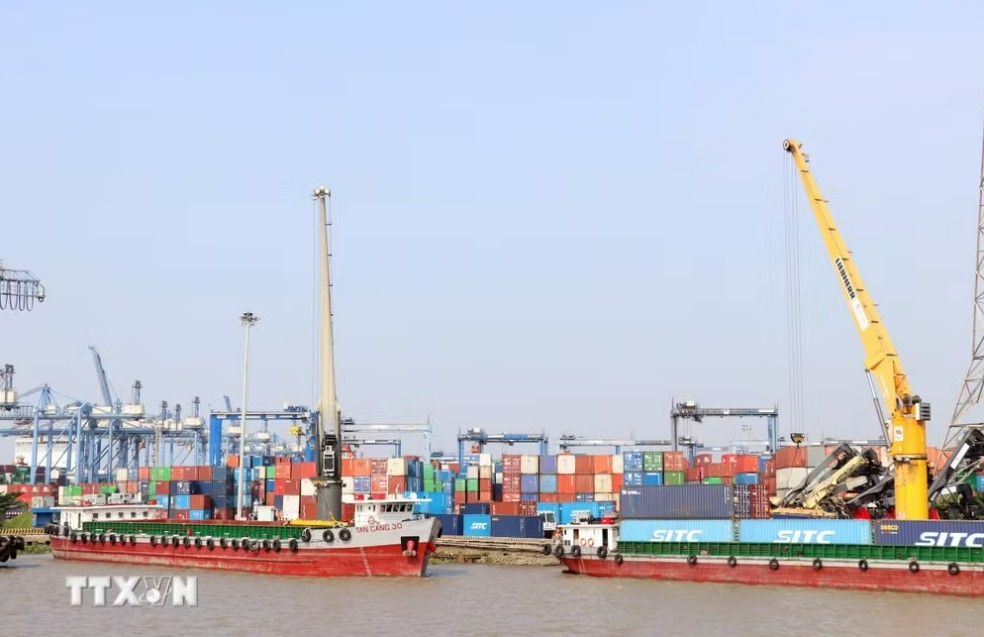
Vietnam News Today (July 18): EVFTA Supports Strong Growth in Vietnam-Nordic Trade
 Economy
European Businesses' Confidence Index in Vietnam Rises Sharply
 National
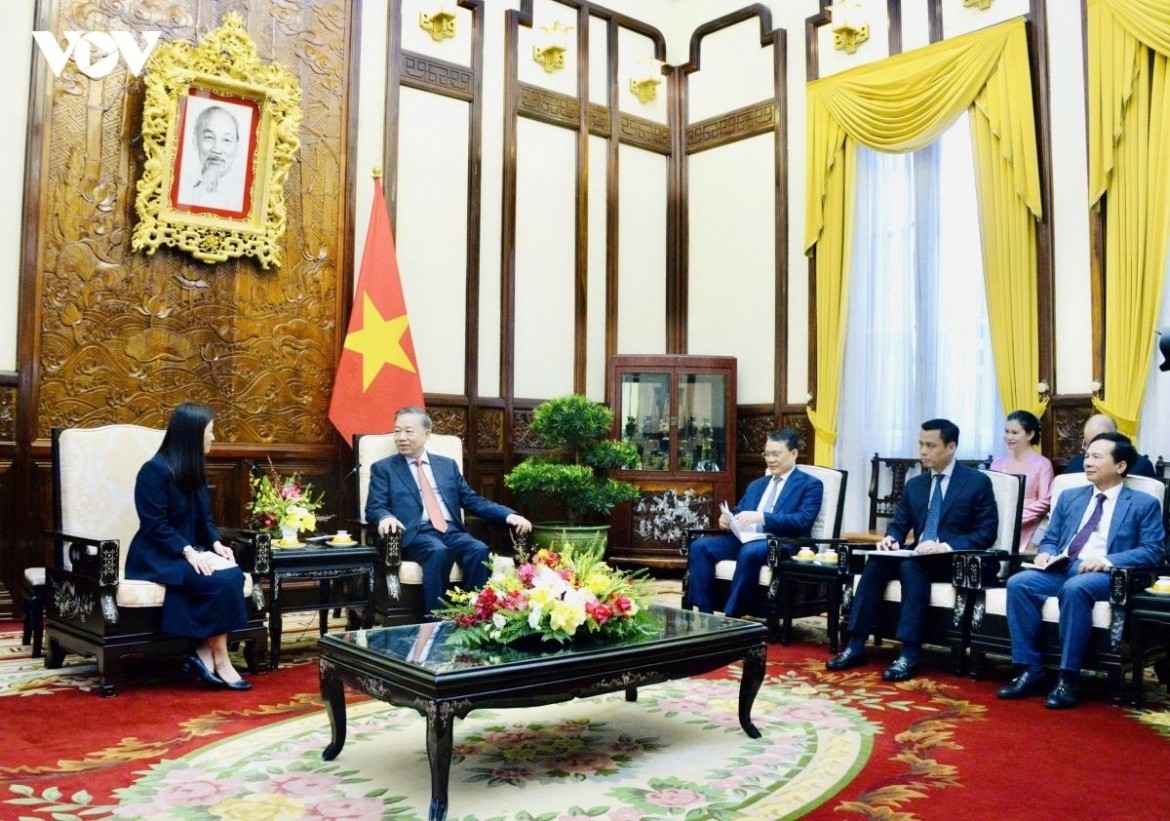
Vietnam News Today (July 7): Vietnam, United States Seek to Deepen Comprehensive Strategic Partnership
 Economy
Data Economy Emerges as Vietnam’s Next Growth Engine
Recommended
 Economy
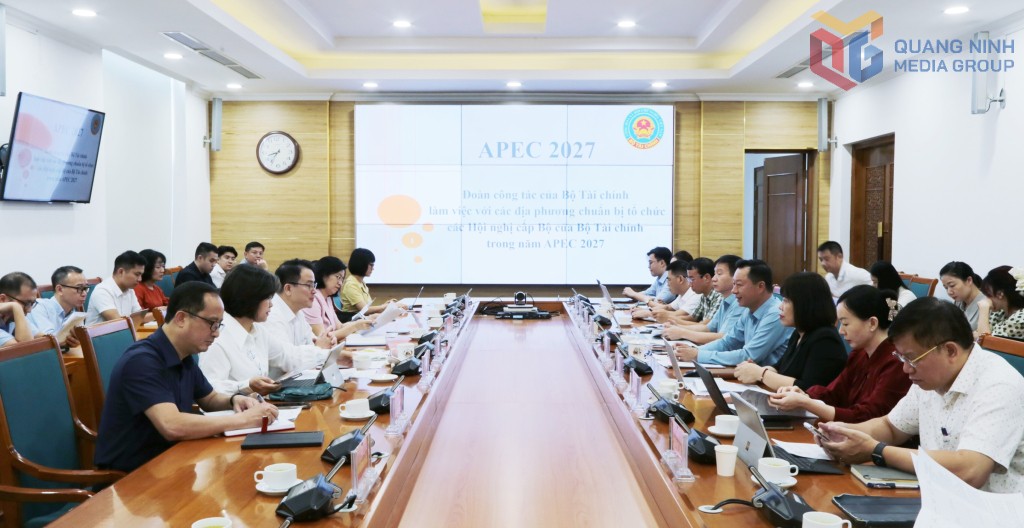
Quang Ninh To Host 2027 APEC Finance Ministers' Meeting
 Economy
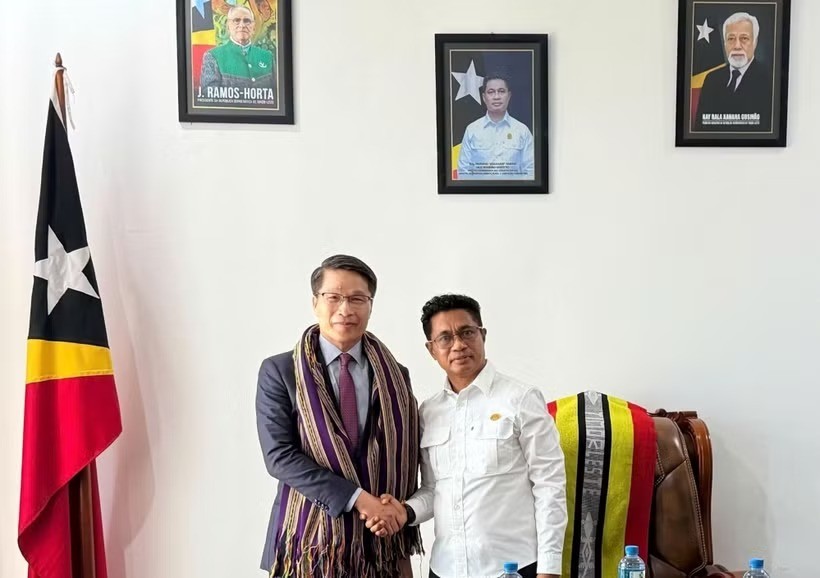
Vietnam, Timor-Leste Expand Cooperation in Food Security and Fisheries
 Economy
Standard Chartered Raises Vietnam 2026 GDP Growth Forecast to 9,5%
 Economy
India launches its first hydrogen-powered train
Popular article
 Economy