
Vietnam and Japan Promote Two-way Tourist Exchanges
| Can Tho Promotes Tourism Cooperation in Thailand Hanoi Promotes Investment and Tourism Potential to French Business Community |
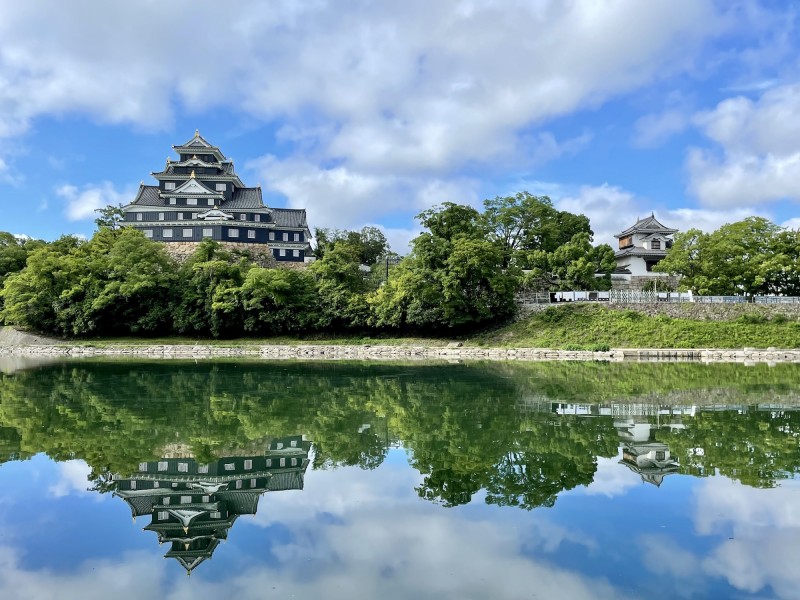 |
| Okayama Castle is among the attractions popular with Vietnamese tourists visiting Japan. (Photo: Japan National Tourism Organization) |
Gradually raising two-way tourist arrivals to 2 million
According to Deputy Director of the Vietnam National Authority of Tourism Ha Van Sieu, Vietnam and Japan have a friendly and comprehensive partnership that is becoming increasingly substantive and in-depth in all fields. Tourism cooperation has consistently been one of the highlights of bilateral relations, helping strengthen people-to-people exchanges, deepen mutual understanding, and contribute positively to the socio-economic development of both countries.
“In recent years, close coordination among the Vietnam National Authority of Tourism, the Japan Tourism Agency, the Japan National Tourism Organization, localities, and the business communities of both countries has produced encouraging results in Vietnam-Japan tourism cooperation. In 2025, Vietnam welcomed more than 814,000 Japanese visitors. In the first six months of 2026, the figure exceeded 441,000, up more than 10% year on year”, Deputy Director of the Vietnam National Authority of Tourism Ha Van Sieu said.
In the opposite direction,, in 2025 nearly 679,000 Vietnamese tourists visited Japan, surpassing the target set by the Japanese side. In the first six months of 2026, the number of Vietnamese visitors to Japan reached 396,000. With these results, the goal of achieving 2 million two-way tourist arrivals between the two countries is increasingly within reach.
Japan’s Ambassador to Vietnam Ito Naoki shared: “Tourism is one of the important sectors contributing to stronger people-to-people exchanges and closer cooperation between Vietnam and Japan. The two countries have set a target of increasing two-way tourist exchanges to 2 million”.
To help realise the target, Japan’s Embassy in Vietnam has actively coordinated with the Japan National Tourism Organization and the Vietnam National Authority of Tourism to implement various tourism promotion and exchange activities.
Beyond growth in visitor numbers, Vietnam-Japan tourism cooperation has also continued to expand and deepen through cooperation mechanisms, memoranda of understanding, joint promotion programmes and human resources training activities. The tourism sectors of both countries are also promoting cooperation in digital transformation and sustainable tourism development.
At the same time, exchanges of tourism market information help both sides keep abreast of emerging trends, demand, and traveller preferences. Direct business networking activities also create opportunities for travel companies, airlines, hotels, destination management agencies, and local authorities to identify partners and develop new, diverse tourism products and programmes better suited to the needs of travellers from both countries.
Expanding air links, leveraging local strengths to attract visitors
Japan’s Ambassador to Vietnam Ito Naoki stressed that air connectivity plays a crucial role in promoting tourism exchanges between Vietnam and Japan. In recent years, Vietnamese airlines have increased frequencies on several routes between the two countries and launched new services, helping facilitate two-way travel.
The maintenance and expansion of direct air routes between cities in the two countries, together with favourable visa policies, have created better conditions for tourism, trade and investment exchanges, thereby contributing to stronger bilateral cooperation.
Analyzing the strengths of Japan’s tourism industry, Chief Representative of the Japan National Tourism Organization (JNTO) Matsumoto Fumi, said the country possesses a wide range of distinctive attractions, from four-season natural scenery, landscapes, culture, cuisine, history and traditions to the diversity of lifestyles and cultural identities across its regions. Especially, Japan always offers something new to discover, even for travellers who have visited the country many times.
To make effective use of these strengths, travel businesses play an important role in developing and introducing products that meet the increasingly diverse needs of Vietnamese tourists.
Alongside famous destinations such as Tokyo, Mount Fuji, Kyoto, and Osaka, demand is rising for new destinations and tourism products that reflect Japan’s distinctive identity while catering to individual interests.
“The Japanese outbound travel market from Vietnam continues to maintain positive growth. This momentum reflects the results of cooperation and the joint efforts of tourism agencies, organisations and businesses in both countries”, Chief Representative of the Japan National Tourism Organization (JNTO) Matsumoto Fumi said.
The Japan National Tourism Organization said it will continue working with Vietnamese partners to promote and expand the Vietnamese visitor market while encouraging tourists to explore more localities and regions across Japan.
For its part, the Vietnam National Authority of Tourism will continue supporting businesses and Japanese partners in implementing joint tourism promotion programmes. It will also coordinate market research, promote digital transformation, encourage the opening of additional air routes, and strengthen the promotion of destinations, tourism products and service chains of both countries across media platforms.
 Vietnam Tourism Accelerates Towards Annual Target After Reaching 56% Vietnam Tourism Accelerates Towards Annual Target After Reaching 56% Vietnam will enter the peak season for welcoming international arrivals from late in the third quarter through the fourth quarter, making the tourism industry possess the foundations to maintain double-digit growth after welcoming nearly 14 million foreign visitors. |
 Ninh Binh Nominated for “Asia’s Leading Emerging Tourism Destination 2026” Ninh Binh Nominated for “Asia’s Leading Emerging Tourism Destination 2026” The World Travel Awards (WTA) has officially announced the nominees for its 2026 Asia regional categories, with Ninh Binh shortlisted for the title of “Asia’s Leading Emerging Tourism Destination 2026”. |
Most read


Related Stories
 Travel
Greeting Sunrise from Thoi Loi Mountain - Unmissable Moment on Ly Son
 Travel
Different Way to Experience Hue
 Travel
Reasons Behind Indian Tourists’ Shift Toward Vietnam
 Viets Home
Turning Cultural Heritage into Driver of Local Tourism and Growth
Recommended
 Travel
Phu Quoc Tops Asia’s Most Beloved Islands List for 2026
 Travel
A Colorful Celebration of South Korea and Vietnam Cultures in Phu Quoc
 Travel
Routard (France) Hails Ha Long Bay’s Timeless Beauty
 Travel
Viet Nam Welcomes More Than 17.7 Million International Visitors in First Nine Months
Popular article
 Travel
Viet Nam’s Imprint at 2026 World Travel Awards
 Travel
Vietnam Welcomes 6.5 Million Tourists During National Day Holiday
 Travel
Turning Vietnamese Cuisine into Tourism Asset
 Travel