
Vietnam-Europe Cooperation on AI in the Judiciary
 | Botz László - Hungarian Officer and International Mission in Vietnam |
| 75 Years of Vietnam-Hungary Relations: Strengthening Friendship and Cooperation |
The workshop took place in the context of Vietnam’s strong implementation of policies on science and technology development, innovation, and national digital transformation, in which AI is identified as a foundational technology with far-reaching impacts on governance systems, including the judicial sector.
Sharing international experience and shaping approaches for Vietnam
At the workshop, experts focused on exchanging experiences in applying AI in judicial activities in Europe, ranging from legal data processing and support for judges during adjudication to enhancing transparency and improving public access to justice.
Presentations also emphasized the need to develop an appropriate legal framework for deploying AI in the judiciary. Issues of ethics, human rights protection, and technological risk control were identified as key pillars that must go hand in hand with innovation.
These discussions highlighted a broader trend in Europe: the application of AI in the judiciary is not only aimed at improving operational efficiency but also at ensuring fairness and transparency in legal systems.
Speaking at the event, Vietnamese Ambassador to Hungary Bui Le Thai affirmed that the workshop was a practical activity to connect knowledge and promote scientific and technological cooperation between Vietnam, Hungary, and European partners. It also represents a concrete step in implementing Politburo Resolution No. 57 on science and technology development and national digital transformation.
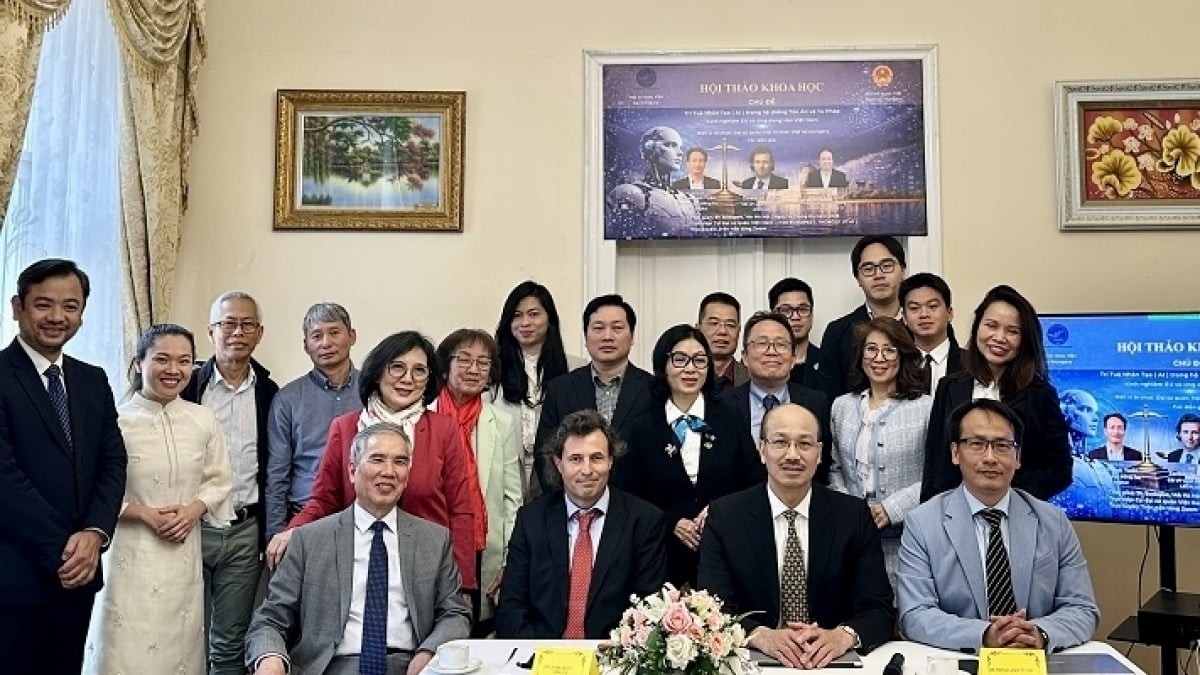 |
| The workshop attracted the participation of numerous experts in science and technology, artificial intelligence from Hungary and many European countries, as well as Vietnamese scientists and researchers. (Photo: Nhan Dan Newspaper). |
Amid intensifying global technological competition, many European countries, including Hungary, are accelerating the development of AI ecosystems and refining legal frameworks to both promote innovation and ensure safety and social responsibility.
This creates a favorable foundation for Vietnam to access international experience and select models suited to its development conditions and domestic legal system.
The role of science and technology diplomacy and overseas intellectuals
The workshop in Hungary reflects the growing role of science and technology diplomacy within Vietnam’s overall foreign affairs. Through networks of Vietnamese intellectuals abroad, cooperative initiatives are being implemented in a substantive manner, closely aligned with domestic development needs.
The application of AI in the judiciary requires comprehensive reforms in technology, institutions, and human resources. Experiences from the EU indicate that this process should be carried out cautiously, with close coordination between the technology and legal communities.
For Vietnam, the workshop provides additional scientific and practical foundations for policymaking, contributing to the development of a modern, transparent judicial system aligned with international standards in the context of comprehensive digital transformation.
 | Strengthening Vietnam-Hungary Friendship The Communist Party of Vietnam and the Hungarian Socialist Party (MSZP) have agreed to support the strong development of Vietnam-Hungary relations in areas where the ... |
 | Various Vibrant Vietnamese Cultural Activities Held in Budapest, Hungary To celebrate the 75th anniversary of the establishment of diplomatic relations between Vietnam and Hungary, the Vietnamese Embassy in Hungary, in coordination with the District ... |



Most read



Related Stories
 Friendship
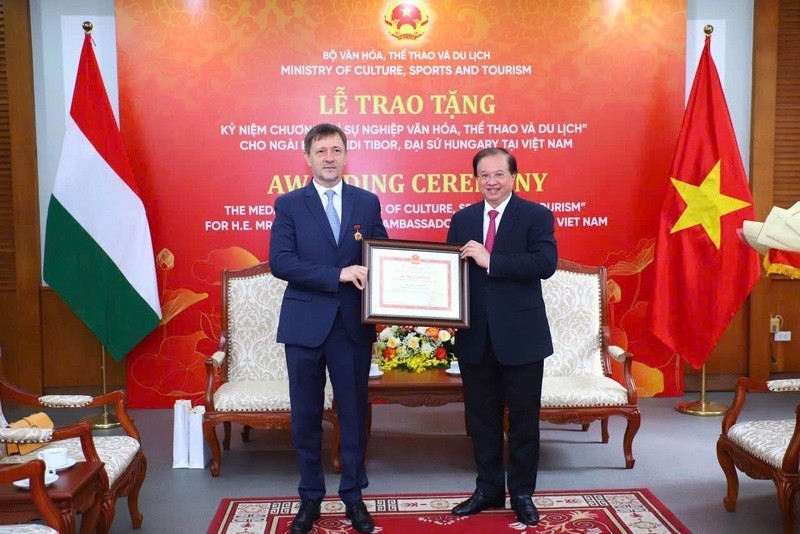
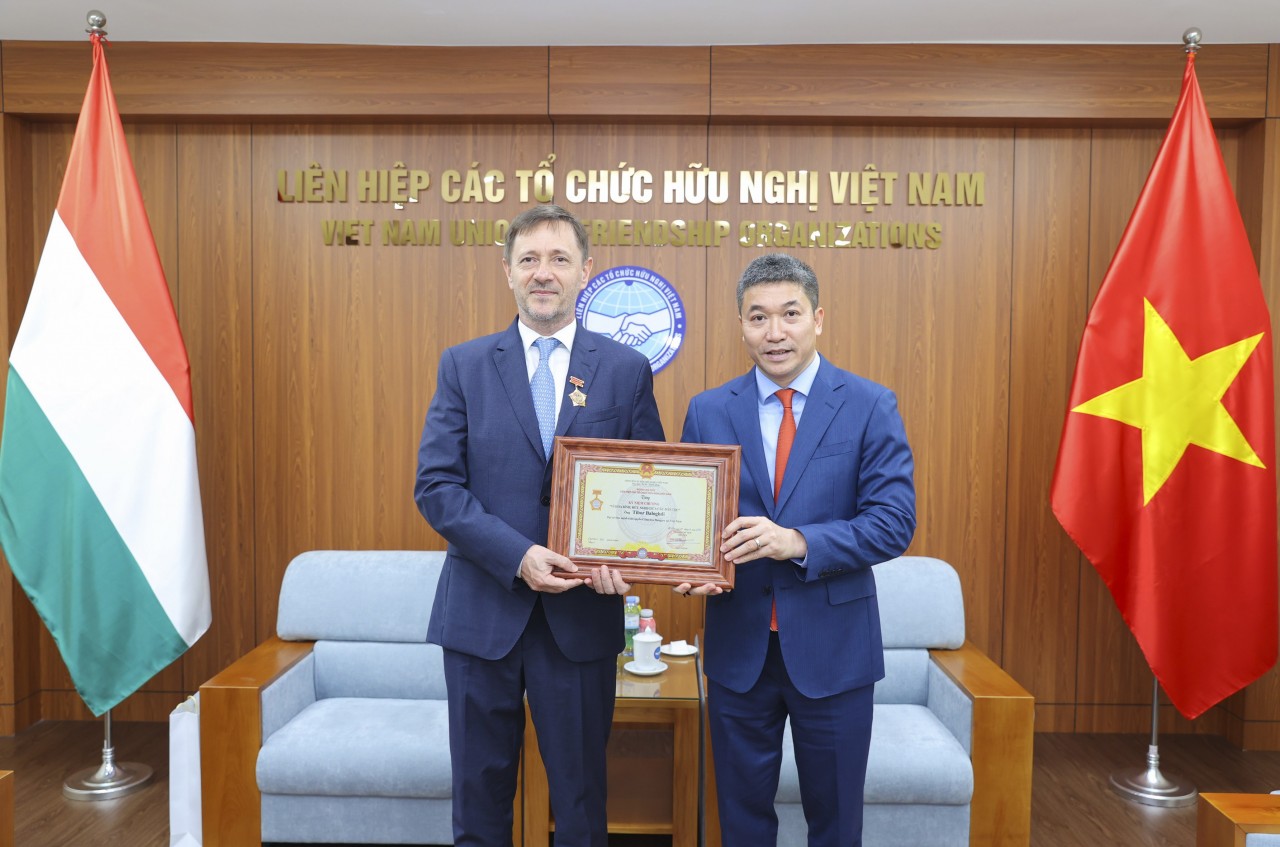
Hungarian Ambassador to Vietnam Awarded “For the Cause of Culture, Sports and Tourism” Medal
 Friendship
President of Vietnam - Hungary Friendship Association Honored with Hungarian Cross of Merit
 Focus
Focus
Hungarian Ambassador to Vietnam Receives “For Peace and Friendship among Nations” Medal
 Overseas Vietnamese
Learning Vietnamese in 4.0 Era: Studying Letters on Phone, Practicing Speaking with AI
Recommended
 Handbook
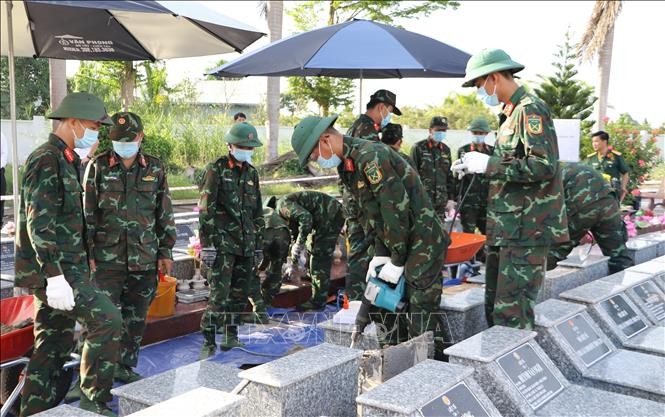
Conclusion No. 57-KL/TW: Highest Priority to the Search, Recovery, and Identification of Fallen Soldiers' Remains
 Handbook
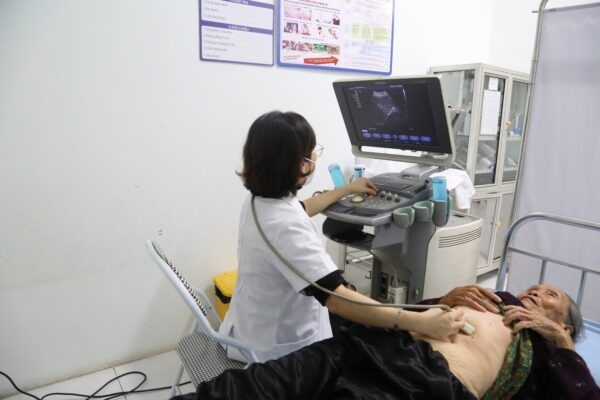
Elderly to Receive Free Annual Health Check-ups at Least Once a Year In Vietnam
 Handbook
Hanoi Recognizes Additional Historical and Scenic Sites
 Handbook
Plan for Organizing “Vietnam Culture Day” for 2026-2030 Period
Popular article
 Handbook
Photo Exhibition by Three French Photographers on Vietnam
 Handbook
Free Film Week for International Children's Day Held Nationwide
 Handbook
Children Under 6 to Receive Annual Health Checkups
 Handbook