
Vietnam News Today (Jun. 11): Vietnam's Growing Influence Highlighted at ASEAN Future Forum
 | Vietnam News Today (Jun. 8): Regional Leaders Gather in Hanoi to Shape ASEAN’s Next Chapter |
| Vietnam News Today (Jun. 10): Party and State Leader To Lam Receives ASEAN Future Forum Delegates |
| Vietnam News Today (Jun. 11) notable headlines Vietnam regards Japan as one of its most important partners: Deputy PM Vietnam, Cambodia seek deeper parliamentary cooperation Vietnam's growing influence highlighted at ASEAN Future Forum Repositioning Vietnam in global technology value chain Vietnamese food products gain prominence at RoK's leading food fair Finance Ministry, JICA to hasten major joint projects Vietnam calls for accelarated implementation of ASEAN Vision 2045 Senior Party official commends Central Military Commission’s reform, innovation efforts ASEAN Future Forum discusses partnerships, energy security, new development models |
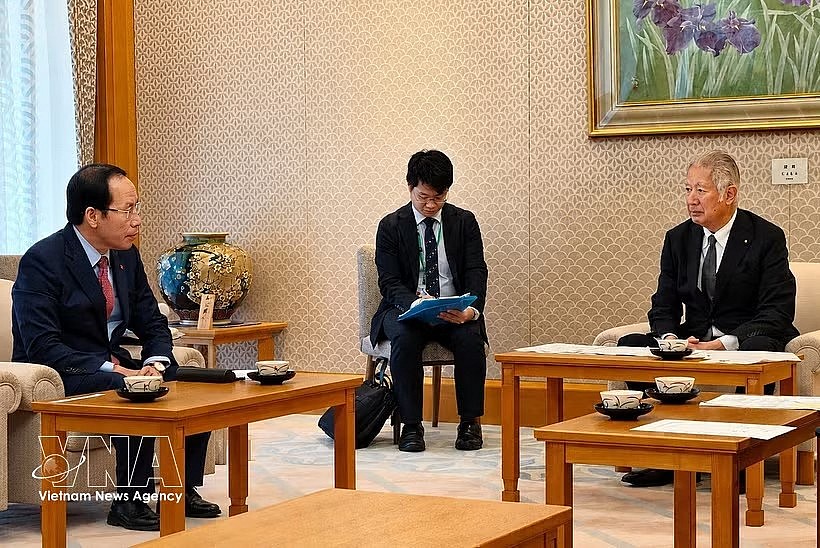 |
| Deputy Prime Minister Le Tien Chau holds a meeting with Speaker of Japan's House of Representatives Mori Eisuke on June 10, 2026. (Photo published by VNA) |
Vietnam regards Japan as one of its most important partners: Deputy PM
Vietnam regards Japan as one of its most important partners and a sincere, trusted friend accompanying the country into a new era of development, Deputy Prime Minister Le Tien Chau affirmed during his meeting with Speaker of Japan's House of Representatives Mori Eisuke on June 10.
The meeting took place during the Deputy PM’s visit to Japan and attendance at the 31st Future of Asia Conference in Tokyo.
Welcoming the increasingly substantive progress in the Vietnam–Japan Comprehensive Strategic Partnership and the close cooperation between the two legislatures, Chau described Japan as one of Vietnam's leading economic partners. Japan remains Vietnam's largest provider of official development assistance (ODA) and its top partner in labour cooperation, while ranking third in investment and fourth in trade and tourism. Cooperation between localities and people-to-people exchanges has also continued to flourish, Chau noted.
Expressing appreciation for the support extended by Speaker Mori, the Japanese parliament, and the Japan–Vietnam Parliamentary Friendship Alliance, Deputy PM Chau conveyed greetings from National Assembly Chairman Tran Thanh Man and relayed his invitation to the Japanese lower house leader to visit Vietnam in the near future.
Sharing Vietnam's two goals of becoming a developed, high-income country by 2045 and sustaining double-digit economic growth, the Deputy PM called for stronger political trust and more frequent high-level exchanges. He underscored the role of legislative bodies in translating high-level commitments into action and establishing a favorable legal framework to facilitate bilateral economic cooperation, cited VNA.
He proposed stepping up exchanges between specialized committees of the two parliaments and between the two justice ministries, while expanding cooperation in high-quality human resources development, partnerships between localities, and people-to-people ties. He called for closer coordination on regional and international issues of shared interest.
The Deputy PM urged Japan's parliament to support the continued simplification of visa procedures and work towards visa exemptions for Vietnamese citizens to promote tourism and interpersonal exchanges. He also called on Japan to maintain favorable conditions for the nearly 700,000 Vietnamese people living, studying, and working in the country.
For his part, Speaker Mori reaffirmed his commitment to advancing the Vietnam–Japan Comprehensive Strategic Partnership, particularly in judicial cooperation and institutional development.
Emphasizing the importance of sustained high-level engagement, he proposed expanding exchanges between senior leaders, parliamentary agencies, specialized committees, and friendship parliamentarians through various channels.
Mori said stronger links between localities and closer people-to-people exchanges, alongside high-level contacts, will be key to ensuring the long-term vitality and sustainability of Vietnam–Japan friendship and cooperation.
Praising the contributions of the Vietnamese community to Japan's socio-economic development, he affirmed that Japan will continue to foster an inclusive and supportive environment to help Vietnamese residents enjoy stable and fulfilling lives. He also expressed his desire to strengthen cooperation between Japanese localities, particularly Chiba Prefecture, his hometown, and their counterparts in Vietnam.
The Speaker added that he hoped to visit Vietnam soon and would make every effort to arrange the trip in the near future.
Vietnam, Cambodia seek deeper parliamentary cooperation
Vice Chairman of the National Assembly (NA) Nguyen Doan Anh on June 10 received Suos Yara, Chairman of the Commission on Foreign Affairs, International Cooperation, and Information of the Cambodian National Assembly who is in Hanoi to attend the ASEAN Future Forum 2026.
Welcoming the Cambodian delegation, Anh said its participation in the forum has contributed to the event’s success and reflected the friendship, solidarity and political trust shared by the two Parties, States and peoples of Vietnam and Cambodia.
The Vietnamese NA Vice Chairman congratulated Cambodia on its recent socio-economic achievements and expressed confidence that the country would continue making progress in building a peaceful, stable, prosperous and sustainably developed nation.
Highlighting the positive development of the traditional friendship and comprehensive cooperation between the two countries, Anh noted that ties between the Vietnamese NA and the Cambodian NA and Senate have become increasingly substantive, effective and result-oriented.
He proposed that the two legislatures’ specialized agencies further enhance delegation exchanges and share experience in legislation, oversight and decision-making on major national issues. He called for closer coordination in monitoring the implementation of high-level agreements and continued mutual support at regional and international parliamentary forums, contributing to ASEAN’s common voice for peace, stability, cooperation and development, according to VNA.
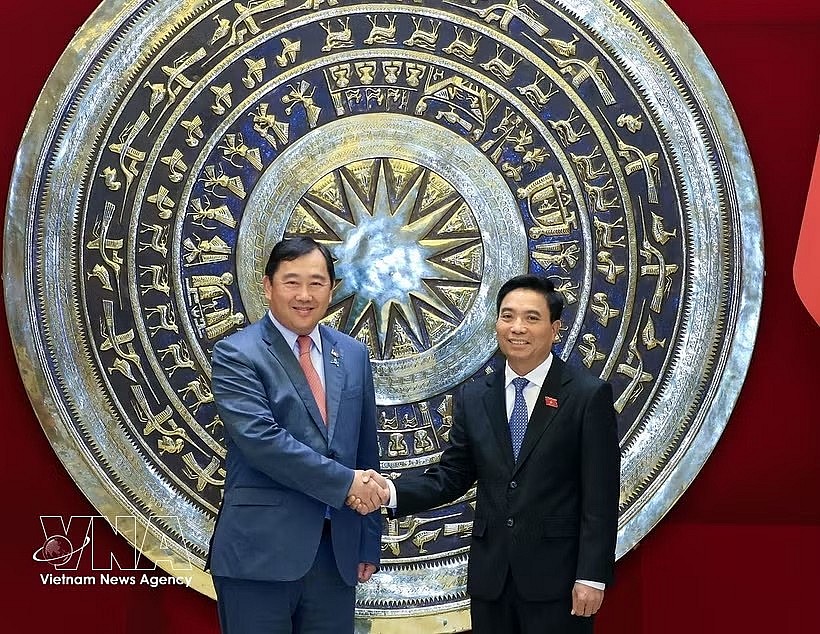 |
| Vice Chairman of the National Assembly Nguyen Doan Anh (R) receives Suos Yara, Chairman of the Commission on Foreign Affairs, International Cooperation, and Information of the Cambodian National Assembly in Hanoi on June 10. (Photo: VNA) |
The NA Vice Chairman stressed that six decades of cooperation have demonstrated that the Vietnam–Cambodia friendship is a priceless asset nurtured through the sacrifices, support and solidarity of generations of leaders and people in both countries. He emphasised the responsibility of the current generation to preserve and pass on these values to younger generations to ensure the long-term and sustainable development of bilateral relations.
Reaffirming that Vietnam consistently attaches top priority to strengthening friendly neighbourliness, traditional friendship and comprehensive cooperation, long-term sustainability with Cambodia, Anh said Cambodia’s stability and prosperity are also important to Vietnam’s interests.
He expressed confidence that, based on the strong foundation of traditional friendship, the guidance of high-ranking leaders and the joint efforts of the two countries’ legislatures, governments and peoples, Vietnam–Cambodia relations would continue to grow in depth, effectiveness and sustainability for the benefit of both nations and regional peace, stability and development.
For his part, Suos Yara praised Vietnam’s socio-economic achievements and expressed confidence that the country would achieve its goal of attaining a modern industrial base and upper-middle income status by 2030, and becoming a high-income developed country by 2045.
He stressed that Cambodia and Vietnam share a long-standing tradition of solidarity and are committed to preserving and strengthening bilateral relations across generations.
Against the backdrop of increasingly complex global political and economic developments, Suos Yara said enhancing trust and cooperation among Cambodia, Vietnam and Laos is of particular importance.
Noting the growing parliamentary relationship between the two countries through regular exchanges, especially at the senior level, he expressed his hope that both sides will continue supporting each other at international forums and work together to realize the aspirations of their peoples for peace, stability and development.
Vietnam's growing influence highlighted at ASEAN Future Forum
The ASEAN Future Forum highlighted Vietnam's growing role as a regional convener and influential voice on peace and cooperation.
With the participation of senior leaders, diplomats, experts and scholars from across the region and beyond, the ASEAN Future Forum became a platform for discussions on some of the most pressing issues shaping Southeast Asia and the wider world.
During the opening session on June 9, heads of state, government leaders and ministers from multiple countries delivered speeches in person or sent recorded messages to the forum.
Vietnam becomes an increasingly influential voice
Speaking on the sidelines of the forum, Julien Guerrier, Ambassador of the European Union to Vietnam, said he was particularly impressed to see Hanoi bringing together regional leaders, including the prime ministers of Vietnam, Laos, Cambodia, Thailand and Timor-Leste, to discuss peace and inclusive growth.
He described the gathering as a noteworthy achievement and an important opportunity to ensure that ASEAN continues to serve its people while contributing to shared prosperity.
Referring to the keynote address delivered by General Secretary and President To Lam at the Shangri-La Dialogue in late May, Ambassador Guerrier said Vietnam has emerged as one of the most prominent and influential voices in regional discussions on peace and stability.
According to the ambassador, Vietnam's vision aligns closely with the priorities of both ASEAN and the European Union. In a rapidly changing world, the EU seeks to work with Vietnam and ASEAN to establish new standards for the future, prevent conflict and uphold a rules-based security order.
The EU also shares ASEAN's ambition of transforming the region into a global hub for innovation, VNN reported.
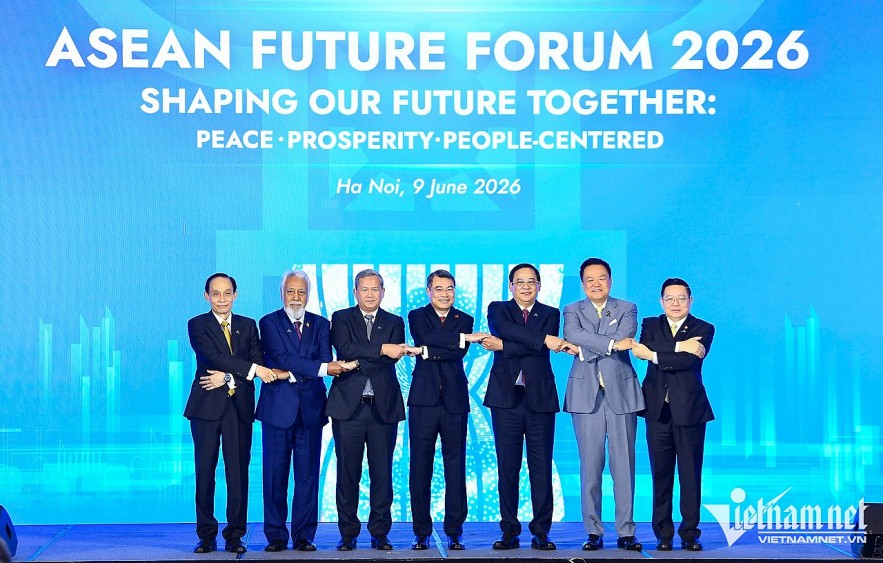 |
| Prime Minister Le Minh Hung joins the prime ministers of Laos, Cambodia, Thailand and Timor-Leste, along with the ASEAN Secretary-General, at the forum. |
Ambassador Guerrier revealed that he had proposed a dedicated EU-ASEAN dialogue on the sidelines of the forum. The two sides have extensive experience to share, ranging from rules-based regional cooperation to sustainable development initiatives.
Strengthening partnerships in an uncertain world
Canadian Ambassador to Vietnam James Nickel said this was his third year attending the forum.
Impressed by the keynote speech delivered by Prime Minister Le Minh Hung during the opening session, Ambassador Nickel noted that Vietnam's message reaffirmed its commitment to international law and multilateral institutions.
In a world marked by uncertainty, middle powers with shared values such as Canada, Vietnam and ASEAN member states need to cooperate more closely to address common challenges for the benefit of their people, he said.
Vietnam is not only a bilateral partner but also a vital component of Canada's Indo-Pacific strategy.
The ambassador emphasized that Vietnam serves as a key partner in helping Canada deepen and expand its engagement with ASEAN. This year, as Chair of the Comprehensive and Progressive Agreement for Trans-Pacific Partnership (CPTPP), Vietnam is also playing an important role in strengthening connections between CPTPP and other economic blocs, including the EU.
Regarding ASEAN, Ambassador Nickel noted that Canada and ASEAN are currently negotiating a free trade agreement. He described the process as a significant step forward and expressed confidence that negotiations could be completed this year.
ASEAN is Canada's fourth-largest trading partner, with bilateral trade reaching US$42 billion. As a major producer of food and energy, Canada remains committed to contributing to ASEAN's food and energy security.
Resilience does not mean isolation
French Ambassador to Vietnam Olivier Brochet also highlighted the importance of Prime Minister Le Minh Hung's speech, describing it as compelling and highly significant.
He said the address continued themes introduced by To Lam during the Shangri-La Dialogue.
"What is particularly meaningful is witnessing Vietnam's strong commitment to supporting ASEAN's development, fostering peaceful relations and maintaining regional stability," Ambassador Brochet said.
He observed that this year's forum carried a more optimistic atmosphere, providing confidence amid ongoing international crises.
The ambassador also praised Vietnam's increasingly prominent role within ASEAN. Vietnam's proactive efforts to promote dialogue initiatives and demonstrate leadership on regional issues, he said, are positive signals not only for ASEAN but also for the broader international community.
France hopes to continue strengthening cooperation with Vietnam and ASEAN countries in support of stability, dialogue and development throughout the region.
Speaking to the media after the opening session, Deputy Foreign Minister Nguyen Manh Cuong recalled a key observation made by Party Chief and President To Lam at the Shangri-La Dialogue.
According to the Deputy Foreign Minister, To Lam noted that today's world is experiencing a period in which "connections are broader but vulnerabilities are greater; technology is more advanced but risks of misuse are higher; interdependence is deeper but can more easily become a tool of coercion."
Against that backdrop, resilience has become an urgent requirement for countries across the region.
However, Nguyen Manh Cuong stressed that resilience does not mean closing off from the world, nor does it mean facing challenges alone.
For both small and medium-sized countries, and for ASEAN as a whole, genuine resilience can only be strengthened sustainably through cooperation.
A country that isolates itself does not become safer, he argued. On the contrary, it becomes easier to overlook and more vulnerable to pressure.
When nations connect, share resources, improve infrastructure links and coordinate policies, each country grows stronger and so does the wider community.
"A resilient ASEAN is an ASEAN that knows how to transform connectivity into its own source of strength," he said.
The Deputy Foreign Minister added that one of the most meaningful aspects of this year's forum was its recognition that resilience is not solely the responsibility of governments. Businesses, local authorities, young people and, for the first time this year, political parties also have an important role to play.
As a result, the forum expanded its dialogue spaces and welcomed a broader range of voices and perspectives than in previous editions.
Repositioning Vietnam in global technology value chain
Under Decision No. 982/QD-TTg dated June 4, 2026 approving the scheme on supporting and developing Vietnamese digital technology enterprises to expand globally by 2030, with a vision to 2045, five billion-dollar technology companies are expected to become the core force driving Vietnam into the ranks of the region’s leading technology exporters.
The scheme on supporting and developing Vietnamese digital technology enterprises to expand globally by 2030, with a vision to 2045, issued under Decision No. 982/QD-TTg on June 4, 2026 by the Prime Minister, is regarded as one of the largest and most ambitious programmes ever introduced for Vietnam’s digital technology sector.
Notably, this marks the first time Vietnam has established a relatively comprehensive set of objectives for technology exports—a field widely considered a key indicator of the real competitiveness of a knowledge-based economy.
According to Decision No. 982/QD-TTg, the overarching goal is to develop a cohort of highly competitive Vietnamese digital technology enterprises capable of mastering core and strategic technologies and participating deeply in global value chains. The scheme also aims to build a strong and sustainable digital technology ecosystem, contributing to double-digit economic growth and enhancing the nation’s brand position.
As global technology supply chains undergo profound restructuring driven by artificial intelligence, cloud computing, semiconductors and digital transformation, Decision No. 982/QD-TTg is seen as a strategic move to reposition Vietnam within the global technology value chain, with the ambition of becoming a developed digital technology industrial nation and joining the ranks of the world’s leading digital technology hubs, NDO reported.
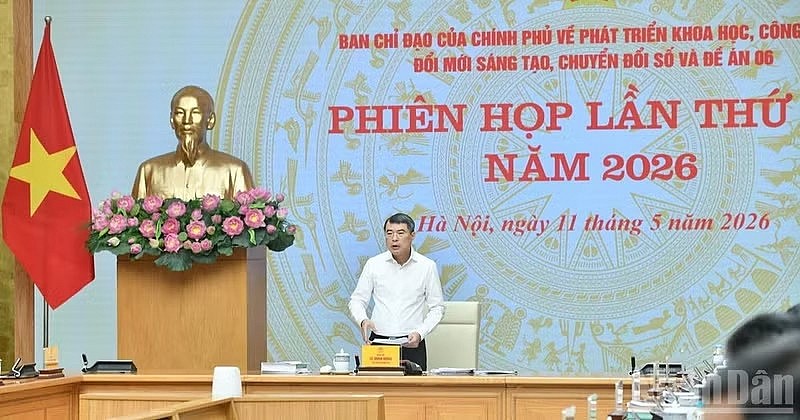 |
| Prime Minister Le Minh Hung chairs the third meeting of the Government Steering Committee on Science and Technology Development, Innovation, Digital Transformation and Project 06. (Photo: Thanh Giang) |
To achieve these goals, the Government has set a series of ambitious targets for 2030 and the vision towards 2045, ranging from digital technology export revenues and the number of companies generating substantial international income to the capacity for expanding global presence through mergers and acquisitions (M&A) and strategic partnerships. These targets reflect not only expectations for growth in the digital technology sector but also a determination to foster Vietnamese enterprises capable of mastering technology and shaping global digital trends.
Creating five billion-dollar overseas revenue technology companies
One of the most notable targets outlined in Decision No. 982/QD-TTg is to have at least 5,000 digital technology enterprises generating revenue from international markets by 2030. Total annual exports of digital products and services are expected to reach at least 55 billion USD, with average annual growth of approximately 30%.
Vietnam also aims to have 60 digital technology companies generating overseas revenues of at least 20 million USD per year and, in particular, to establish at least five enterprises whose annual revenue from foreign markets exceeds 1 billion USD.
This tiered approach to enterprise development demonstrates that the Government’s objective extends beyond simply increasing the number of digital technology firms. Instead, it seeks to build a sustainable industrial structure anchored by leading corporations capable of driving growth and creating spillover effects throughout the broader ecosystem.
In fact, Vietnam has already seen its first company reach this milestone. At the end of 2023, FPT officially announced that its overseas information technology services revenue had surpassed 1 billion USD, making it the first Vietnamese technology company to achieve this historic landmark. The revenue was generated primarily from key markets including Japan, the Americas and the Asia-Pacific region.
Twenty-five international M&A deals worth at least 1 million USD
In addition to revenue targets, Decision No. 982/QD-TTg sets a goal of successfully completing at least 25 mergers and acquisitions, joint ventures or strategic partnerships with international partners, each valued at 1 million USD or more.
If the billion-dollar enterprise target reflects scale, the M&A target reflects the means of achieving that scale.
In the technology sector, building all capabilities from scratch often requires substantial time and resources. As a result, mergers and acquisitions have become a crucial tool enabling companies to rapidly gain access to new customers, acquire new technologies, expand geographically and attract talent.
The inclusion of M&A targets within a national-level industry development programme demonstrates a new development mindset: Vietnamese enterprises should not merely participate in international markets but should actively expand their influence through partnerships, acquisitions and integration.
In practice, this has already become a key strategy adopted by some of Vietnam’s leading technology companies in recent years.
The 2045 vision outlined in Decision No. 982/QD-TTg is even more ambitious, aiming to transform Vietnam into a developed digital technology industrial nation and position it among the world’s leading digital technology centres. This signals a significant shift in development thinking—from being a participant in the global technology value chain to becoming a creator and shaper within it.
Decision No. 982/QD-TTg is therefore more than a support plan for businesses; it is a declaration of Vietnam’s aspiration to secure a new position on the global technology map. The ambitious targets of 55 billion USD in digital technology exports and the emergence of billion-dollar technology corporations reflect a decisive transition from a resource- and labour-based economy towards one driven by knowledge, innovation and core technologies.
With internationally proven “leading cranes” guiding the way, supported by flexible M&A strategies that enable rapid access to new markets and technologies, Vietnam’s path towards becoming a global centre for digital technology industry is becoming clearer than ever before.
Vietnamese food products gain prominence at RoK's leading food fair
Twenty-eight Vietnamese food companies are participating in Seoul Food 2026, the Republic of Korea's largest annual food exhibition, held from June 9 to 12 to promote their brands and expand business partnerships in the Korean market.
The event is one of Vietnam's key trade promotion activities in RoK this year, helping domestic firms strengthen their presence in regional supply chains and boost exports.
Vietnamese exhibitors are showcasing a wide range of products, including processed foods, tropical fruit products, functional foods, spices and beverages. Major exporters such as Vinamilk, WestFood, TSFood, Nafoods Group, Bich Chi Food and DH Foods are among the participants.
A notable trend is the shift from exporting raw materials to higher value-added products. Vietnamese companies are investing more in deep processing, premium packaging, branding and compliance with international standards, while introducing nutritional foods, organic products, functional drinks and convenient ready-to-eat items.
The RoK's growing demand for healthy, natural and sustainable food products presents significant opportunities for Vietnamese exporters. Products such as processed fruits, coffee, cashew nuts, spices, seafood and nutritional foods are expected to gain a larger market share, cited NDO.
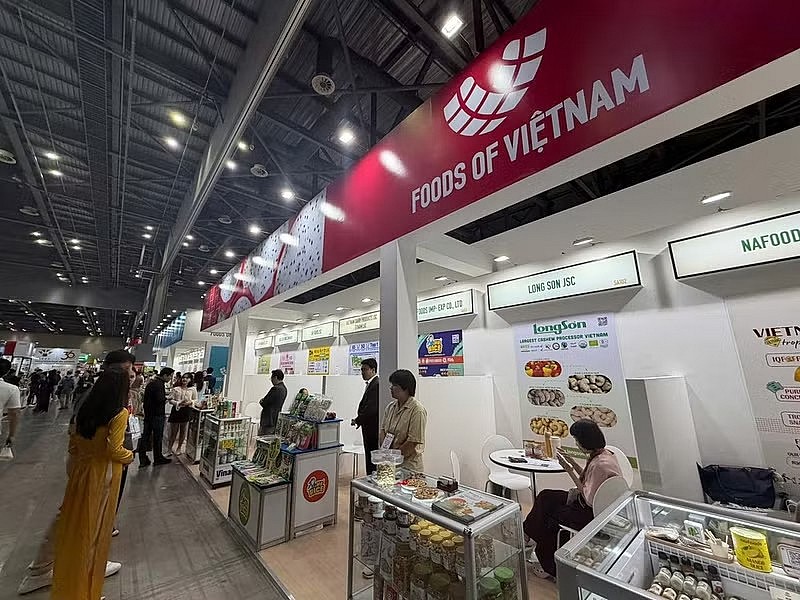 |
| Vietnamese products at the fair (Photo: NDO) |
Pham Khac Tuyen, Vietnam's Trade Counsellor in the RoK, said the market is being shaped by three major consumer trends: health-conscious consumption, environmentally sustainable products and demand for convenient foods, all of which align well with Vietnam's strengths.
Beyond product promotion, Seoul Food provides Vietnamese businesses with valuable opportunities to connect directly with Korean importers, retailers and distributors through business-to-business meetings, supporting long-term partnerships and broader international market access.
 | Vietnam News Today (Jun. 6): Vietnam, Russia Expand Energy Cooperation Vietnam News Today (Jun. 6): Vietnam–Laos special relationship remains top priority in foreign policy of both countries: Ambassador; Vietnam, Russia expand energy cooperation; Potential for ... |
 | Vietnam News Today (Jun. 7): ASEAN Future Forum 2026 affirms Vietnam’s standing; Half a century of Vietnam-Thailand ties: Working together for ASEAN’s future; Vietnam, Canada ... |


Most read
Related Stories
 Overseas Vietnamese
VJCE Expands Educational, Cultural, and People-to-People Exchanges Between Vietnam and Japan
 Friendship
“Encountering the Japanese Language in My Youth Was the Greatest Blessing of My Life”
In topics
 National
Vietnam News Today (July 21): Standard Chartered Raises 2026 GDP Growth Forecast for Vietnam to 9.5%
 National
Vietnam News Today (July 20): Diplomacy Opens New Pathways for Vietnam’s Development
 National
Vietnam News Today (July 18): EVFTA Supports Strong Growth in Vietnam-Nordic Trade
Recommended
 National
When Community Becomes an Anchor: Early Progress in Reducing HIV and TB Stigma in Champasak
 National
More Than 50 Records Provide New Leads for Identifying Fallen Soldiers
 National
Party Central Committee’s Third Meeting Opens in Hanoi
 National
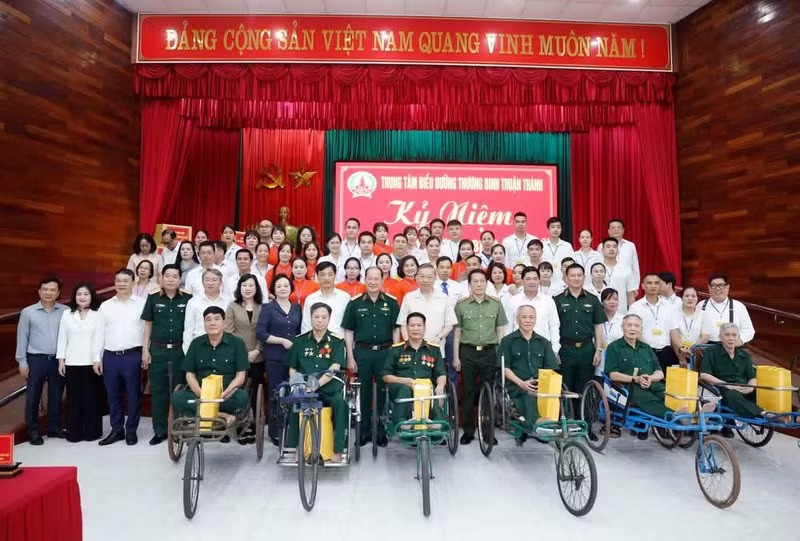
Top Leader Calls for Better Care for Invalids, Revolutionary Contributors
Popular article
National
Vietnam News Today (July 18): EVFTA Supports Strong Growth in Vietnam-Nordic Trade
 National
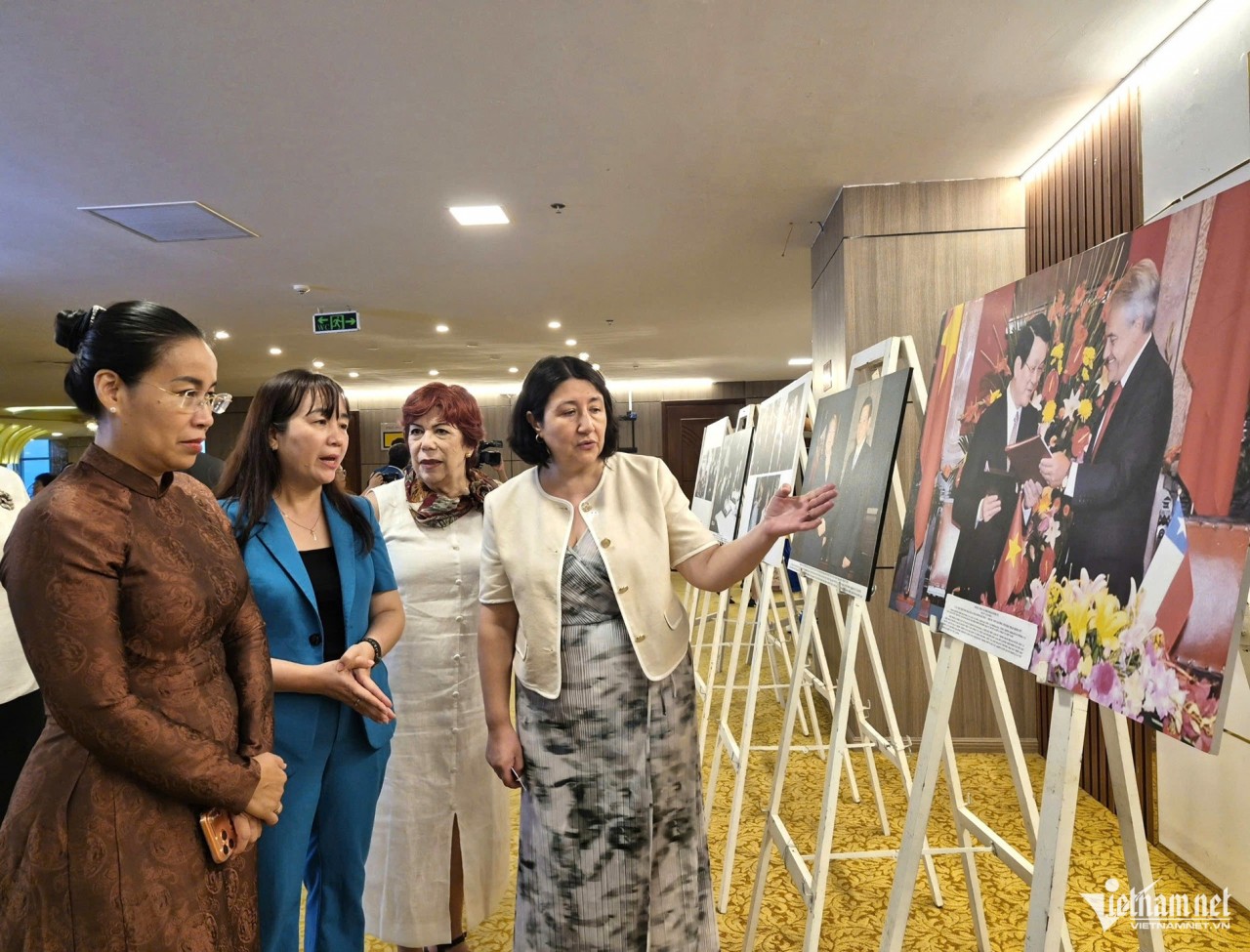
Vietnam News Today (July 16): Vietnam and Chile Mark 55 Years of Diplomatic Relations
 National
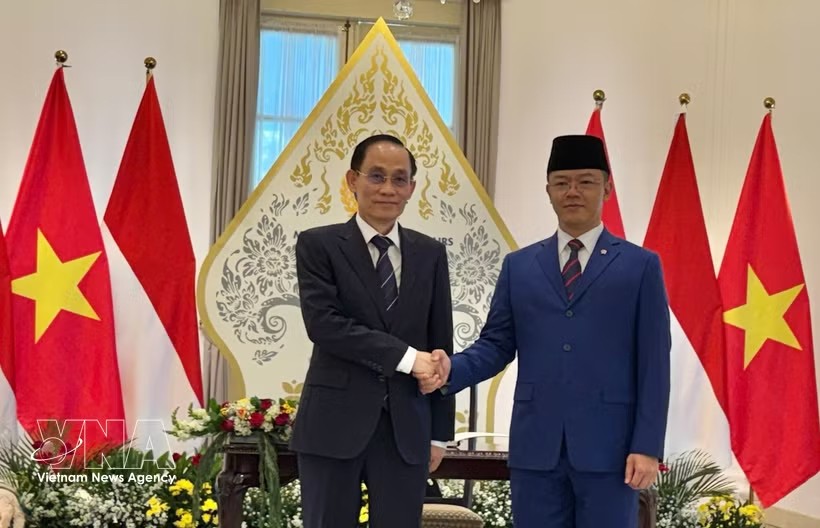
Vietnam News Today (July 14): Vietnam, Indonesia Chart New Strategic Cooperation Agenda
 National