
11th National Congress of Vietnam Fatherland Front: Opening up New Phase of Comprehensive Development

Opening up a new development phase
According to Ha Thi Nga, the 10th Congress of the VFF Central Committee was held in October 2024, while the 11th Congress will take place in May 2026. This is a shortened term congress, approved by the Politburo and the Secretariat. Immediately following the 11th Congress of the VFF, socio-political organizations and mass associations assigned tasks by the Party and the State will simultaneously organize their congresses to concretize the spirit, content, and key tasks and solutions set forth at the 14th National Congress of the Party.
“This is an important decision to ensure unity following the successful 14th National Congress of the Party,” Ha Thi Nga emphasized.
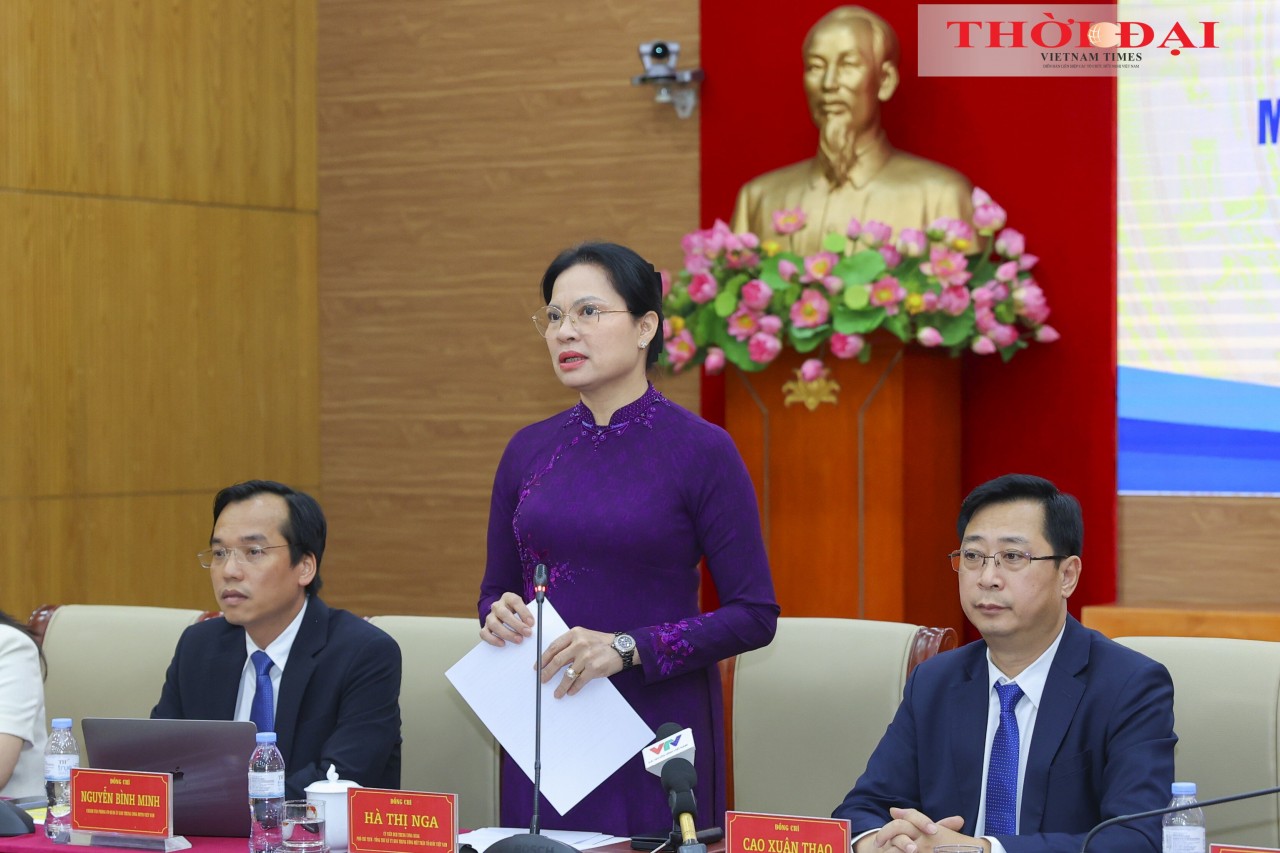 |
| Ha Thi Nga, Member of the Party Central Committee and Vice President-General Secretary of the Central Committee of the Vietnam Fatherland Front, speaks at the press conference. (Photo: Dinh Hoa) |
She noted that preparations for the 11th Congress have been carried out in a methodical and professional manner, covering the drafting of congress documents, logistics, communications, and personnel work. To date, the subcommittees have largely completed their tasks and are entering the final stage of refinement to ensure the smooth organization of the congress.
A key highlight of this congress is the fundamental change in the organizational model following the restructuring of the apparatus in line with Resolution No. 18-NQ/TW dated October 25, 2017. Accordingly, the VFF no longer operates as it did previously but now assumes a broader, more comprehensive, and far-reaching role. Socio-political organizations have been placed under the VFF, operating in a unified manner within the Front. The operational model of the VFF has undergone fundamental transformation. In addition, the Politburo and the Secretariat issued Conclusion No. 230-KL/TW dated January 5, 2026, designating 29 centrally affiliated mass associations assigned by the Party and the State to operate under the VFF.
“This congress marks the beginning of a new phase of comprehensive and extensive development. The central coordinating role of the VFF must be more clearly and strongly affirmed to help build social consensus and further promote the great national unity bloc, working together with the Party and the State to realize the aspiration of building a strong and prosperous Vietnam in a new era of development,” Ha Thi Nga stressed.
According to her, the 11th Congress also aims to concretize the Party’s new guidelines, policies, and viewpoints regarding the activities of the VFF, socio-political organizations, and mass associations assigned by the Party and the State. All of these contents are reflected in the congress documents, including objectives, tasks, action programs, solutions, and breakthrough measures of the VFF.
This congress is also notable for its diverse composition of participants, including full representation from all social strata, Vietnamese people both at home and abroad, and legally operating religious organizations in Vietnam. This clearly reflects the spirit of great national unity.
Renewing the composition of the 11th-term VFF Central Committee
Regarding personnel work, the proposal indicates that the 11th-term VFF Central Committee is expected to comprise 405 members, equivalent to the 10th term, and has been approved by the competent authorities at the 7th Conference of the 10th-term VFF Central Committee. The projected composition includes women accounting for 23.31%; non-Party members 50.62%; ethnic minorities 26.57%; and religious representatives 19.55%.
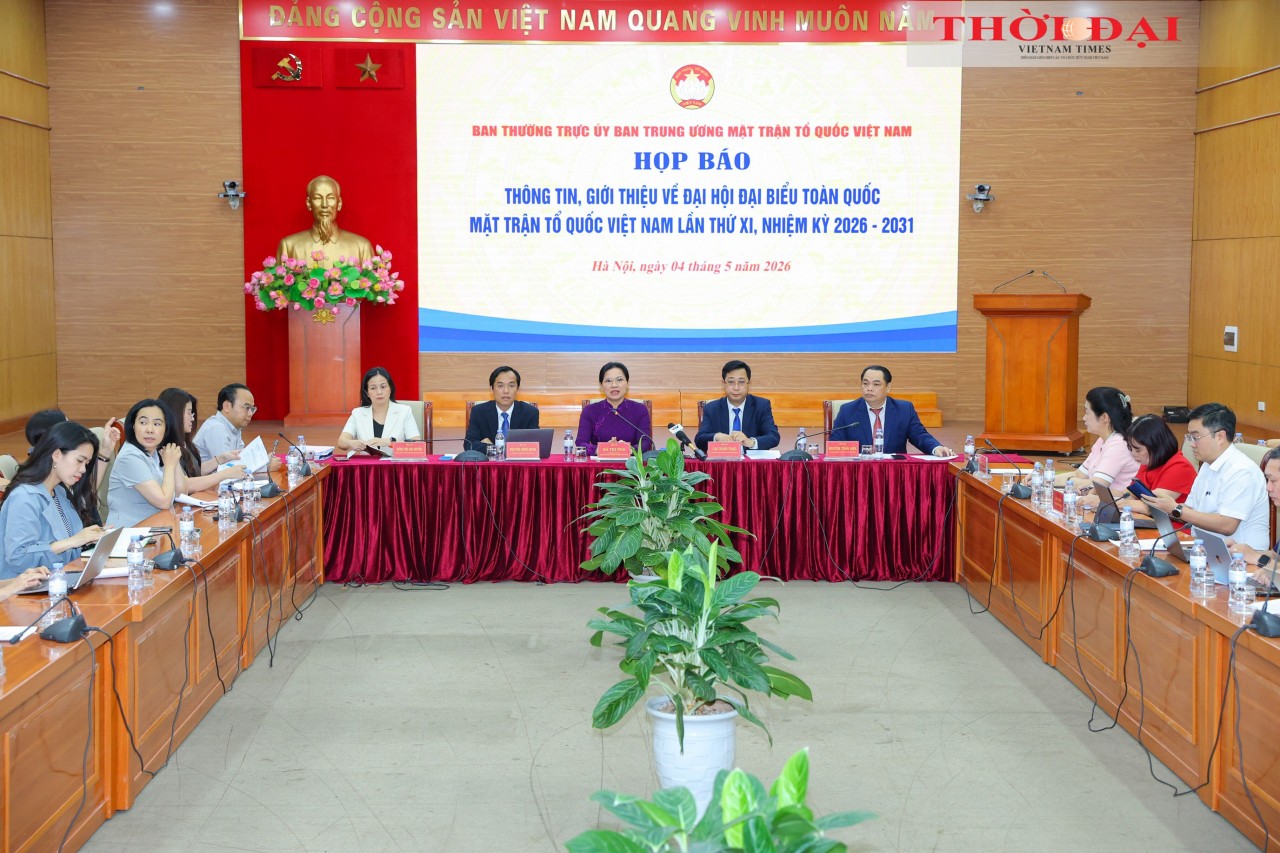 |
| Press conference introducing the 11th National Congress of the Vietnam Fatherland Front for the 2026-2031 term. (Photo: Dinh Hoa) |
Ha Thi Nga stated that although the total number remains unchanged, the structure has been adjusted to expand representation in certain areas. Specifically, there will be an addition of 21 members who are intellectuals, experts across various fields, and outstanding individuals from different economic sectors. These will focus on areas such as science and technology, social sciences, law, economic corporations, literature and the arts, education, and experts in national defense and security. Notably, there will also be additional representatives from key economic regions and directly producing private enterprises.
The continued presence of over 50% non-Party members, Ha Thi Nga noted, clearly demonstrates the diversity, inclusiveness, and democratic nature of the VFF’s operations.
 | Party Committee of Viet Nam Fatherland Front and Central Mass Organizations Will Become Strong Pillar of Political System Implementing Resolution No. 18-NQ/TW, one year ago, on January 24, 2025, the Party Committee of the Viet Nam Fatherland Front and Central mass organizations was ... |
 | Hai Phong Brings Lunar New Year Gifts to Disadvantaged Families in Tran Phu Commune On the morning of February 13, Dr. Vu Van Tien, Member of the Presidium and Party Committee of the Central Committee of the Vietnam Fatherland ... |


Related Stories
 National
Vietnam Fatherland Front Launches “Month of Listening to the People”
 National
President of Vietnam Fatherland Front Central Committee Extends Raya Eidil Adha Greetings to Muslim Community
 National
President of Vietnam Fatherland Front Central Committee Extends Vesak 2026 Greetings
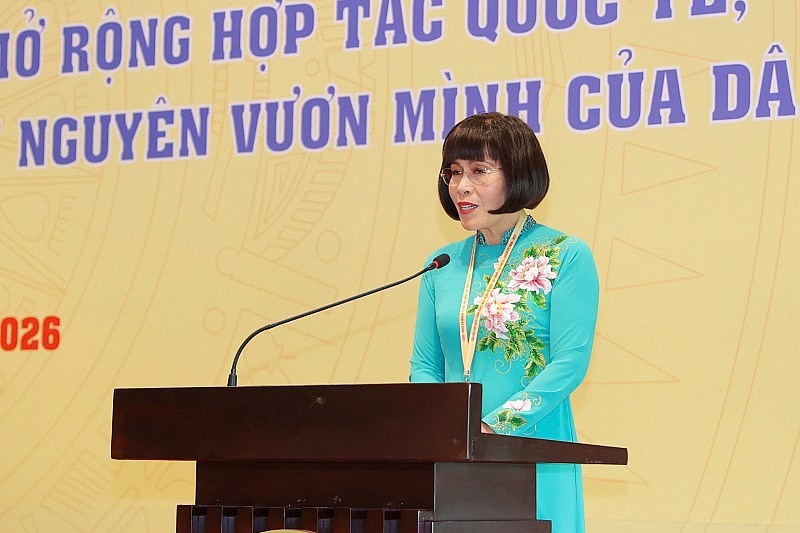 Overseas Vietnamese
Dr. Phan Bich Thien: 20 Years as Member of VFF Central Committee Has Been Both Great Honor and Special Responsibility
Recommended
 Viet's Home
More than 1,300 Fallen Soldiers' Remains Recovered After 111 Days of Campaign
 Viet's Home
Integrating Local Cultural Values Into Tourism Activities
 Viet's Home
Champasak Proposes Expanded Cooperation with Can Tho Across Multiple Sectors
 Viet's Home
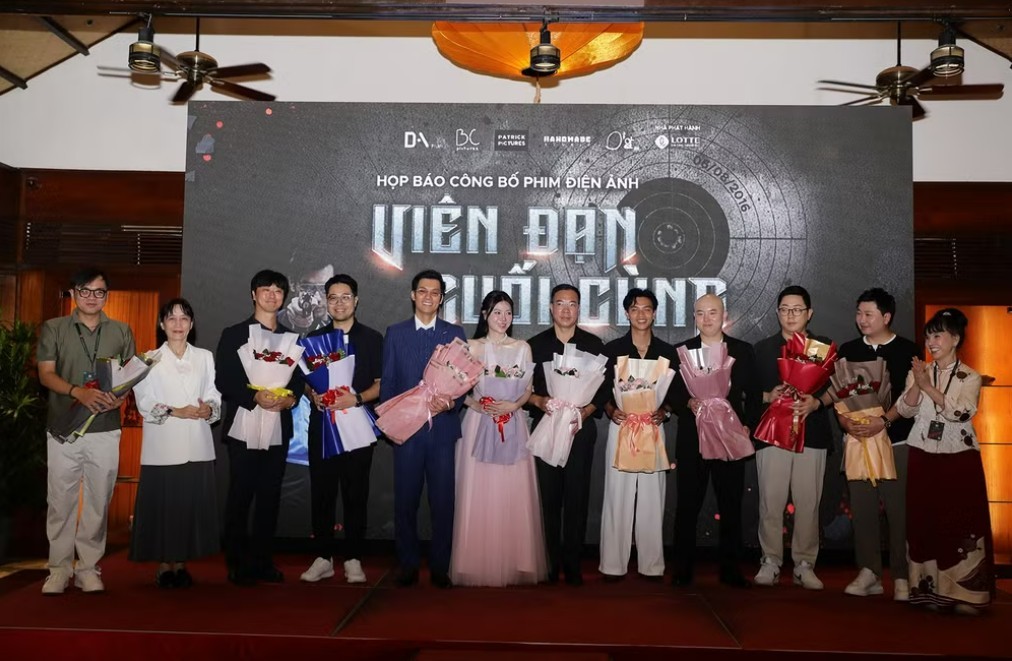
Olympic Champion Shooter Hoang Xuan Vinh Aspires New Viet-RoK Film Project
Popular article
 Viet's Home
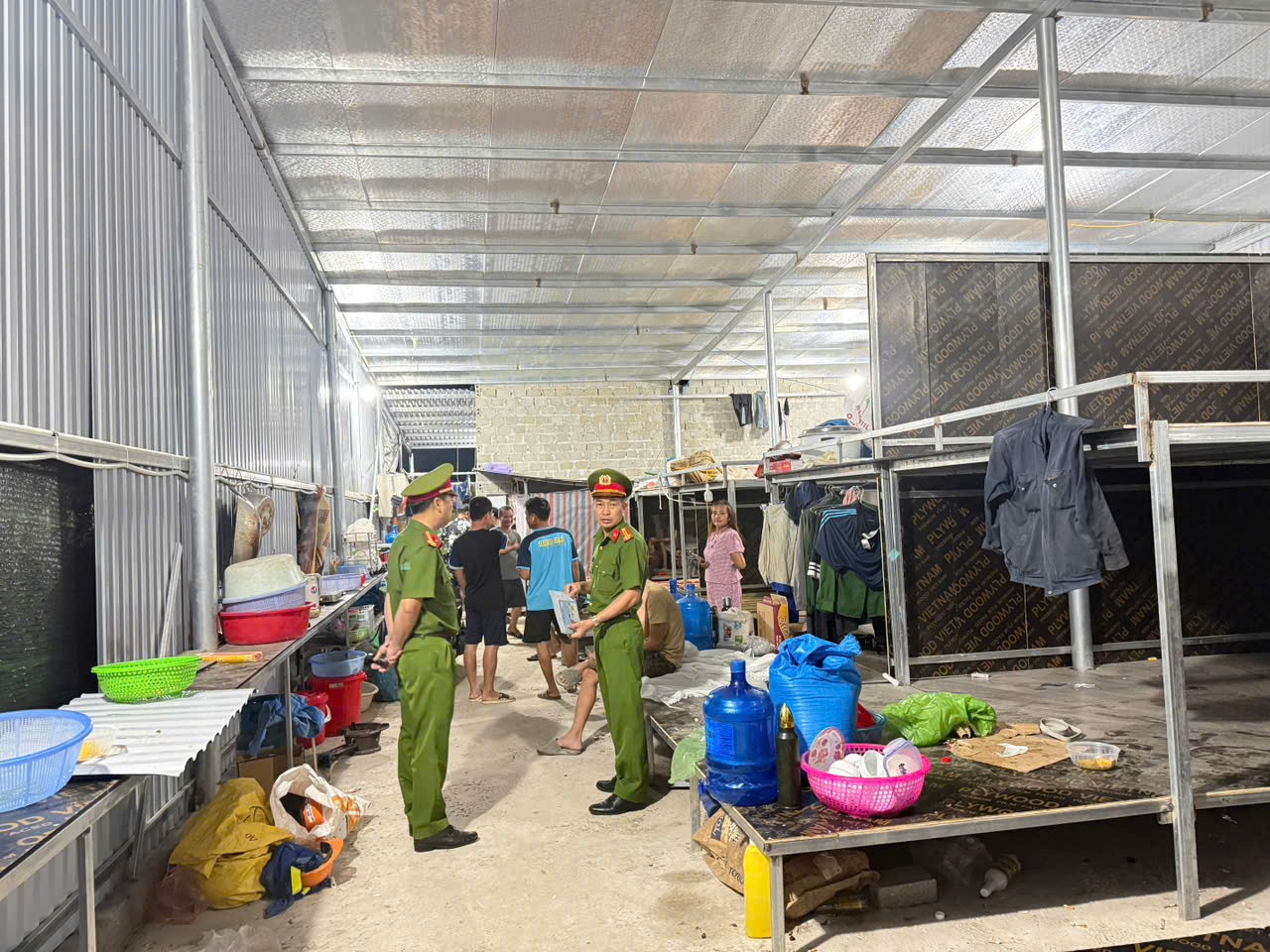
Vietnam Intensifies Monitoring Drug Use Crimes at Private Rental Accommodations
 Viet's Home
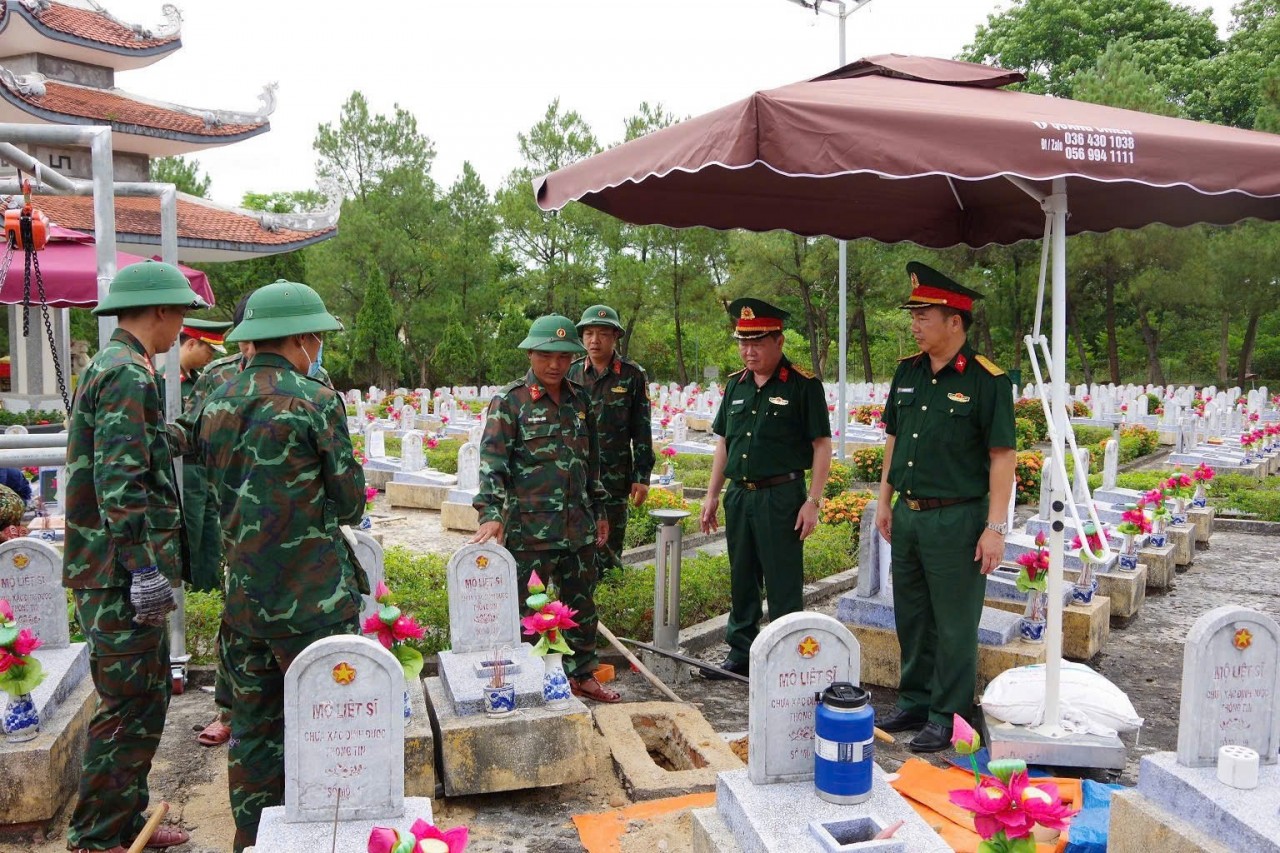
Quang Tri Provincial Authority Widen Scope For Search of Fallen Soldiers’ Remain Amidst Limited Information
 Viet's Home
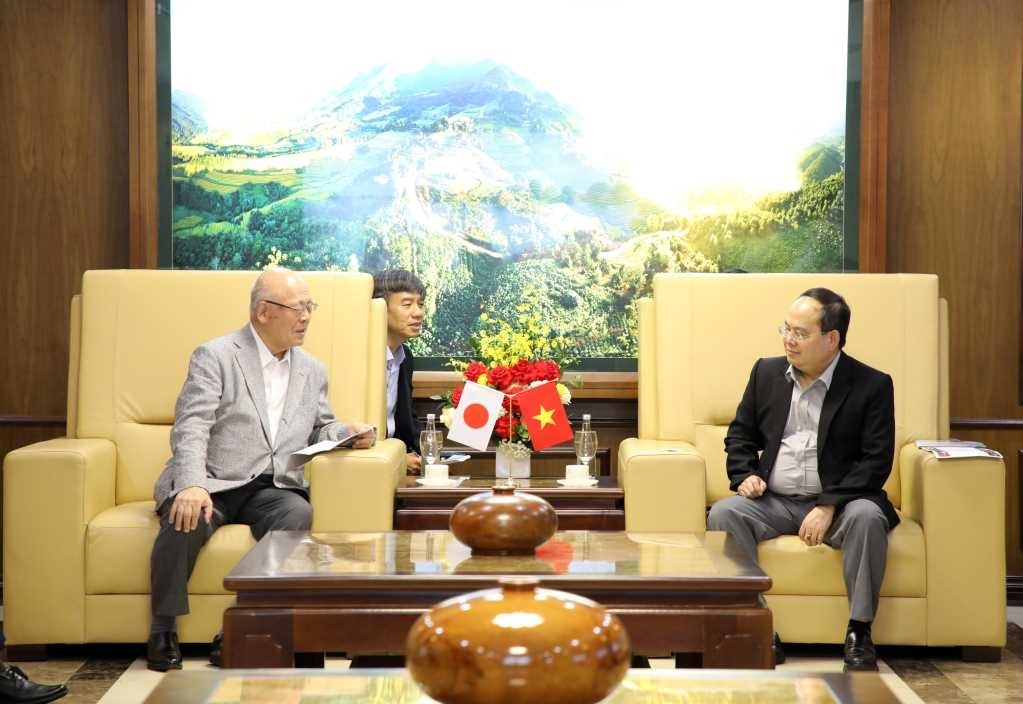
Promoting Cooperative Relations Between Hokkaido (Japan) and Quang Ninh
 Viet's Home