
Advancing Gender Equality through the Provincial Gender Equality Index in Vietnam
 | Vietnam Commits to Action on Gender Equality and the Elimination of Violence Against Women |
| Phu Tho Strengthens Commitment to Gender Equality and Women’s Empowerment |
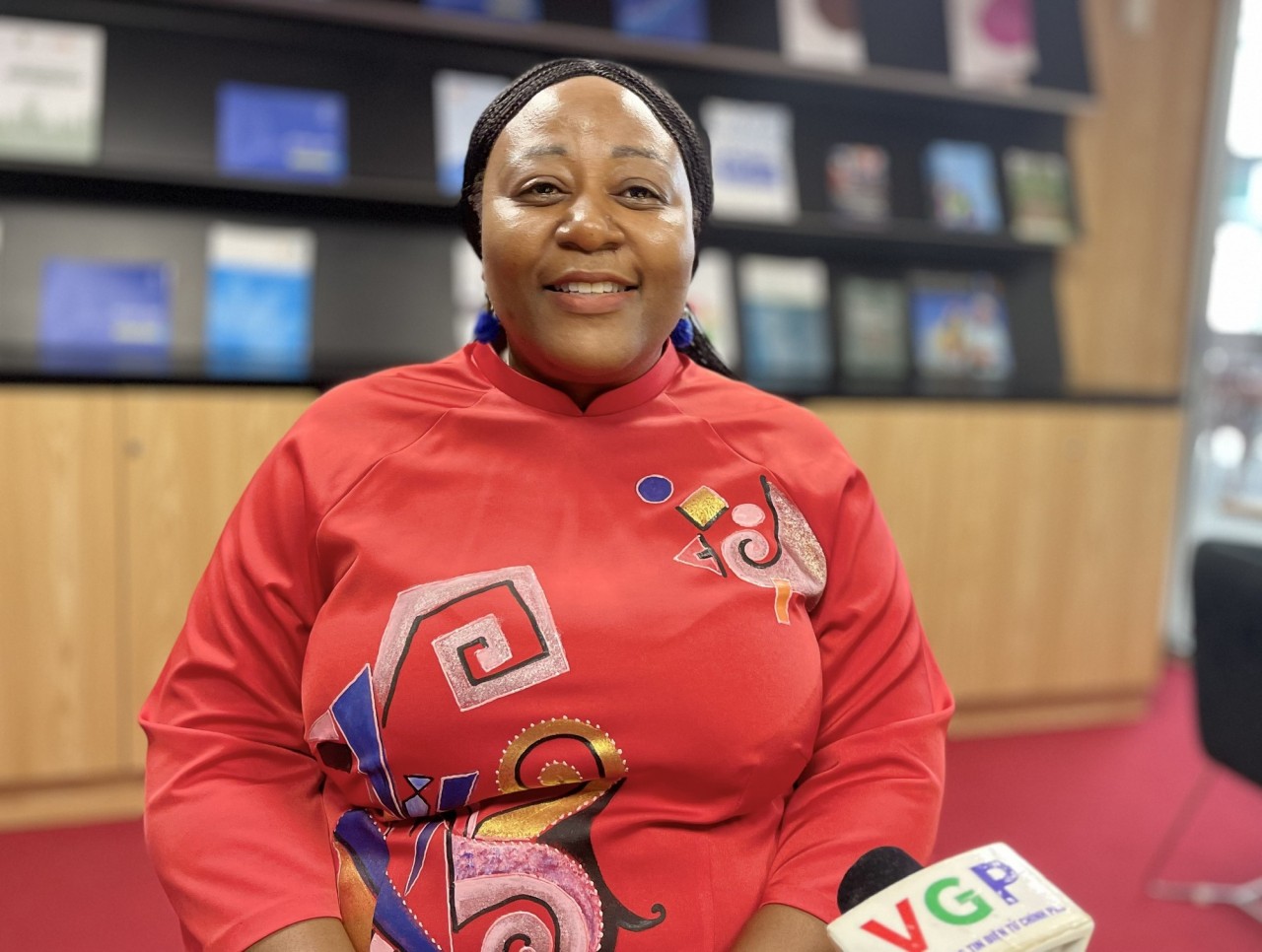 |
| Caroline T. Nyamayemombe, Country Representative of UN Women in Vietnam. (Photo: VGP/Quang Thuong) |
- From UN Women’s global experience and perspective, how do you assess Vietnam’s current policies and practices in promoting gender equality?
Vietnam has established a relatively comprehensive legal and policy framework to promote gender equality. Its achievements in healthcare, education, and women’s economic participation have been internationally recognized. This reflects Vietnam’s long-term commitment to inclusive and equitable development.
However, we also recognize that much remains to be done to ensure that all women and girls, especially those in rural, remote, and disadvantaged areas, can fully and equitably benefit.
On this occasion, UN Women reaffirms its commitment to working closely with the Government of Vietnam, social organizations, communities, and development partners to enhance women’s access to justice; improve financial resources and inter-agency coordination; mitigate the impacts of climate change; and ensure that innovation and technology serve everyone without harm.
As the national statistical system continues to be strengthened, enhancing data collection and analysis at the provincial and commune levels is essential, because this is where policies directly affect people’s lives.
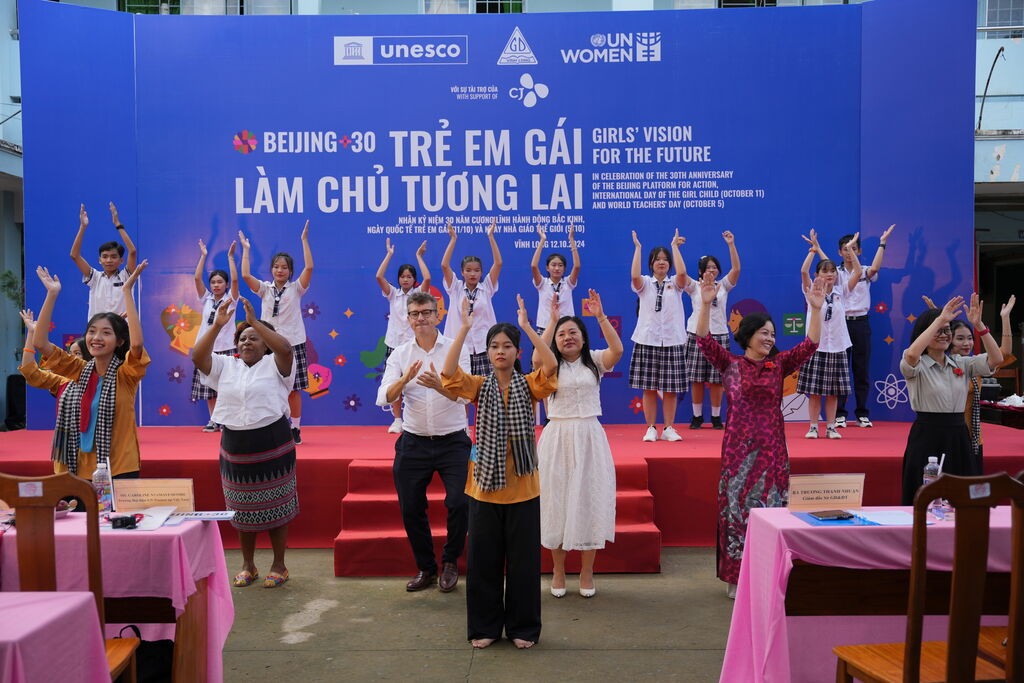 |
| Illustrative photo: The Provincial Gender Equality Index is developed by adapting internationally recognized measurement methodologies widely applied by UN Women. (Photo: UN Women Vietnam) |
The Provincial Gender Equality Index is developed by adapting internationally recognized measurement methodologies widely applied by UN Women, including the Women’s Empowerment Index and the Global Gender Gap Index, to suit Vietnam’s context, while allowing for scalability and regular updates.
Through a multidimensional approach, the index helps localities track their contributions to achieving Sustainable Development Goal 5 and the National Strategy on Gender Equality. More importantly, integrating gender indicators into local decision-making processes will enable policies and budget allocations to better reflect actual needs.
For example, in rural or less developed provinces, women may face greater constraints in accessing sustainable employment, bear a heavier burden of unpaid care work, and have fewer opportunities to participate in leadership compared to those in major urban areas. If we look only at national averages, we risk overlooking groups that are being left behind.
The Provincial Gender Equality Index is a forward-looking governance tool that will enable Vietnam to advance gender equality with greater precision, stronger accountability, and higher ambition, from the grassroots upward.
- How does the PGEI differ from previous assessment frameworks, and how can it help local authorities adjust and improve policies?
This index has two key distinguishing features.
First, it focuses on real-life outcomes rather than merely the existence of policies on paper. Instead of simply asking whether laws are in place, it examines specific issues such as: Do women have income, and how does it compare to men’s? Are girls able to stay in school and access skills and technology? This approach helps clearly identify who is being left behind and why.
Second, the index is specifically designed for the provincial level, based on data sources that can be regularly updated and that reflect local realities. Therefore, it is not just an analytical report for experts, but a practical tool for local leaders to monitor progress, adjust policies, and allocate budgets to improve gender equality outcomes.
The index is expected to provide a “map” for positioning gender equality.
- How will people benefit from policy changes based on this index?
People benefit when policies become more relevant and closely aligned with real-life needs. For women and girls, this may mean better access to sustainable jobs and higher incomes; reduced unpaid care burdens thanks to support services; and more opportunities to participate in and have a voice in local decision-making.
For families and communities, it means stronger local economies; higher-quality public services; and more equitable and efficient budget allocation.
More importantly, transparency and accountability are enhanced. When data is made public, citizens can track the progress of their locality and ask questions: Why is one place advancing faster than another? What can we do better?
As we often emphasize: What gets measured gets done. When we measure what truly matters to women and girls, and act on that data, we can build a country where equality is not just an aspiration, but a reality in every locality, every policy, and every life.
- Thank you very much!
 | Vietnam Pledges to Promote Gender Equality at UN Annual Session Vietnam has reiterated its strong commitment to promoting gender equality and empowering women at the annual session of the Executive Board of the United Nations ... |
 | Dak Lak Women and APHEDA Promote Role of Female Elected Representatives The Dak Lak Women’s Union, in coordination with the Australian People for Health, Education and Development Abroad (APHEDA), held a seminar titled “Promoting the Role ... |



Most read

Related Stories
 Friendship
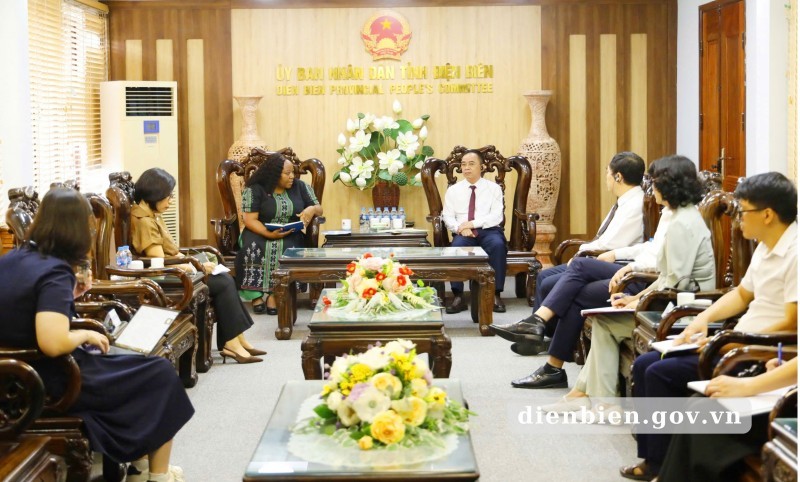
UN Women Reaffirms Cooperation with Dien Bien Province
 National
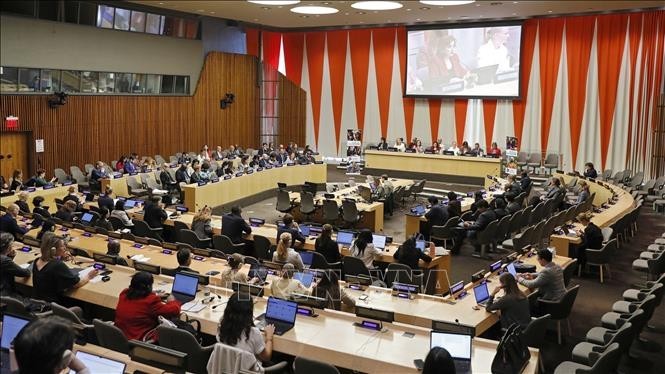
Vietnam Affirms the Need to Promote Women’s Role in the Digital Economy and AI at the UN
 Viet's Home
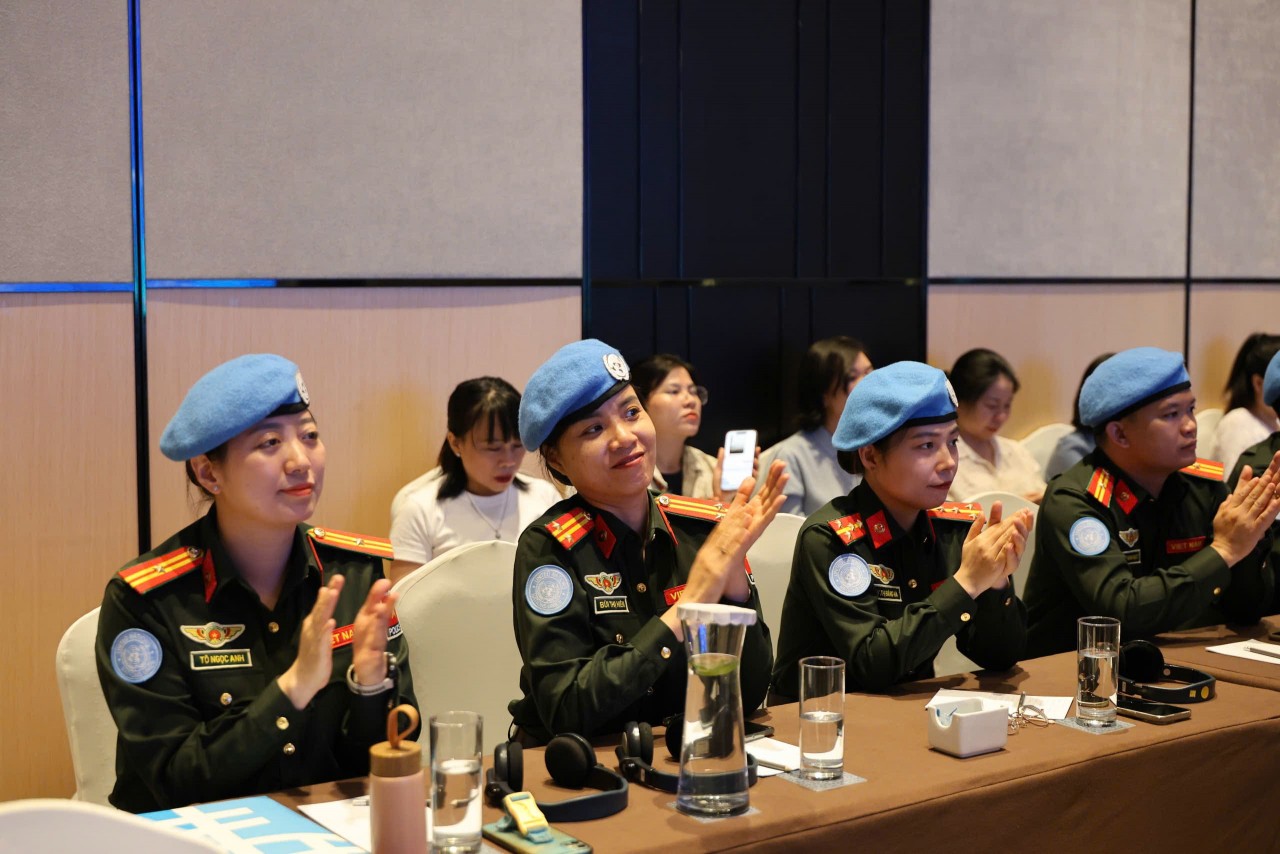
Vietnam Hosts High-Level Forum to Promote Women’s Participation in UN Peacekeeping
 Viet's Home
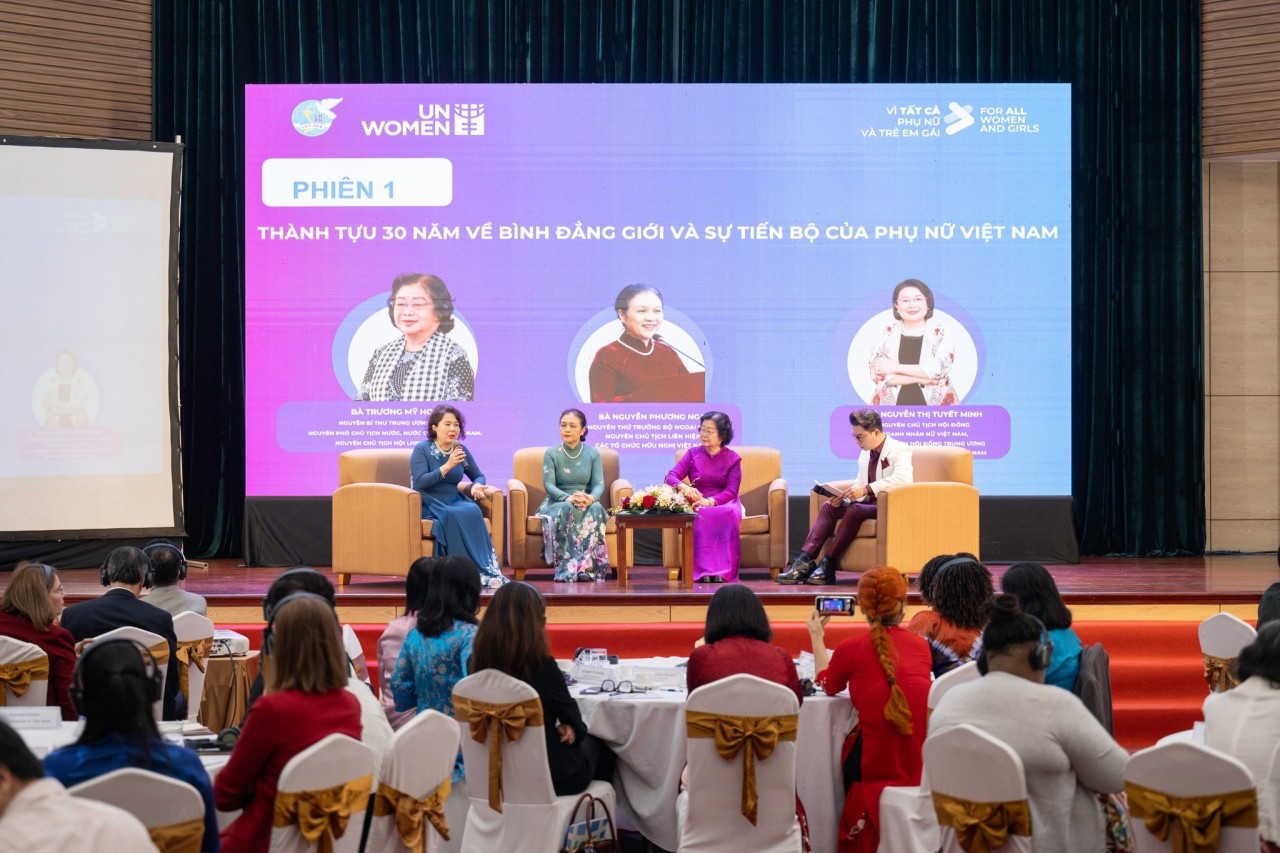
Vietnam Marks Significant Milestones in Gender Equality
Recommended
 Viet's Home
Vietnam Allocates VND 50 Billion to Lai Chau for Post-Flood Recovery
 Viet's Home
Da Nang Contributes VND 1 Billion to Quang Tri's Gratitude Fund
 Viet's Home
Vietnamese Intellect Showcased at International Economics Olympiad 2026
 Viet's Home
Hanoi Steps Up Care for People with Meritorious Service
Popular article
 Viet's Home
Lai Chau Calls for Support to Help Residents Recover from Flood Damage
 Viet's Home
Vietnam to Host Its First International Olympiad in AI
 Viet's Home
Dak Lak, Mondulkiri Sign Memorandum of Understanding for Cooperation
 Viet's Home