
Australia grants aid for Vietnamese-led research team
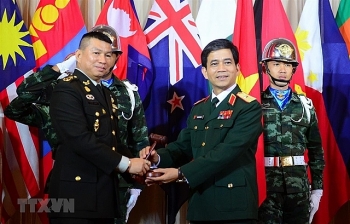
| A Vietnamese officer is a lecturer at the Australian Peacekeeping Training Center | |
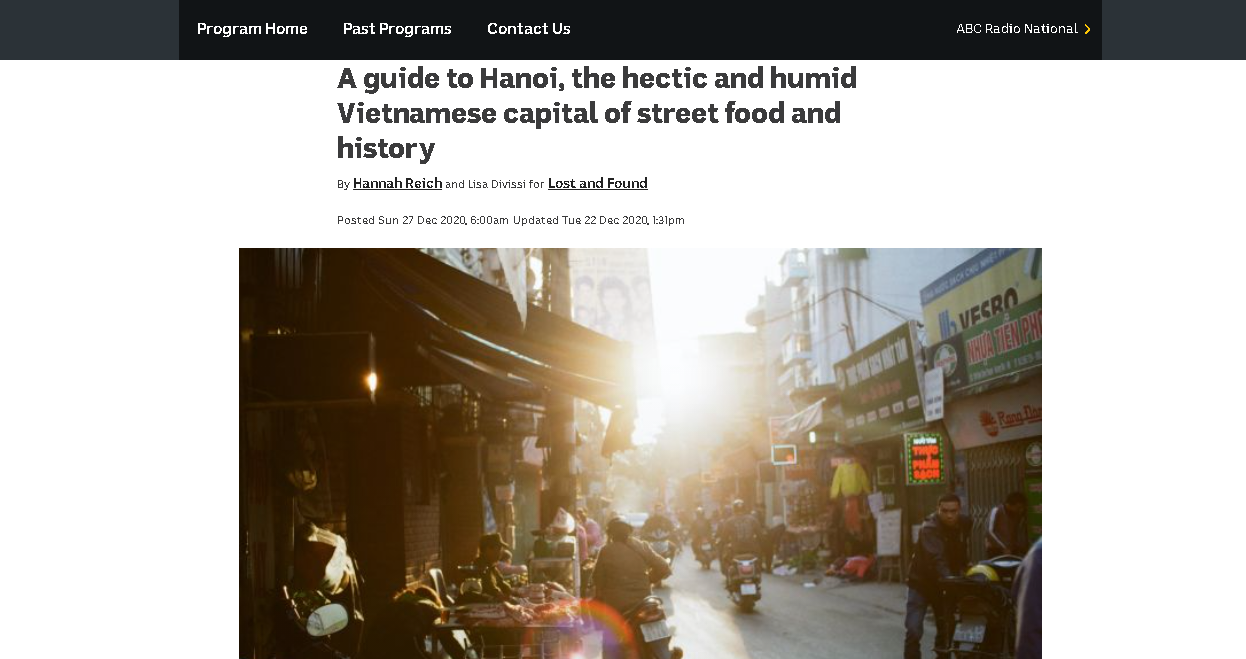
| Australian newspaper highlights Hanoi’s street food, history | |
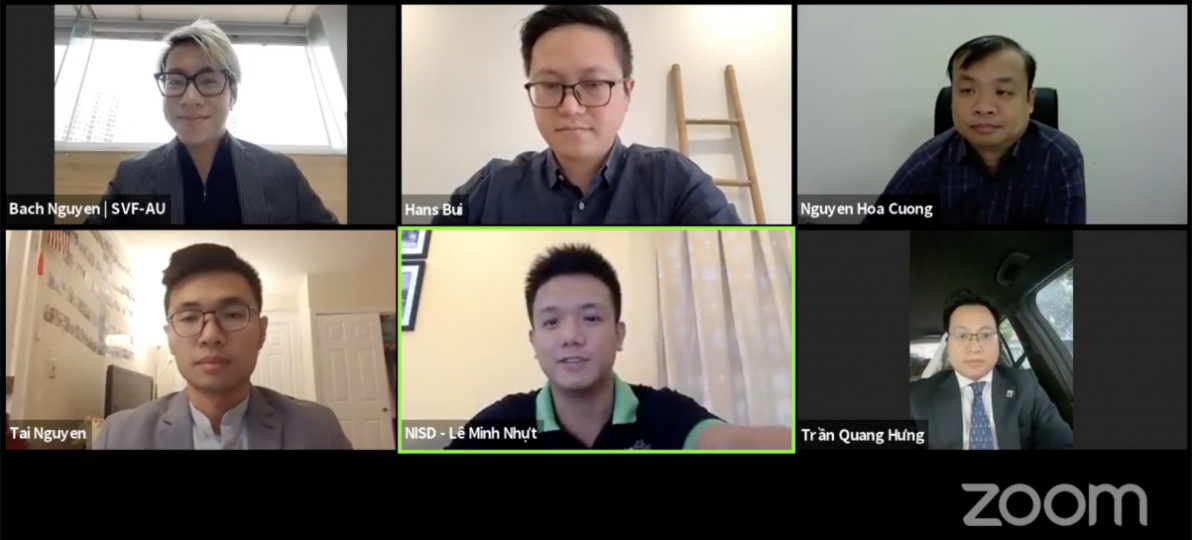
| Webinar connects Vietnamese startups in Australia |
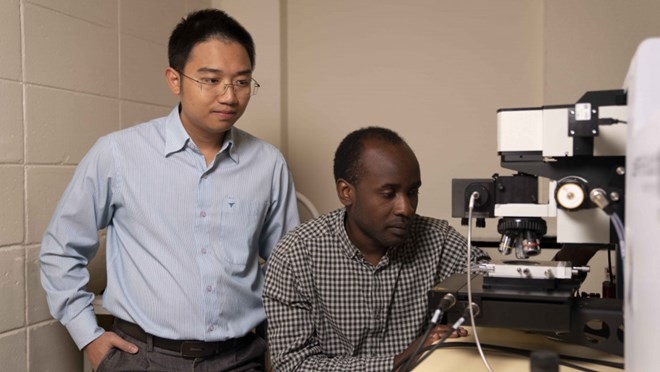 |
| Dr Nguyen Trong Hieu (L) and his colleague. (Photo: ANU |
Hieu said that his team will spend the money developing more advanced equipment to help researchers measure photovoltaic properties of solar materials more accurately.
This new technology will be a step forward in the process of harnessing photovoltaic potential as a clean, affordable and sustainable source of energy for everyone, he stated.
According to him, a small amount will be spent on training postgraduates on how to use and apply the advanced equipment.
The research team hopes to basically complete the installation of equipment by the end of 2021, which will be used for different energy materials provided by energy companies and other research teams.
Since 2016, Hieu’s team has received a total of USD 6.4 million in aid for new-generation solar cell development projects.
In 2019, Hieu and his team had demonstrated for the first time the potential of ultra-thin 2D materials to generate electricity using sunlight.
While most research focuses on improving the quality of the core part inside solar cells, Hieu and his co-workers gathered strength on the thin film layer on the top of the cell, which is several thousand times thinner than human hair. The thin layer is used to conduct electricity from the cell and protect the core part.
The biggest significance of the discovery is that it helps solar cells become stronger and more effective because scientists have found a method which can control the hydrogen content inside the membrane so as to have better solar cells.
Solar energy is the cheapest and cleanest type of energy. However, everyone knows that the use of the clean energy could create an environmental disaster.
When solar panels age, they become garbage “bombs” which could be dangerous. Scientists are still fumbling about how to treat solar cells when their life circle finishes.
However, with Hieu’s discovery, this could be delayed as the life expectancy of solar cells could be longer.
Born in 1988, Hieu received his PhD in engineering (photovoltaics) from the ANU in 2016. In 2017, he was a visiting scientist at the US’s National Renewable Energy Laboratory. Currently, he is a research fellow and lecturer in the solar cell major at the ANU./.
 | Report: Vietnam is a perfect economic partner for Australia Vietnam is a standout option for Australian businesses to consider as a market for goods and services and business investment. |
 | Vietnamese-owned business in Australia supports community amid pandemic A Vietnamese-owned business in Australia, is very active in charity activities, especially its support to the Vietnamese community and local people amid difficulties posed by ... |
 | Vietnamese students in Australia and job search strategy The Vietnamese community in Australia is quite large and lives in all parts of the country. However, not all Vietnamese people succeed when setting foot ... |




Related Stories
 Overseas Vietnamese
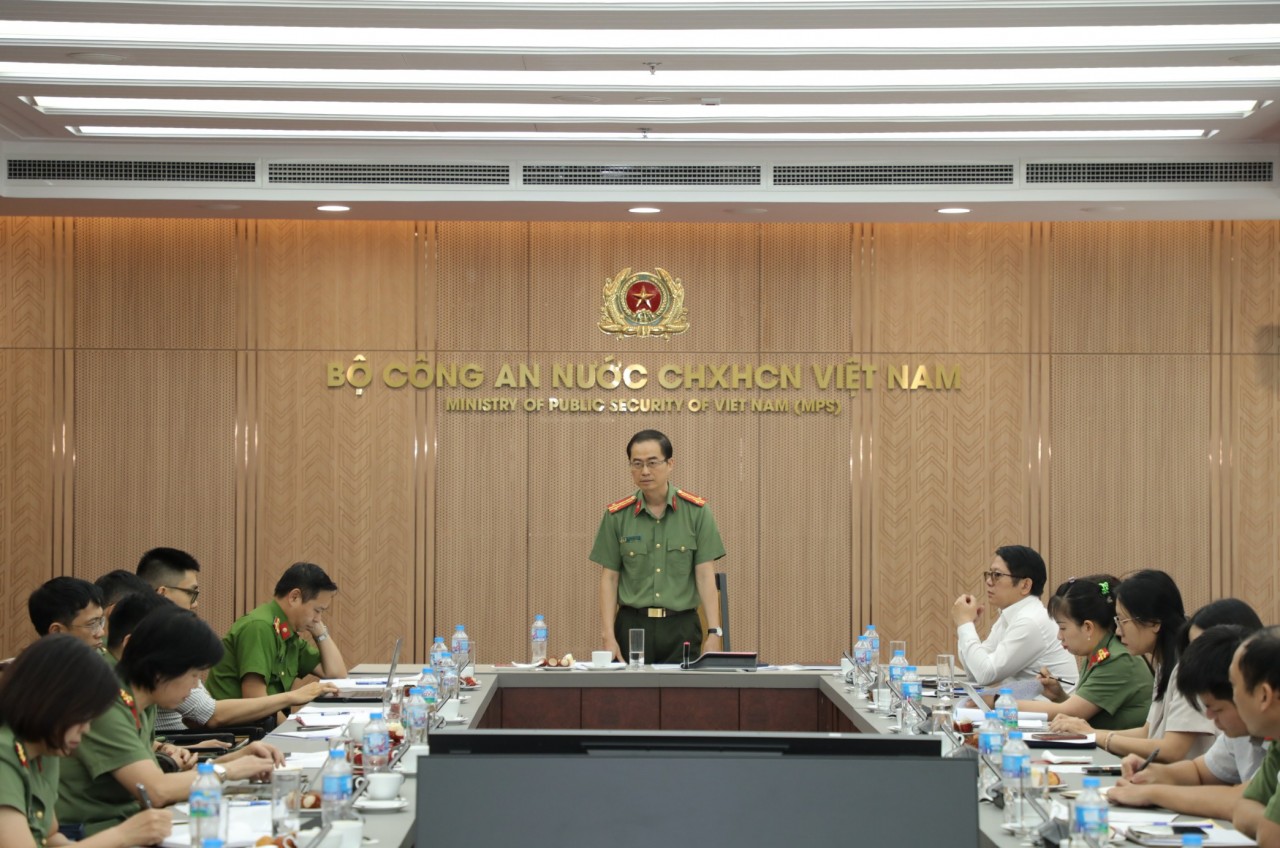
People's Public Security Force - Ensuring the Rights of Vietnamese Citizens Abroad
 Overseas Vietnamese
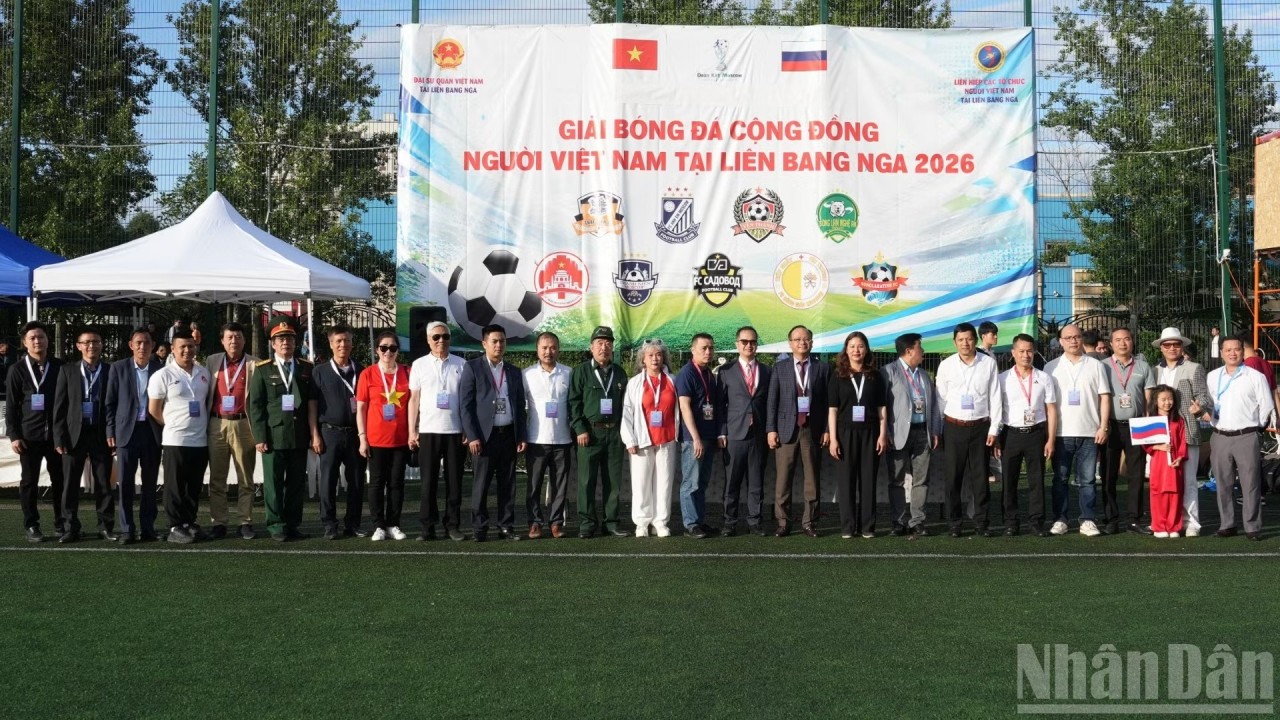
Vietnamese Community Football Tournament Strengthens Unity in Russia
 National
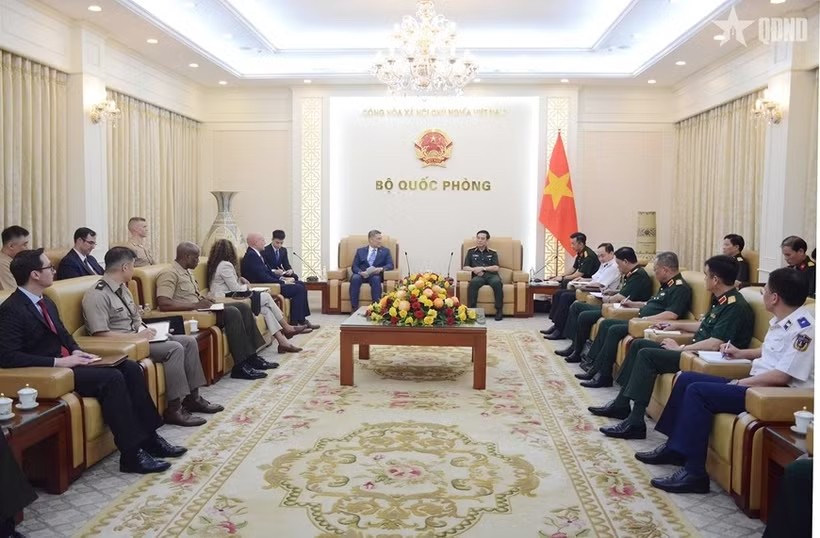
Vietnam News Today (Jun. 23): Vietnam, US Seek Stronger Defense Cooperation
 Economy
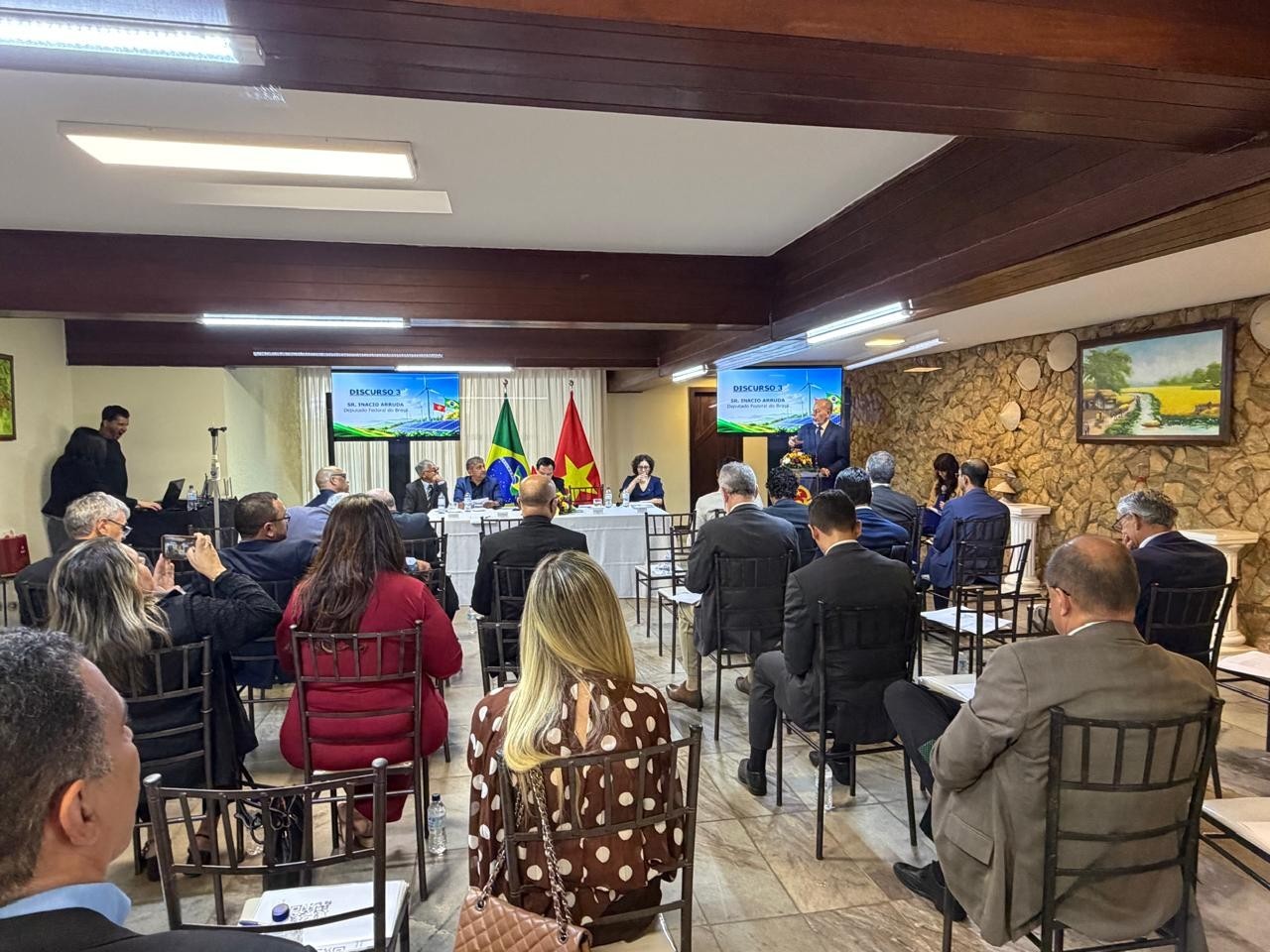
Vietnam-Brazil: Strengthening Cooperation in Renewable Energy
Recommended
 Overseas Vietnamese
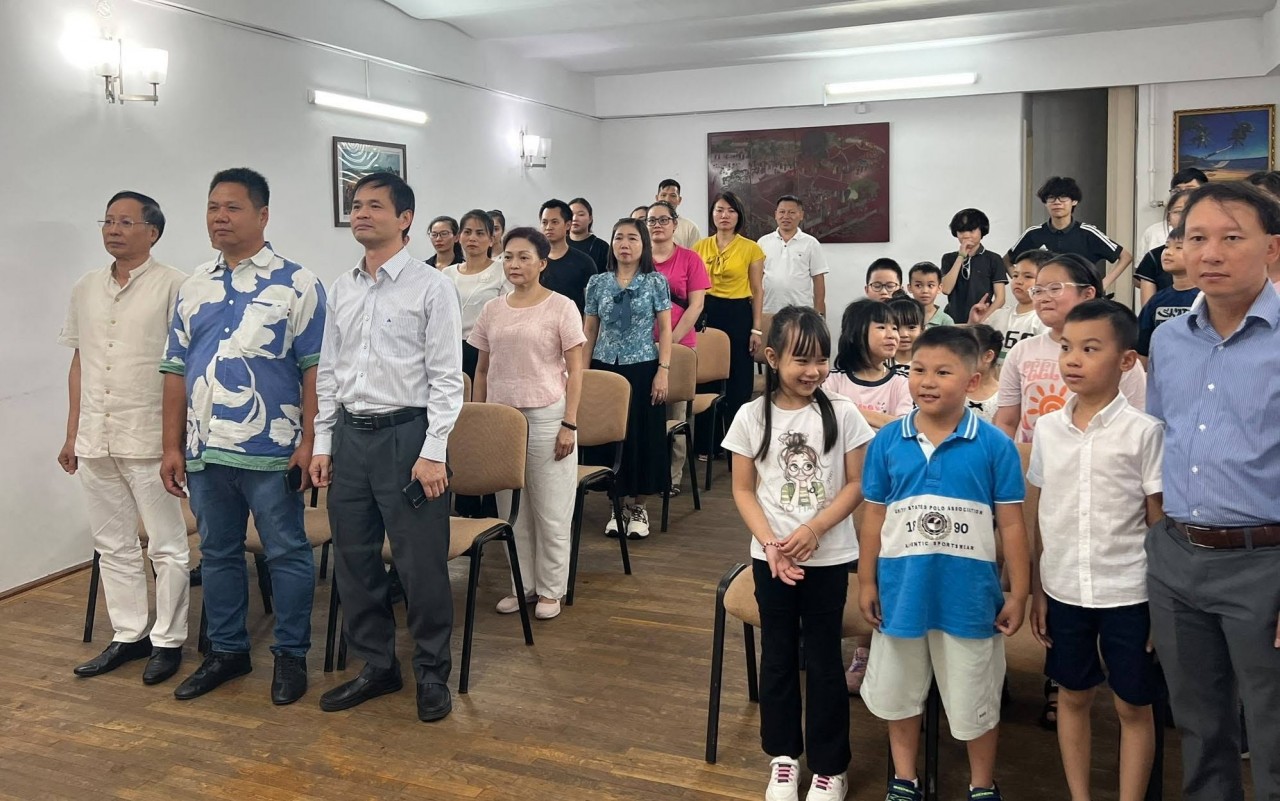
Vietnamese Summer Language Class Opens in Romania
 Overseas Vietnamese
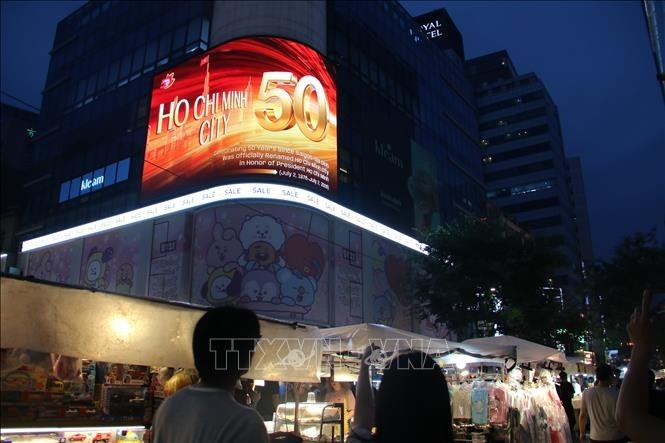
Ho Chi Minh City’s 50th Anniversary Shines in Central Seoul
 Overseas Vietnamese
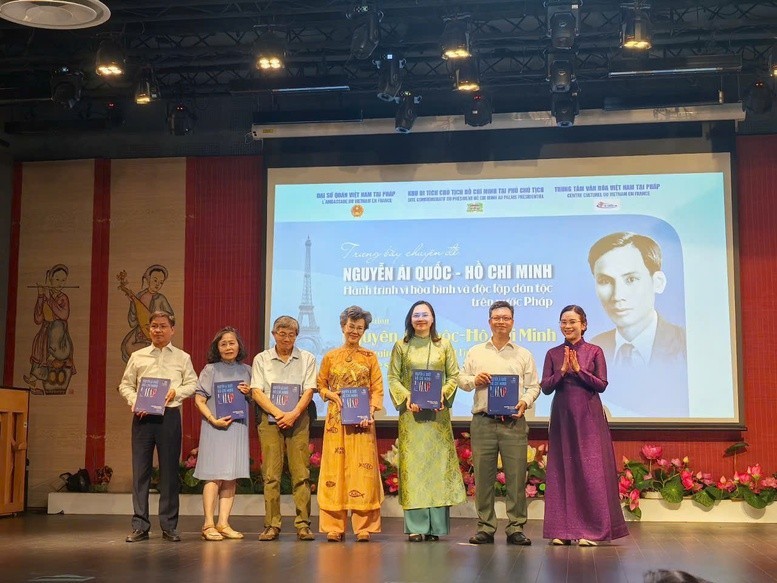
Honoring President Ho Chi Minh’s Legacy in France
 Overseas Vietnamese
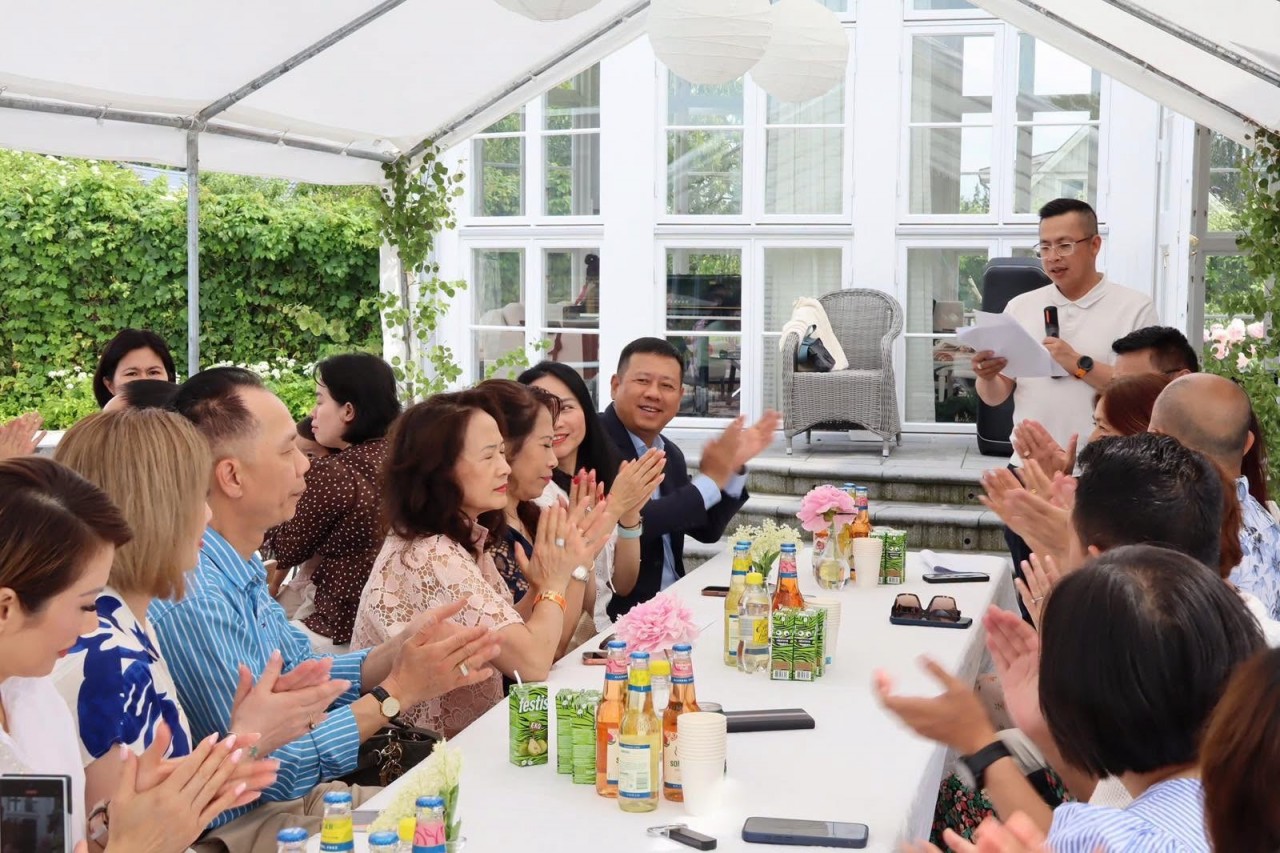
Vietnamese Language Teachers’ Club Established in Sweden
Popular article
 Overseas Vietnamese
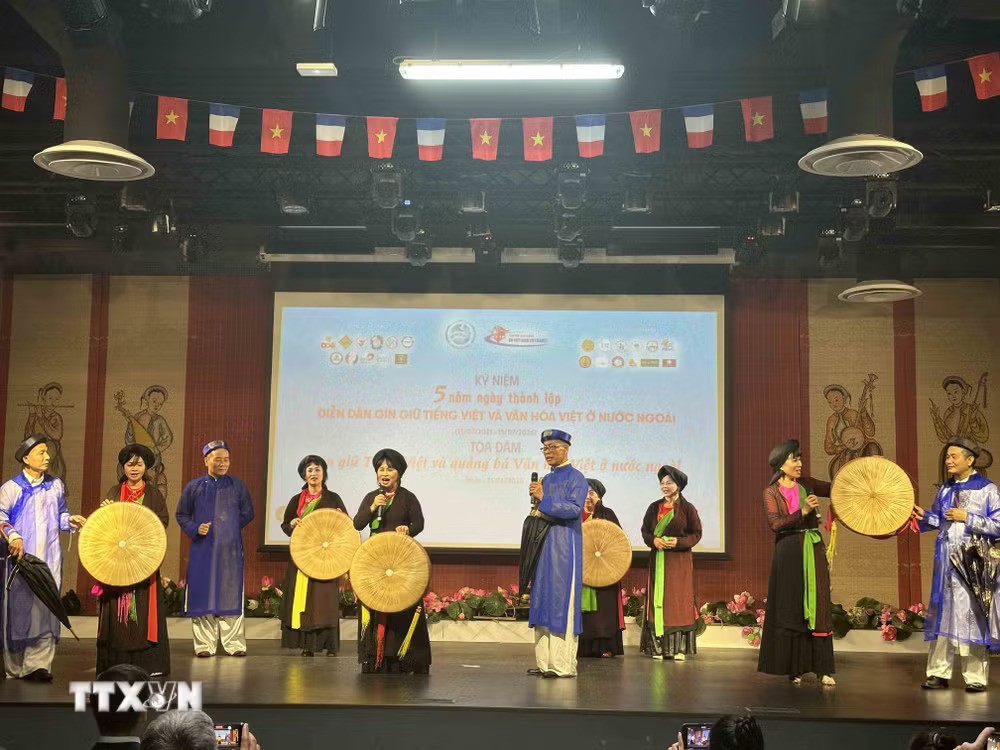
Joining Hands to Preserve the Vietnamese Language and Culture Among Overseas Vietnamese Communities in France
 Overseas Vietnamese
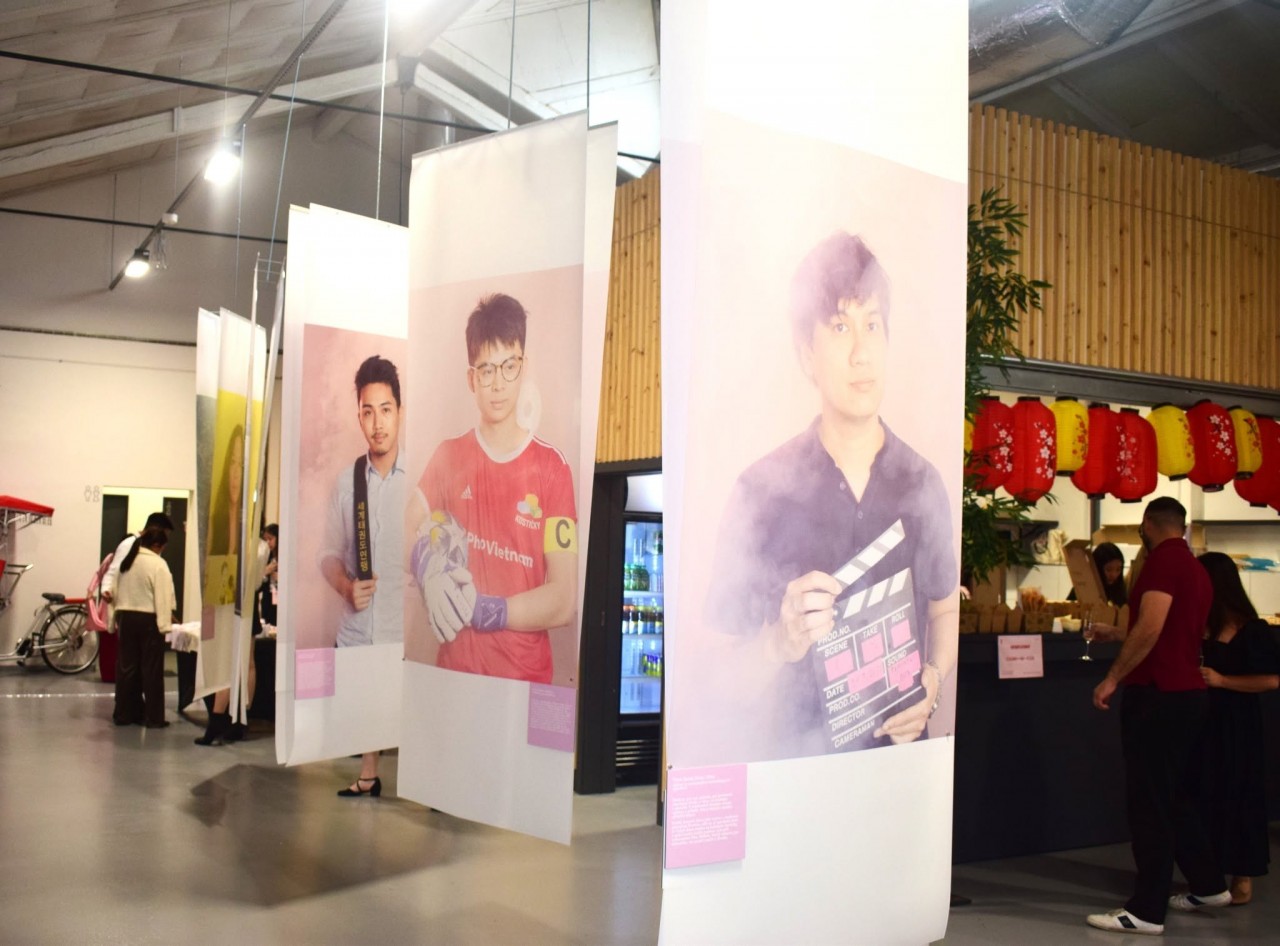
Young Vietnamese in Czech Share Stories of Growing Up Between Two Cultures
 Overseas Vietnamese
2026 Japanese Law Knowledge Contest for Vietnamese People Launches in Tokyo
 Overseas Vietnamese