
Close Ties with People - Foundation of Communist Party of Vietnam's Leadership Strength
 | Senior official inspects preparations for 14th National Party Congress |
| International Scholars: 14th National Party Congress Opens New Era of Development for Vietnam |
The Party’s close bond with the people - A source of enduring leadership strength
In an interview with a Vietnam News Agency (VNA) correspondent in Germany, Patrik Köbele, Chairman of the German Communist Party (DKP), affirmed that the Communist Party of Vietnam plays an irreplaceable role and holds critical importance in Vietnam’s historical process and national development. According to him, it was the Party that led the Vietnamese people in the cause of national liberation, freeing the country from imperialist and colonial oppression, and that continued to play a central role in national reconstruction after the war.
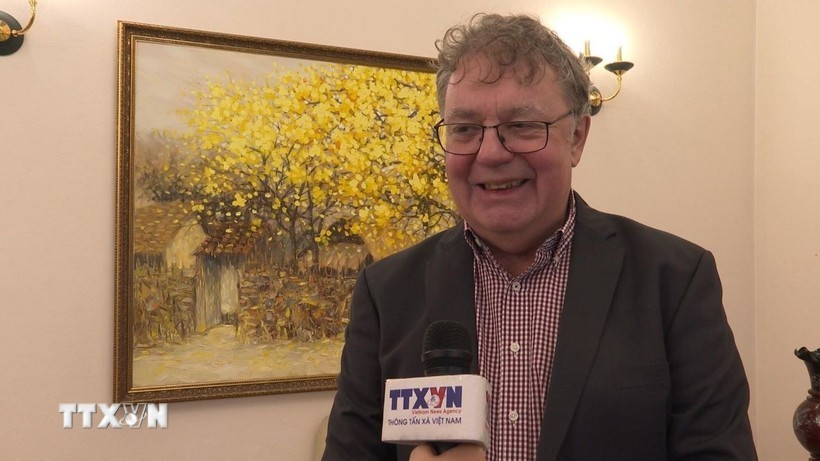 |
| Chairman of the German Communist Party Patrik Köbele. (Photo: VNA) |
Referring to the severe and long-lasting consequences of Agent Orange, he said this stands as clear evidence of the immense losses Vietnam has had to endure, thereby further highlighting the significance of the development achievements the country has attained under the Party’s leadership.
Assessing Vietnam’s socio-economic development indicators in recent years, Patrik Köbele paid particular attention to the average life expectancy of the Vietnamese people, which has now exceeded 70 years, as well as the target of raising it to around 75.5 years by 2030 as stated in the Draft Political Report to be submitted to the 14th National Congress.
According to him, these achievements and targets clearly reflect the humanistic orientation of a society led by a communist party - an orientation that in many other countries has not truly been placed as a priority.
From this perspective, the Chairman of the German Communist Party emphasized the importance of the leadership role of the Communist Party of Vietnam - a role that is demonstrated not merely through administrative directives, but through a close and profound bond with the people. He noted that this relationship is precisely the foundation that ensures the strength of the Party’s leadership.
Sharing his impressions after studying the documents of the 14th National Congress, Patrik Köbele expressed his appreciation for the spirit of self-reflection and self-criticism of the Communist Party of Vietnam, particularly its firm determination not to allow corruption and negative phenomena that could undermine the relationship between the Party and the people. According to him, when this relationship is weakened, the Party’s leadership role will inevitably face serious challenges.
Drawing from Germany’s historical experiences, especially the developments that led to the dissolution of the German Democratic Republic, he considered these to be profound lessons that merit careful reflection. On that basis, he conveyed a message to the Vietnamese people and members of the Communist Party of Vietnam, emphasizing the necessity of protecting at all costs a stable and enduring relationship between the Party and the people, viewing it as a key foundation for the country’s continued development.
According to the Chairman of the German Communist Party, the goals set out in the documents of the 14th National Congress are deeply humanistic and embody a people-centered development model - something the world today greatly needs amid escalating conflicts and increasing challenges to international legal norms. He expressed his confidence that the 14th National Congress will adopt sound decisions that will not only be significant for Vietnam, but will also make a positive contribution to the common interests of humanity.
Political stability and strategic vision in a new era
In Israel, Assaf Talgam, a historian and journalist of Zo HaDerekh - the official newspaper of the Communist Party of Israel - believed that, from a comparative and historical perspective, the leadership role of the Communist Party of Vietnam constitutes the central factor underpinning the country’s enduring political stability and impressive development trajectory.
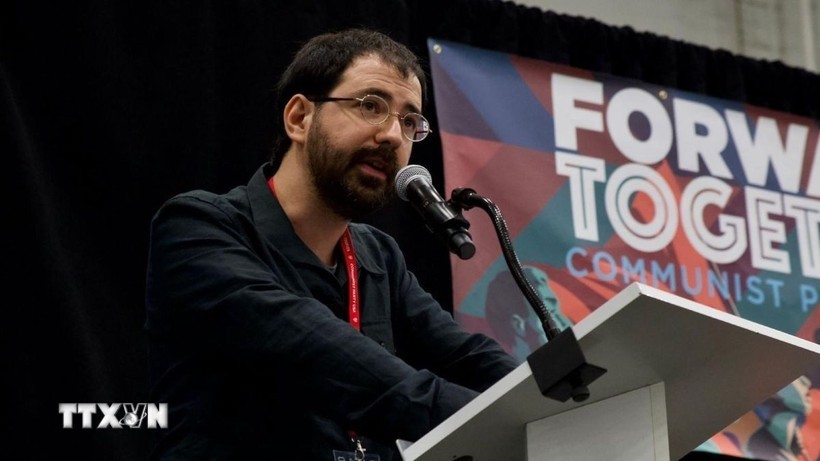 |
| Israeli historian and journalist Assaf Talgam. (Photo: VNA) |
According to him, amid profound global turbulence, very few political organizations have been able to maintain continuous leadership while at the same time adapting flexibly and effectively to changes in governance methods in the way the Communist Party of Vietnam has. The Party’s capacity to lead the country through major historical stages - from achieving independence and post-war reconstruction to the implementation of the Doi moi (Renewal) process - demonstrates its broad social foundation and clear strategic vision.
Assaf Talgam assessed that the Doi moi process and subsequent reforms reflect a pragmatic approach to governance, harmonizing ideological consistency with flexibility in policymaking, thereby contributing to sustained economic growth and the preservation of social stability.
Entering an era of national advancement, he noted that the greatest challenge lies in continuing to strengthen institutions for public participation, ensuring a balance between economic growth and social equity, while improving institutional effectiveness, policy transparency, and responsiveness to social aspirations, particularly those of the younger generation.
Regarding the significance of the 14th National Party Congress, Assaf Talgam considered it a major strategic adjustment that defines Vietnam’s position at a pivotal moment, with clear objectives: by 2030, Vietnam is to become a developing country with modern industry and upper-middle income; and by 2045, a developed, high-income country. The Congress reaffirms the Party’s commitment to revolutionary ethics, Marxism-Leninism, Ho Chi Minh Thought, and the goal of “a prosperous people, a strong nation, and a socialist society,” while emphasizing innovation, human resource development, and enhanced state capacity.
In an international context marked by uncertainty, he argued that Vietnam’s success will depend on its ability to maintain strategic autonomy, build strong domestic institutions, and strengthen cooperation with countries and progressive movements around the world. According to him, as a representative socialist country and a rising economy, Vietnam can make greater contributions to international peace and justice, in which enhanced cooperation among communist parties would bring long-term benefits to all sides.
Addressing the major orientations expected to be adopted at the 14th National Party Congress, Antoine Pouillieute, former French Ambassador to Vietnam from 2001 to 2004, stated that a party congress must set out fundamental directions. After a successful “take-off” phase, Vietnam is entering a stage in which it must demonstrate adaptability and resilience in maintaining its “cruising speed.” Accordingly, priorities such as simplifying organizational structures and decision-making processes, improving the effectiveness of public policies in line with the strong dynamism of the private economic sector, and enhancing the competitiveness of a more diversified, higher value-added economy are key issues. Pouillieute particularly emphasized investment in people, strengthening social cohesion, and enhancing the accountability of each actor to the community.
Pouillieute noted that in a world where power risks overshadowing the rule of law, Vietnam needs to continue affirming itself as a stabilizing anchor in the region, guided by the long-term vision of its political leaders. An increasingly well-educated society also requires that each individual be provided with conditions for harmonious development, thereby enabling greater contributions to the common good. In the face of international challenges, Vietnam, a country that has consistently upheld the principle of territorial integrity, must continue to affirm this stance on land, at sea, and in the air. At the same time, the challenges posed by climate change, particularly in delta regions, require Vietnam to play a leading role in ecological and energy transitions.
The former French Ambassador concluded that if the 14th National Party Congress further promotes professionalization, enhances efficiency, strengthens social cohesion, and advances sustainable development, it will be a congress of particularly great significance for Vietnam’s next stage of development.
 | Viet Nam Briefs Foreign Diplomatic Missions and International Organizations on 14th National Party Congress At the briefing, Minister of Foreign Affairs Le Hoai Trung stated that the 14th National Congress of the Communist Party of Viet Nam is of ... |
 | Lao Ambassador to Vietnam: The 14th National Party Congress to Lead Vietnam into a New Phase of Rapid and Sustainable Growth On the occasion of the 14th National Congress of the Communist Party of Vietnam, Lao Ambassador to Vietnam Khamphao Ernthavanh shared with VietnamTimes Magazine her ... |


Most read

Related Stories
 National
Ho Chi Minh Thought Guides Development Path: Top Leader
 National
Breakthrough actions Required to Turn decisions into Results: Top Leader
 National
Vietnam News Today (Feb. 5): Party Leader's Visit Expected to Open New Chapter in Vietnam–Cambodia Friendship
 National
Party Committee of Viet Nam Fatherland Front and Central Mass Organizations Will Become Strong Pillar of Political System
In topics
 National
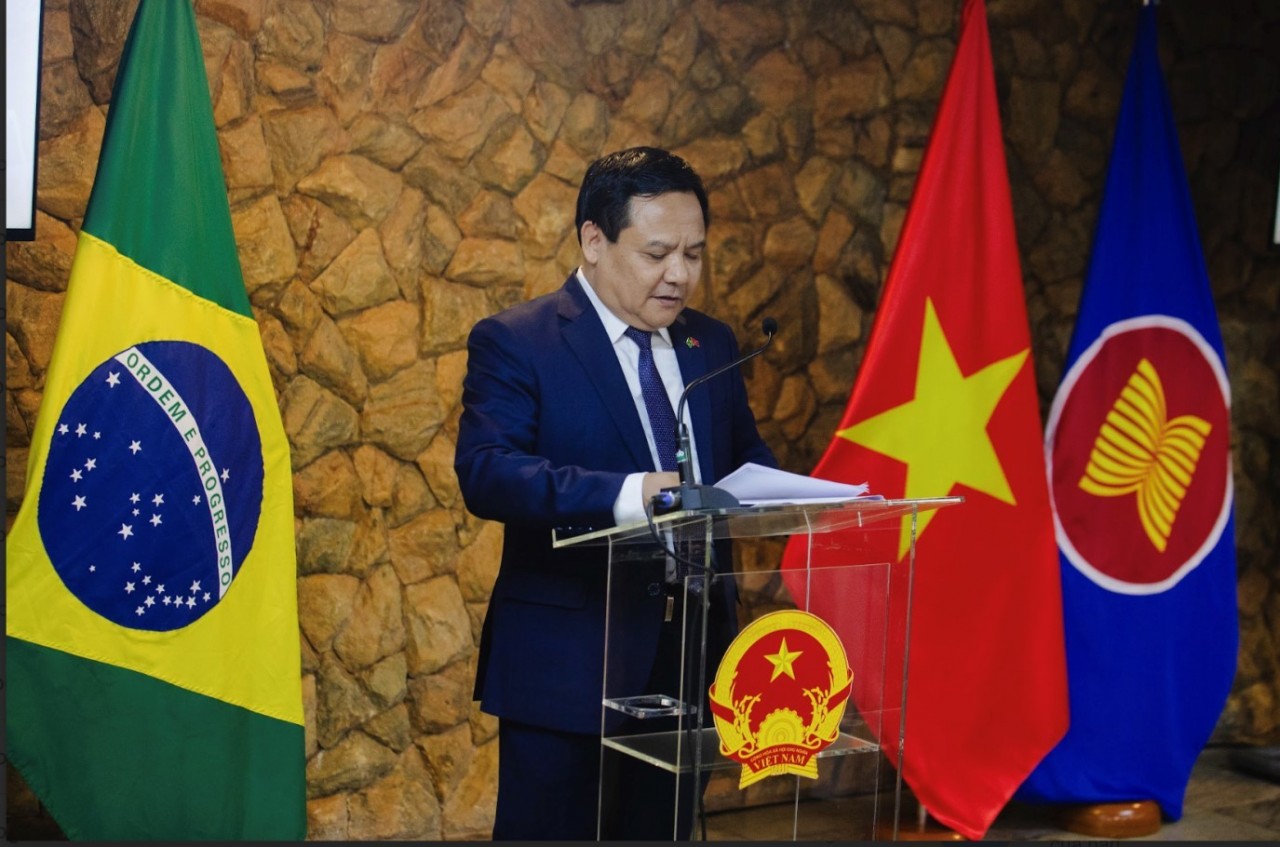
Brazilian Politicians and Scholars Honor the Historical Role of the Communist Party of Vietnam
 National
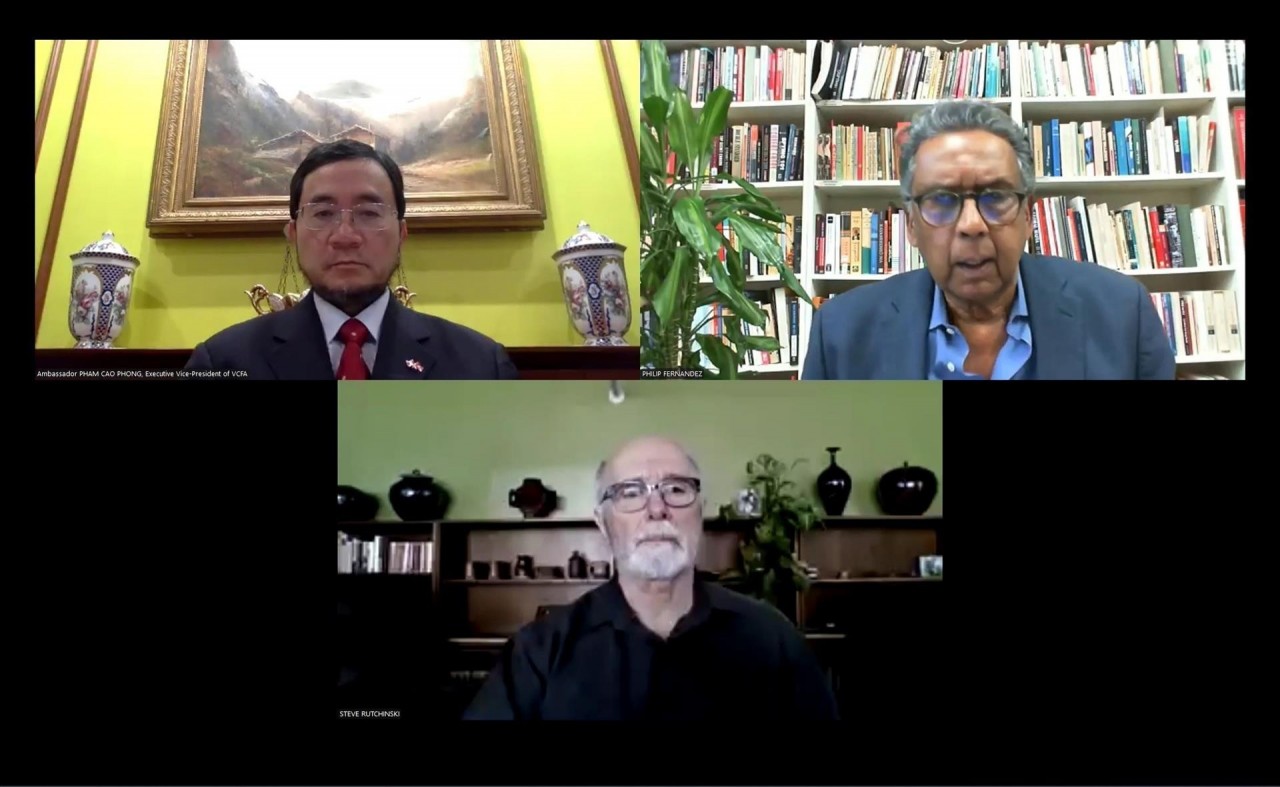
Canadian Friends Highlight Significance of 14th National Congress of Communist Party of Vietnam
Recommended
 National
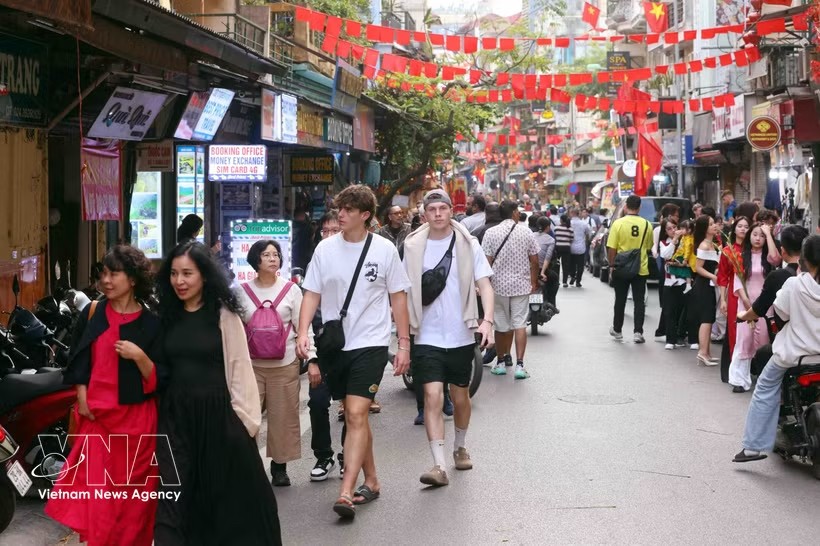
Vietnam News Today (July 4): International Tourist Arrivals to Vietnam Rise Nearly 15% in First Half of 2026
 National
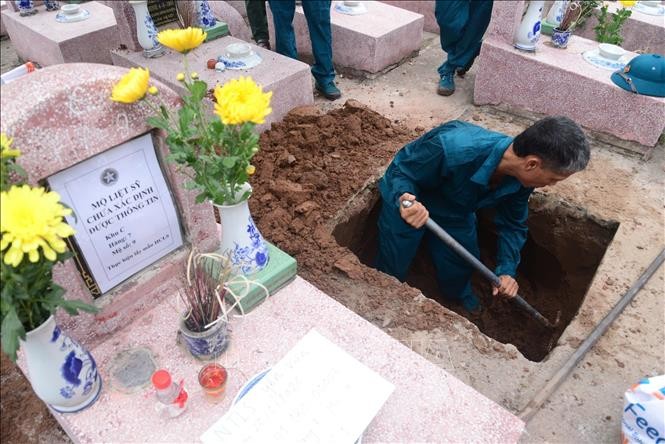
500-Day Campaign: Hope of Reunion Through DNA Evidence
 National
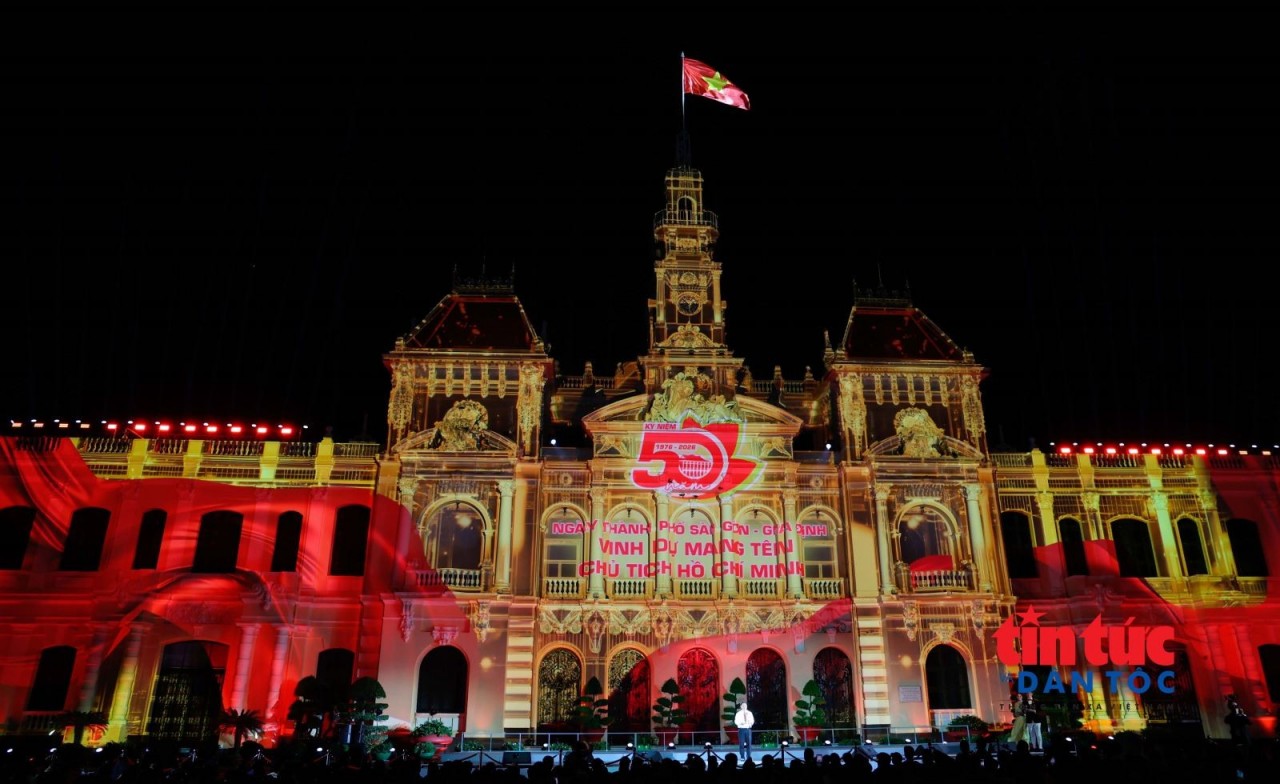
Ho Chi Minh City Marks 50 Years with 3D Mapping Light Show
 National
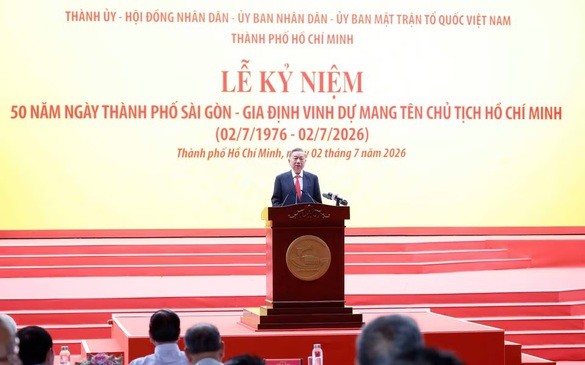
Full Remarks by General Secretary, President To Lam at 50th Anniversary of Sai Gon-Gia Dinh Named After President Ho Chi Minh
Popular article
 National
New Advances in DNA Technology for Identifying Fallen Soldiers
 National
Foreign Affairs Should Better Serve National Development: Top Leader
 National
Vietnam News Today (July 1): Vietnam and UAE Sign Defense Industry Cooperation Memorandum
 National