
Overseas Vietnamese in Thailand, Singapore and the Philippines Bridge Ties
 | Overseas Vietnamese in Singapore Join Hands in Advancing Vietnam’s Innovation Drive |
| Overseas Vietnamese Entrepreneurs Help Expand Vietnam’s Economic “Soft Power” |
Ahead of General Secretary and State President To Lam’s official visit to Thailand from May 27-29, 2026, state visit to Singapore from May 29-31, participation in the Shangri-La Dialogue, and state visit to the Philippines from May 31 to June 1, 2026, Nguyen Trung Kien, Chairman of the State Committee for Overseas Vietnamese under the Ministry of Foreign Affairs, spoke with Vietnam News Agency reporters about the contributions and bridge-building role of overseas Vietnamese communities in Thailand, Singapore and the Philippines in strengthening friendship and cooperation between Vietnam and the host countries. He also shared information on the Party and State’s orientations and policies aimed at further mobilizing overseas Vietnamese resources for national development in the new period.
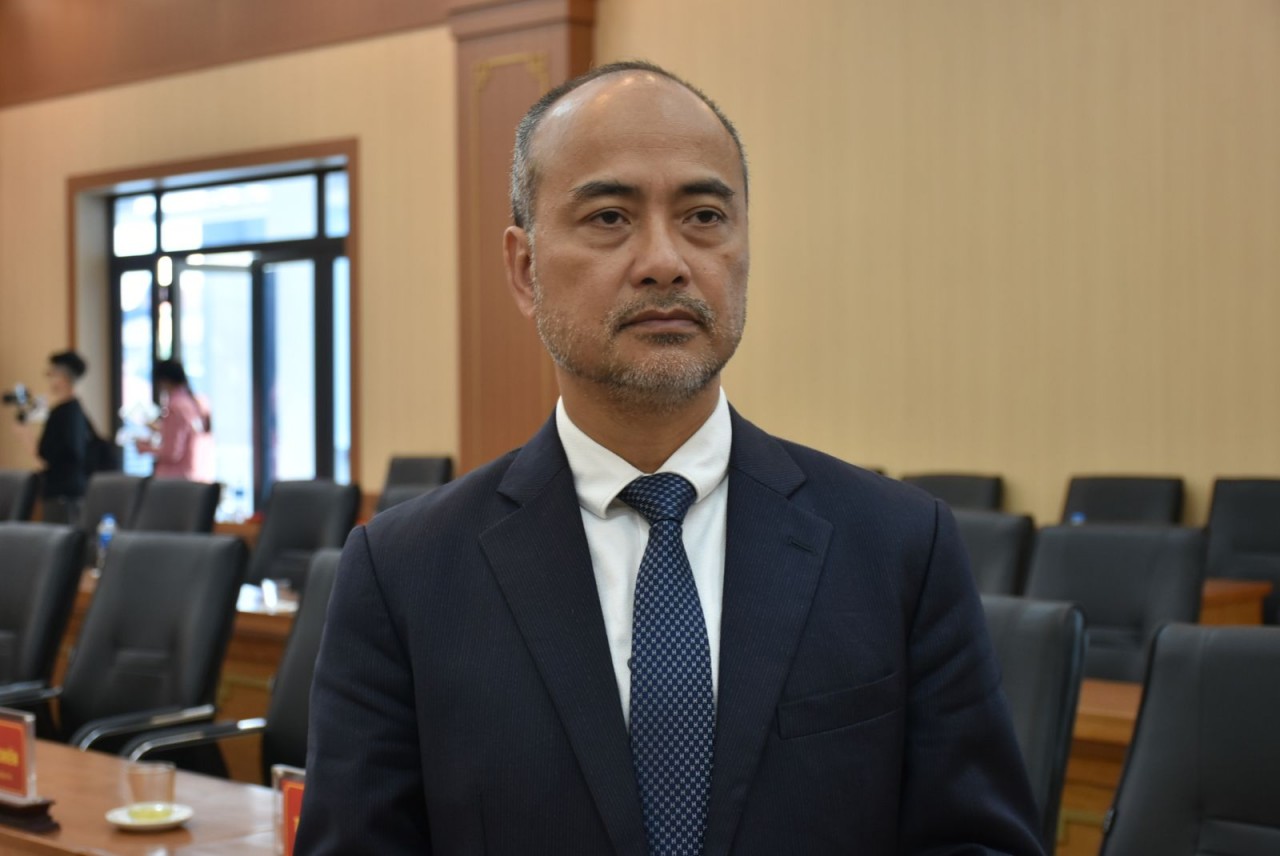 |
| Nguyen Trung Kien, Chairman of the State Committee for Overseas Vietnamese. (Photo: VNA) |
- Could you provide an overview of the characteristics and contributions of Vietnamese communities in Thailand, Singapore and the Philippines in strengthening friendship and cooperation between Vietnam and the host countries in recent years?
Nguyen Trung Kien: Thailand, Singapore and the Philippines are three Southeast Asian countries geographically close to Vietnam and sharing many cultural similarities. Vietnamese communities in these countries differ in size, history, characteristics and composition, but over the years they have made many positive contributions to friendship and cooperation between Vietnam and the host countries across various fields, helping deepen mutual understanding and bilateral relations.
The Vietnamese community in Thailand, numbering more than 100,000 people, has integrated well into local society. Although many have lived in Thailand for generations, they have preserved Vietnamese cultural identity through traditional festivals, the use of the Vietnamese language, and the activities of associations of Vietnamese origin in localities. Memorial sites dedicated to President Ho Chi Minh, preserved and promoted jointly by overseas Vietnamese and Thai authorities, have contributed to enhancing historical and cultural exchanges between the two peoples.
Recently, Vietnamese Towns established in Udon Thani and Nakhon Phanom have enriched local cultural life and created new destinations for local residents to learn about Vietnamese people and culture, further strengthening trust and ties between the two countries.
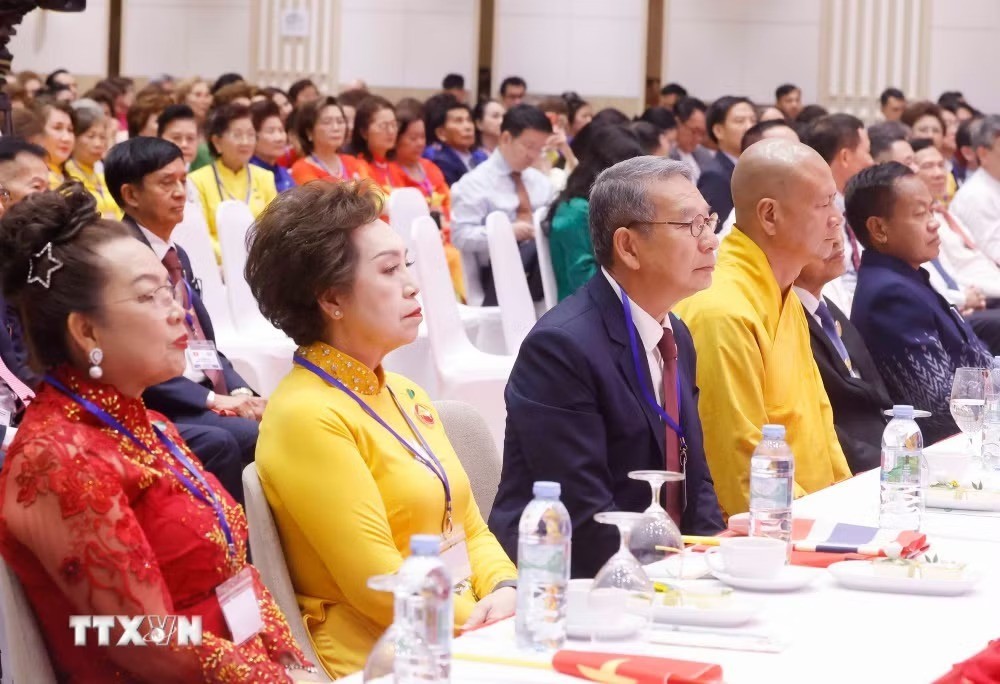 |
| Representatives of the Vietnamese community in Thailand attend a meeting with General Secretary and State President To Lam and his spouse. (Photo: Thong Nhat/VNA) |
In the economic field, some overseas Vietnamese have invested in Vietnam, promoted Vietnam’s investment environment, and acted as bridges for trade promotion. Vietnamese people in Thailand have also been recognized by some local authorities for their contributions to local socio-economic development.
Similarly, the Vietnamese community in Singapore is relatively young and has strong advantages in experts, intellectuals and scientists working, teaching and conducting research at leading institutes, universities and multinational corporations in Singapore.
In recent years, many have returned to Vietnam or cooperated with domestic partners in science and technology, innovation and digital transformation, contributing to national development in the new era. The community also places great importance on organizing cultural events such as Lunar New Year celebrations, Mid-Autumn Festival activities and social exchanges in Singapore. Their participation in the Chingay Parade has helped promote the positive image of overseas Vietnamese, enrich Singapore’s multicultural society and strengthen bilateral ties.
The Vietnamese community in the Philippines is relatively small, numbering only a few thousand people, with diverse backgrounds. The community is becoming increasingly active in trade, education and people-to-people exchanges. Intellectuals, entrepreneurs and highly skilled workers are regarded as having strong potential and favorable conditions to help promote economic and trade relations between the two countries.
In addition, overseas Vietnamese in all three countries actively support the Party and State’s policies, participate in activities connected to their roots, and engage in charitable efforts and fundraising campaigns to support people in Vietnam during natural disasters and epidemics. Although living far from their homeland, they continue to maintain strong emotional ties with Vietnam and a sense of responsibility and desire to contribute to national development.
In the context of increasingly deep international integration, overseas Vietnamese are not only an inseparable part of the great national unity bloc but also important bridges helping promote the image, people and culture of Vietnam to regional and international friends.
Despite living and working in different environments, generations of overseas Vietnamese in Southeast Asia have continued to preserve the “Vietnamese spirit,” cherishing the Vietnamese language, culture and traditional values. As international integration and ASEAN connectivity deepen, their role has become even more important.
With their understanding of both Vietnamese culture and local cultures, overseas Vietnamese communities in Southeast Asia not only help promote Vietnam’s image but also serve as bridges for people-to-people exchanges, economic cooperation, education, science and technology, and tourism between Vietnam and regional countries. Through these contributions, overseas Vietnamese help enhance Vietnam’s presence and reputation in regional and international integration.
- During General Secretary and State President To Lam’s official visit to Thailand and state visits to Singapore and the Philippines, what is the significance of meetings with overseas Vietnamese communities in strengthening ties between the Party, the State and overseas Vietnamese while mobilizing overseas Vietnamese resources for national development?
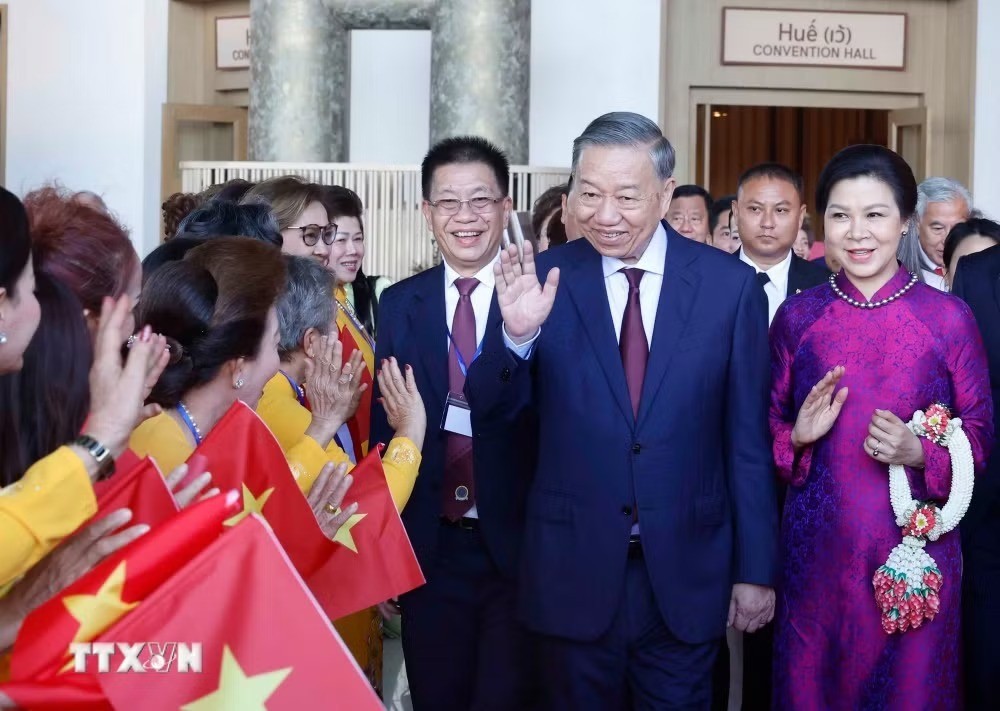 |
| General Secretary and State President To Lam and his spouse meet with the Vietnamese community in Thailand. (Photo: Thong Nhat/VNA) |
Nguyen Trung Kien: The visits by Vietnam’s top Party and State leader to Thailand, Singapore and the Philippines take place in a special context, as Vietnam and Thailand, as well as Vietnam and the Philippines, are celebrating the 50th anniversary of diplomatic relations. Vietnam-Singapore relations in 2026 are also experiencing their deepest level of development after being upgraded to a Comprehensive Strategic Partnership.
Domestically, the 14th National Party Congress was highly successful, setting strategic goals and a new development vision to lead the country into a new era of development, prosperity and strength.
During the visits, General Secretary and State President To Lam is expected to meet with Vietnamese communities in all three countries. These activities are highly significant in strengthening ties between the Party, the State and overseas Vietnamese, demonstrating the deep concern, affection and responsibility of the Party and State toward overseas Vietnamese. They reaffirm the consistent policy that “overseas Vietnamese communities are an inseparable part of the Vietnamese nation,” thereby reinforcing trust in the Party’s leadership and strengthening the great national unity bloc.
Meetings and exchanges with senior leaders are always highly anticipated and warmly welcomed by overseas Vietnamese. Through these interactions, Party and State leaders gain a deeper understanding of the community’s lives, acknowledge and commend their valuable contributions to national construction and defense, and share updates on the country’s development situation as well as major goals, orientations and new policies.
Direct meetings help inspire overseas Vietnamese, strengthen consensus, and foster national pride and responsibility toward the homeland.
Overseas Vietnamese communities are an extremely important national resource, especially as the country enters a new stage of development requiring increasingly rapid and sustainable growth.
The visits also provide opportunities for senior leaders to directly meet overseas Vietnamese entrepreneurs, intellectuals and experts, listen to their aspirations and concerns, and address difficulties related to investment, business, technology transfer and talent attraction policies. This serves as an important basis for the Party and State to formulate more suitable mechanisms and policies to effectively mobilize overseas Vietnamese resources.
Through meetings and exchanges, senior leaders can also connect networks of Vietnamese experts and intellectuals worldwide with domestic development programs, particularly in science and technology, innovation, digital transformation and education and training. The visits also help raise Vietnam’s position and image internationally, thereby strengthening national pride among overseas Vietnamese communities.
As Vietnam’s position rises, overseas Vietnamese will be further motivated to promote the country’s image and support trade, investment, tourism and cultural exchanges between Vietnam and host countries.
- In the coming period, what are the Party and State’s key policies and orientations to continue supporting overseas Vietnamese in stabilizing their lives, preserving national cultural identity and encouraging greater contributions to national development?
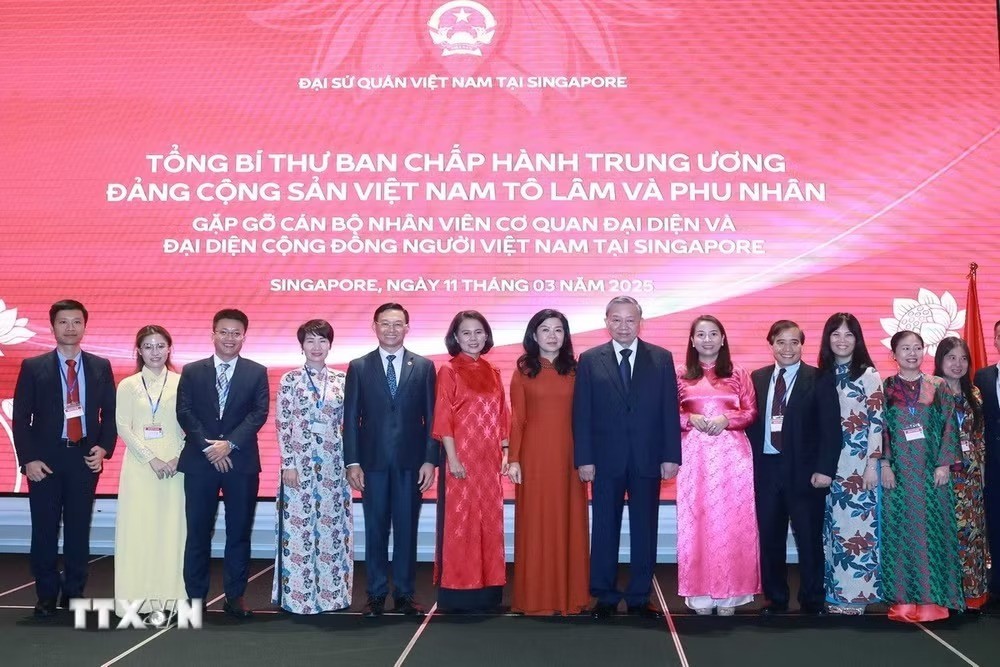 |
| General Secretary To Lam and his spouse pose with staff of Vietnam’s representative offices and representatives of the Vietnamese community in Singapore in March 2025. (Photo: Thong Nhat/VNA) |
Nguyen Trung Kien: In recent years, work related to overseas Vietnamese has seen major innovations in mindset, institutions, policies and implementation methods. Previously, this work mainly focused on mobilizing and connecting the community, but it has gradually shifted toward accompanying, connecting and effectively promoting the strategic resources of overseas Vietnamese for national development and defense in the new period.
In particular, during the 2024-2026 period, the Politburo issued nine new strategic resolutions on science and technology, innovation, digital transformation, international integration, private sector development, education and training, culture and other areas.
Work related to overseas Vietnamese is now integrated into the country’s overall development strategies and the promotion of great national unity in the new era of development. The Government has focused on reviewing and improving the legal system, mechanisms and policies related to overseas Vietnamese in a more open, flexible and practical direction aligned with international practices.
One of the most important changes in recent years is that policies no longer focus solely on caring for the community’s well-being but increasingly aim to create conditions for overseas Vietnamese to directly participate in national development.
At the same time, the Party and State continue to pay special attention to preserving the Vietnamese language, national cultural identity and strengthening great national unity. Methods of connecting and engaging the community have also undergone significant innovation.
Currently, around 6.5 million overseas Vietnamese live in more than 130 countries and territories, including many internationally respected intellectuals, experts and entrepreneurs. This is a highly important resource in terms of knowledge, technology, investment, market connectivity and enhancing Vietnam’s position.
In the coming time, institutions and policies will continue to be improved with a people-centered approach, including overseas Vietnamese. Therefore, policies for overseas Vietnamese will continue to focus on promoting digital transformation; building more substantive connection mechanisms with overseas Vietnamese intellectuals, experts and entrepreneurs; and continuing to care for the community’s lives while protecting their legitimate rights and interests.
Most importantly, the Party and State will continue strengthening the trust, attachment and sense of responsibility of overseas Vietnamese, meeting their aspirations to accompany the homeland’s development journey. No matter where they live, overseas Vietnamese should always deeply feel that they are an inseparable part of the Vietnamese nation, joining hands to build a peaceful, strong, prosperous Vietnam with an increasingly high international standing.
- Thank you very much!
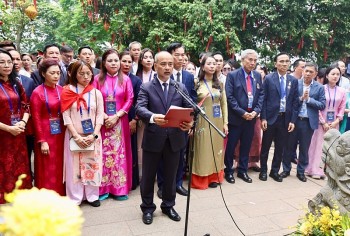 | Overseas Vietnamese Return to Ancestral Land to Pay Tribute to Hung Kings On April 25, Nguyen Trung Kien, Chairman of the State Committee for Overseas Vietnamese Affairs, led a delegation of 60 distinguished overseas Vietnamese from 20 ... |
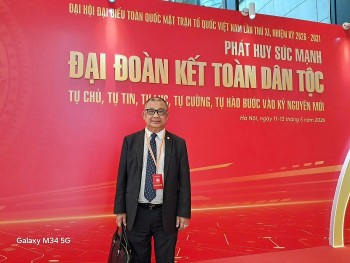 | Tran Ba Phuc: "Digital Front" Is Needed to Better Connect Overseas Vietnamese Communities Attending the 11th National Congress of the Vietnam Fatherland Front (VFF), Tran Ba Phuc, President of the Vietnamese Business Association in Australia, shared with VietnamTimes ... |
Related Stories
 Handbook
New VAT Refund Rules for Goods Purchased by Foreigners and Overseas Vietnamese upon Departure from Vietnam
 Friendship
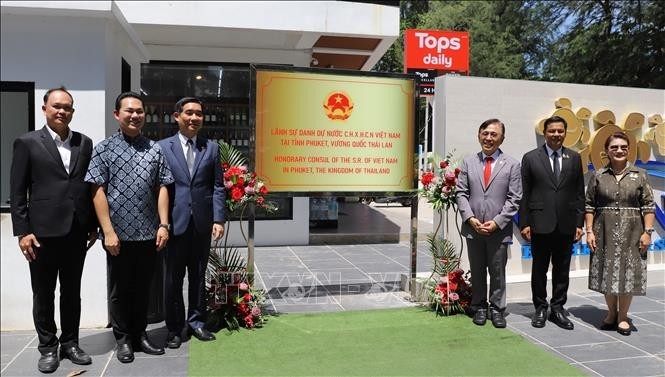
Vietnam Establishes First Honorary Consulate in Thailand
Recommended
 Overseas Vietnamese
Largest Vietnamese Community Cultural Event in Western Australia to Open in Perth
 Overseas Vietnamese
Vietnam Showcases Its Culture at WTO Open Day 2026
 Overseas Vietnamese
Vietnamese Summer Language Class Opens in Romania
 Overseas Vietnamese
Ho Chi Minh City’s 50th Anniversary Shines in Central Seoul
 Overseas Vietnamese
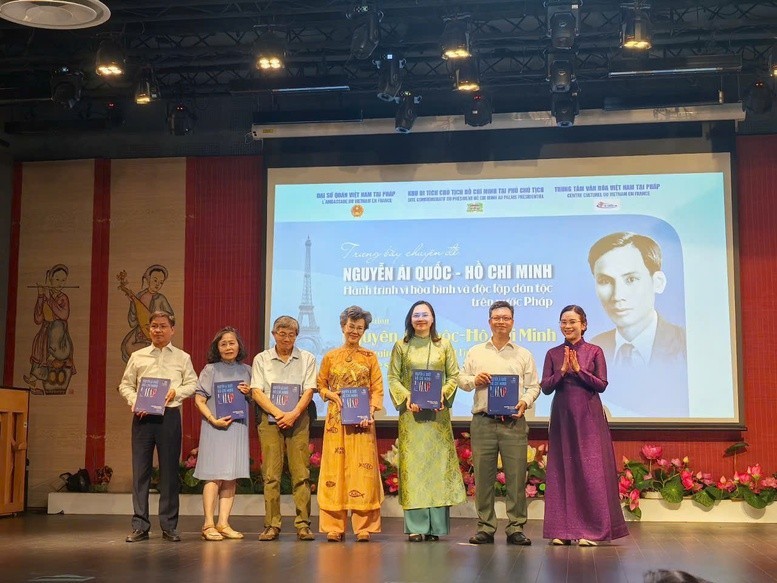
Honoring President Ho Chi Minh’s Legacy in France
 Overseas Vietnamese
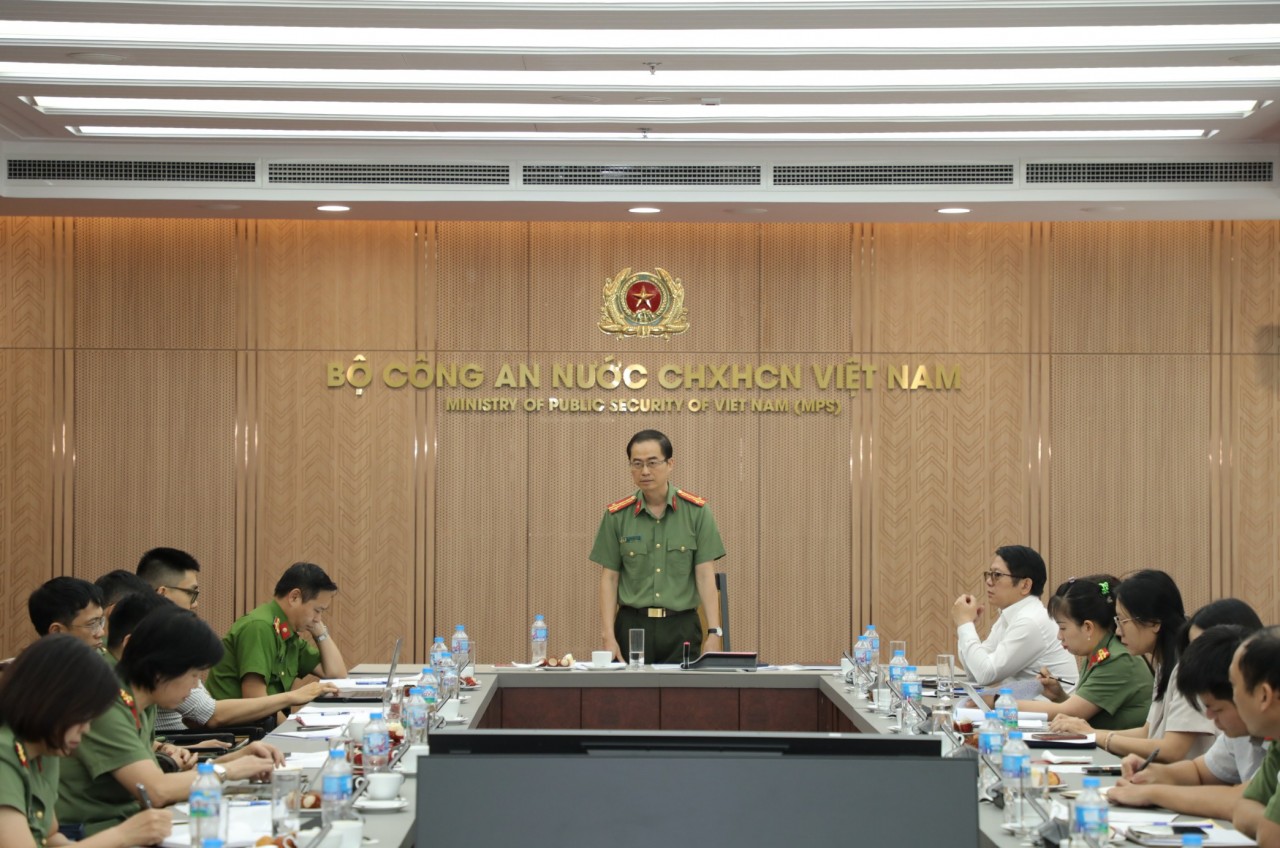
People's Public Security Force - Ensuring the Rights of Vietnamese Citizens Abroad
 Overseas Vietnamese
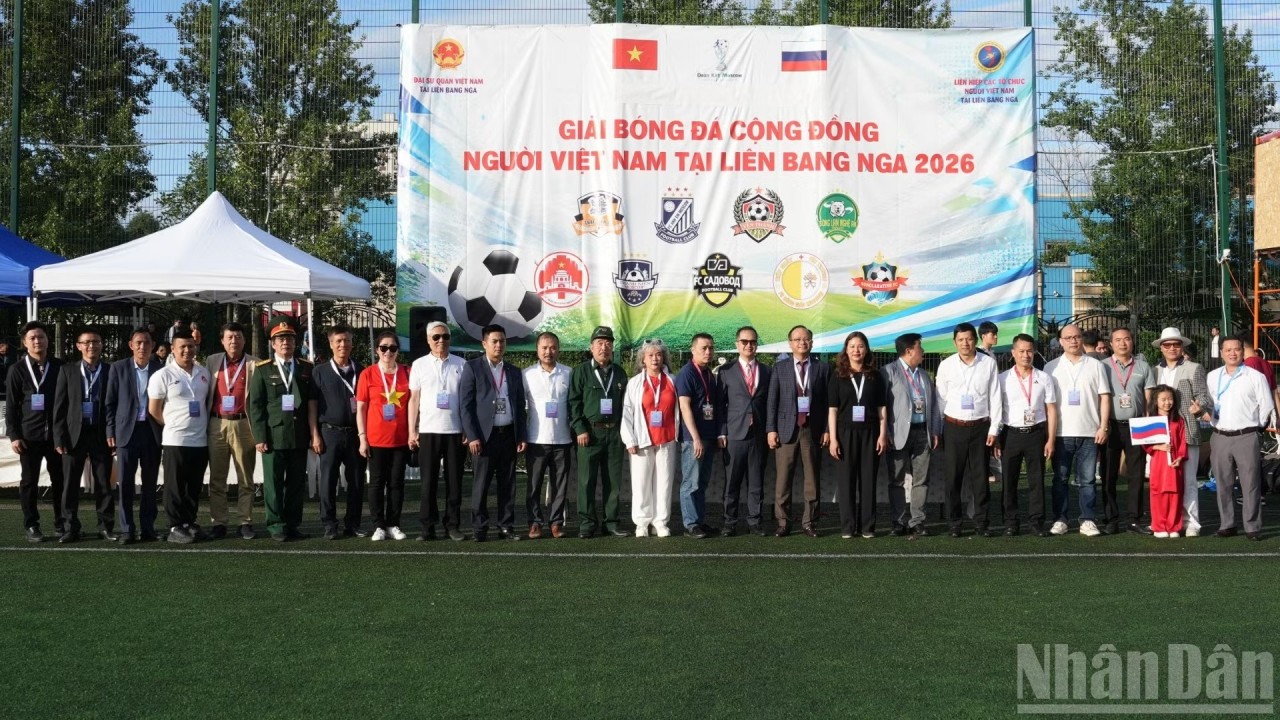
Vietnamese Community Football Tournament Strengthens Unity in Russia
 Overseas Vietnamese