
Value of Nature in Vietnam’s Development Position
 | Overseas Vietnamese in the Netherlands Express Pride in Vietnam’s Development |
| Creating Favorable Conditions to Mobilize Resources from Businesses and Overseas Vietnamese Community |
Vietnam’s appeal from natural values
According to Van Ngoc Thinh, Vietnam is recognized as one of the countries with the highest levels of biodiversity in the world, home to numerous rare and endemic species. The pronounced climatic differences among the North, Central, and Southern regions have given rise to diverse ecological sub-regions, creating a multi-layered and richly textured natural landscape that is rarely found elsewhere.
Vietnam’s marine and coastal spaces are endowed with vast potential, featuring ecosystems of global significance such as coral reefs, seagrass meadows, and mangrove forests. These areas serve as habitats and breeding grounds for many rare marine species, including sea turtles, dugongs, and hundreds of ecologically valuable fish and coral species. Van Ngoc Thinh notes that these factors have contributed to Vietnam’s distinctive appeal as a safe, beautiful, and livable destination, while also attracting the attention of the scientific community and international partners seeking sustainable development models closely linked with conservation.
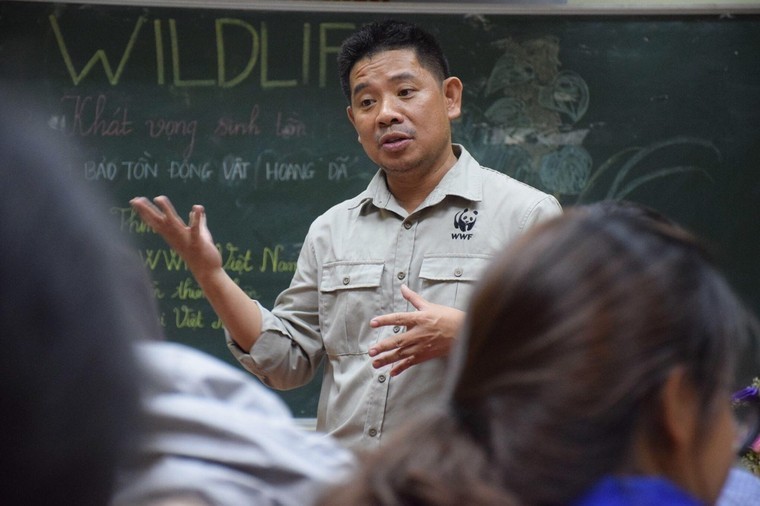 |
| Van Ngoc Thinh, National Director of the World Wide Fund for Nature in Vietnam (WWF-Vietnam). (Photo: WWF) |
Vietnam is increasingly asserting its image as a proactive, responsible, and reliable partner on the international stage. The country is making strong efforts to implement a range of important commitments, including the net-zero emissions target, the Global Biodiversity Framework, and the goal of conserving 30 percent of terrestrial and marine areas by 2030, as well as actively participating in multilateral processes such as the Conferences of the Parties (COP) and various other international forums.
These efforts have yielded tangible positive results. In many protected areas and national parks, several endangered and rare wildlife species that once faced the risk of extinction have reappeared with increasing frequency and across wider ranges. Numerous primate populations, such as the white-shorted langur and the red-shanked douc, along with other wildlife species, are gradually recovering, in some cases even surpassing earlier projections regarding their survival prospects.
In the marine environment, sea turtle populations in Con Dao have shown stable recovery, with a growing number of individuals returning to nest. Forest and wetland ecosystems in key regions such as Ca Mau, the Central Truong Son range, and many other natural landscapes are gradually being restored and reconnected, clearly reflecting the growing emphasis on “nature-based” approaches in development.
These outcomes demonstrate that Vietnam is progressively reversing the trend of biodiversity loss, moving toward the restoration and rewilding of natural ecosystems, while also becoming a shared space where humans and nature coexist harmoniously, supported by increasingly visible collaboration among the state, communities, businesses, and development partners.
Toward future of development in harmony with nature
Van Ngoc Thinh believes that Vietnam’s policy decisions in responding to climate change and protecting nature and the environment consistently aim to safeguard people’s living environment and quality of life, with particular attention to vulnerable groups, without sacrificing economic growth for environmental degradation or the depletion of natural resources.
WWF highly appreciates the Vietnamese Government’s commitment to a “New deal between people and nature,” in which nature is viewed not merely as a resource to be exploited, but as an essential foundation for public health, livelihoods, and the long-term stability of society. In practice, human well-being and resilience are closely linked to a healthy living environment, robust ecosystems, and well-preserved natural landscapes.
Commenting on the orientation toward private sector development and the improvement of the investment environment outlined in the draft documents of the 14th National Congress of the Party, Van Ngoc Thinh considers this a major, sound, and breakthrough direction. Improving institutions and enhancing the transparency and stability of the investment climate not only strengthens the confidence of businesses and investors, but also expands the role of the private economic sector in environmental protection and nature conservation. This includes areas such as the development of forest carbon credit markets, ecotourism, ecosystem services, sustainable ecological agriculture and forestry, and development models based on protected natural capital.
By encouraging the integration of ESG principles into production and business activities, the private sector is increasingly expected to serve not only as a driver of growth, but also as a key force working alongside the state to achieve green development goals, promote a circular economy, and advance a sustainable transition. This approach reflects a long-term development vision. Investing in nature and the environment is not a cost, but a strategic, intelligent, and responsible choice for the future.
From the perspective of an international organization with many years of partnership with Vietnam, Van Ngoc Thinh observes that Vietnam is making strong efforts to build an increasingly clear, consistent, and open policy framework for international cooperation. International cooperation is not limited to resource support, but involves a process of sharing knowledge, co-developing solutions, and promoting development models that harmonize the relationship between people and nature, aiming for long-term, sustainable, and scalable impacts.
 | 14th National Congress expected to reinforce public trust in Communist Party of Vietnam: Lao media The 14th National Congress of the CPV embodies confidence and aspirations for development, noting the event continues to consolidate public trust in the Party while ... |
 | Creating Favorable Conditions to Mobilize Resources from Businesses and Overseas Vietnamese Community Stabilizing the investment environment to give enterprises the confidence to commit for the long term, promoting the role of the private sector at all levels, ... |
Related Stories
 National
Ha Noi Unveils 100-Year Master Plan
 Overseas Vietnamese
Overseas Vietnamese Entrepreneurs Help Expand Vietnam’s Economic “Soft Power”
 National
Brazilian Politicians and Scholars Honor the Historical Role of the Communist Party of Vietnam
 National
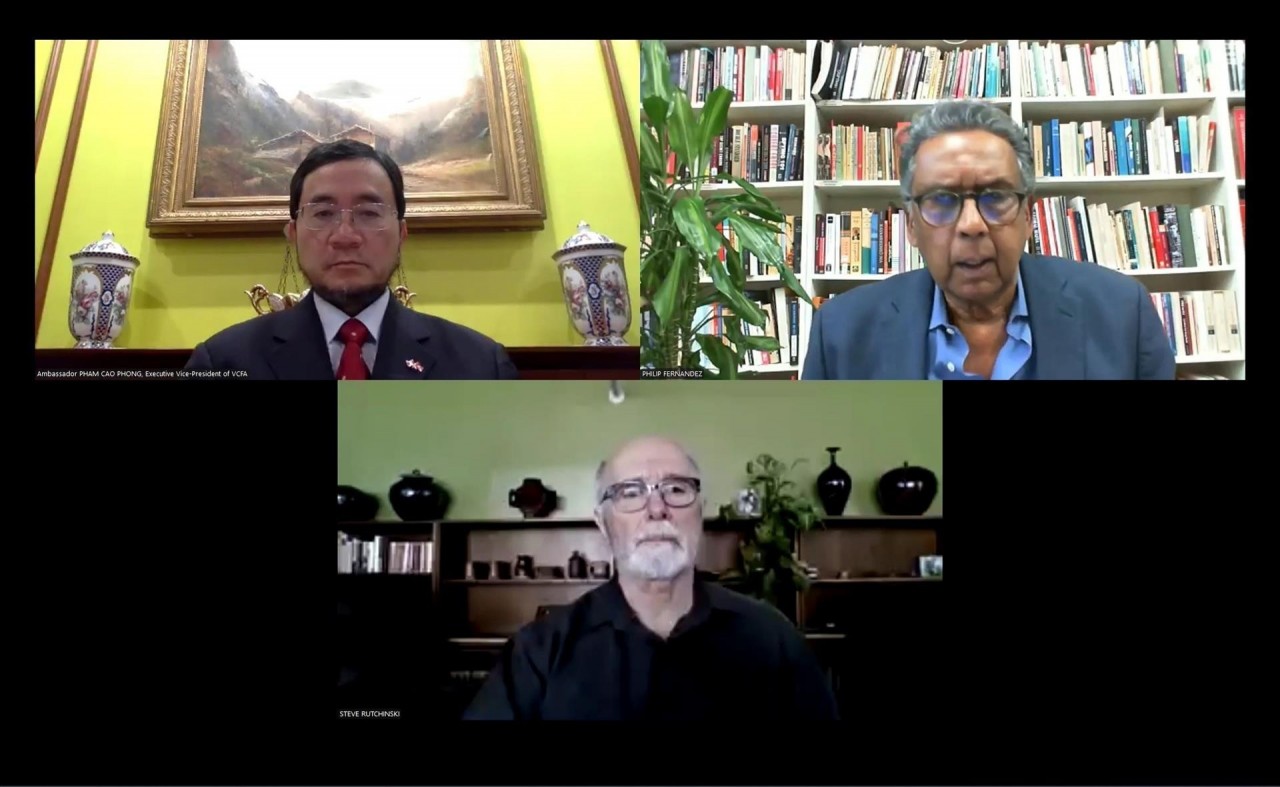
Canadian Friends Highlight Significance of 14th National Congress of Communist Party of Vietnam
Recommended
 Viet's Home
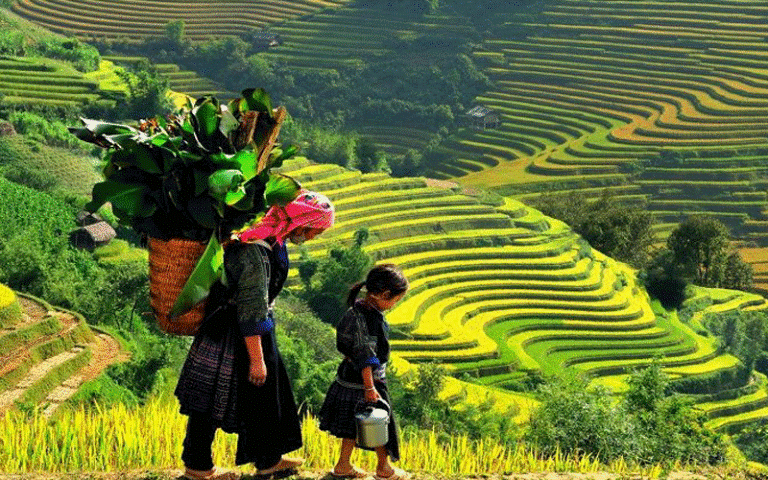
Integrating Local Cultural Values Into Tourism Activities
 Viet's Home
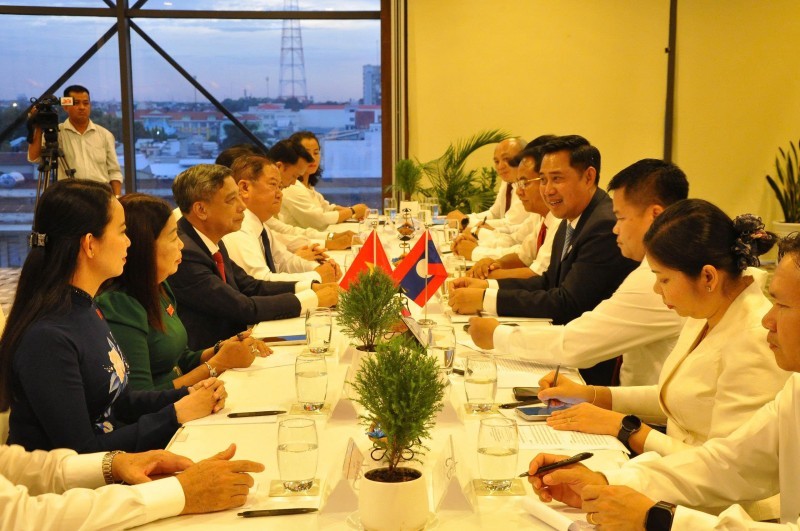
Champasak Proposes Expanded Cooperation with Can Tho Across Multiple Sectors
 Viet's Home
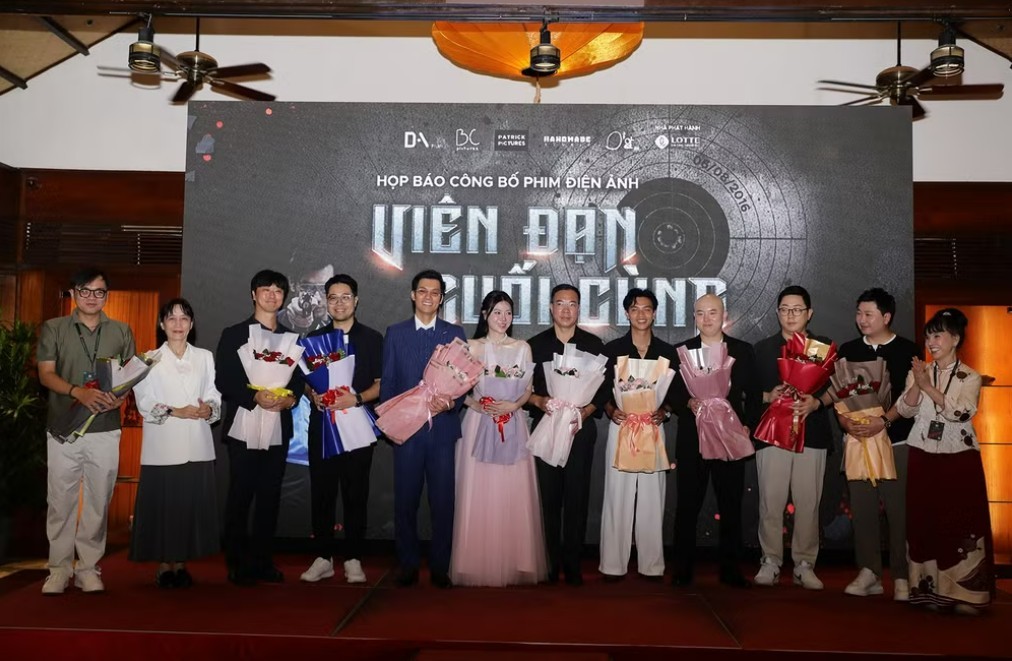
Olympic Champion Shooter Hoang Xuan Vinh Aspires New Viet-RoK Film Project
 Viet's Home
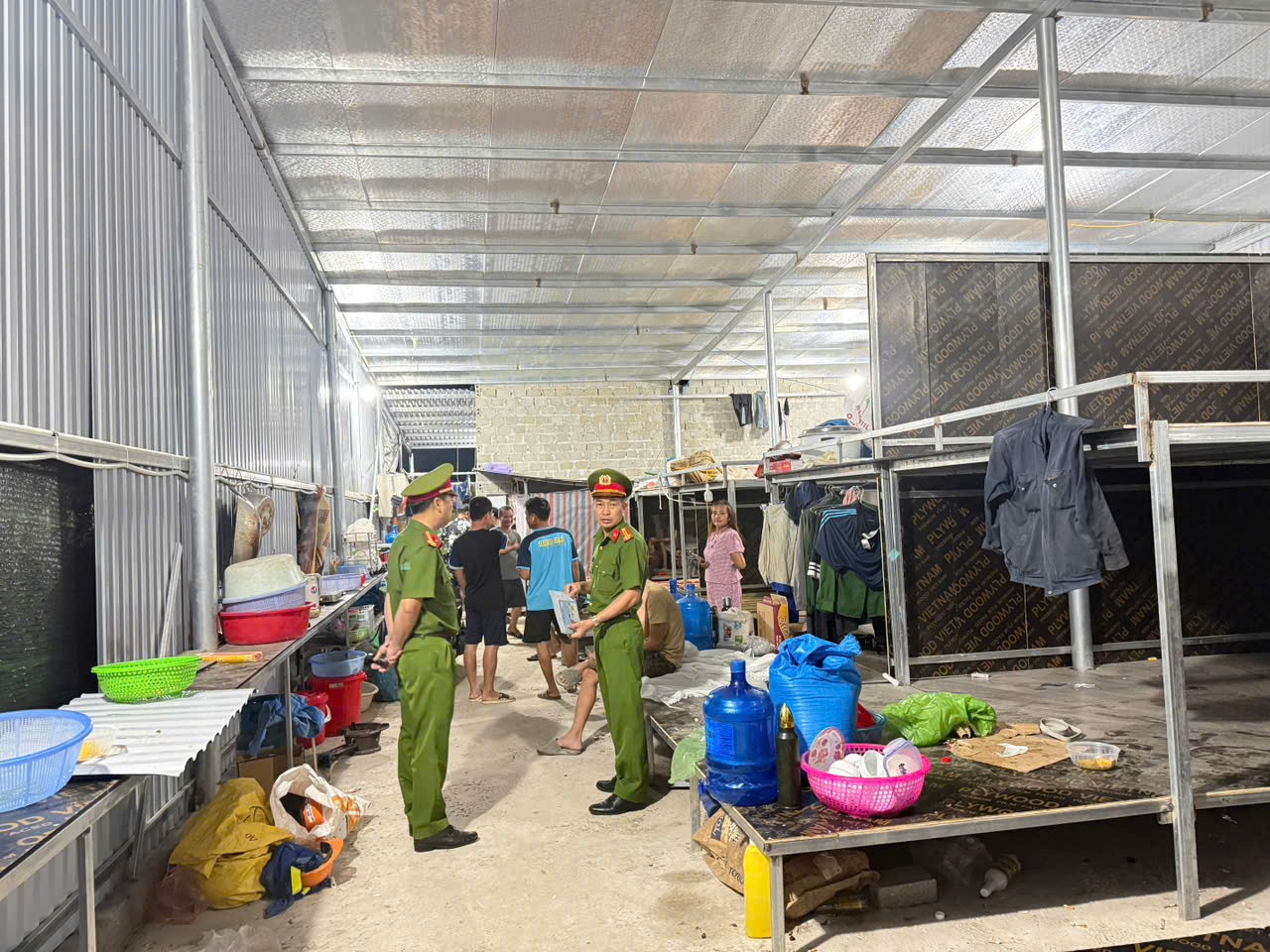
Vietnam Intensifies Monitoring Drug Use Crimes at Private Rental Accommodations
 Viet's Home
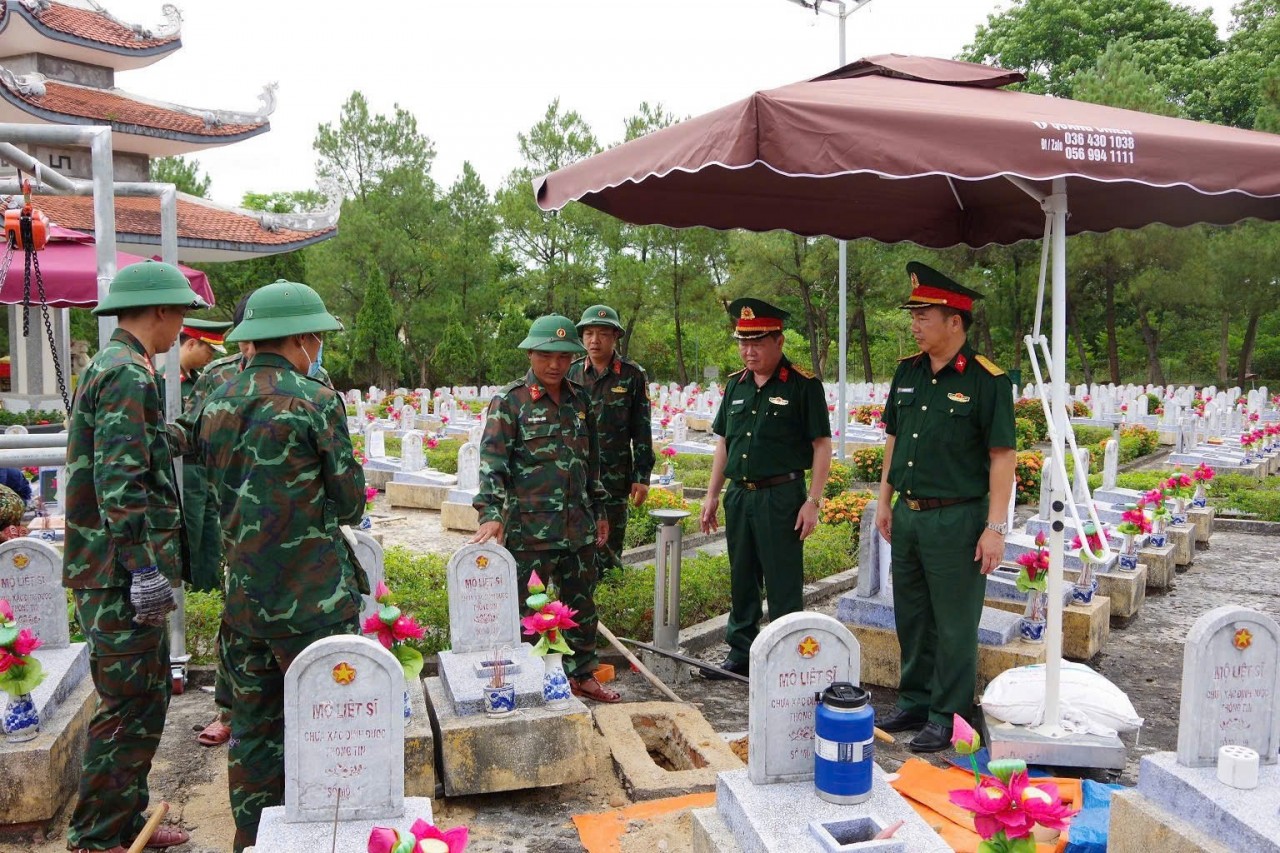
Quang Tri Provincial Authority Widen Scope For Search of Fallen Soldiers’ Remain Amidst Limited Information
 Viet's Home
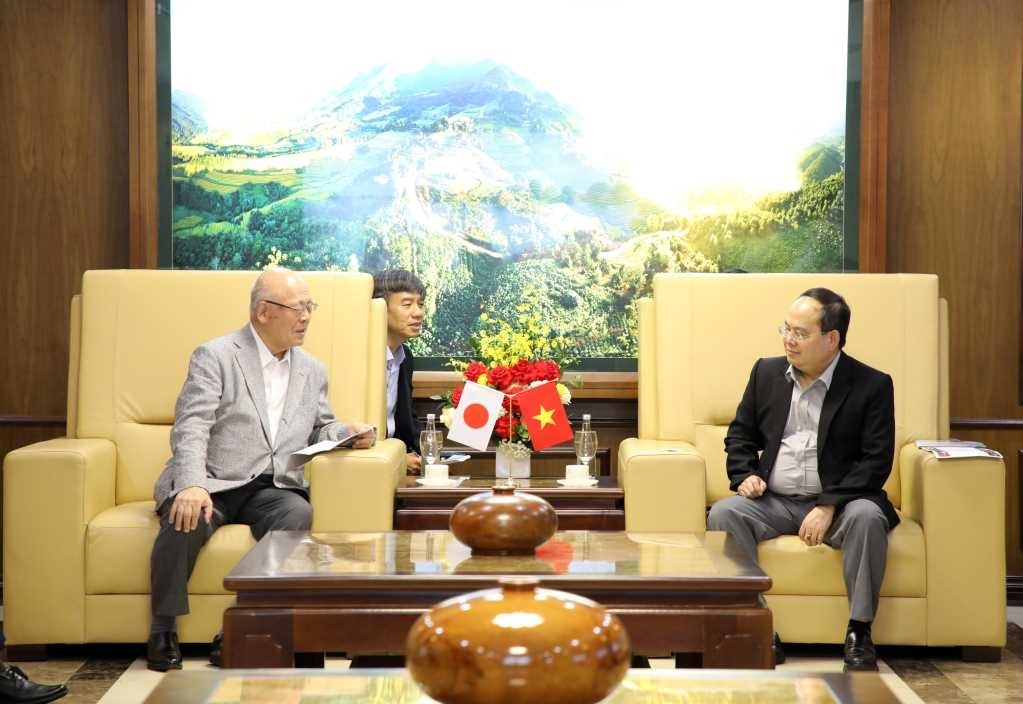
Promoting Cooperative Relations Between Hokkaido (Japan) and Quang Ninh
 Viet's Home
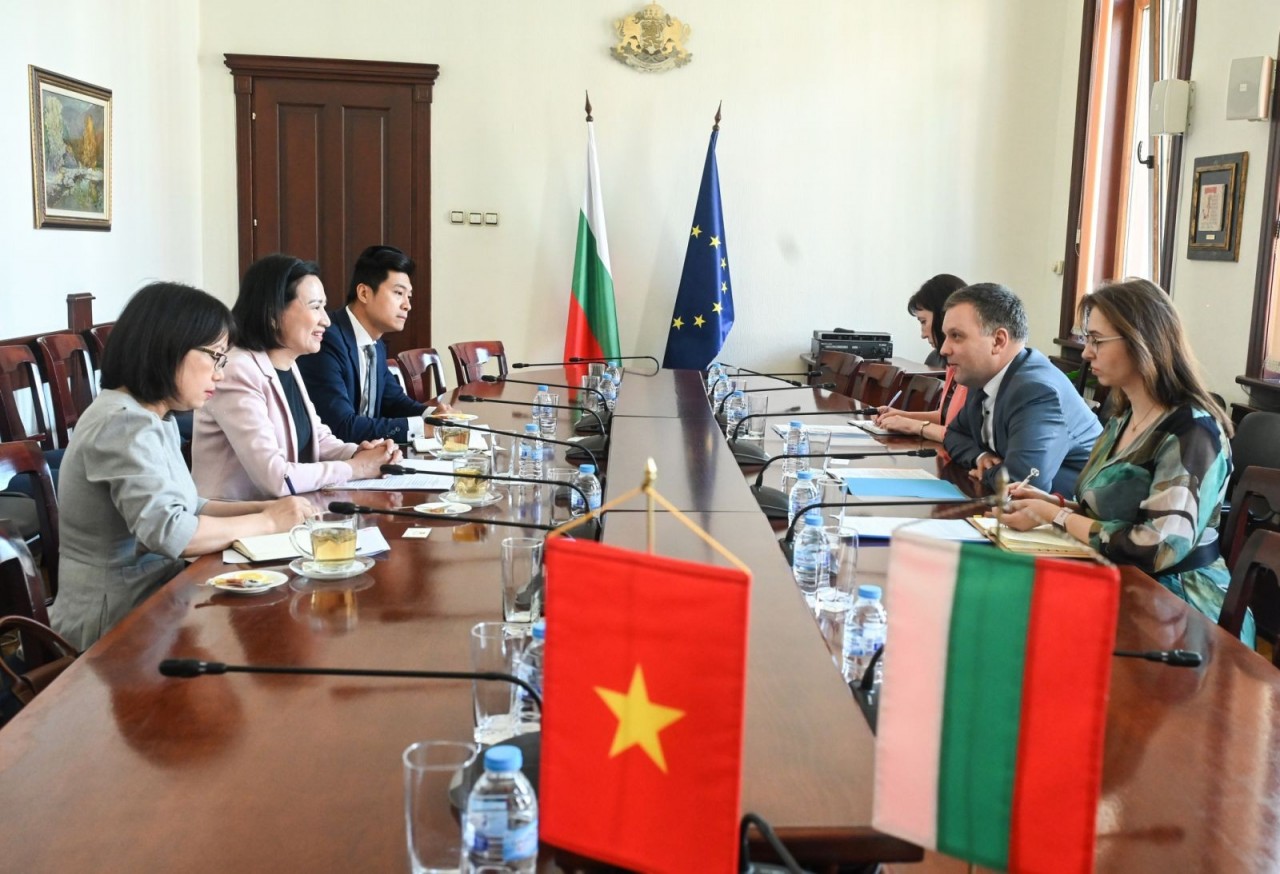
Vietnam, Bulgaria Promote Future Legal And Judicial Cooperation
 Viet's Home