
Mobilizing Overseas Vietnamese Talent and Resources for the Capital
 | AVISE DAY 2026 Highlights Growing Network of Vietnamese Scientists and Experts in Sweden |
| Overseas Vietnamese Youth Promote Vietnamese Culture in Paris Through the “Bonjour Vietnam” Festival |
Ambassador Nguyen Phu Binh, Former Deputy Minister of Foreign Affairs and Chairman of the Association for Liaison with Overseas Vietnamese:
Setting specific “tasks” to connect overseas Vietnamese resources
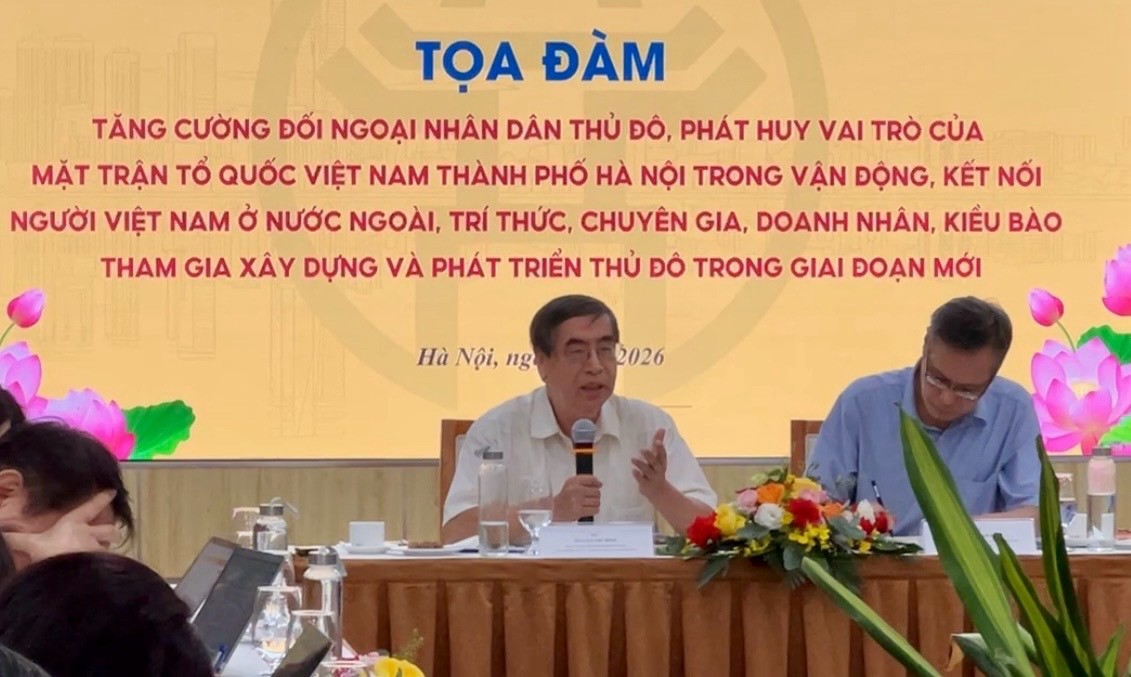 |
| Ambassador Nguyen Phu Binh, Former Deputy Minister of Foreign Affairs and Chairman of the Association for Liaison with Overseas Vietnamese. (Photo: Mai Anh) |
Overseas Vietnamese are an inseparable part of the Vietnamese nation. They are also an important resource for national development and a factor contributing to the promotion of friendship and cooperation between Vietnam and other countries. Therefore, if Vietnam wishes to encourage overseas Vietnamese to remain connected to their homeland, it must first pay greater attention to their practical rights, legitimate interests, and long-term ties with the country.
That connection should not rest solely on shared roots, blood ties, or cultural heritage. It also needs to be reinforced through appropriate legal frameworks and tangible benefits. Conditions should be created for overseas Vietnamese to enjoy their legitimate rights in accordance with the law, ranging from nationality, inheritance, investment, and business activities to matters related to returning to live, work, or contribute to the country. When they are recognized and treated as an integral part of the national community, their sense of attachment to Vietnam and responsibility toward its development will deepen.
For Hanoi, effectively leveraging the overseas Vietnamese network requires the city to define very specific “tasks.” Hanoi needs to clearly identify which fields require experts, which products need market connections, which investment projects need support, and what approaches should be taken to promote the Vietnamese language and culture. The more clearly these needs are articulated, the easier it will be for overseas Vietnamese organizations, liaison associations, and Vietnamese representative missions abroad to connect the right people with the right opportunities.
Experience shows that considerable resources can be mobilized through effective coordination, ranging from Vietnamese-language teaching, legal assistance, and consultation on nationality, inheritance, investment, and business matters to connecting experts, markets, and projects. The Association for Liaison with Overseas Vietnamese possesses an extensive network and can serve as a bridge linking overseas Vietnamese associations, Vietnamese representative missions abroad, and prominent individuals within the community. However, for these connections to generate substantive results, Hanoi must proactively identify its needs, determine priority areas, and establish regular coordination mechanisms among all relevant stakeholders.
Professor Dr. Nguyen Lan Trung, Vice Chairman and Secretary General of the Association for Liaison with Overseas Vietnamese:
Building a database on overseas Vietnamese
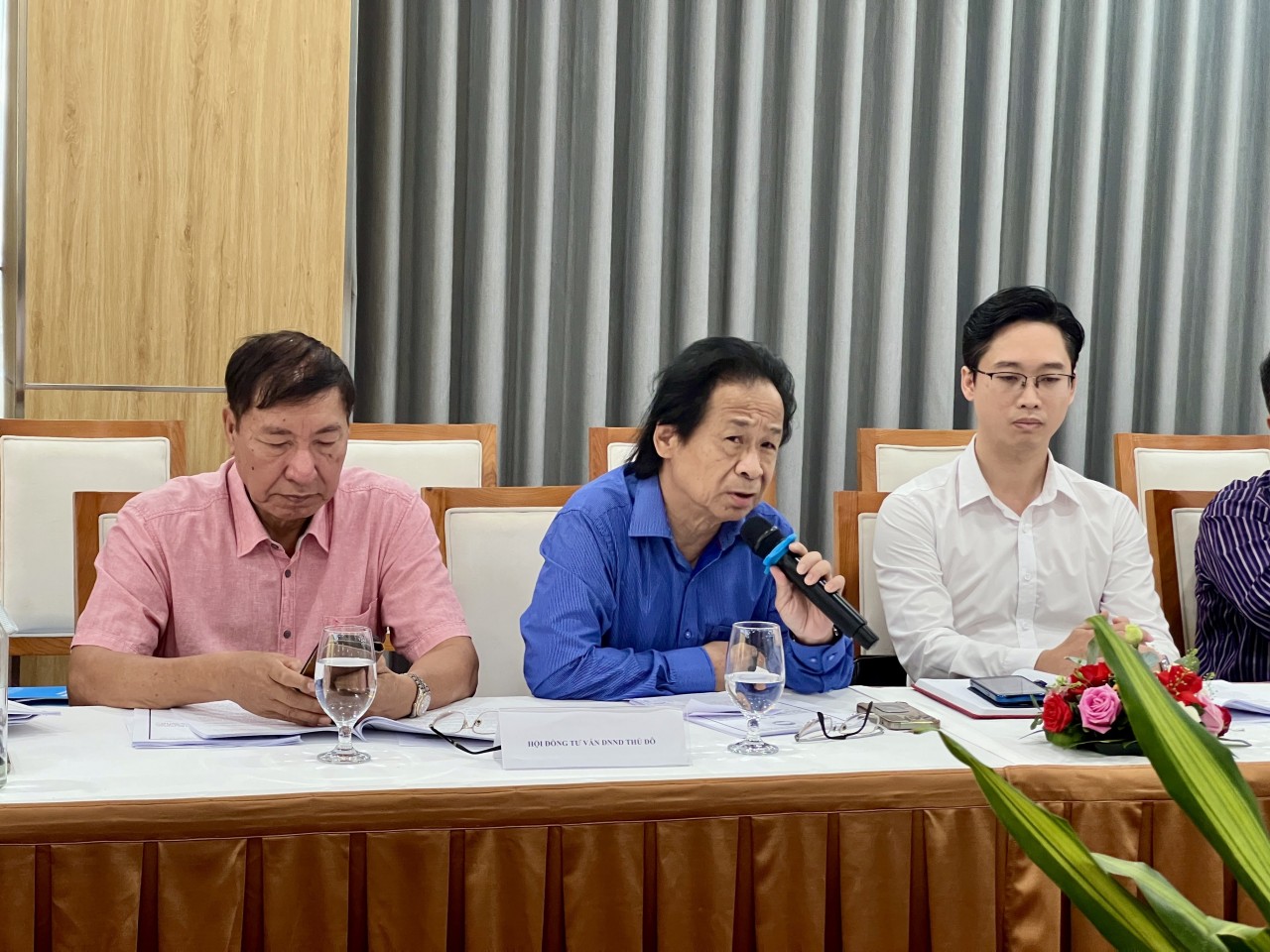 |
| Professor Dr. Nguyen Lan Trung, Vice Chairman and Secretary General of the Association for Liaison with Overseas Vietnamese. (Photo: Mai Anh) |
The overseas Vietnamese community, numbering more than 6.5 million people, including hundreds of thousands of intellectuals, experts, and entrepreneurs, represents a tremendous resource for the development of the country as well as Hanoi. However, for this resource to be fully utilized, the first essential step is to establish a comprehensive database of overseas Vietnamese who have the desire, capacity, and conditions to contribute to Hanoi’s development.
Such a database should not be limited to people originally from Hanoi. It should also include overseas Vietnamese who have affection for, ties to, or an interest in investing in and cooperating with the Capital. With a well-developed database in place, Hanoi would be able to proactively connect with, mobilize, and assemble experts, scientists, and businesspeople in specific fields whenever needed.
In addition to studying the potential of overseas Vietnamese communities, Hanoi should carefully assess the sectors that require contributions from overseas Vietnamese resources. Rather than focusing exclusively on very large-scale projects, the city could develop a portfolio of practical investment opportunities suited to the capacities of a broad range of overseas Vietnamese. These could include the development of traditional craft villages, One Commune One Product (OCOP) products, cultural tourism, small and medium-sized enterprises, and innovation-driven projects.
Another equally important factor is communication. Many overseas Vietnamese consistently look toward their homeland but do not yet have sufficient information about Hanoi’s development orientations, cooperation needs, or investment opportunities. Therefore, regular communication channels should be established and connected with Vietnamese representative missions abroad and overseas Vietnamese associations to disseminate information widely, helping overseas Vietnamese gain a clearer understanding of how they can contribute to the Capital’s development.
Alongside economic activities, Hanoi should also place greater emphasis on preserving the Vietnamese language and promoting national culture within overseas Vietnamese communities, particularly among younger generations. At the same time, the city could consider developing annual events with a distinctive Hanoi identity, making them gathering points for overseas Vietnamese from around the world and thereby strengthening the long-term bond between overseas Vietnamese communities and the Capital
Nguyen Quoc Binh, Chairman of the Hanoi Association for Liaison with Overseas Vietnamese:
Creating an employment ecosystem
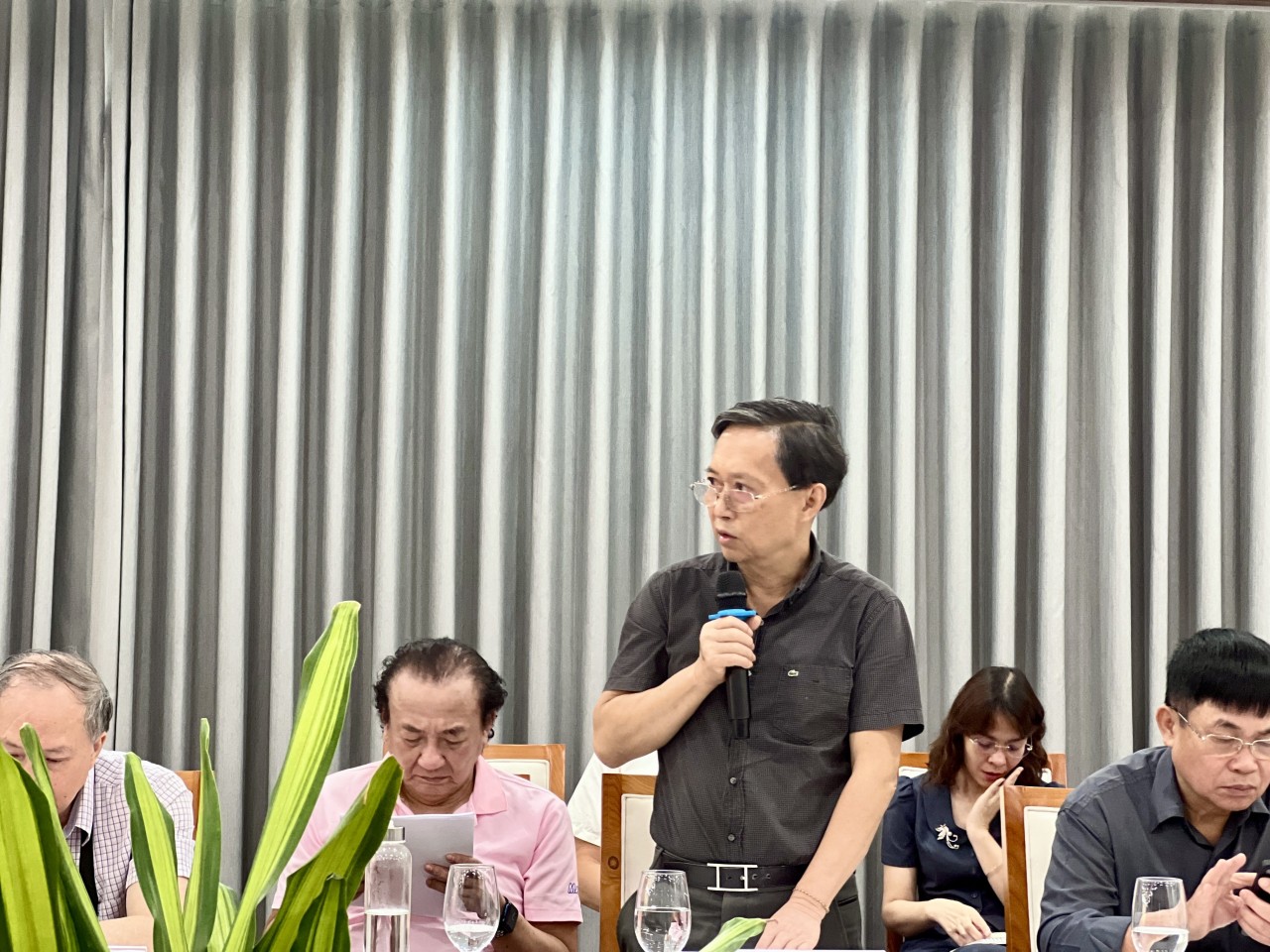 |
| Nguyen Quoc Binh, Chairman of the Hanoi Association for Liaison with Overseas Vietnamese. (Photo: Mai Anh) |
The resources of overseas Vietnamese are not limited to established experts and scientists. They also include young intellectuals, international students, and Vietnamese workers who are studying and working in countries around the world. This is a group that deserves early attention in order to develop a high-quality workforce for the future.
The experience of many countries demonstrates that attracting talent cannot rely solely on general appeals. What is needed is a long-term strategy for younger generations, enabling them to acquire knowledge and international experience while creating appropriate mechanisms for them to return and contribute to their homeland. This group is also particularly well positioned to participate directly in the fields of science and technology, innovation, and digital transformation, which Hanoi has identified as development priorities.
In addition to identifying target groups, Hanoi needs to build a professional ecosystem for overseas Vietnamese experts, scientists, and entrepreneurs. Such an ecosystem should encompass not only research and innovation environments and concrete cooperation opportunities, but also focal points for networking, administrative support mechanisms, and competitive policies capable of attracting talent. When overseas Vietnamese see opportunities for professional development, a suitable working environment, and transparent mechanisms, mobilizing high-quality human resources for the Capital will become more feasible and sustainable.
To achieve this goal, coordinated efforts are required from the entire political system, government agencies, universities, research institutes, businesses, and social organizations. Only by establishing a unified coordination mechanism and sufficiently attractive policies can Hanoi effectively harness overseas Vietnamese resources to support the Capital’s development in the new era.
Le Thu Ha, Chairwoman of the Hanoi Vietnam-Bulgaria Friendship Association:
Making overseas Vietnamese engagement an official mission of friendship associations
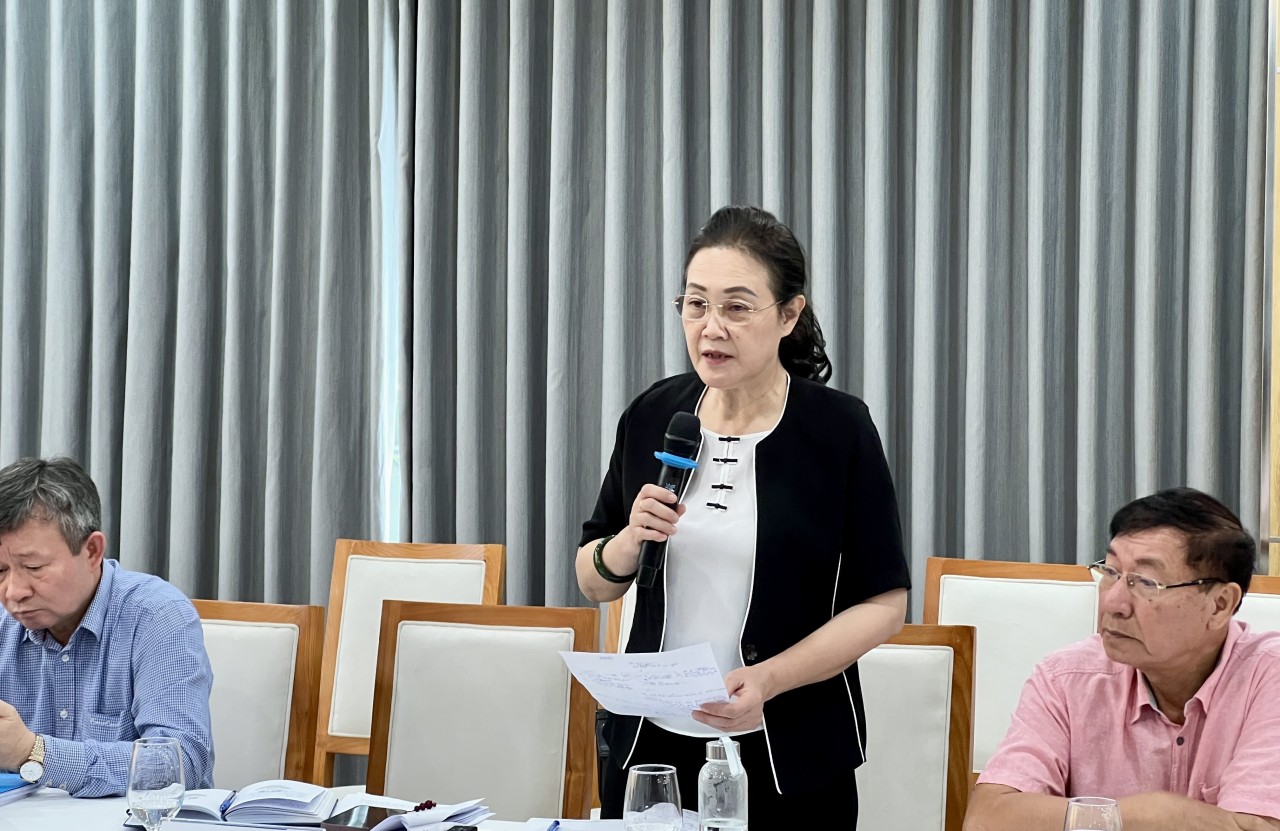 |
| Le Thu Ha, Chairwoman of the Hanoi Vietnam-Bulgaria Friendship Association. (Photo: Mai Anh) |
In Hanoi’s people-to-people diplomacy activities, bilateral and multilateral friendship associations have for many years connected not only with international friends, people’s organizations, and foreign partners, but have also regularly coordinated with Vietnamese communities in host countries. In every exchange program and cultural, educational, training, or people-to-people cooperation initiative, collaboration among friendship associations, Vietnamese representative missions abroad, overseas Vietnamese organizations, and local partners plays a highly important role.
Based on this reality, efforts to engage and connect overseas Vietnamese should be recognized as an official responsibility of the Hanoi Union of Friendship Organizations and its member associations, rather than being treated merely as an element incorporated into individual activities. Once overseas Vietnamese are clearly identified within the functions and mandates of these organizations, friendship associations will be better positioned to proactively establish connections, exchange information, mobilize participation, and leverage the community’s role as a bridge.
A key requirement is the establishment of a clear coordination mechanism among the Hanoi Union of Friendship Organizations, the Hanoi Association for Liaison with Overseas Vietnamese, bilateral friendship associations, Vietnamese representative missions abroad, and overseas Vietnamese organizations. Without clearly defined focal points, responsibilities, and coordination methods, activities can easily become fragmented, overlapping, or dependent on the spontaneous relationships of individual associations or localities.
In addition to coordination mechanisms, Hanoi needs to clearly identify the sectors, strengths, and development needs it wishes to connect with overseas Vietnamese resources. Friendship associations can effectively communicate information to international partners and overseas Vietnamese communities only when they clearly understand Hanoi’s needs, the policy mechanisms already in place, and the available environment for cooperation. Areas such as tourism, traditional craft villages, cuisine, culture, education, and training are among Hanoi’s strengths and can serve as practical points of connection between the Capital and overseas Vietnamese communities.
When friendship associations are assigned clear responsibilities, provided with specific coordination focal points, and supplied with comprehensive information about Hanoi’s needs, the Capital’s people-to-people diplomacy network will be better equipped to play an effective role in connecting, engaging, and mobilizing overseas Vietnamese resources.
 | Overseas Vietnamese in Singapore Join Hands in Advancing Vietnam’s Innovation Drive The Liaison Committee of the Vietnamese Community in Singapore, in coordination with the Vietnamese Embassy in Singapore, recently organized the “Vietnam Intellectuals and Innovation Forum ... |
 | Overseas Vietnamese Entrepreneurs Help Expand Vietnam’s Economic “Soft Power” Business networking forums in Australia, investment promotion activities in Europe, and artificial intelligence (AI) projects led by overseas Vietnamese intellectuals all demonstrate that the Vietnamese ... |
Related Stories
 Friendship
People-to-People Diplomacy Must Align with Capital Development Goals
 Overseas Vietnamese
People's Public Security Force - Ensuring the Rights of Vietnamese Citizens Abroad
Recommended
 Overseas Vietnamese
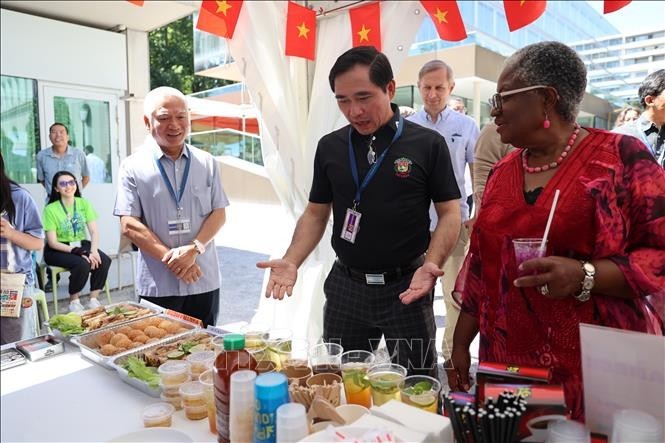
Vietnam Showcases Its Culture at WTO Open Day 2026
 Overseas Vietnamese
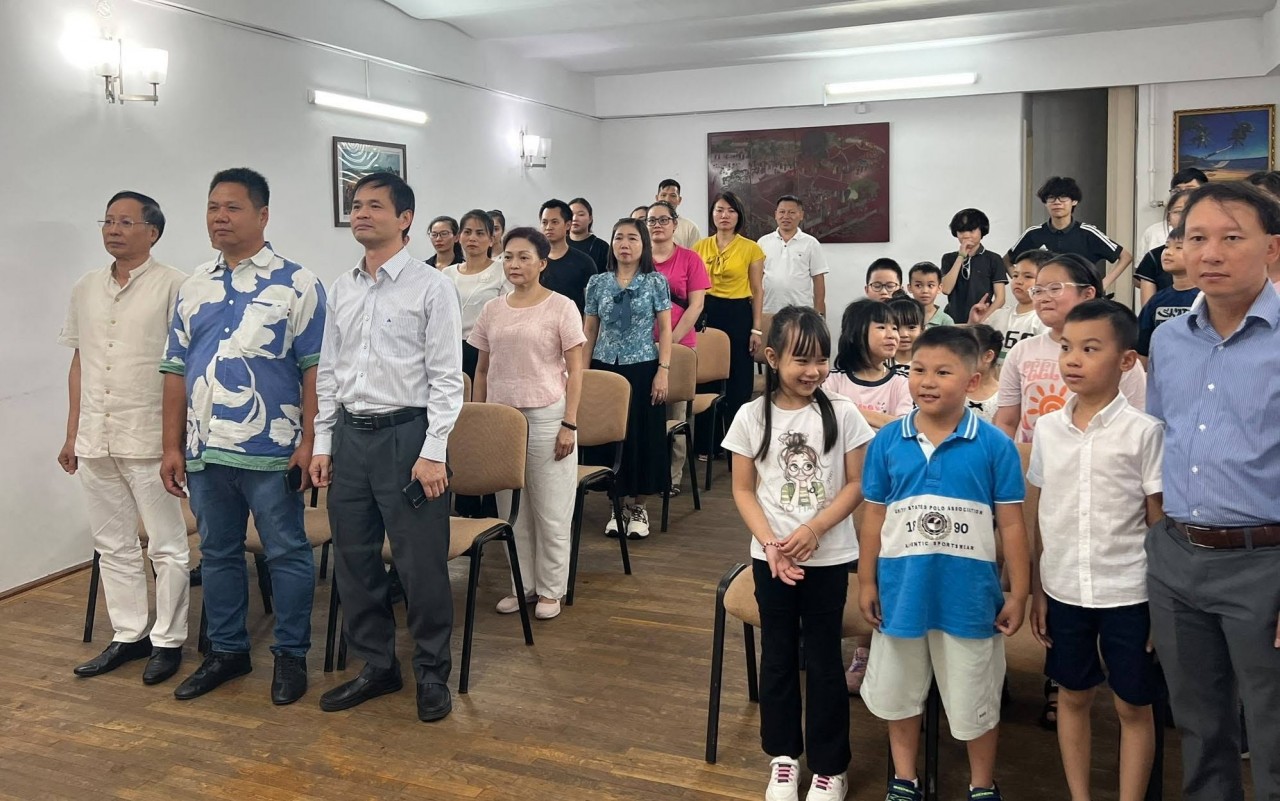
Vietnamese Summer Language Class Opens in Romania
 Overseas Vietnamese
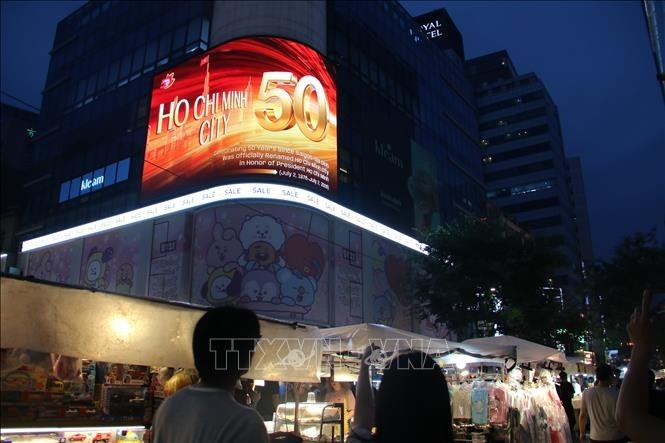
Ho Chi Minh City’s 50th Anniversary Shines in Central Seoul
 Overseas Vietnamese
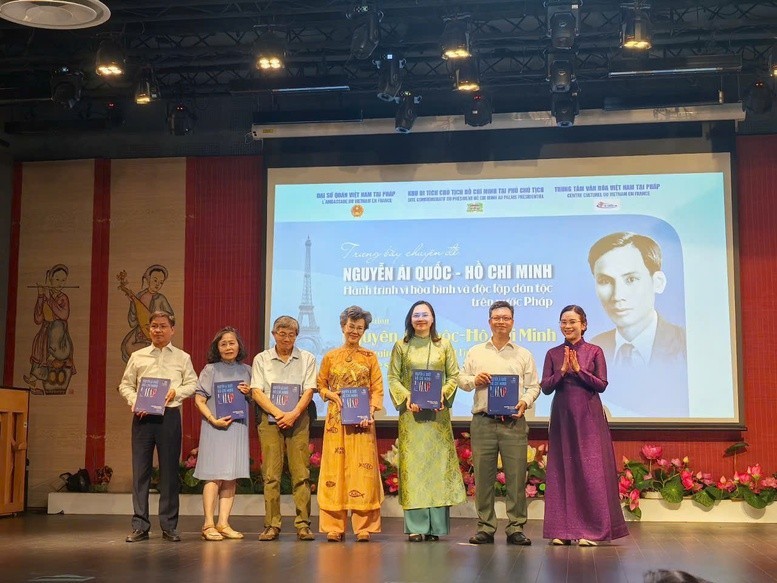
Honoring President Ho Chi Minh’s Legacy in France
 Overseas Vietnamese
Vietnamese Language Teachers’ Club Established in Sweden
 Overseas Vietnamese
Joining Hands to Preserve the Vietnamese Language and Culture Among Overseas Vietnamese Communities in France
 Overseas Vietnamese
Young Vietnamese in Czech Share Stories of Growing Up Between Two Cultures
 Overseas Vietnamese